
Climbing Kilimanjaro is a dream for many adventurers, including those who rely on CPAP machines for sleep apnea. Every year, climbers who use CPAP devices successfully reach the summit — but doing so requires thoughtful preparation and early conversations with medical professionals. This guide provides general information about using a CPAP machine on Kilimanjaro and outlines what trekkers typically consider during planning.
This article is not medical advice. All climbers should consult their healthcare provider and CPAP manufacturer for recommendations tailored to their personal health needs and device specifications.
Understanding How Altitude May Affect CPAP Machines
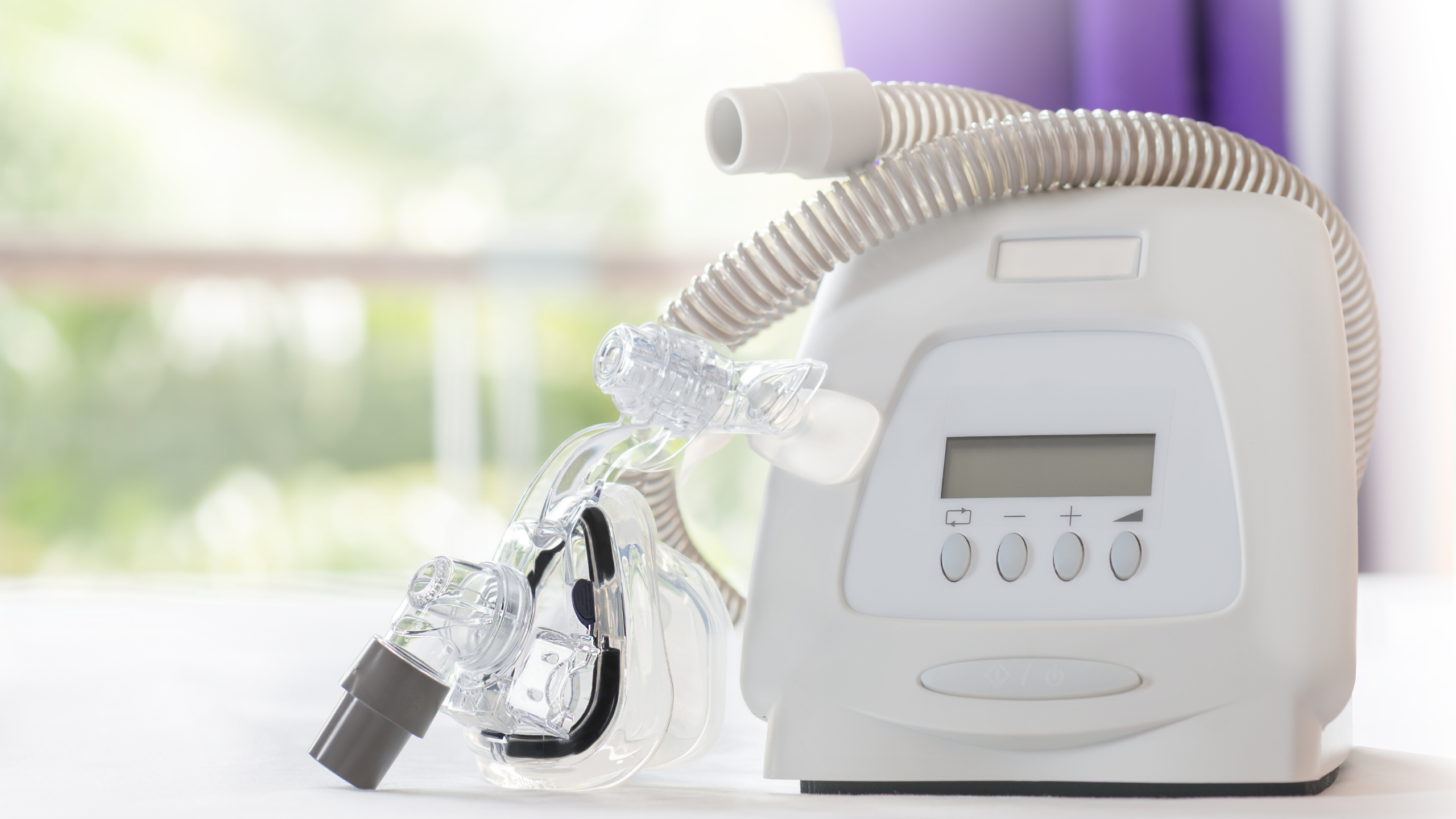
Kilimanjaro’s elevation, ranging from rainforest zones to over 19,000 ft, introduces conditions that may affect electronic devices. Trekkers commonly discuss with their medical teams how altitude might influence:
- Air pressure changes
- Battery usage at colder temperatures
- Device performance without humidification
- Nightly runtime requirements
Some CPAP machines compensate for altitude automatically, while others do not. Because each device functions differently, CPAP users typically speak directly with their doctor or manufacturer before travel to understand how their model behaves at elevation.
Powering a CPAP Machine on Kilimanjaro
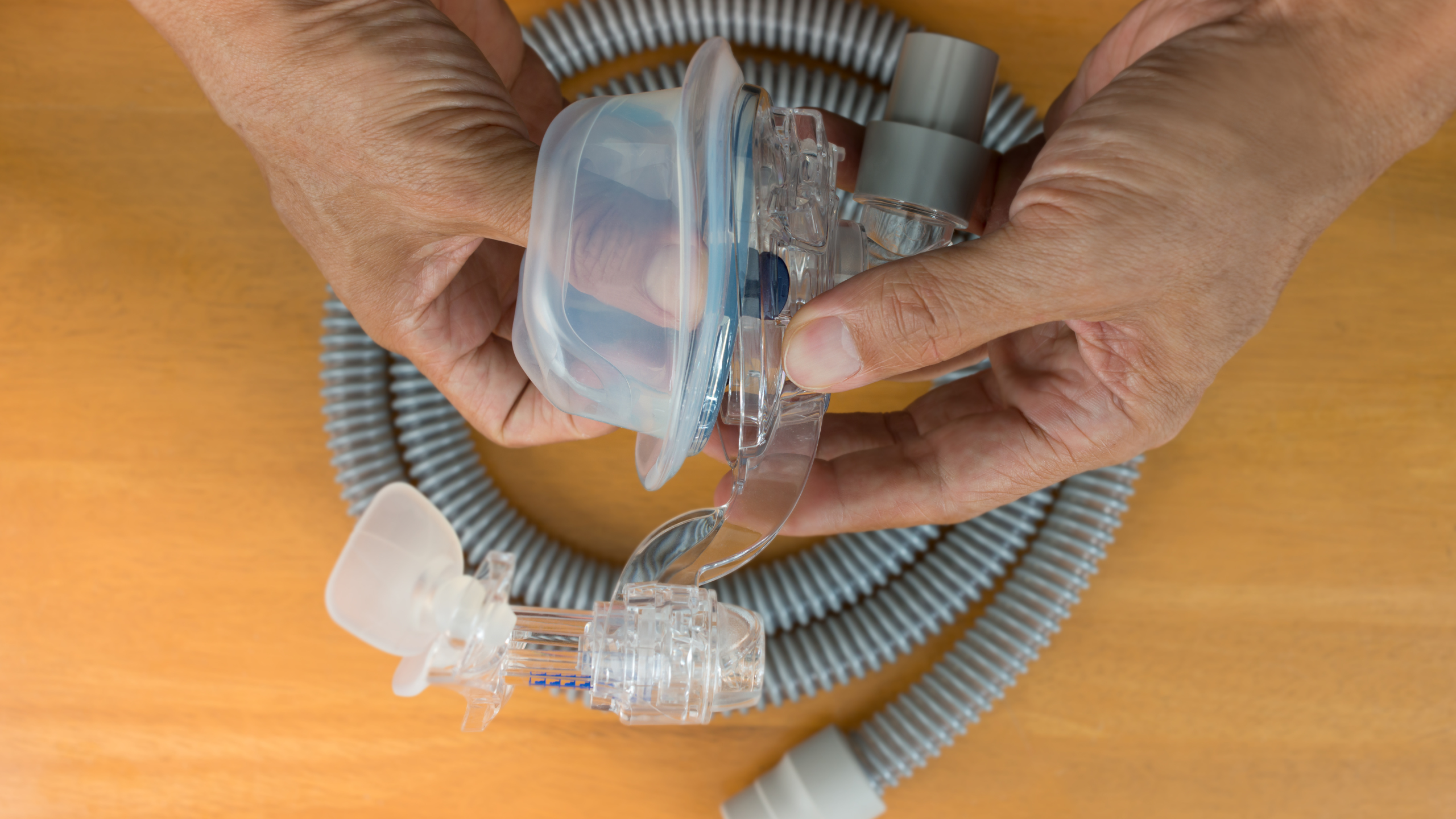
There is no electricity available at mountain camps on Kilimanjaro. Trekkers who bring CPAP machines usually plan to be fully self-sufficient when it comes to powering their device.
While every climber’s approach is unique, CPAP users often prepare in these general ways:
✔ Bringing external batteries compatible with their CPAP device
Many trekkers choose FAA-approved batteries designed for CPAP use. These differ from standard power banks and can vary significantly in capacity depending on the model and the user’s needs.
✔ Estimating power needs with their doctor or device provider
Because nightly usage varies from climber to climber, medical professionals and CPAP manufacturers are the best resources to help determine whether a specific setup is suitable for a multi-day, high-altitude trek.
✔ Testing the CPAP and batteries at home
To avoid surprises on the mountain, many climbers run a test night using their external batteries to gauge real-world performance.
✔ Protecting batteries from cold
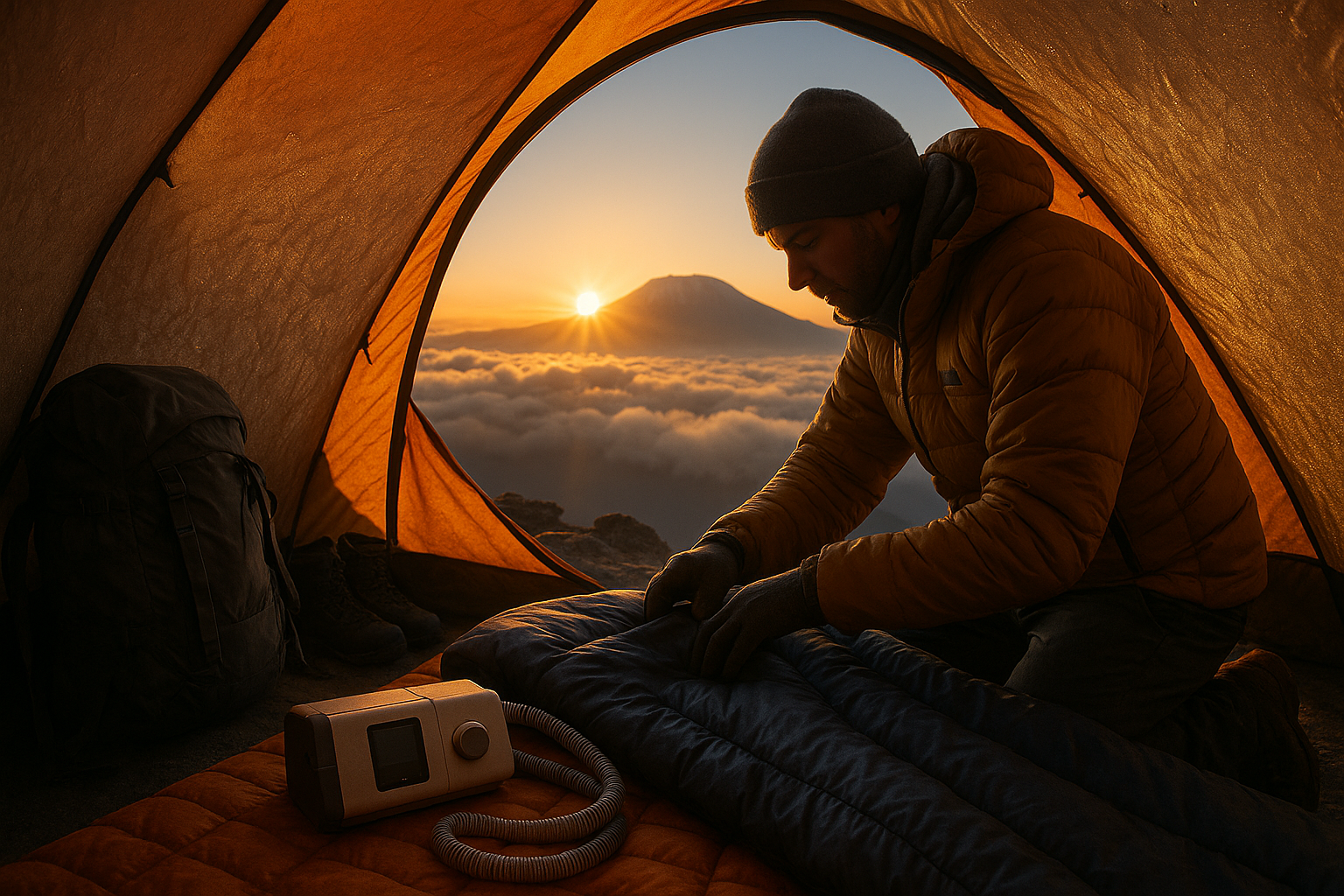
Temperatures at high-altitude camps often fall below freezing. Trekkers frequently store their batteries inside their sleeping bag or within insulated layers to help maintain warmth.
Important Note About Equipment Support on Kilimanjaro
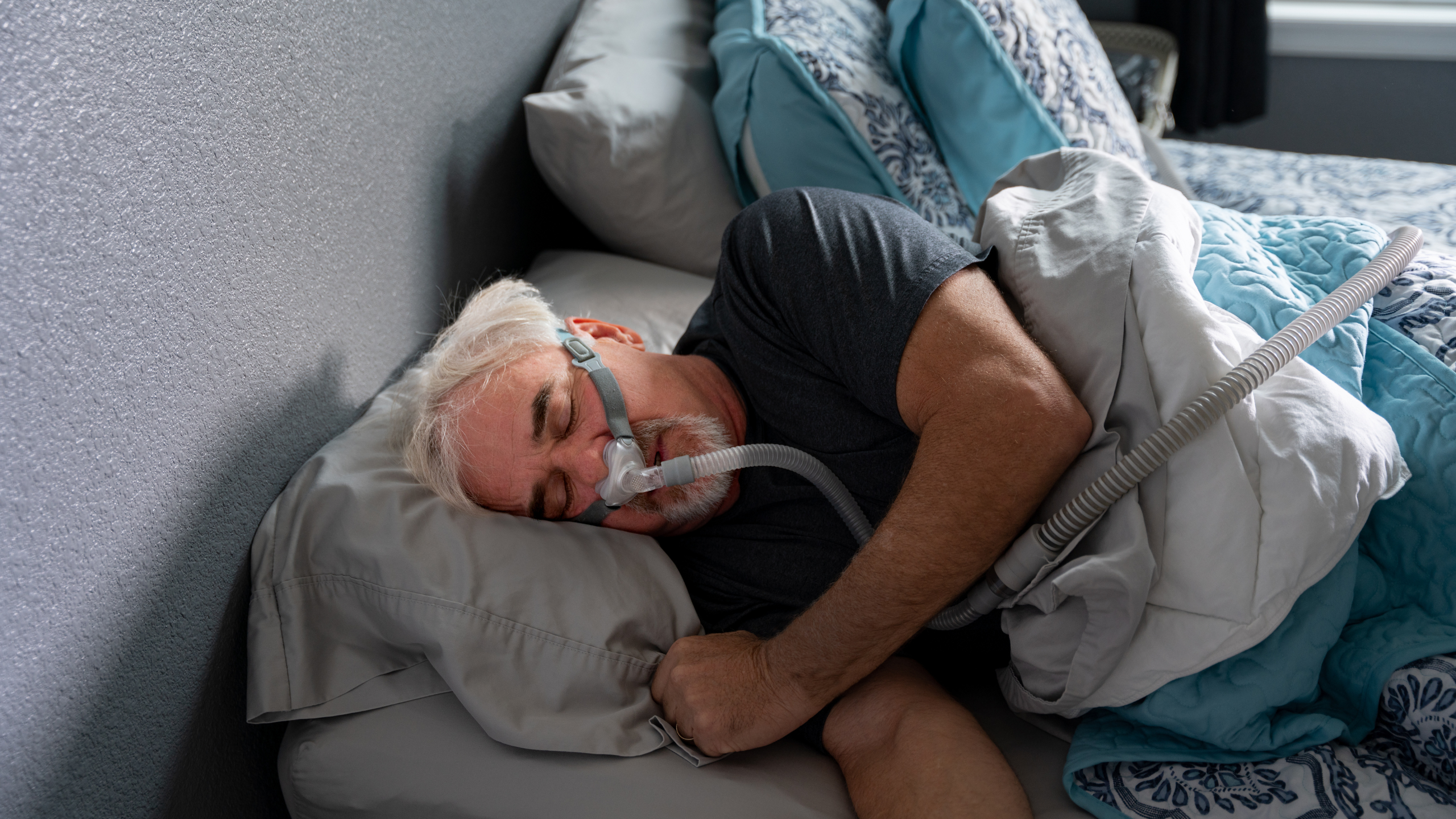
Climbing operators — including Climb Kili — do not provide CPAP batteries, charging stations, or medical power equipment. Trekkers bringing a CPAP machine must carry the power sources needed for the duration of their climb. This ensures that each climber uses equipment appropriate for their device, based on advice from their healthcare team.
Is It Realistic to Bring a CPAP Machine on Kilimanjaro?
Many climbers successfully bring CPAP machines every year. With sufficient preparation and guidance from medical professionals, trekking with a CPAP on Kilimanjaro can be achievable. However, certain considerations are important:
Weight Limits (KPAP Regulations)
All porter teams on Kilimanjaro follow KPAP ethical weight guidelines. Climbers have a fixed duffel weight allowance, and CPAP batteries must fit within this limit.
Cold Conditions at Night
Batteries may perform differently at low temperatures. Planning for cold-weather storage is common among CPAP users.
Length of the Trek
Depending on the chosen route, climbers may spend 6–8 nights on the mountain. Trekkers should confirm their expected nightly usage with their doctor or CPAP provider to determine whether their setup is suitable for an extended climb.
Device Compatibility
Some CPAP models are built with wider altitude ranges than others. Only the manufacturer or device provider can verify how a specific model performs at Kilimanjaro elevations.
Preparing Your CPAP System for the Trek
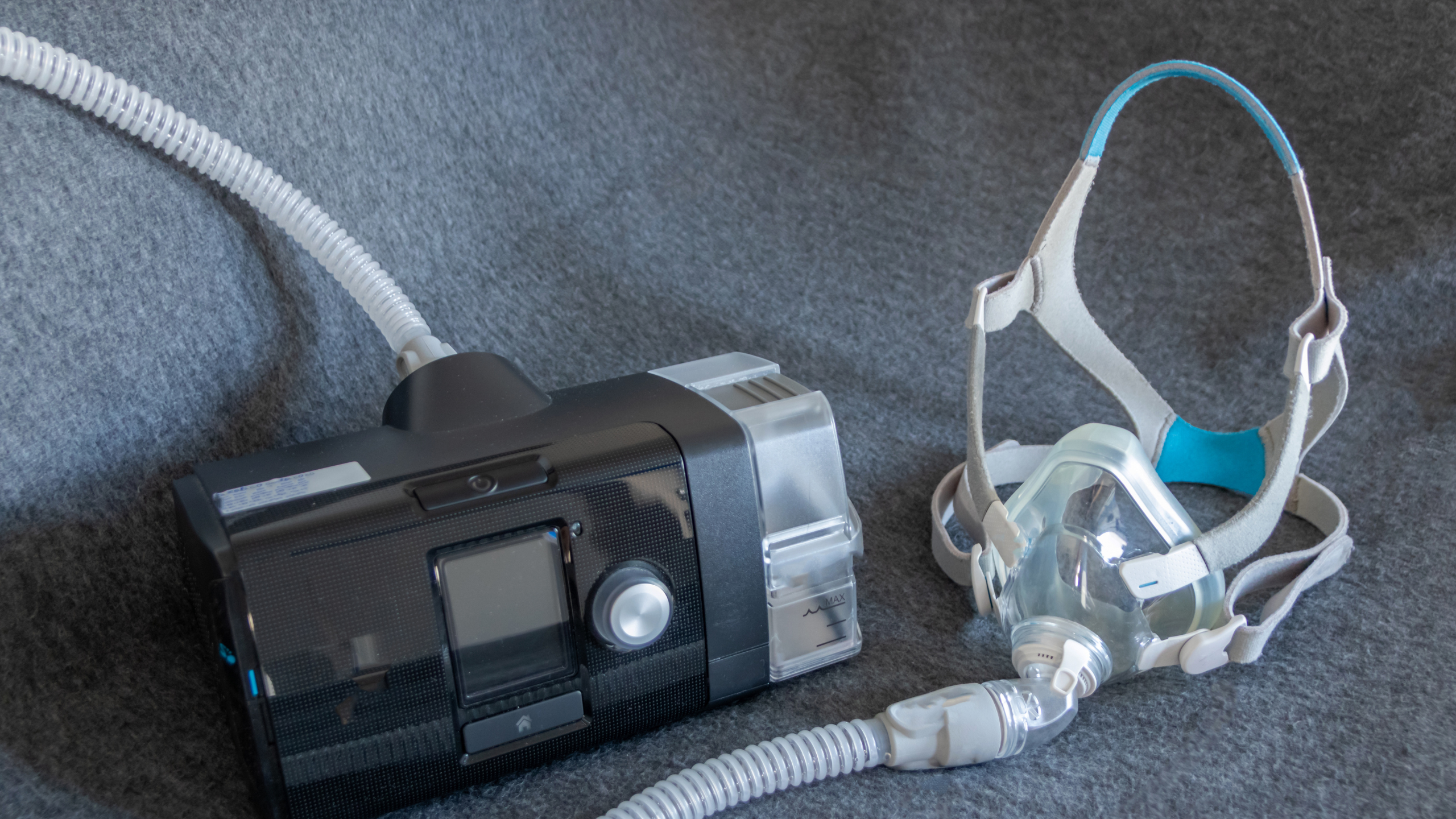
While Climb Kili cannot offer CPAP-specific support or equipment, many trekkers use the following general steps during their personal preparation process:
✔ Speak with a healthcare professional early
Doctors can explain whether high-altitude travel is appropriate and what considerations apply to individual health conditions.
✔ Contact the CPAP manufacturer for device guidance
Companies can clarify altitude capabilities, battery compatibility, and power requirements.
✔ Review airline regulations for lithium batteries
Most airlines require lithium batteries to be carried in hand luggage. Policies vary, so checking ahead of time can prevent travel issues.
✔ Test the entire system before departure
A full overnight run at home helps trekkers understand their battery duration.
✔ Discuss humidification with your medical provider
Humidifier settings can change power consumption. Only a medical professional should advise on adjustments.
✔ Pack with weight limits in mind
Because batteries can be heavy, CPAP users often pack lightweight clothing and essentials to stay within porter weight guidelines.
How Climb Kili Supports Trekkers Using CPAP Machines
Although Climb Kili does not supply CPAP equipment or power solutions, we support all climbers through:
- Experienced, medically trained guides
- Twice-daily health monitoring
- Strong acclimatization strategies on our routes
- Clear communication about packing limits
Our team is dedicated to providing a safe, supportive trekking environment for every climber, including those bringing specialized medical equipment.
Climbing Kilimanjaro With a CPAP Machine Is Possible
Trekkers who rely on a CPAP machine reach Kilimanjaro’s summit every year. With thoughtful preparation, guidance from healthcare professionals, and appropriate equipment planning, climbing with sleep apnea can be achievable.
If you’re preparing for a trek and would like help understanding logistics or planning your climb, our team is here to support your journey. Contact us anytime at info@climbkili.com — we’re ready to help you feel confident and prepared for your adventure.