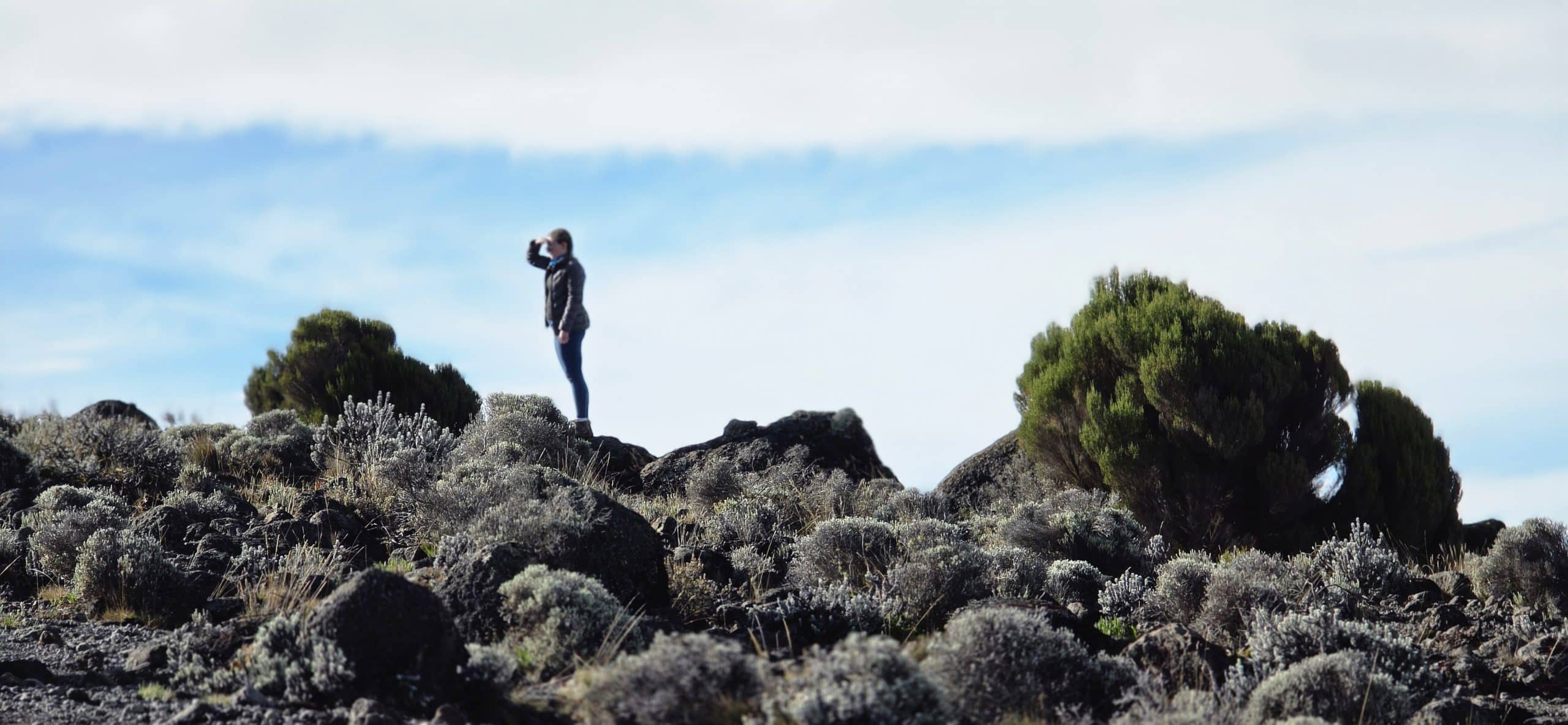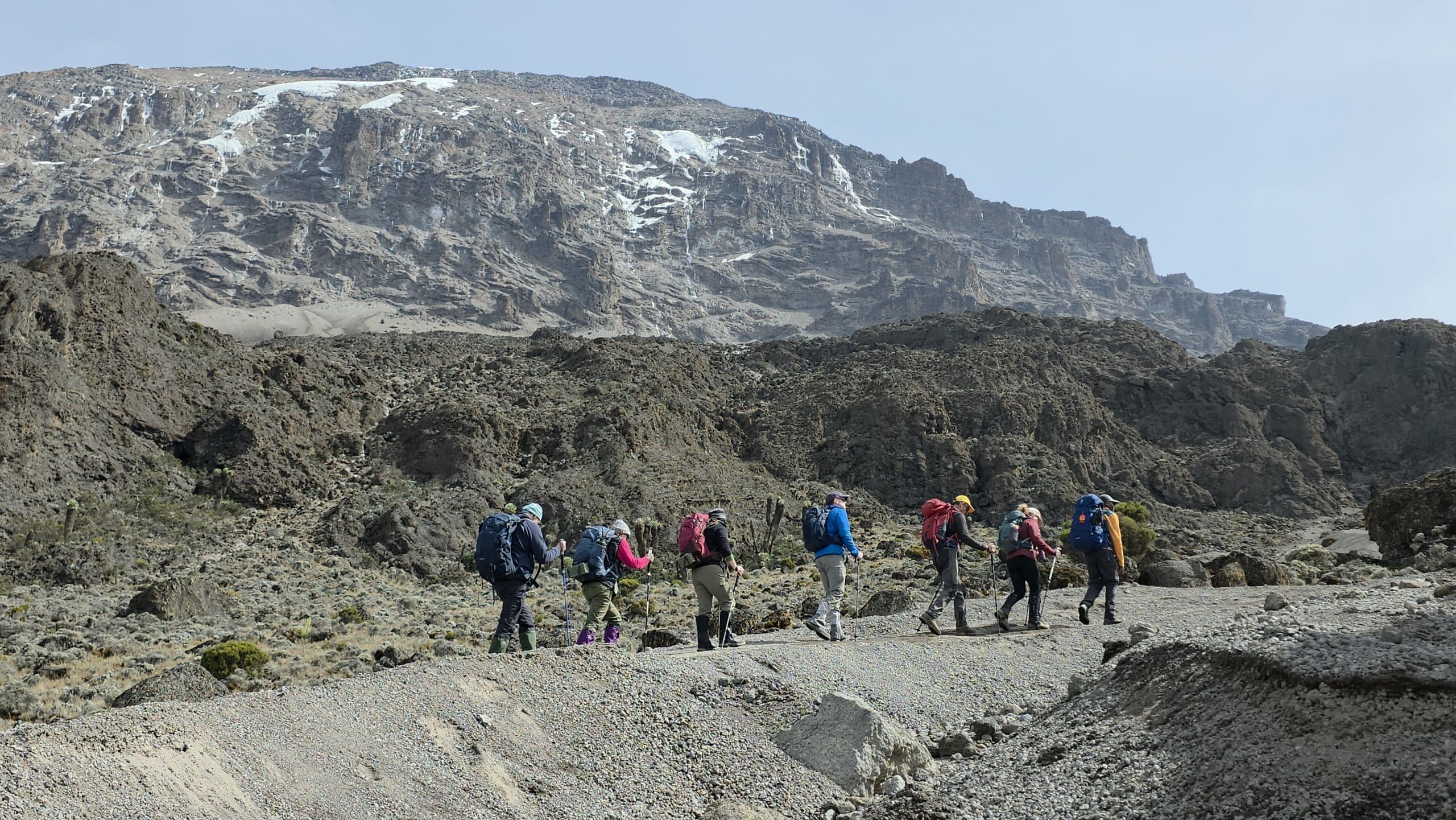

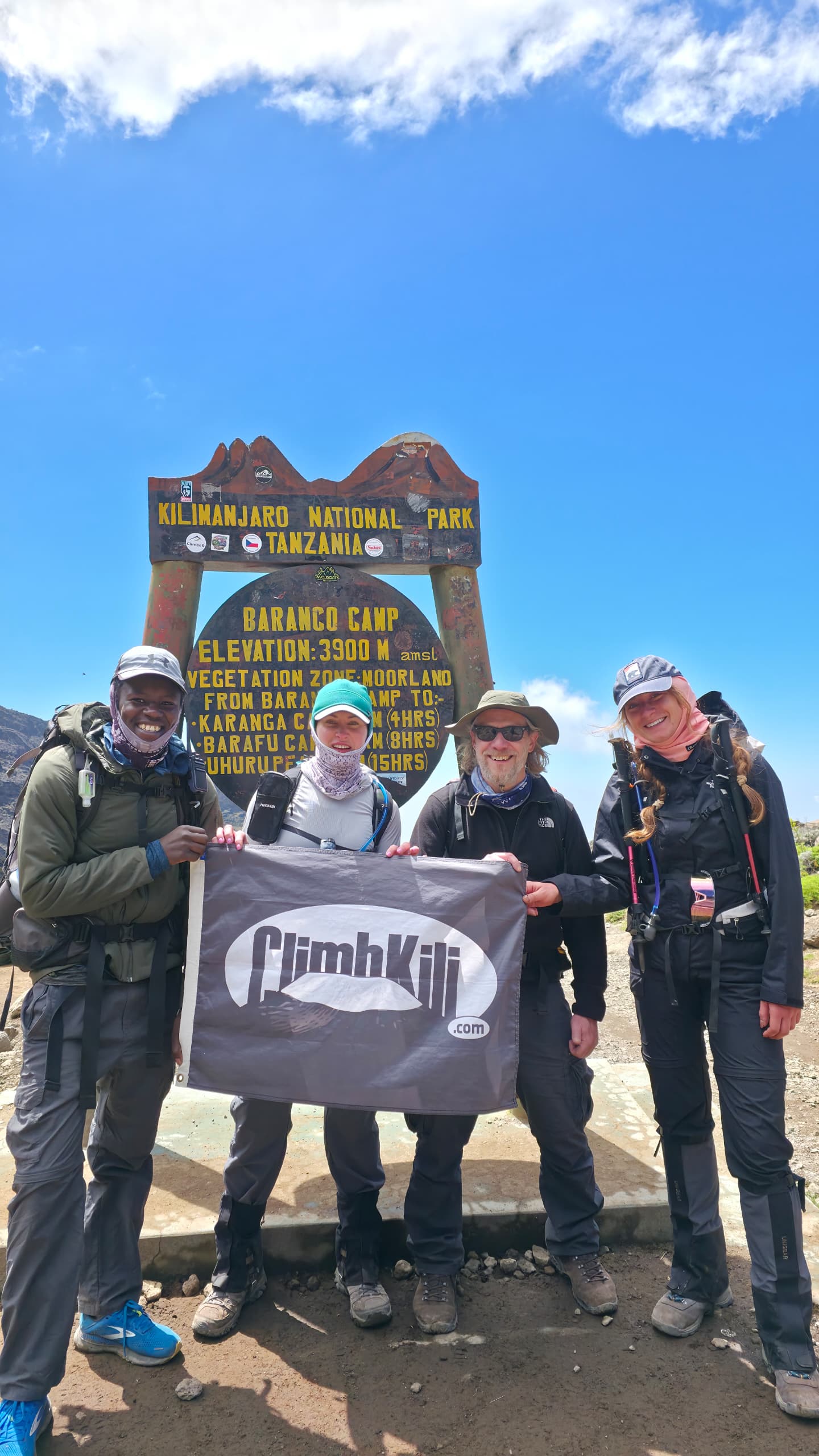
If you’ve been researching a Kilimanjaro climb—especially the Machame or Lemosho Route—you’ve likely seen photos of climbers scaling what looks like a sheer cliff. That section is the Barranco Wall, and it often causes unnecessary anxiety.
Let’s start with reassurance:
Every year, thousands of climbers of all ages safely complete the Barranco Wall with experienced guides.
It is exposed and physical, yes—but it is not technical climbing, and it’s climbed in daylight with step-by-step guidance.
What the Barranco Wall Actually Is (And Isn’t)
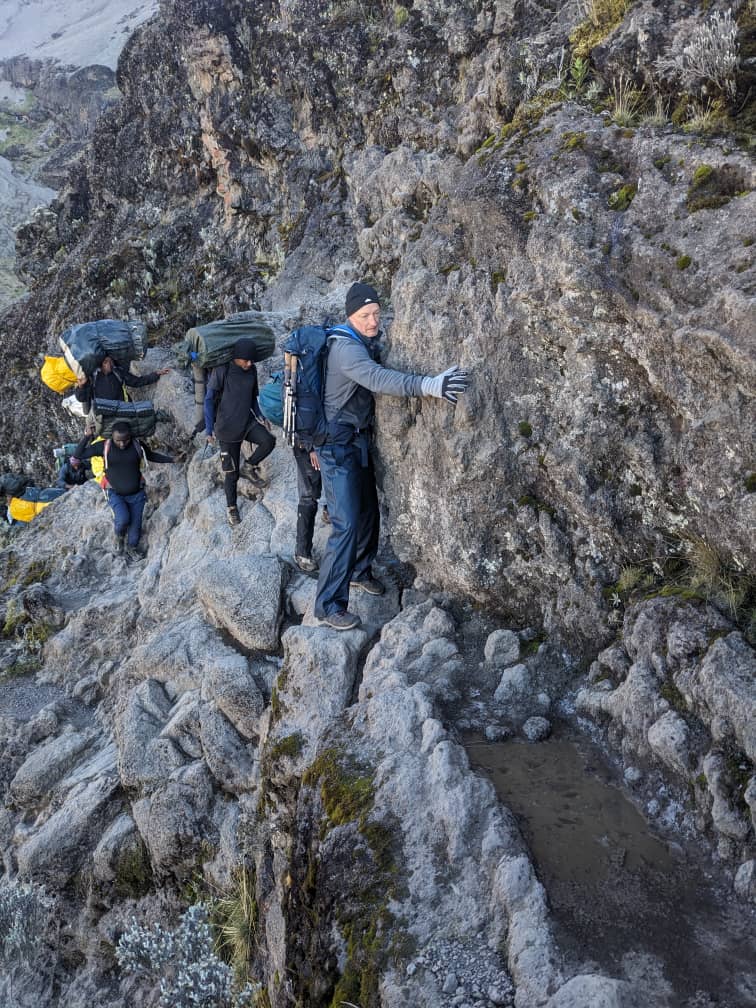
The Barranco Wall is a short scrambling section, not a vertical cliff climb.
What it is
- Hands-on scrambling using solid rock ledges
- Clear, established routes
- Guided movement with assistance when needed
- Climbed slowly and deliberately
What it isn’t
- Technical rock climbing
- A rope ascent
- A free-hanging cliff
- A rushed or chaotic section
Most of the wall is wide enough for comfortable footing, with guides positioned to manage spacing and provide direction.
How Long Does the Barranco Wall Take?
Most climbers complete the Barranco Wall in 1–2 hours, depending on group size and pace.
There are frequent pauses to:
- manage spacing
- receive guidance on foot placement
- take photos and enjoy the view
Knowing it’s a defined, time-limited section often reduces fear more than anything else.
Why Photos Make the Barranco Wall Look Scarier Than It Is
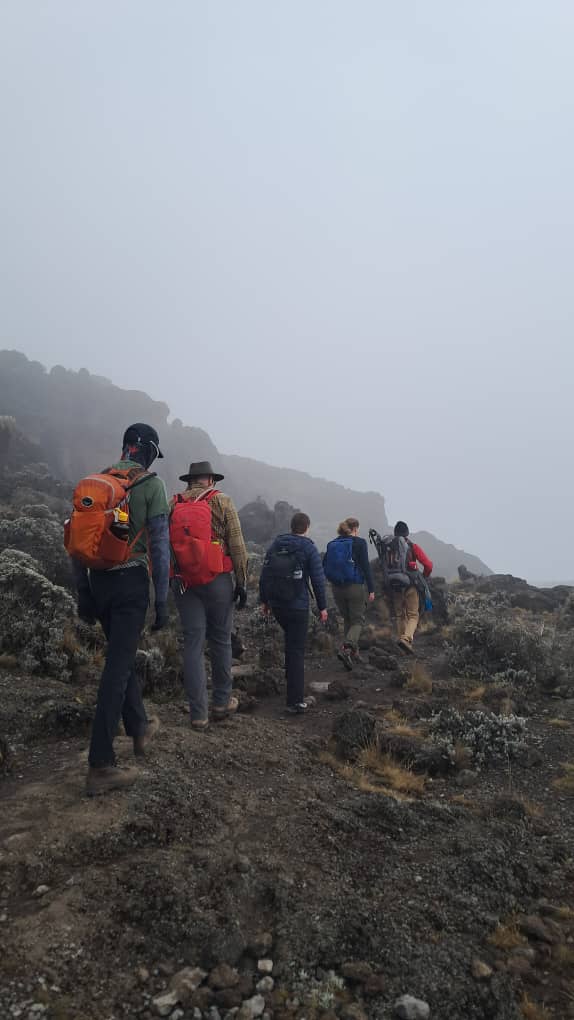
Photos are usually taken from below or across the valley, which exaggerates the steepness. From on the wall, the experience feels very different.
Climbers typically notice:
- broad ledges
- reliable handholds
- time to focus on one move at a time
Exposure can feel real—but exposure does not equal danger when movement is controlled and guided.
The Famous “Kissing Rock,” Explained Calmly
You may have heard of the “Kissing Rock.” Despite the dramatic name, it’s a brief, well-managed step:
- crossed one person at a time
- clear hand and foot placements
- guides assist and coach the move
You lean close to the rock face, step across a narrow ledge, and continue upward. For many climbers, this becomes a confidence-building moment rather than a fearful one.
Is the Barranco Wall Physically Hard?
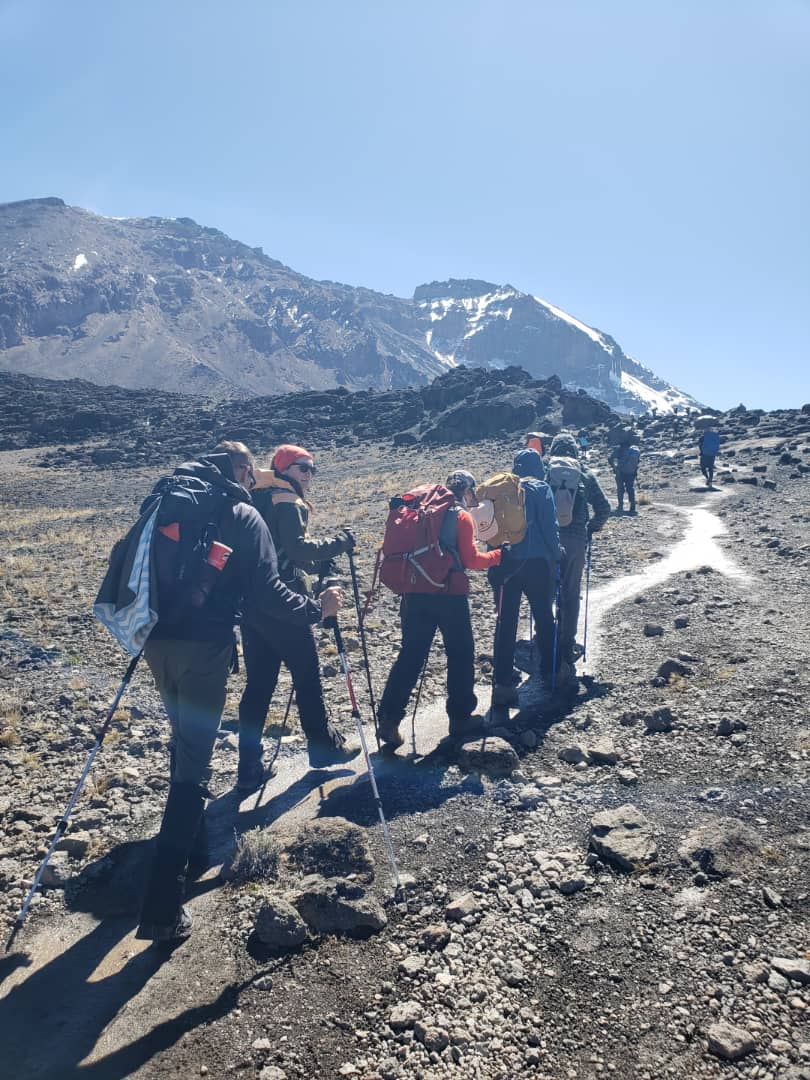
Compared to long uphill trekking days, many climbers describe the Barranco Wall as refreshingly different.
It requires:
- balance and coordination
- using hands and feet together
It does not require:
- upper-body strength
- climbing experience
- speed
Climbers who find steep uphill hiking challenging often enjoy the wall because it engages the body differently.
What Makes the Barranco Wall Safe
Several factors work together to keep this section safe:
🧭 Daylight Only
The Barranco Wall is climbed during the day—not at night like summit push.
👣 Controlled Movement
Groups move carefully, often single file in tighter sections.
🧑🏫 Guide Positioning
Experienced guides:
- direct foot placement
- assist when needed
- manage spacing and pace
🪨 Solid Volcanic Rock
The route follows stable rock with long-established holds.
Who Might Feel Nervous (And Why That’s Normal)
It’s completely normal to feel uneasy if you:
- have a fear of heights
- dislike exposure
- are new to scrambling
Nervousness does not equal danger.
Climbers who struggle most are usually those who rush, panic, or don’t listen to guide instructions—not those who lack strength or experience. Confidence builds quickly with calm pacing and guidance.
Why the Barranco Wall Is Often a Highlight
Ask past climbers about their favorite day, and many point to the Barranco Wall.
Why?
- it’s interactive
- it rewards focus rather than endurance
- the views are exceptional
- it builds confidence before higher camps
Reaching the top often feels like a small victory that sets the tone for the days ahead.
Simple Tips to Feel Prepared
You don’t need special training. These habits help:
- trust your guides and ask questions
- move slowly and deliberately
- keep three points of contact when scrambling
- avoid looking far down if exposure makes you uneasy
- focus on the next step, not the whole wall
Remember: pole pole applies here too.
Quick FAQs About the Barranco Wall
Is the Barranco Wall harder than summit night?
No. Summit night is longer, colder, and more physically demanding.
Can beginners climb the Barranco Wall?
Yes. Many first-time climbers complete it comfortably with guides.
Do I need climbing gear?
No ropes or technical equipment are required.
What if someone freezes up?
Guides pause the group, provide step-by-step coaching, and assist until the climber is comfortable moving again.
The Takeaway: Respect It, Don’t Fear It
The Barranco Wall deserves respect—but not fear.
It’s:
- carefully guided
- well managed
- completed safely by thousands each year
The Barranco Wall isn’t about fear. It’s about learning to trust your steps.
And when you look back from the top, you’ll likely wonder why it worried you at all.