Climbing Mount Kilimanjaro is one of the most iconic adventures in the world. One of the first questions travelers ask is simple: How much does it cost to climb Kilimanjaro?
The answer depends on several factors route length, group size, safety systems, and the level of support provided by the operator. Prices vary widely across companies, but understanding Kilimanjaro pricing helps climbers choose an expedition that balances safety, summit success, and ethical treatment of the mountain crew.
Below is a breakdown of typical Kilimanjaro costs and how Climb Kili’s mid-range pricing fits into the overall market.
Average Kilimanjaro Climb Cost
Most guided climbs fall within these general price ranges:
| Climb Type | Average Price Per Person |
|---|---|
| Budget operators | $1,800 – $2,400 |
| Mid-range operators | $2,500 – $3,800 |
| Premium operators | $4,000 – $6,500+ |
For many climbers, the realistic cost of a safe and well-organized Kilimanjaro expedition is between $3,000 and $5,000 per person.
This price usually includes park permits, guides, porters, meals, camping equipment, and mountain safety support.
Climb Kili Pricing
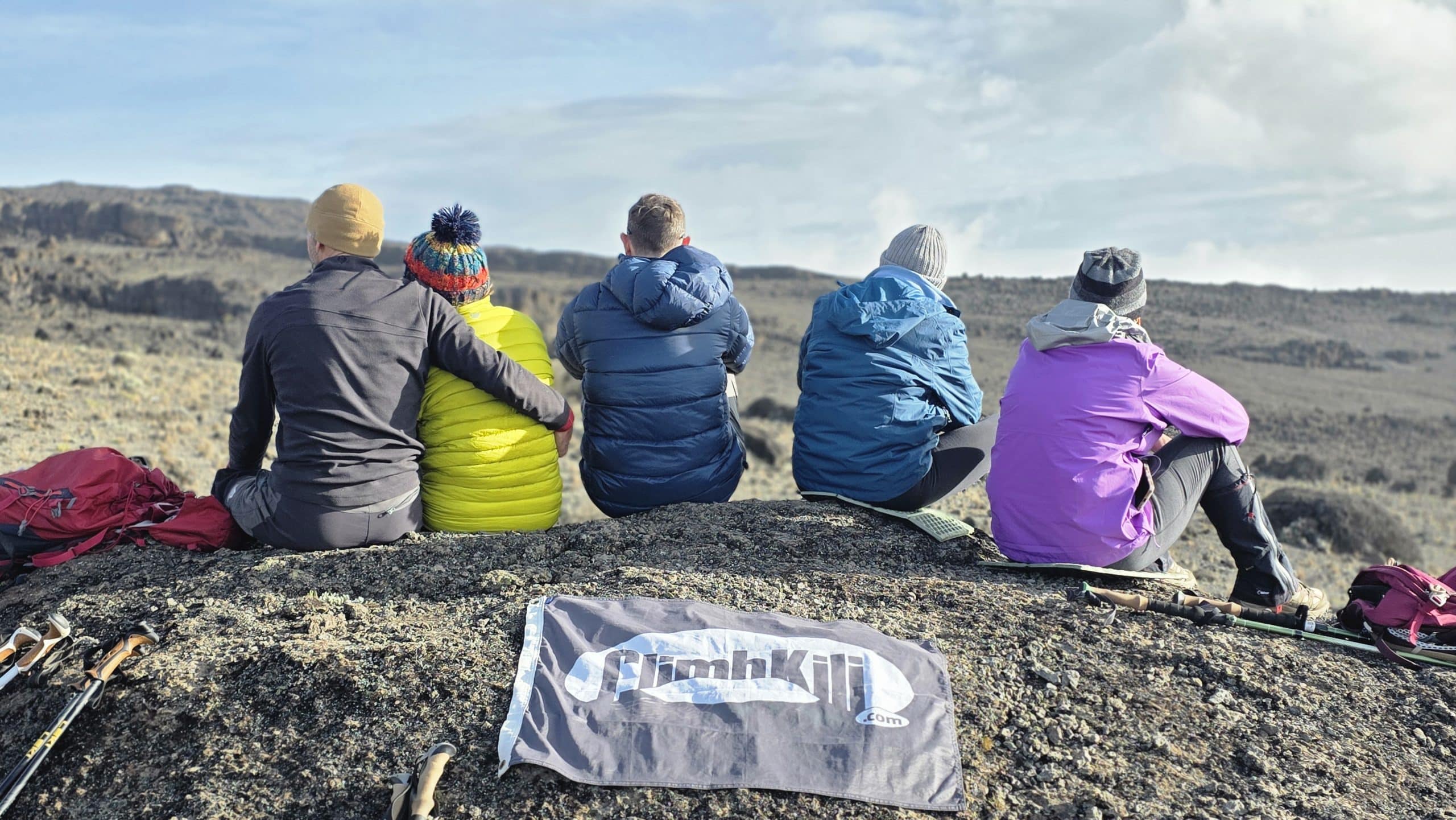
Climb Kili operates within the mid-range pricing category, typically between:
$3,200 – $4,800 per climber
depending on the route and number of days on the mountain.
Mid-range pricing is often considered the best value on Kilimanjaro because it balances affordability with the safety systems, experienced guides, and ethical practices required for a successful expedition.
Why Mid-Range Pricing Is a Good Choice
Budget operators often cut costs by reducing crew support, lowering porter wages, or minimizing safety equipment.
On the other hand, luxury expeditions can include extras like private bathrooms, large dining tents, and hotel-style amenities that significantly increase the price.
Mid-range operators like Climb Kili focus on the elements that matter most for a successful climb:
- Experienced guides
- Proper acclimatization schedules
- Strong safety systems
- Ethical treatment of porters
- Small group support
This approach allows climbers to have a high-quality expedition without paying luxury expedition prices.
Small Personalized Groups
Climb Kili keeps groups small usually no more than six climbers per group.
Smaller groups allow guides to:
- Monitor climber health closely
- Adjust pacing for acclimatization
- Provide personalized support
- Improve overall summit success
For many climbers, this smaller team environment makes the experience far more enjoyable and supportive.
High Summit Camp Strategy
Another advantage of Climb Kili expeditions is the use of higher summit camps whenever possible.
Camping higher on the mountain allows climbers to:
- Shorten summit night
- Reduce total climbing time during the final ascent
- Improve chances of reaching the summit at sunrise
This strategy helps conserve energy for the final push to Uhuru Peak, the highest point on Mount Kilimanjaro.
Ethical Porter Treatment
Responsible Kilimanjaro climbs also ensure fair treatment of the mountain crew.
Climb Kili is a member of the Kilimanjaro Porters Assistance Project, which promotes ethical working conditions for porters.
This includes:
- Fair wages
- Safe load limits
- Proper meals
- Adequate sleeping accommodations
Supporting companies that follow these standards helps protect the livelihoods of the people who make Kilimanjaro expeditions possible.
What Is Included in Most Kilimanjaro Packages?
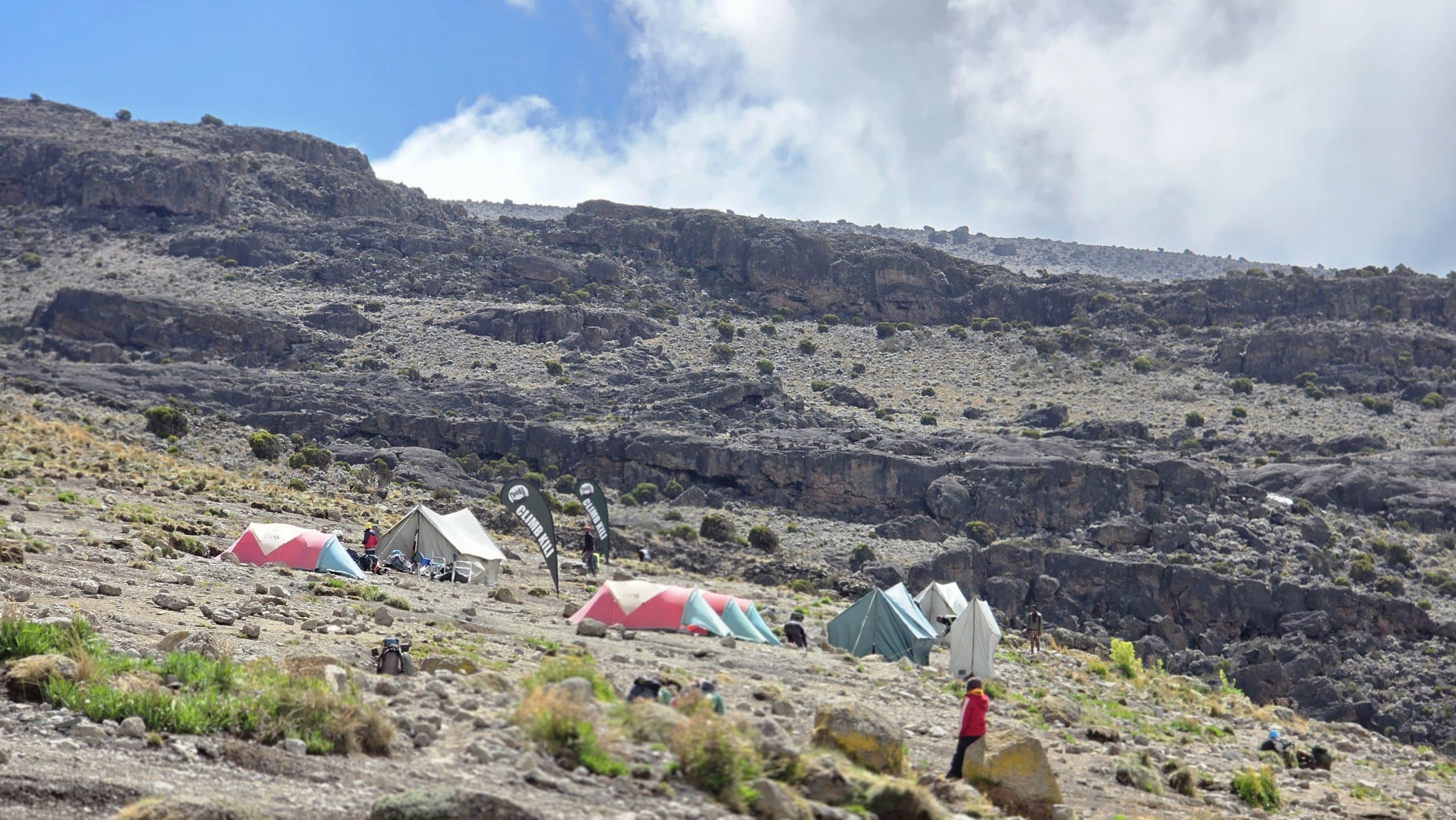
A full-service Kilimanjaro expedition typically includes:
✔ National park permits and rescue fees
✔ Professional mountain guides
✔ Porters and cooks
✔ Camping equipment and tents
✔ All meals on the mountain
✔ Drinking water
✔ Transportation to and from the mountain
✔ Safety equipment such as oxygen and medical checks
These services require a large team working behind the scenes to support each climber.
Additional Costs to Plan For
In addition to the climb itself, travelers should budget for several other expenses.
Flights
Flights to Kilimanjaro International Airport typically range from:
$800 – $1,500+
depending on your departure city.
Tips for the Mountain Crew
Tipping is a standard part of Kilimanjaro culture.
Most climbers budget around:
$250 – $350 per climber
for the entire crew.
Gear
If you need to purchase or rent trekking gear, costs may range between:
$300 – $1,000
depending on what equipment you already own.
Estimated Total Cost of a Kilimanjaro Trip
| Expense | Estimated Cost |
|---|---|
| Guided climb | $3,000 – $5,000 |
| Flights | $800 – $1,500 |
| Tips | $250 – $350 |
| Gear | $300 – $1,000 |
Typical total trip cost:
$4,500 – $7,500
Choosing the Right Kilimanjaro Operator
Climbing Kilimanjaro is about much more than reaching the summit. The right expedition focuses on safety, preparation, and a strong support team.
Mid-range operators like Climb Kili provide a balance of affordability and quality by offering small personalized groups, experienced Tanzanian guides, ethical porter treatment, and smart strategies like higher summit camps.
For many climbers, the reward comes at sunrise on summit morning standing at Uhuru Peak, looking out over Africa from the roof of the continent. 🏔️