Is Kilimanjaro Safe to Climb?
Short answer: Yes when climbed with the right itinerary and operator.
Importantly, Mount Kilimanjaro is a non-technical trek. For instance, you do not need ropes, harnesses, or mountaineering experience. However, the primary risk is altitude. Altitude risk is largely managed through itinerary design, pacing, and professional monitoring.
For example, each year approximately 30,000–40,000 climbers attempt Kilimanjaro. Specifically, the majority who choose 7–8 day itineraries with structured medical oversight complete their climb safely.
Kilimanjaro isn’t inherently dangerous. Poor planning is.
1. Understanding Altitude Sickness
Specifically, altitude sickness (AMS) occurs when your body struggles to adapt to reduced oxygen levels.
Common symptoms:
- Headache
- Nausea
- Fatigue
- Dizziness
- Loss of appetite
Serious symptoms (rare but important):
- Severe confusion
- Difficulty walking
- Shortness of breath at rest
In fact, most altitude-related issues are preventable with gradual ascent and structured monitoring.
Therefore, the key to prevention is proper itinerary design and conservative pacing.
What Happens If You Get Sick on Kilimanjaro?
Professional guides follow a clear protocol:
- Symptom assessment
- Pulse oximeter check
- Rest and hydration evaluation
- Oxygen administration if necessary
- Immediate descent if symptoms worsen
Importantly, descent is the most effective treatment for altitude sickness. As a result, reputable operators prioritize health over summit pressure.
In addition, evacuation systems are well established on Kilimanjaro, and trained guides are prepared to act quickly if needed.
2. Choose the Right Itinerary Length
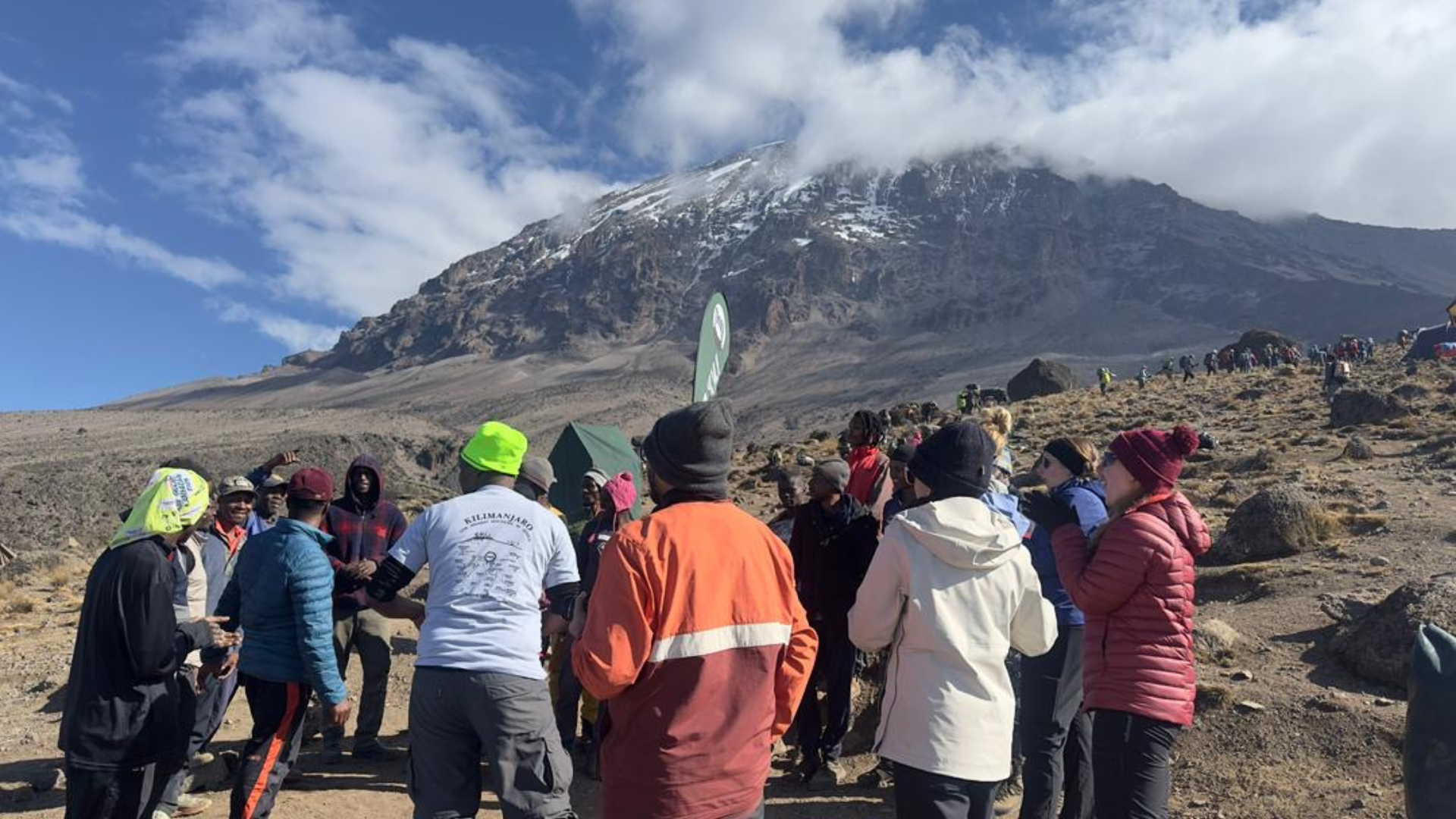
Without question, the single most important safety decision is itinerary length.
- 5–6 day climbs = lower acclimatization success
- 7–8 day climbs = significantly higher summit success and safer ascent
In particular, longer routes such as:
consequently provide better acclimatization profiles.
For this reason, avoid rushed itineraries if safety is your priority.
3. Daily Health Monitoring Matters
In addition, a safe Kilimanjaro expedition includes structured monitoring:
- Twice-daily pulse oximeter readings
- Symptom check-ins
- Guide observation during hiking
- Conservative turnaround decisions
Furthermore, if an operator does not clearly explain their monitoring process, ask questions.
4. Emergency Oxygen & Evacuation Protocols
Specifically, every reputable Kilimanjaro tour operator should carry:
- Emergency oxygen on every climb
- Portable medical kit
- Clear evacuation plan
- Communication device (satellite phone or radio)
However, oxygen is not for comfort it is critical backup support.
5. Group Size & Guide Ratio
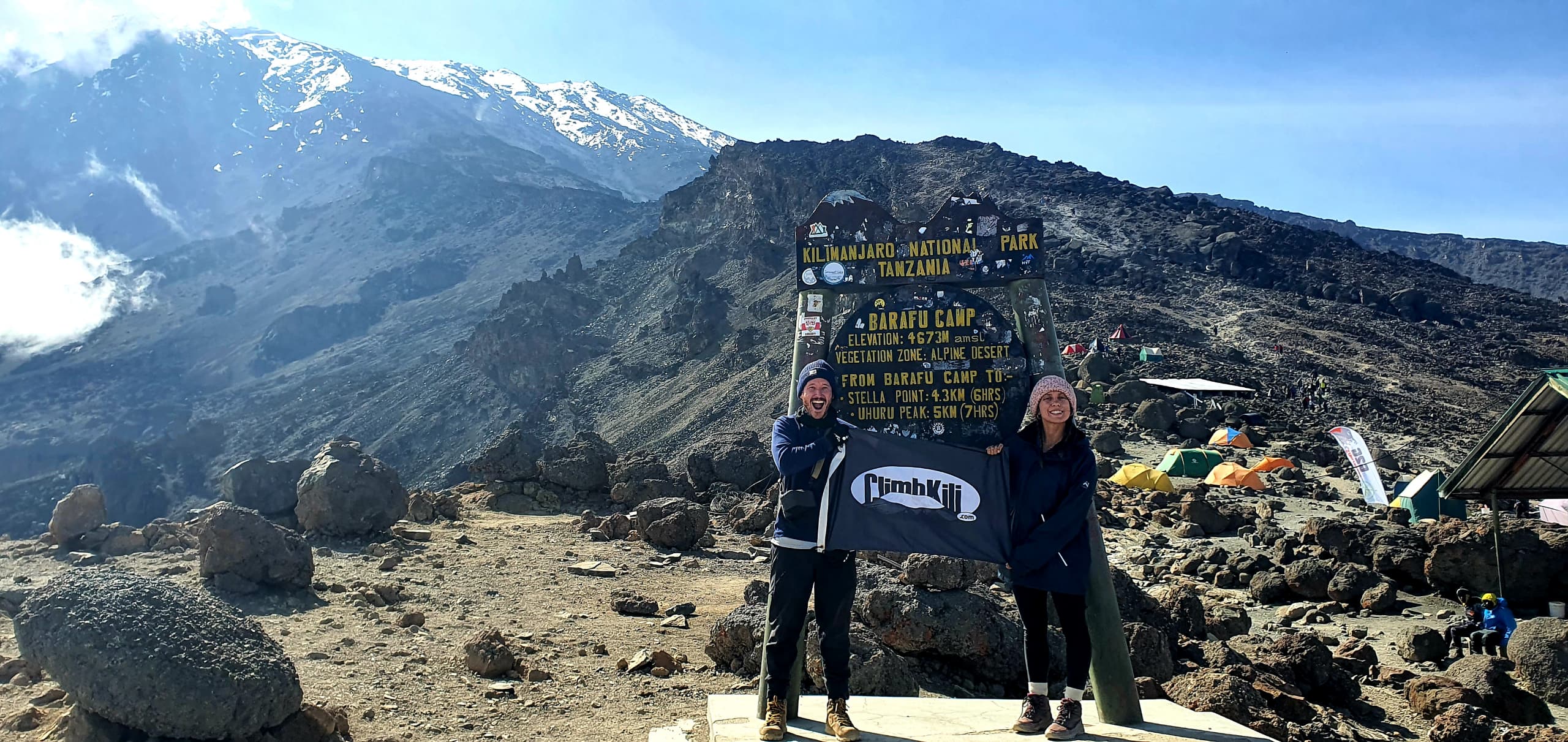
Specifically, smaller groups increase safety oversight.
| Group Size | Safety Impact |
|---|---|
| 10–15 climbers | Reduced individual monitoring |
| 6 climbers max | Higher guide-to-climber ratio |
As a result, more guides per climber means faster response and better pace management.
6. Physical Preparation Reduces Risk
Nevertheless, while altitude affects everyone differently, strong cardiovascular fitness improves resilience.
Training focus:
- Long hikes with elevation gain
- Stair climbing workouts
- Weighted pack training
- Slow, steady endurance building
However, fitness does not eliminate altitude risk. It does improve recovery and stamina.
7. Hydration & Nutrition
In particular, dehydration increases altitude symptoms.
Specifically, safe practices include:
- Drinking 3–4 liters of water daily
- Eating even when appetite decreases
- Avoiding alcohol before and during the climb
Therefore, professional operators monitor hydration closely.
8. Ethical Operators Are Often Safer Operators
Moreover, KPAP verification indicates structured operations and accountability.
KPAP vs Non-KPAP Guide
Ethical treatment of crew often reflects overall expedition quality.
Common Safety Myths About Kilimanjaro
Myth 1: Kilimanjaro is extremely dangerous.
Reality: With proper itinerary and monitoring, it is a controlled high-altitude trek.
Myth 2: Only elite athletes can summit.
Reality: Many first-time trekkers successfully summit with preparation.
Myth 3: Faster is better.
Reality: Slower ascents improve safety and success.
🚩 Safety Red Flags to Avoid
In particular, be cautious if you see:
- 5–6 day itineraries marketed as “fast summit”
- No mention of emergency oxygen
- Large group sizes (10+ climbers)
- No KPAP verification
- Vague evacuation procedures
- Operators unwilling to discuss altitude protocols
Above all, safety transparency should be clear and detailed — not vague.
Safety Checklist Before Booking
Before choosing a tour operator, specifically confirm:
- 7–8 day itinerary minimum
- Emergency oxygen included
- Twice-daily health checks
- Small group size cap
- KPAP verification
- Clear evacuation plan
Together, these factors define a safe Kilimanjaro climb.
Where Climb Kili Fits
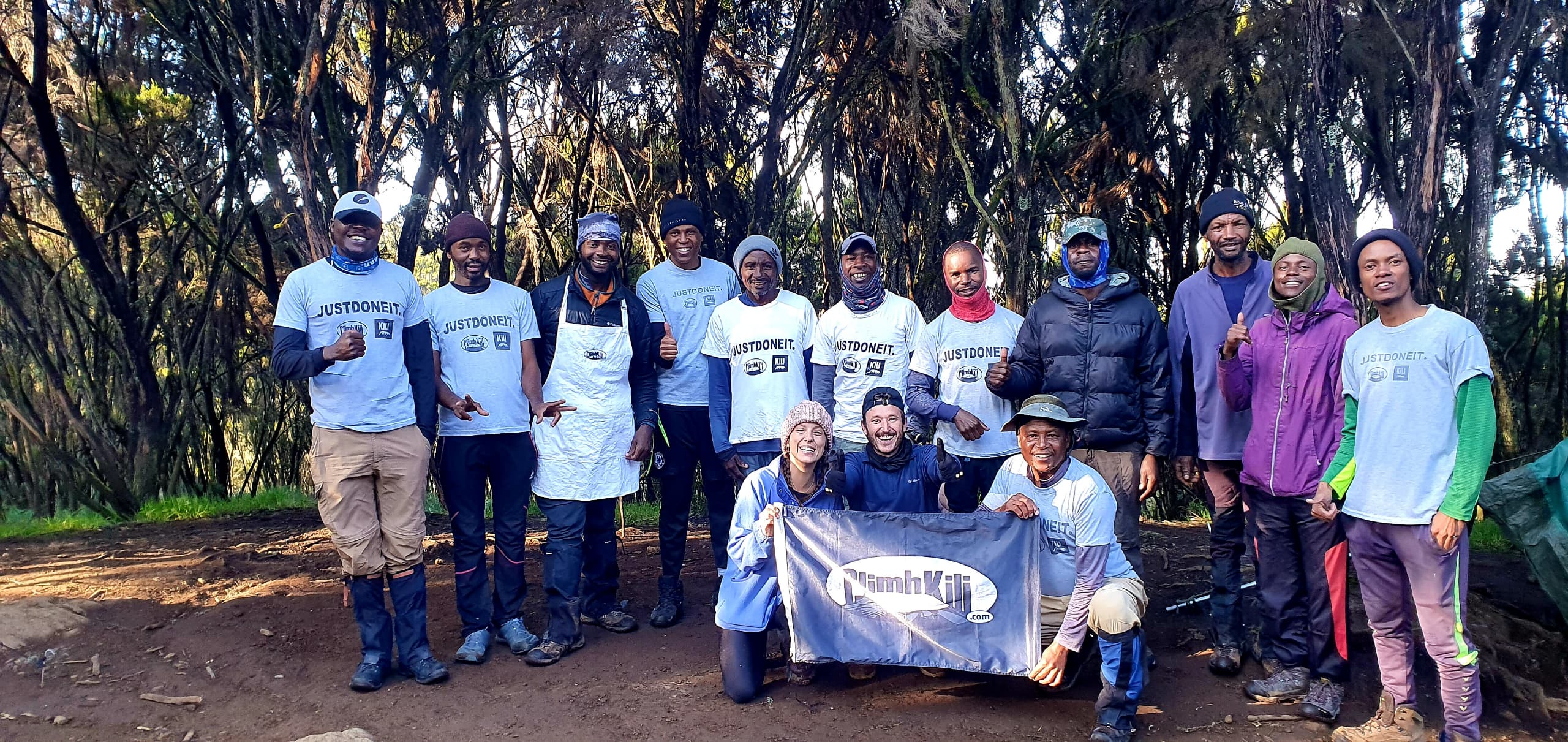
Specifically, Climb Kili structures every expedition around safety-first principles:
- Maximum 6 climbers per group
- 7–8 day itineraries only
- Strategic high-camp acclimatization
- Twice-daily medical monitoring
- Emergency oxygen on every climb
- KPAP-verified porter treatment
- U.S. and Tanzania-based support
Ultimately, the goal is not speed — it is safe, structured summit success.
Final Thoughts
Ultimately, Kilimanjaro safety is not about fear — it is about preparation.
First, pick a longer itinerary. Next, select structured monitoring. Also, opt for small groups. Above all, prioritize ethics.
Kilimanjaro isn’t dangerous — poor planning is.
In short, with the right structure, climbing Africa’s highest peak is a powerful, safe, and achievable adventure.
Tutaonana juu ya mlima (See you on the mountain) 💚🏔️