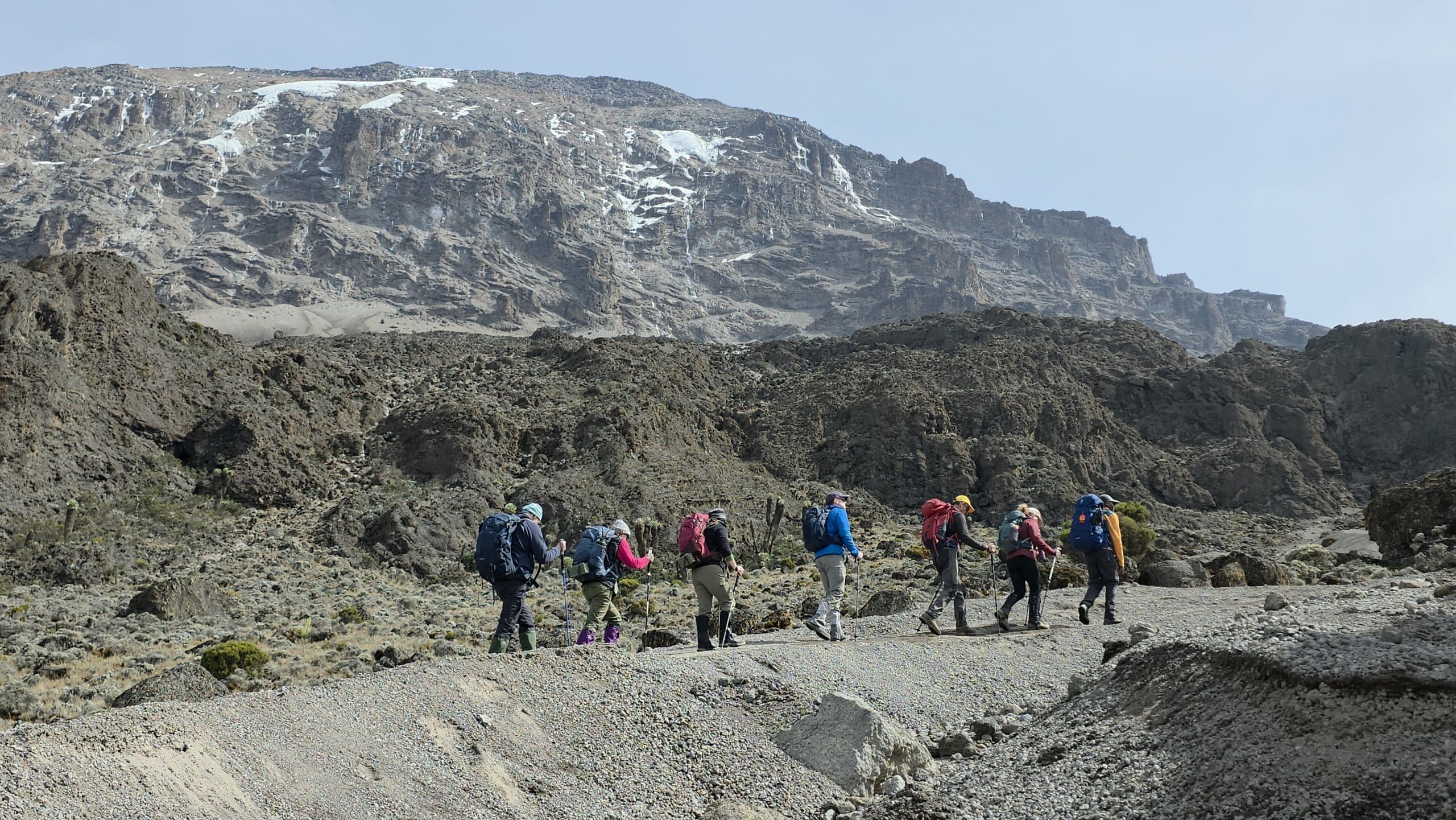

For many adventure travelers, the dream of standing on the summit of Mount Kilimanjaro feels both exciting and intimidating. The climb takes several days, the altitude is significant, and the trip requires planning and investment.
So it’s natural for people to ask:
Is climbing Kilimanjaro worth it?
For thousands of climbers every year, the answer is a clear yes. But the real reason Kilimanjaro is worth it goes far beyond reaching the summit. The entire Kilimanjaro trekking experience—the landscapes, the people, the challenge, and the sense of accomplishment is what makes the journey unforgettable.
The Kilimanjaro Trekking Experience Is Unlike Anywhere Else
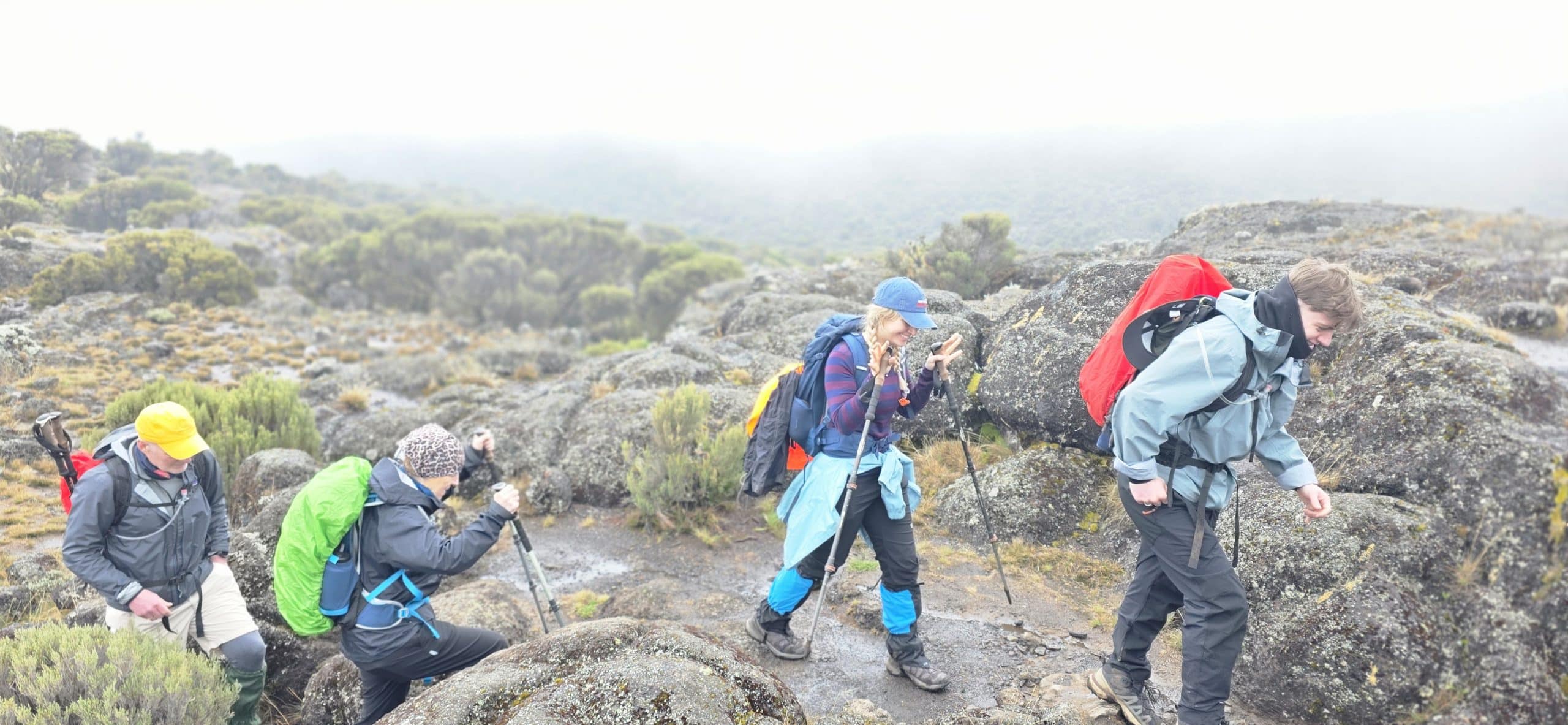
When people decide to climb Kilimanjaro, they often imagine the summit moment. But many climbers discover that the days leading up to the summit become just as meaningful.
One of the most unique parts of the Kilimanjaro trekking experience is the dramatic change in landscapes as you ascend the mountain.
During the climb you typically pass through several ecological zones:
Rainforest
The journey often begins in lush rainforest filled with towering trees, birds, and occasionally monkeys.
Moorland
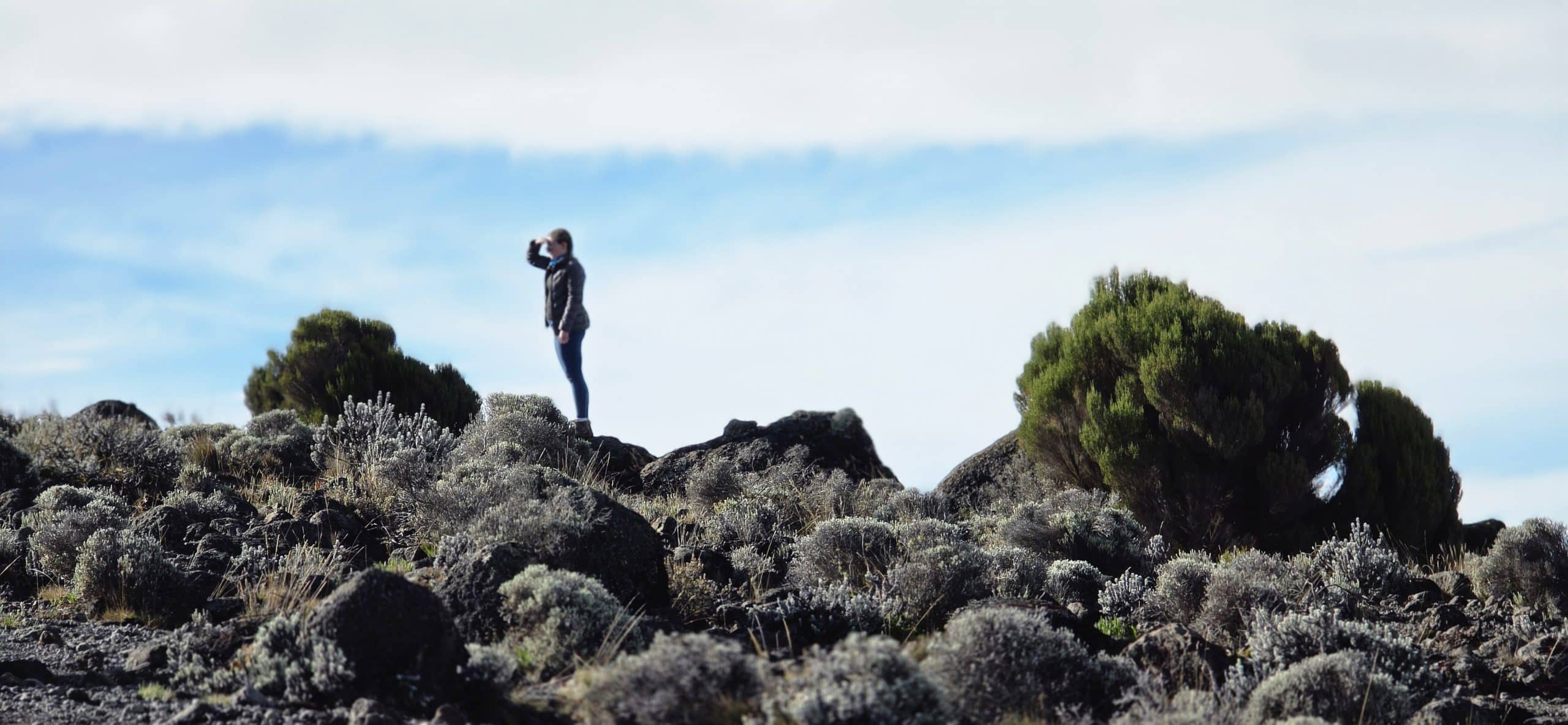
As the trail climbs higher, the forest transitions into open moorland landscapes with giant senecio plants and expansive views.
Alpine Desert
Higher elevations reveal dramatic volcanic terrain and wide skies, creating an almost otherworldly environment.
Arctic Summit Zone
The final push to the summit enters an arctic environment where glaciers and icy winds dominate the landscape.
Very few mountains in the world offer such a variety of environments in a single trek.
Who Should Climb Kilimanjaro?
Many people assume climbing Kilimanjaro is only for experienced mountaineers. In reality, many first-time climbers successfully summit each year.
Climbing Kilimanjaro may be a great adventure for:
- Hikers looking for their first high-altitude challenge
- Travelers seeking a meaningful adventure
- People celebrating milestone birthdays or life achievements
- Individuals wanting to push themselves outside their comfort zone
Because Kilimanjaro is a non-technical climb, it does not require ropes, rock climbing, or mountaineering experience.
With proper preparation, training, and pacing, many beginners are able to successfully climb Kilimanjaro.
Best Routes to Climb Kilimanjaro
Several routes lead to the summit of Mount Kilimanjaro, each offering a slightly different trekking experience.
The most popular routes include:
Machame Route
Often called the “Whiskey Route,” Machame is known for its scenic landscapes and varied terrain.
Lemosho Route
The Lemosho route is widely considered one of the most beautiful routes and offers excellent acclimatization opportunities.
The People Who Make the Climb Special
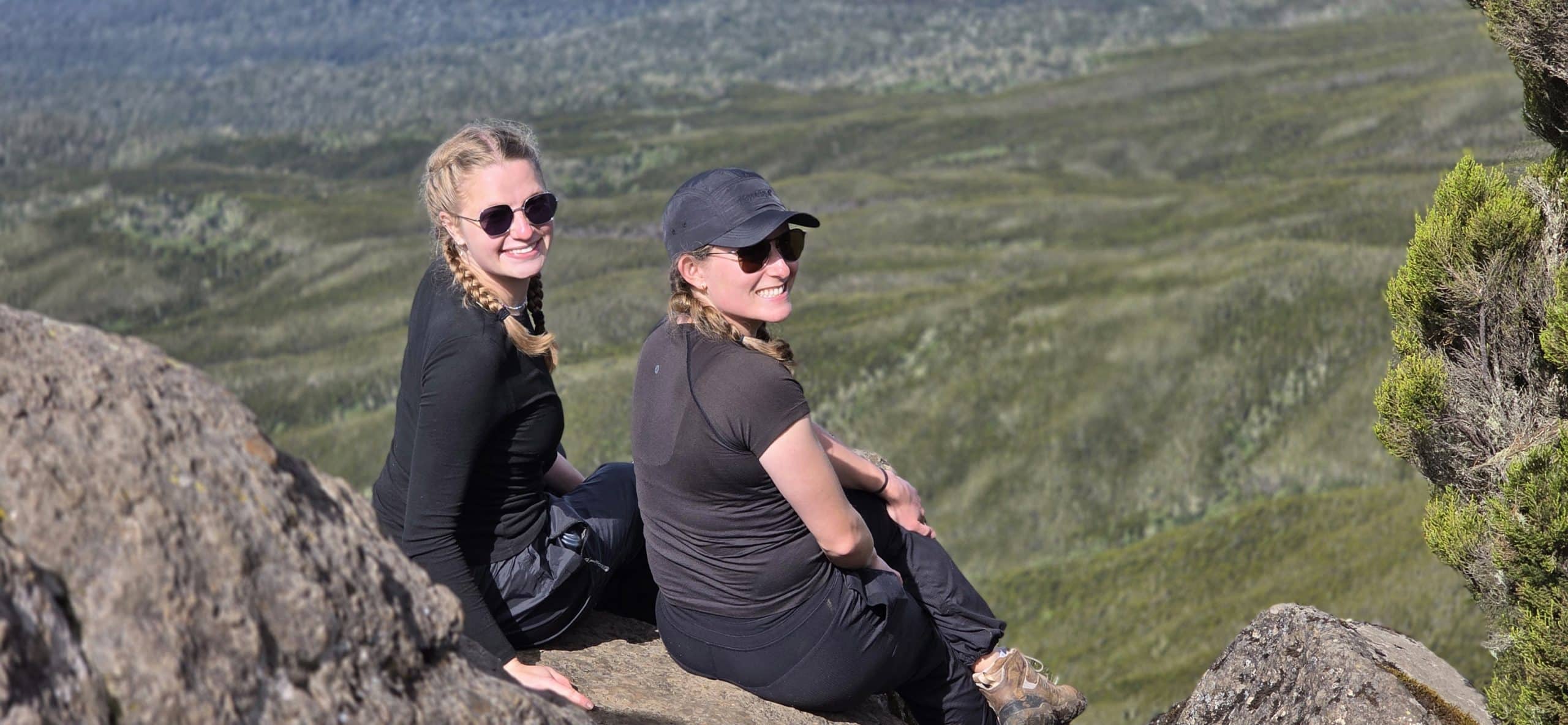
Climbing Kilimanjaro is not a solo journey. Each climber is supported by a dedicated mountain crew.
Your team typically includes:
- Professional mountain guides
- Assistant guides
- Cooks
- Porters
These individuals carry equipment, prepare meals, set up camps, and provide encouragement throughout the expedition.
Organizations such as the Kilimanjaro Porters Assistance Project promote ethical working conditions and fair treatment for porters on the mountain.
Many climbers say the warmth and spirit of the Tanzanian crew become one of the most memorable parts of the entire journey.
Understanding the Kilimanjaro Climb Cost
Another major question people ask when deciding “is climbing Kilimanjaro worth it?” is the cost.
The Kilimanjaro climb cost can vary depending on the operator, route, and level of support provided.
Typical price ranges include:
| Climb Type | Average Price |
|---|---|
| Budget operators | $1,800 – $2,400 |
| Mid-range operators | $3,000 – $3,900 |
| Premium operators | $4,000 – $6,500+ |
Companies like Climb Kili operate in the mid-range pricing category, which many climbers consider the best balance between safety, support, and price.
Climb Kili focuses on the elements that matter most for a successful climb:
- Small personalized groups
- Experienced Tanzanian guides
- Ethical porter treatment
- Strong safety systems
- Higher summit camps when possible to shorten summit night
This approach allows climbers to enjoy a high-quality expedition without paying luxury expedition prices.
Read More about Kilimanjaro Cost
Summit Morning Is an Unforgettable Experience
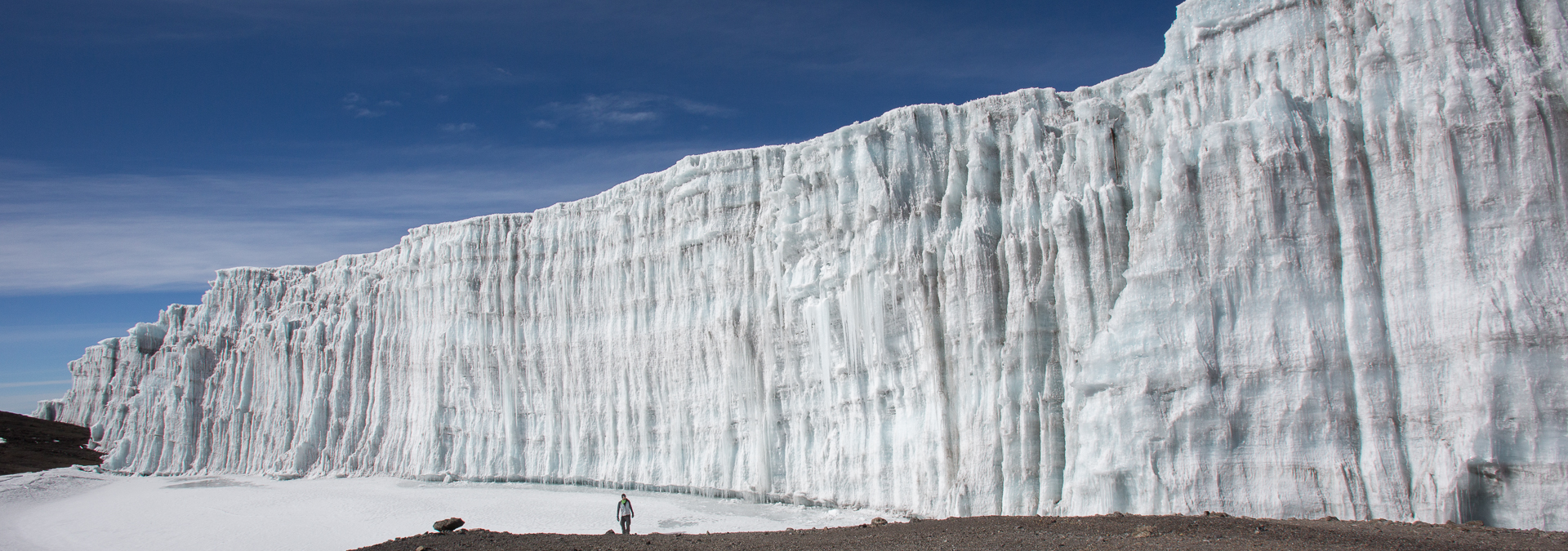
Summit night usually begins around midnight. Climbers slowly ascend the final slopes under a sky filled with stars.
The climb is quiet and steady. Step by step, the horizon begins to glow as sunrise approaches.
Reaching Uhuru Peak, the highest point on Mount Kilimanjaro, often becomes an emotional moment. Watching the sunrise from the roof of Africa is something few travelers ever experience.
Did You Know?
Mount Kilimanjaro is the tallest free-standing mountain in the world, rising 19,341 feet (5,895 meters) above sea level.
Unlike mountain ranges that form chains, Kilimanjaro stands completely on its own making it one of the most recognizable mountains on Earth.
Why Many Climbers Say Kilimanjaro Is Life-Changing
Climbing Kilimanjaro removes many of the distractions of everyday life.
There is no constant phone signal, no busy schedules, and no rush. Instead, climbers spend days walking slowly through vast landscapes.
Many people discover:
- A renewed sense of confidence
- A deeper connection with nature
- Strong friendships formed during the climb
- A reminder that big challenges can be overcome step by step
For many climbers, the summit represents something deeply personal whether it’s honoring a loved one, reaching a life milestone, or simply proving something to themselves.
FAQ: Climbing Kilimanjaro
How difficult is climbing Kilimanjaro?
Kilimanjaro is considered a challenging trek but does not require technical climbing skills. The main challenge is altitude and endurance.
How long does it take to climb Kilimanjaro?
Most climbs take 6–8 days, depending on the route and acclimatization schedule.
Do beginners climb Kilimanjaro?
Yes. Many climbers attempting Kilimanjaro have no prior mountaineering experience.
What is the success rate for Kilimanjaro?
Success rates vary by route and operator, but longer routes and experienced guides generally improve summit chances.
So… Is Kilimanjaro Worth It?
If you are looking for a relaxing vacation, Kilimanjaro may not be the right trip.
But if you want an adventure that challenges you physically, inspires you mentally, and gives you a story you will tell for the rest of your life, climbing Kilimanjaro can absolutely be worth it.
Standing at the summit of Mount Kilimanjaro, watching the sun rise across the African plains, is a moment that many climbers never forget.
For those who take the journey, Kilimanjaro becomes more than a mountain—it becomes a personal milestone and a powerful reminder of what is possible.