
Climbing Mount Kilimanjaro is often described as a non-technical trek, but that doesn’t mean success is automatic. At 19,341 feet (5,895 meters), altitude, pacing, and decision-making all play critical roles in whether climbers reach the summit safely.
This is where experienced Kilimanjaro guides make the biggest difference.
A well-trained guide team doesn’t just lead the way — they manage pacing, monitor altitude health, coordinate logistics, and make strategic decisions that significantly improve summit success.
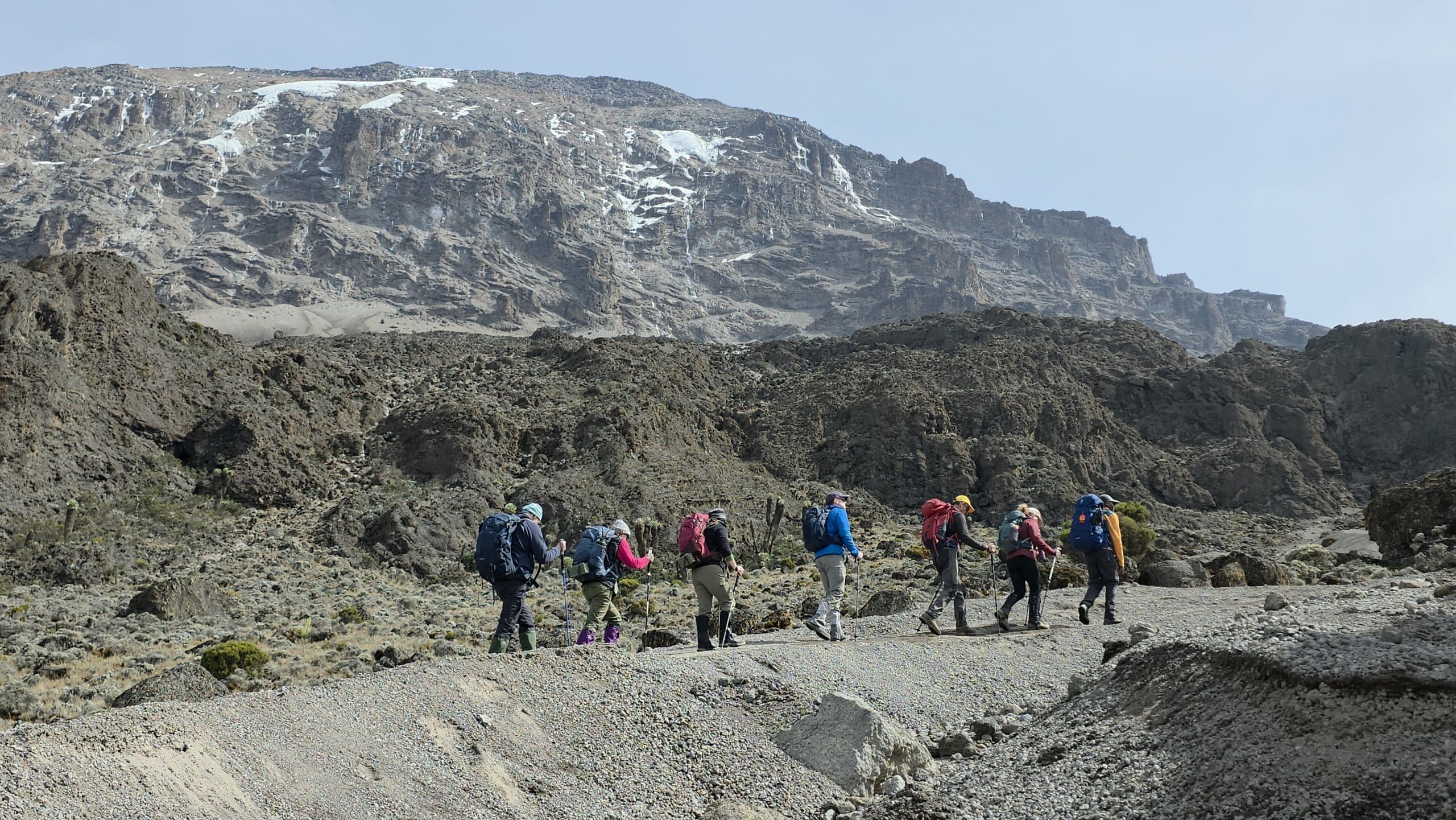
1. Guides Control the Pace (“Pole Pole”)
One of the most important strategies for success on Kilimanjaro is slow and steady pacing.
Professional guides constantly remind climbers to move “pole pole” (slowly, slowly).
Why pacing matters:
- Prevents early exhaustion
- Helps the body adapt to altitude
- Conserves energy for summit night
Many first-time climbers underestimate how slow the correct pace should be. Experienced guides set a rhythm that maximizes acclimatization.
2. Altitude Monitoring and Health Checks
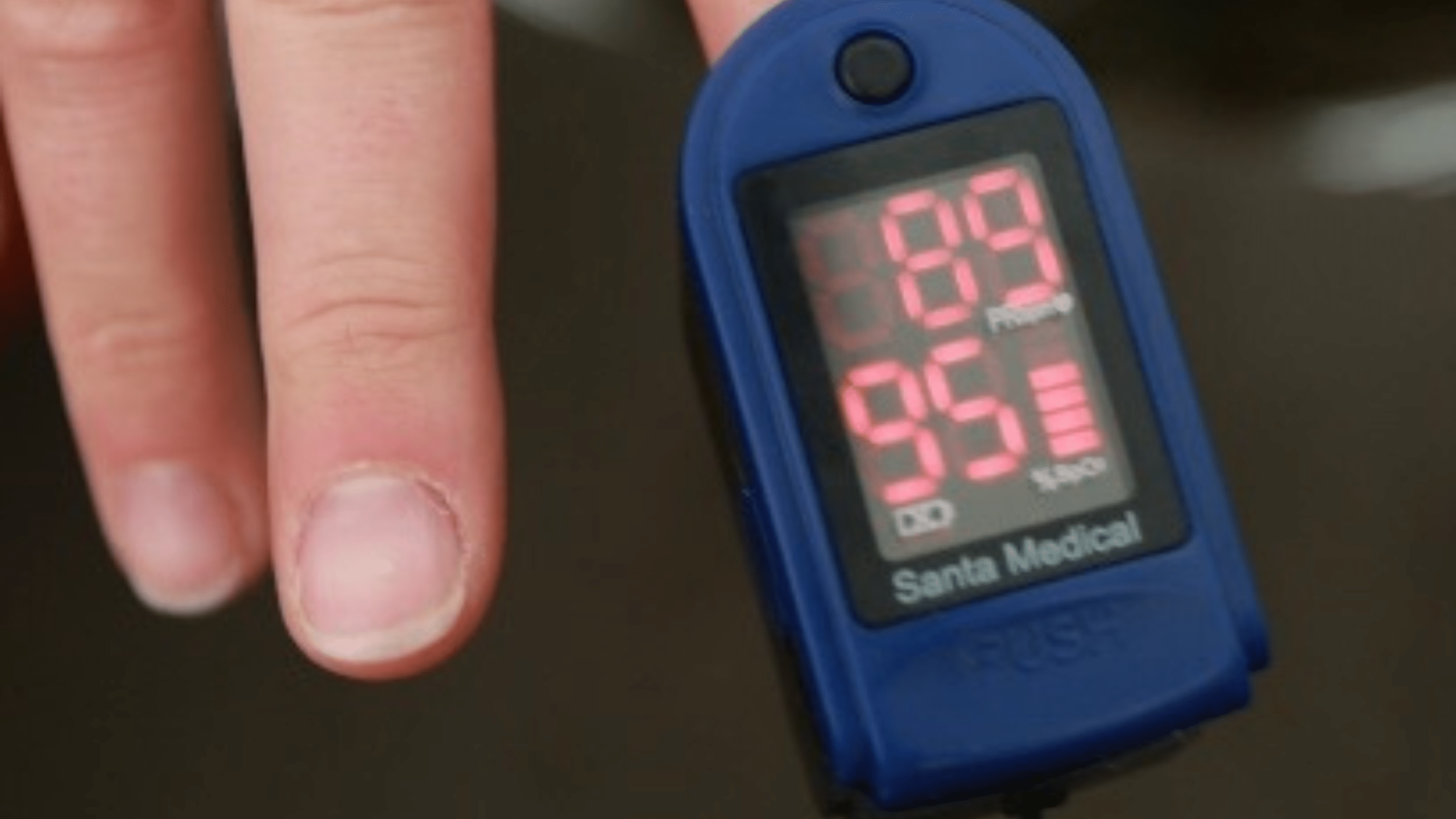
Altitude sickness is the primary challenge on Kilimanjaro. Professional guides manage this risk through structured monitoring.
Typical monitoring includes:
- Twice-daily health checks
- Pulse oximeter readings
- Symptom discussions with climbers
- Hydration reminders
These systems help guides detect altitude problems early and adjust plans before symptoms become serious.
Learn more →
https://climbkili.com/kilimanjaro-safety-guide
3. Strategic Acclimatization Planning

Guides carefully manage daily elevation gain to improve acclimatization.
This includes:
- Climb high, sleep low strategies
- Rest stops at key elevation points
- Conservative pacing on steep sections
Routes like Lemosho and Machame are especially effective because they allow for better acclimatization.
Route comparison →
https://climbkili.com/lemosho-vs-machame-summit-success
4. Summit Night Strategy
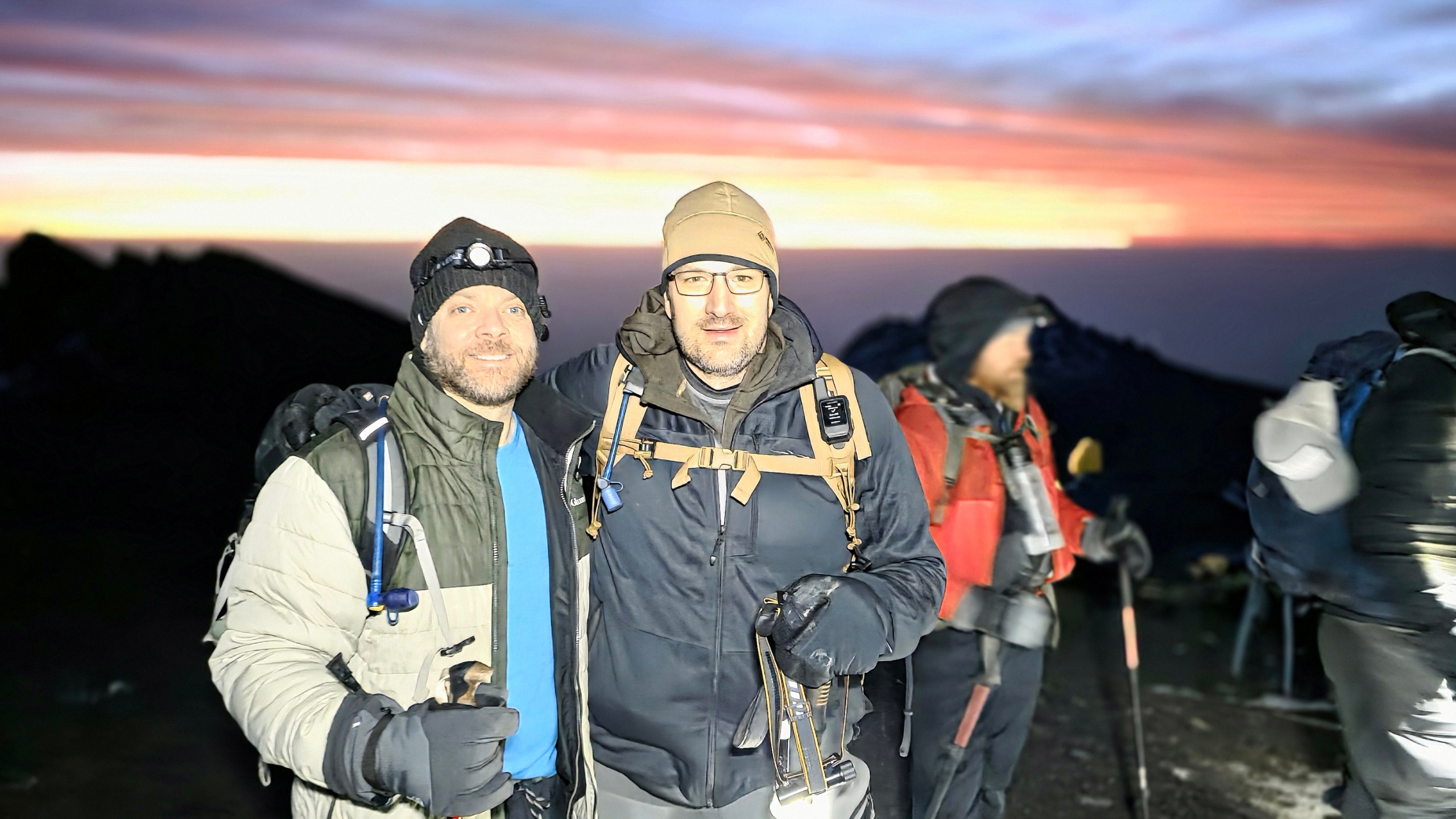
Summit night is the most physically and mentally demanding part of the climb.
Experienced Kilimanjaro guides manage this phase carefully by:
- Controlling the departure time
- Setting a slow, steady pace
- Monitoring climbers closely for altitude symptoms
- Providing encouragement during difficult moments
These decisions help climbers conserve energy and maintain focus during the final push to Uhuru Peak.
5. Emergency Response and Safety Systems
Professional guide teams carry critical safety equipment such as:
- Emergency oxygen
- Medical kits
- Communication radios
- Pulse oximeters
In the rare case of altitude complications, trained guides can quickly respond and initiate descent protocols.
Safety infrastructure dramatically improves expedition safety and confidence.
6. Psychological Support on the Mountain
Climbing Kilimanjaro is as much a mental challenge as a physical one.
Guides play an important role in maintaining morale by:
- Encouraging climbers during difficult sections
- Helping manage fatigue and doubt
- Reinforcing pacing discipline
Many climbers say their guide’s encouragement was the reason they reached the summit.
7. Experience With Changing Conditions
Weather, altitude reactions, and group dynamics can change quickly on the mountain.
Experienced Kilimanjaro guides know how to:
- Adjust pace based on group performance
- Modify schedules when necessary
- Evaluate when to continue or descend
This experience helps keep climbers safe while maximizing summit chances.
Why Guide Quality Matters
Many climbers focus on route selection or training, but guide quality may be the most important factor for summit success.
A professional guiding team provides:
- Medical monitoring
- Altitude expertise
- Strategic pacing
- Emergency readiness
- Leadership and morale support
Together, these factors significantly increase the probability of a safe and successful climb.
How Climb Kili Supports Summit Success
Climb Kili structures its expeditions to support climbers through:
- Small groups (maximum 6 climbers)
- 1 guide for every 2–3 climbers
- Twice-daily health monitoring
- Emergency oxygen on every climb
- Guides trained in high-altitude safety
- Ethical operations aligned with KPAP standards
These systems help climbers focus on the journey while guides manage safety and strategy.
Final Thoughts
Climbing Kilimanjaro is a powerful and achievable adventure but success rarely happens by chance.
Experienced guides increase summit success by combining altitude knowledge, pacing strategy, safety systems, and leadership.
With the right guide team beside you, the journey to Africa’s highest peak becomes safer, smoother, and far more rewarding.
Tutaonana juu ya mlima (See you on the mountain) 💚🏔️