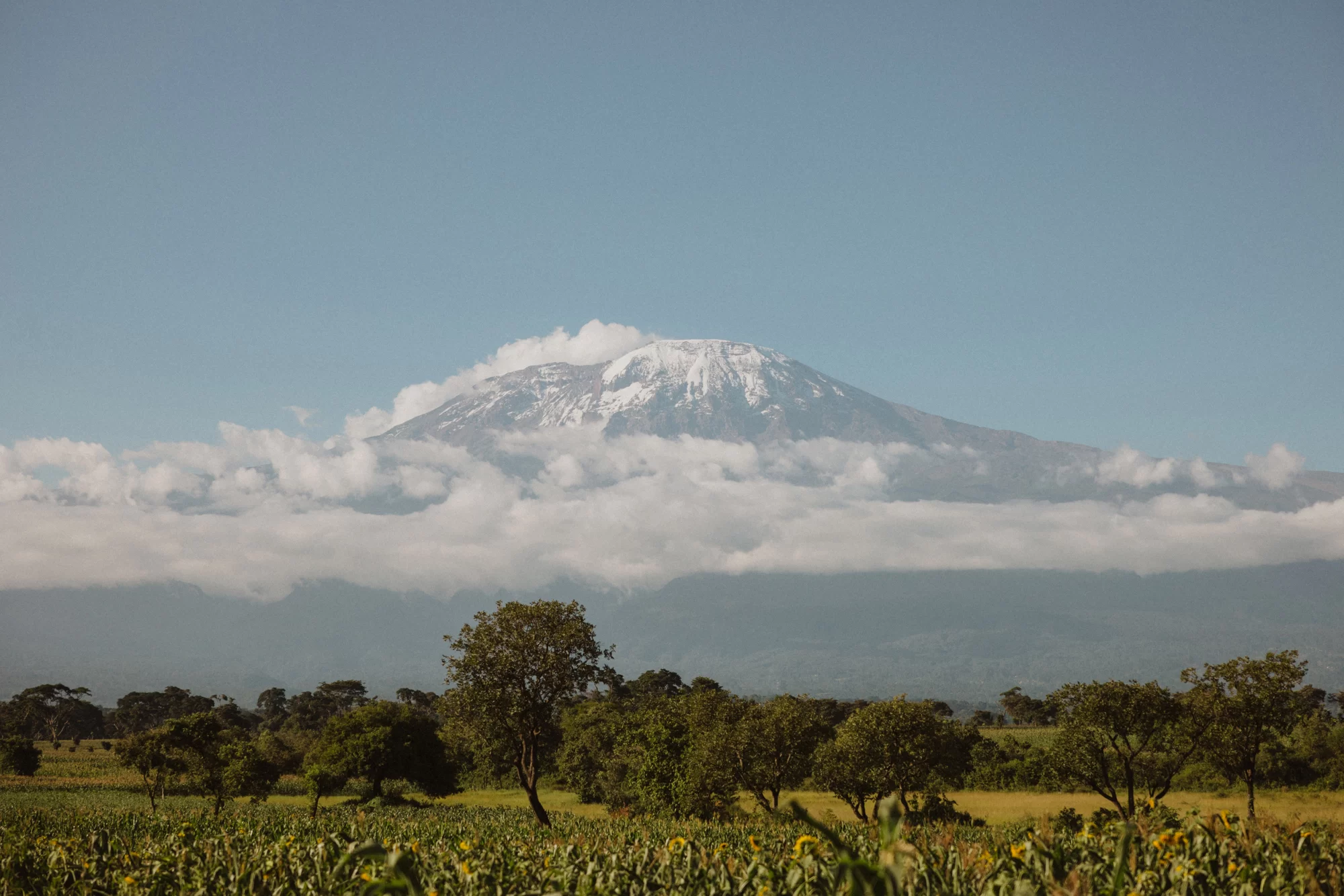
If you’re planning to summit Kilimanjaro in 2026, you’re likely wondering when the best time of year is to embark on this life-changing adventure. As the tallest mountain in Africa, Kilimanjaro offers breathtaking views, diverse landscapes, and the unforgettable experience of reaching its snow-capped summit. However, choosing the right time to climb can make a significant difference in your experience.
This guide will help you plan your Kilimanjaro trek for 2026, factoring in weather, crowd levels, and overall summit success rates.
Kilimanjaro’s Climbing Seasons
Due to its location near the equator, Kilimanjaro doesn’t experience four traditional seasons. Instead, it has two dry seasons and two rainy seasons. Understanding these patterns will help you choose the best time for your summit attempt.
Dry Season (Best Time to Climb)
- January to mid-March
- June to October
These periods offer more stable weather, reduced rainfall, and clearer skies—ideal conditions for trekking and higher summit success rates.
Rainy Season (More Challenging Conditions)
- Mid-March to May
- November to December
During the rainy seasons, trails can be muddy, visibility may be reduced, and cloud cover is more common. These months are best suited for experienced trekkers seeking fewer crowds and a more rugged adventure.
Best Months for Climbing Kilimanjaro in 2026
1. January to Mid-March 2026
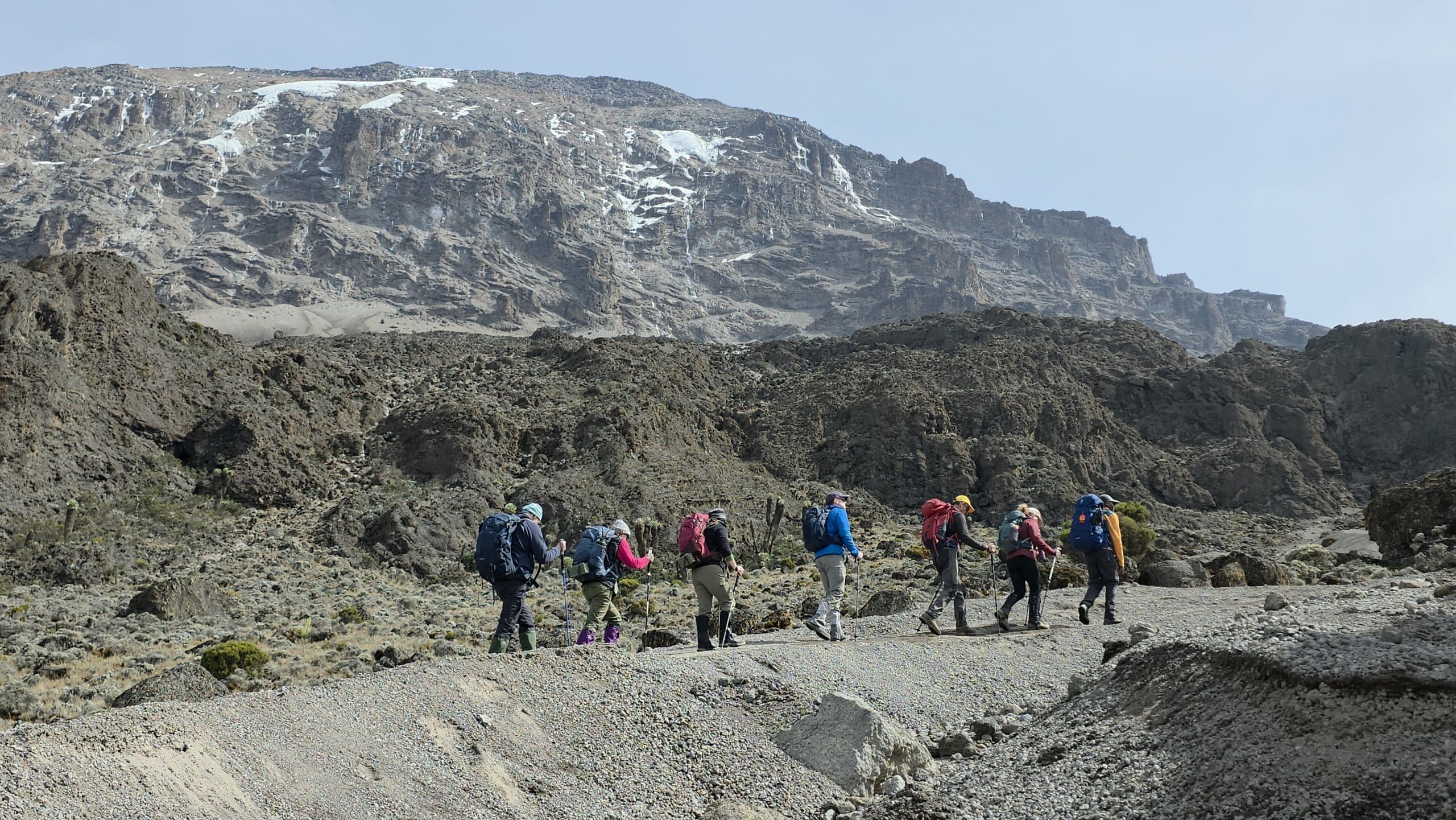
This is an excellent window if you want fewer crowds without sacrificing good conditions. Weather is generally stable, and while snow may appear at higher elevations, it’s manageable. Lower slopes are lush and green, making the climb especially scenic.
Advantages:
- Fewer climbers compared to peak season
- Beautiful landscapes at lower elevations
- Moderate temperatures and lighter rainfall
Pro Tip: Book early to secure your preferred route and guide availability.
2. June to October 2026 (Peak Season)
This is the most popular time to climb Kilimanjaro. With dry weather and clear skies, it offers some of the best summit conditions of the year. However, popular routes can be busier, especially in July, August, and September.
Advantages:
- Most reliable weather
- Clear summit views
- Strong acclimatization conditions
Keep in Mind: Availability fills quickly—advance planning is essential.
3. Mid-March to May 2026 (Long Rains)
This period is quieter and more demanding. Trails can be slick, and summit success rates are generally lower due to weather conditions. However, climbers who value solitude may appreciate this season.
Advantages:
- Very few crowds
- A more adventurous experience
Challenges:
- Muddy trails
- Increased chance of rain and storms
4. November to December 2026 (Short Rains)
Weather during these months can be unpredictable. Some days are clear, while others bring rain at lower elevations and snow near the summit.
Advantages:
- Fewer trekkers
- Occasional clear summit days
Challenges:
- Variable weather
- Slippery rainforest trails
Factors to Consider When Planning Your 2026 Climb
Fitness and Training
Kilimanjaro requires endurance and consistency rather than technical climbing skills. Regardless of season, proper training is essential.
Crowd Levels
For a quieter experience, consider January, February, early March, or November rather than peak summer months.
Personal Preferences
- Prefer lush scenery? January–March
- Want the clearest summit views? June–October
Budget
Peak season climbs tend to be more expensive. Shoulder months can offer slightly better pricing and availability.
Why Choose Climb Kili for Your 2026 Kilimanjaro Adventure?
Climb Kili is a locally owned, guide-led operation focused on safety, acclimatization, and personalized support. Our experienced mountain teams, small group sizes, and thoughtful itineraries are designed to give climbers the best possible chance of reaching Uhuru Peak—no matter the season.
Final Thoughts
For most climbers, the best time to summit Kilimanjaro in 2026 is during the dry seasons: January to mid-March and June to October. That said, every season offers something different, and the right choice depends on your goals, flexibility, and sense of adventure.
Ready to climb Kilimanjaro in 2026?
Plan early, train well, and choose a team that knows the mountain inside and out.