Short answer: No. It does not rain all day in November on Kilimanjaro. Rain is usually brief, localized, and most common in the rainforest zone—often leaving plenty of dry hiking windows.
If you’re considering hiking Kilimanjaro in November, you’ve likely heard one thing on repeat: “That’s the rainy season.”
The reality is more nuanced—and for the right climber, November can be a quiet, scenic, and rewarding time on the mountain.
November is considered a shoulder season on Kilimanjaro, similar to other quieter months we outline in our guide to the best time to climb Mount Kilimanjaro:
Why November Has a “Rainy Season” Reputation
November falls during Tanzania’s short rains, which are very different from the heavy rains of April and May.
On Kilimanjaro, this typically means:
- brief, intermittent showers
- more cloud cover
- rain that often arrives in the afternoon or evening
- many dry stretches during the day
It rarely means nonstop rain from morning to night. Most climbers are surprised by how much hiking time stays dry.
November Rain: Myth vs Reality
- Myth: It rains all day, every day
Reality: Rain usually comes in short bursts - Myth: The whole mountain is wet
Reality: Rain is most common in the rainforest; it decreases as you climb - Myth: Summit conditions are rainy
Reality: Rain is rare at altitude; cold, wind, and occasional snow are more typical
What November Weather Is Really Like Zone by Zone
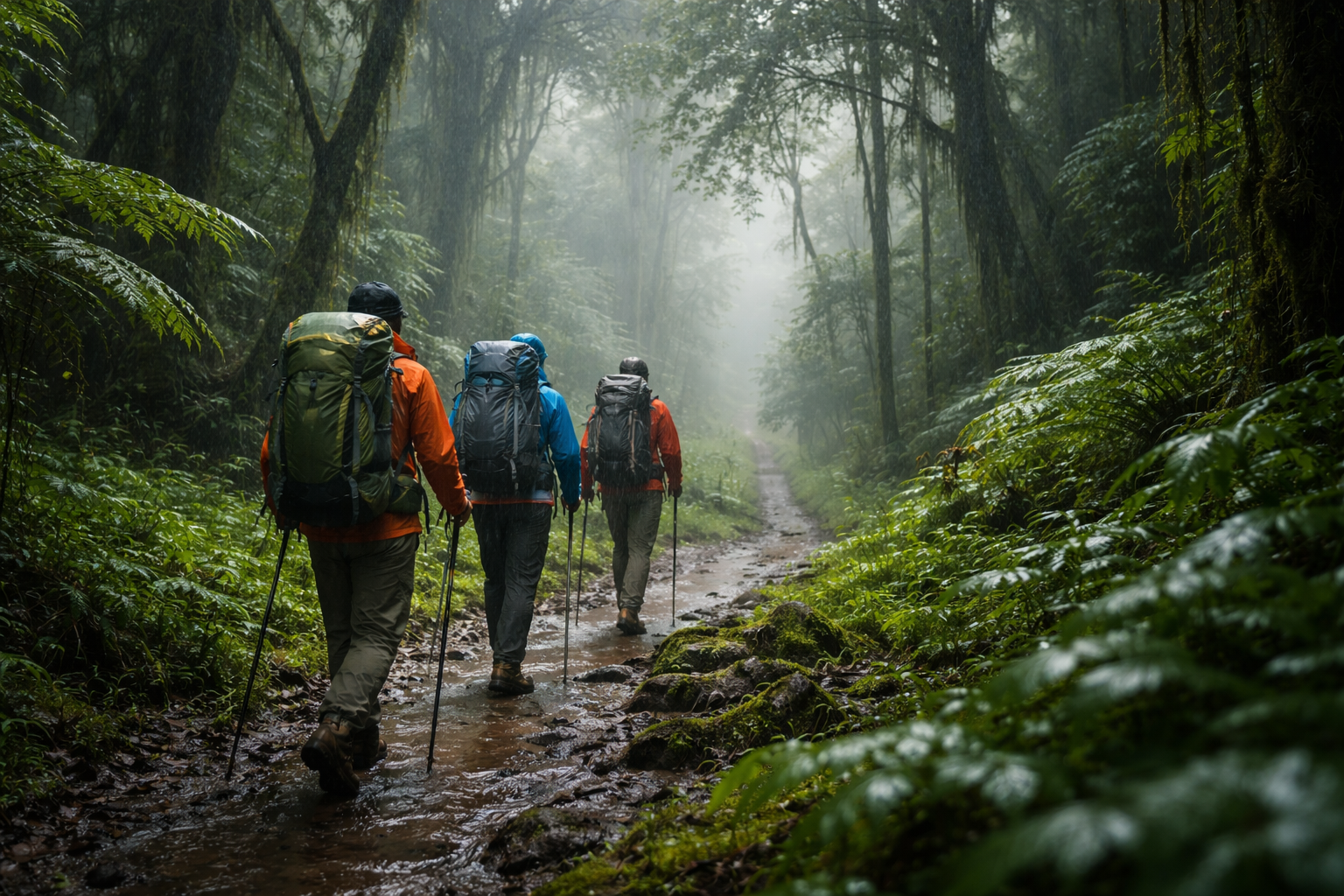
🌿 Rainforest Zone (Lower Slopes)
This is where rain is most likely.
- damp trails
- misty, lush forest
- occasional light rain
Upside: The forest is vibrant, green, and alive one of its most beautiful states.
🌾 Moorland & Alpine Desert
As you climb higher:
- rainfall drops significantly
- clouds often lift
- hiking conditions improve
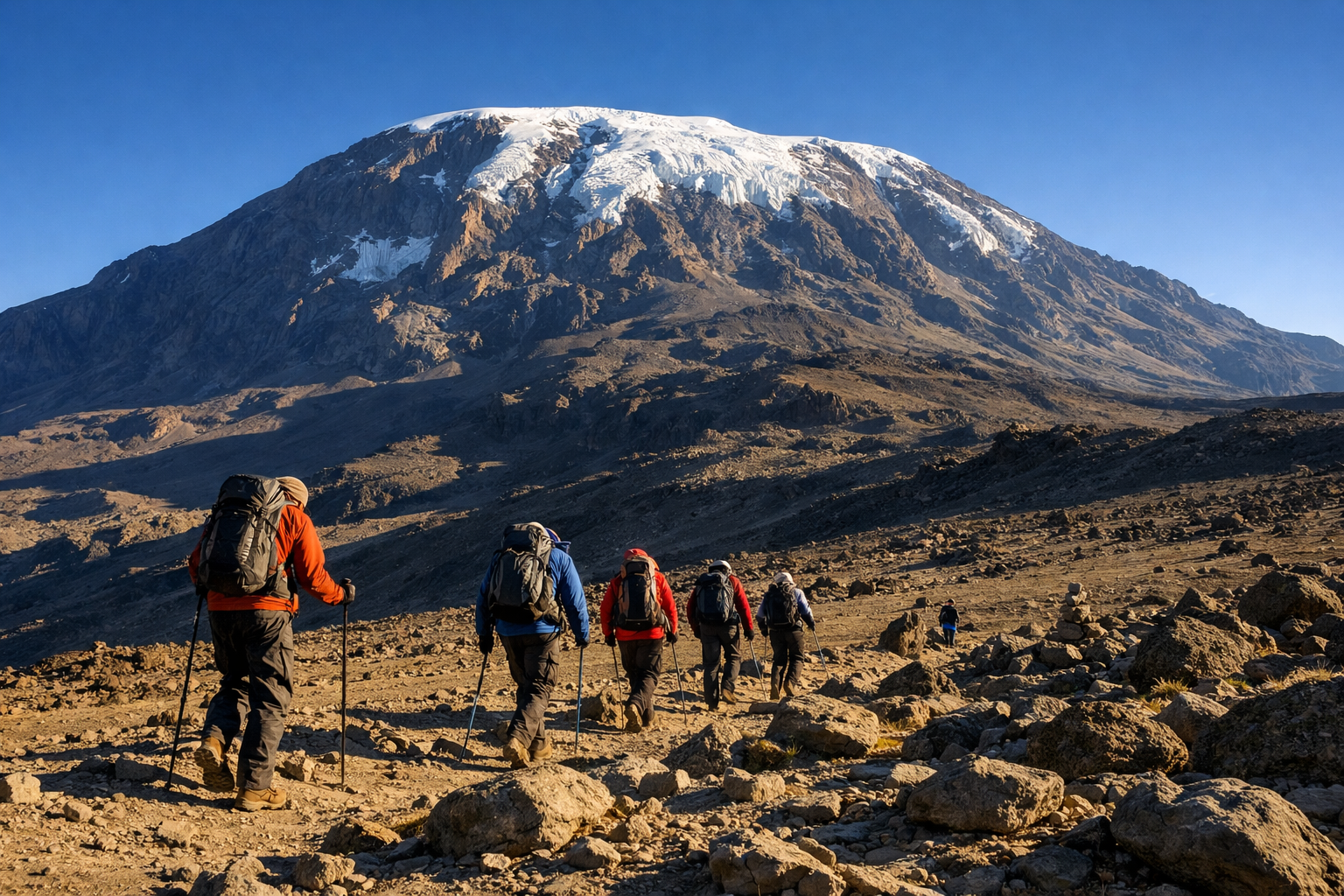
Many November climbers enjoy clear stretches above the forest.
❄️ Summit Zone
Rain is uncommon at altitude.
- cold temperatures
- wind
- possible snow or ice (a year-round possibility)
November summit nights can be clearer than expected, especially after earlier moisture settles dust in the air.
Does Rain Ruin the Climb?
Not at all—if you’re prepared.
November rain is usually:
- light
- short-lived
- manageable with the right gear
What matters most:
- quality rain protection
- experienced guides who adjust timing and pace
- realistic expectations
If you’re unsure what to pack, our complete Kilimanjaro packing list breaks down rain gear, layers, and essentials by zone and season:
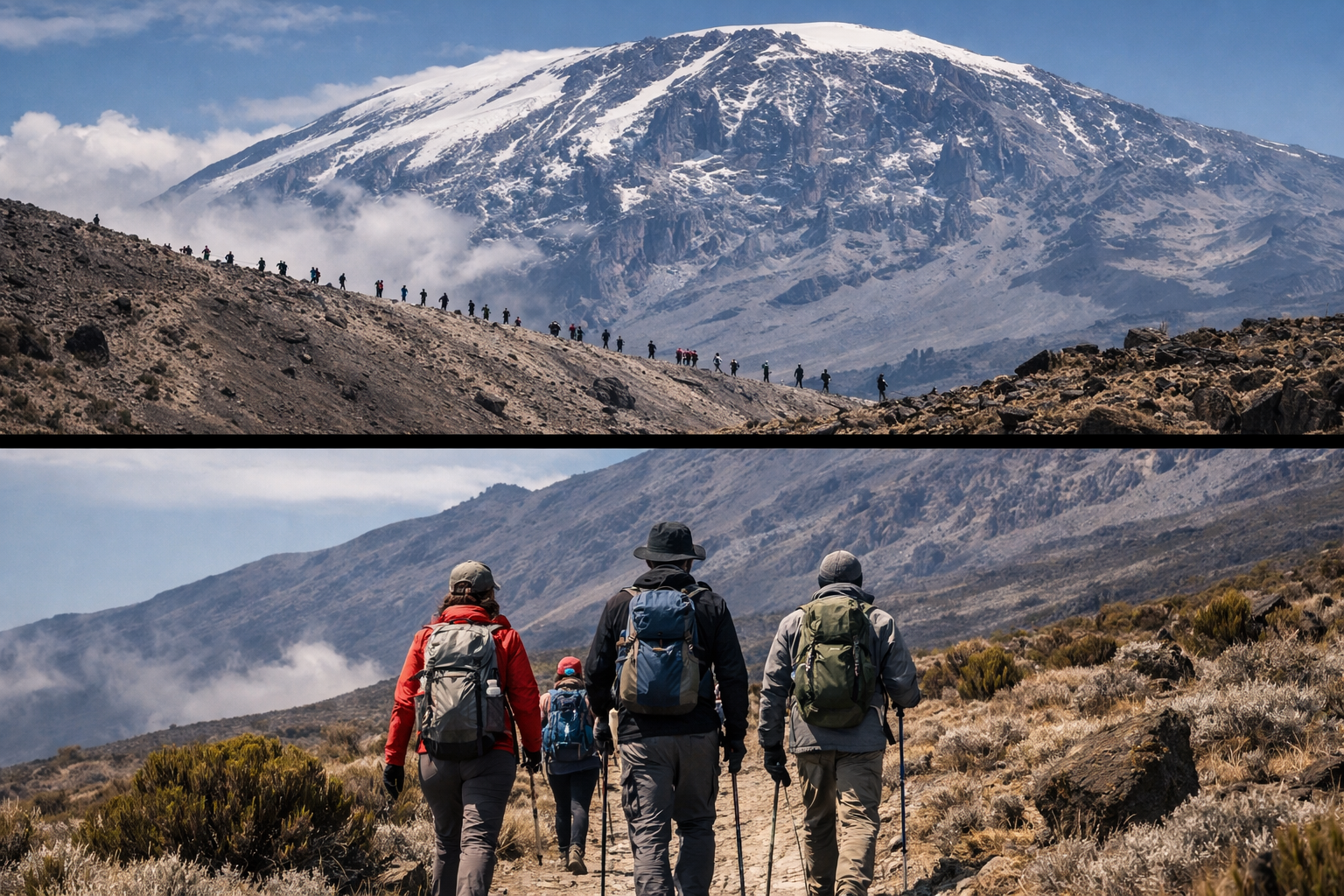
Many climbers describe November as calmer and more personal than peak months.
Why Some Climbers Love November
🧘 Fewer Crowds
November is a shoulder season, which often means:
- less traffic on popular routes
- quieter camps
- a more peaceful mountain experience
🌄 Dramatic Scenery
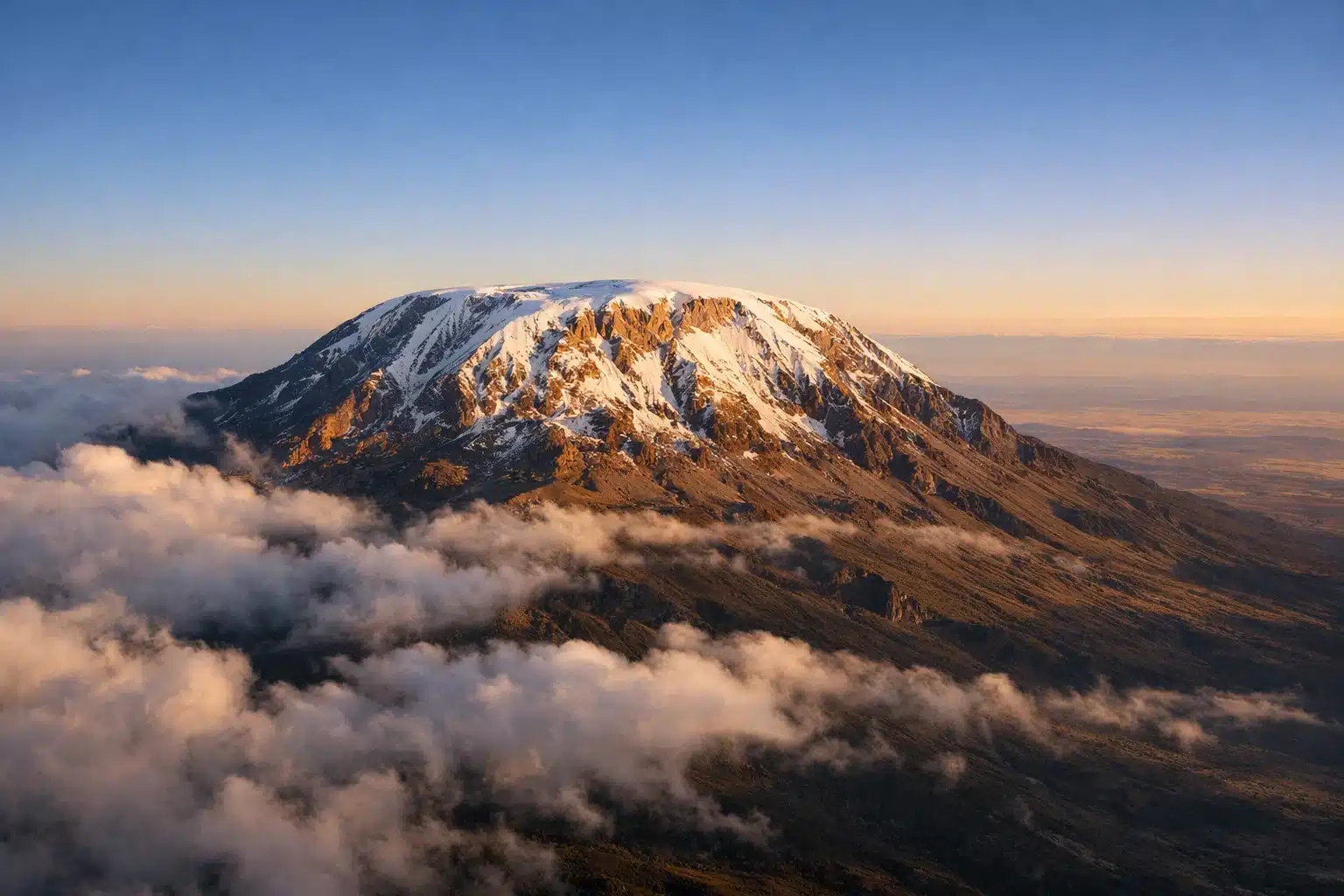
Moving clouds create:
- moody skies
- dramatic light
- standout photos
Some of the most striking Kilimanjaro images are captured in November.
🐘 Easy Safari Pairing
November transitions nicely into safari:
- greener landscapes
- active wildlife
- fewer vehicles in parks
It’s a great climb + safari window.
November Gear That Matters Most (Snapshot)
You don’t need special equipment just the right basics:
- waterproof jacket and pants
- pack rain cover
- quick-dry layers
- trekking poles for slick sections
Preparedness makes rain feel manageable not intimidating.
A Guide’s Perspective
Guides often say November rain is easier to manage than wind and dust during peak dry months. With smart pacing and timing, showers rarely interrupt the overall rhythm of the climb.
Who November Is (and Isn’t) Best For
November is great if you:
- don’t mind occasional rain
- want fewer crowds
- enjoy atmosphere and scenery
- value flexibility over predictability
November may not be ideal if you:
- want guaranteed dry weather every day
- dislike mud or damp conditions
- feel anxious about variable forecasts
November rewards flexibility more than perfection.
FAQs About Hiking Kilimanjaro in November
Does rain cancel climbs in November?
No. Climbs continue as planned; guides adapt timing and pace.
Which routes work well in November?
Routes with good acclimatization profiles and varied terrain perform well in shoulder seasons, such as the Lemosho Route and Machame Route:
Is November riskier than peak season?
Not when properly guided and equipped. Conditions are different not inherently worse.
The Takeaway
November is not constantly rainy and it’s far from a bad time to hike Kilimanjaro. It offers a different experience: quieter trails, dramatic skies, and a calmer mountain.
November doesn’t hide Kilimanjaro it shows a quieter side of it