
Introduction
“Can I really climb Kilimanjaro?”
It’s one of the most common questions women ask before booking their trek. Whether you’re worried about fitness, altitude, safety, or simply stepping outside your comfort zone, you’re not alone.
The good news? Every year, thousands of women from around the world successfully reach Uhuru Peak. Some are experienced hikers, while others have never attempted a multi-day trek before. What they often discover is that climbing Kilimanjaro is about much more than reaching the summit—it’s about proving to yourself that you’re capable of more than you ever imagined.
If you’re considering climbing Kilimanjaro as a woman, you may be wondering if you’re fit enough, what summit night is really like, or whether the mountain is safe for solo female travelers. These are all valid concerns. Understanding how hard it is to climb Kilimanjaro, choosing the right route, and preparing properly can make a tremendous difference in your experience and your chances of reaching the summit.
1. You Don’t Need to Be an Athlete
One of the biggest myths about Kilimanjaro is that only elite athletes can make it to the top.
In reality, many successful climbers are teachers, nurses, mothers, business owners, retirees, and everyday adventurers. What matters most isn’t speed or athletic ability—it’s consistency.
The women who do best on the mountain are often those who:
- Train steadily before their climb
- Listen to their guides
- Pace themselves properly
- Stay positive during challenging moments
Kilimanjaro rewards determination far more than athletic talent.
2. Kilimanjaro Is Generally Very Safe for Women
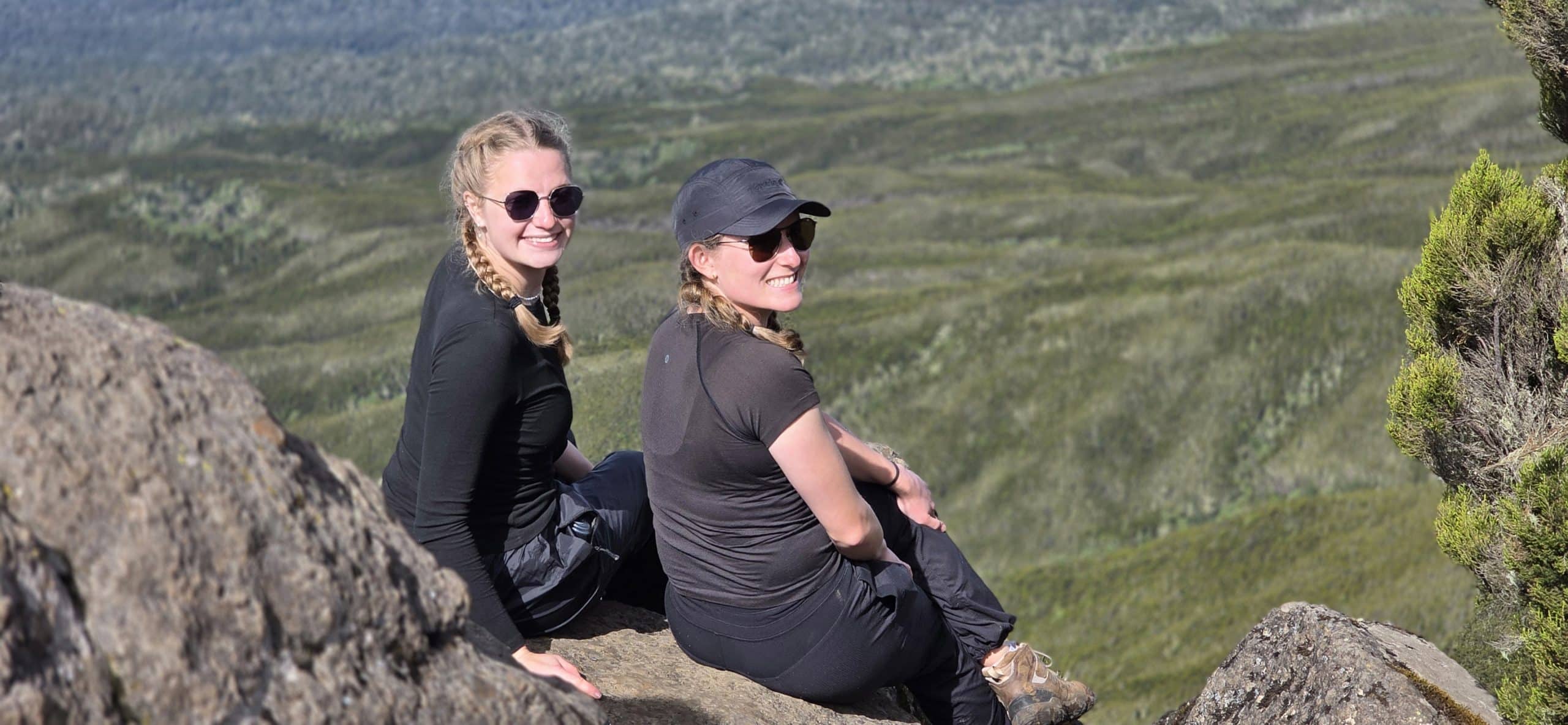
A major concern for many travelers is Kilimanjaro safety for women, especially for those traveling solo.
The mountain itself is one of the safest adventure travel destinations in Africa when climbed with a reputable operator. Climbers are accompanied by professional guides, cooks, and porters throughout the expedition.
Many women travel alone and join group departures, quickly forming friendships with other climbers.
Choosing an experienced guiding company with strong safety protocols is one of the most important decisions you’ll make.
3. Altitude Is the Real Challenge
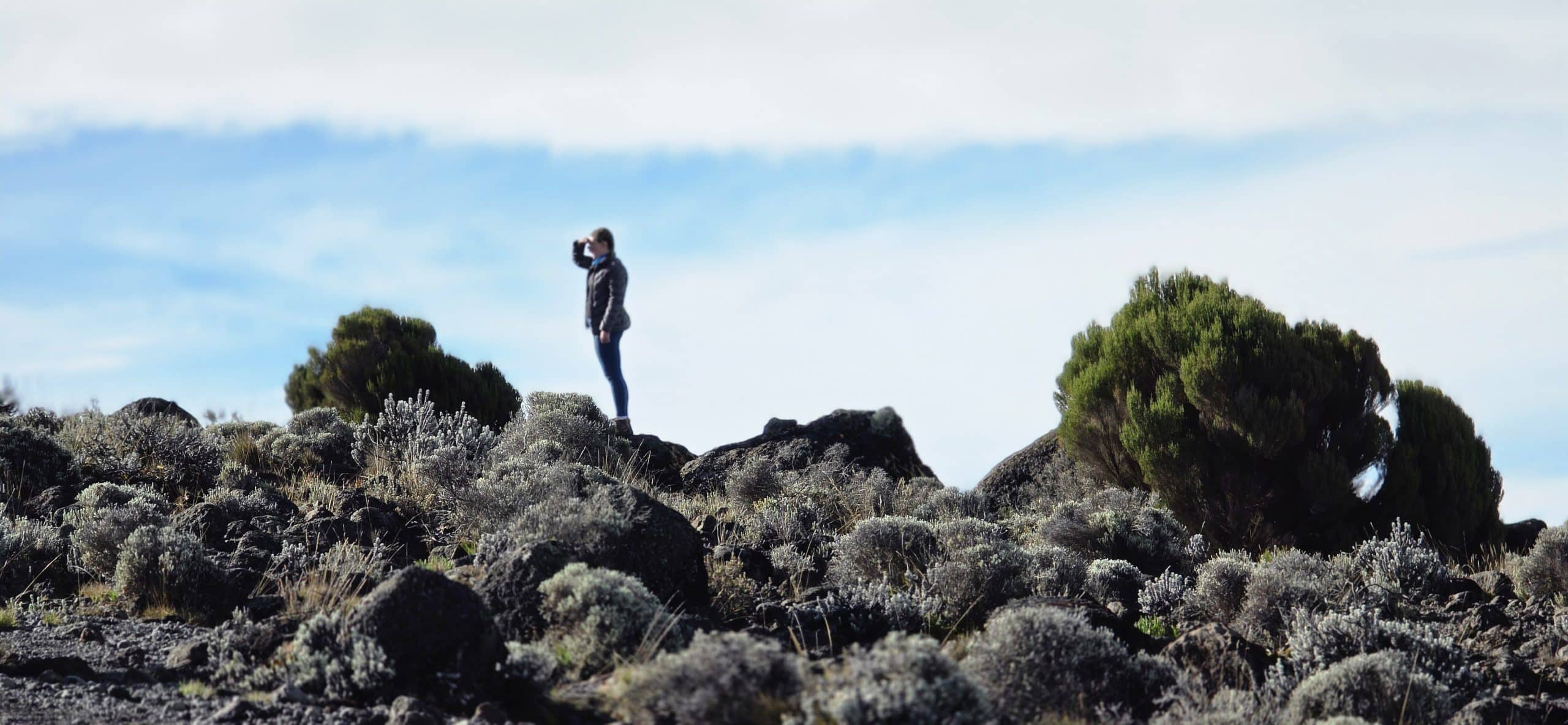
Most people assume the hardest part of Kilimanjaro is the hiking.
In reality, altitude is usually the biggest obstacle.
At 19,341 feet (5,895 meters), Kilimanjaro is high enough for almost anyone to feel the effects of reduced oxygen. Even very fit climbers can experience altitude-related symptoms.
Common symptoms include:
- Headaches
- Fatigue
- Loss of appetite
- Difficulty sleeping
The key is choosing a route that allows for proper acclimatization and maintaining a slow, steady pace throughout the climb. Understanding the symptoms and prevention strategies for altitude sickness before your trip can significantly improve your chances of a successful summit.
Choosing the Right Route Matters
One of the best ways to improve your chances of success is selecting a route with excellent acclimatization.
At Climb Kili, the Lemosho and Machame routes are among the most popular choices because they provide more time on the mountain and a gradual ascent profile. These routes consistently produce higher summit success rates than shorter itineraries.
If you’re deciding between them, comparing the Lemosho Route and Machame Route can help you choose the option that best fits your experience level, schedule, and goals.
4. Summit Night Is Tough But So Is Everyone Else
The climb to Uhuru Peak begins around midnight.
You’ll be hiking in darkness, often in freezing temperatures, while your body is already tired from several days on the mountain.
Many women worry that they won’t be strong enough.
The truth? Almost everyone struggles on summit night.
What surprises many climbers is that mental resilience becomes more important than physical strength. Taking one step at a time, focusing on your breathing, and trusting your guides can carry you much farther than you think.
If you’re nervous about the final ascent, learning what happens during summit night on Kilimanjaro beforehand can help remove much of the uncertainty and make the experience feel more manageable.
5. Let’s Talk About Bathrooms
This is one question many women have but rarely ask.
Kilimanjaro is a wilderness expedition, which means bathroom facilities are basic.
Public campsites have shared toilets that vary in condition. Many climbers choose operators that provide private portable toilets for added comfort and hygiene.
Helpful items to bring include:
- Hand sanitizer
- Wet wipes
- Toilet paper
- Small hygiene kit
Most women adapt quickly and find it’s far less intimidating than they imagined.
6. Yes, You Can Climb During Your Period
Many women successfully summit Kilimanjaro while on their period.
If your cycle happens to coincide with your trek, there’s usually no reason to change your plans.
Helpful tips include:
- Pack extra supplies
- Bring disposal bags
- Stay hydrated
- Use products you’re already comfortable with
Travel, altitude, and physical exertion can sometimes affect menstrual cycles temporarily, but this is generally normal.
7. What You Pack Matters
One of the most important aspects of Kilimanjaro for women is packing correctly.
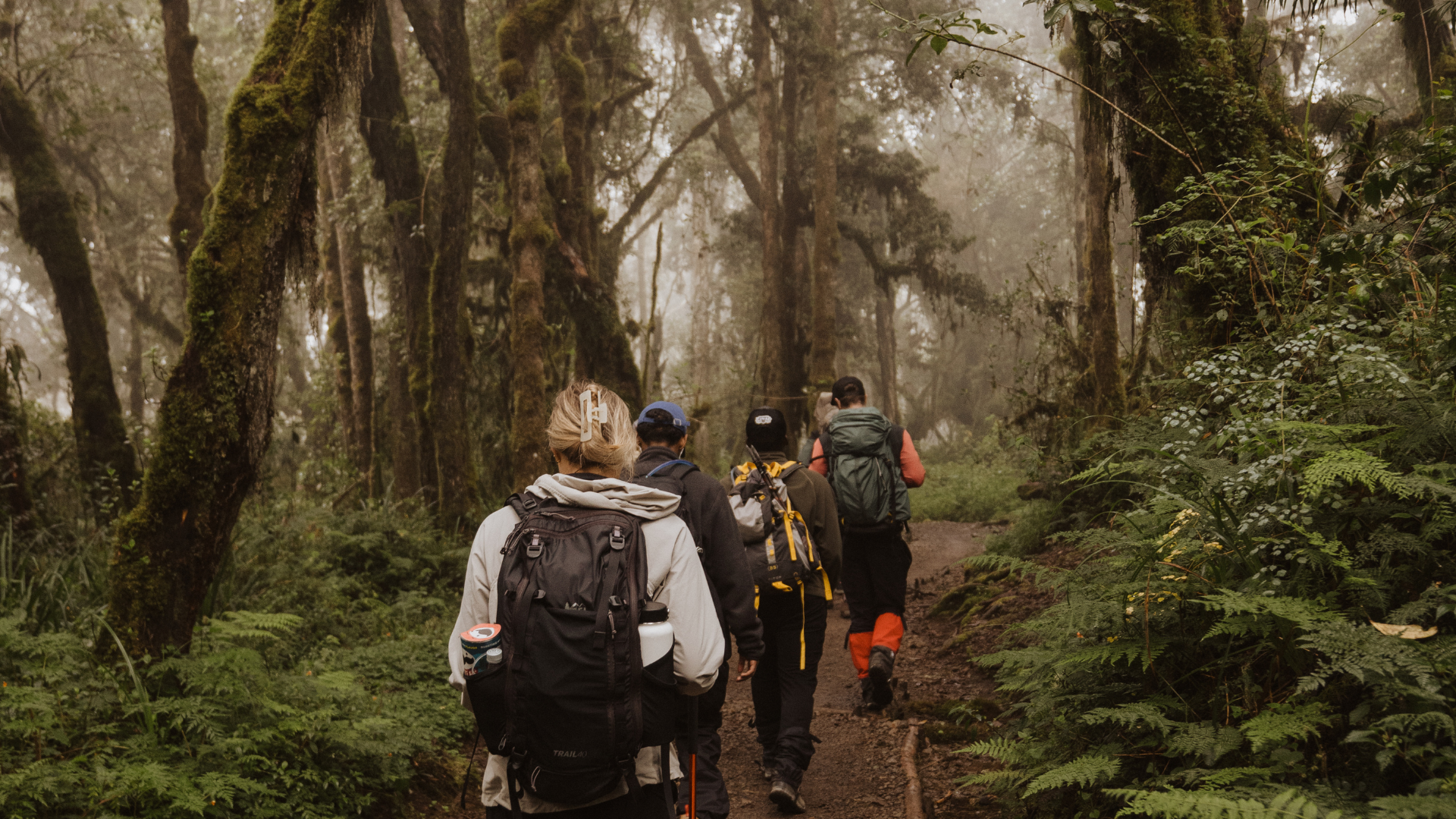
The mountain passes through several climate zones, meaning you’ll experience everything from warm rainforest conditions to freezing summit temperatures.
Having the right gear can dramatically improve your comfort and confidence throughout the trek. Before departure, review a complete Kilimanjaro packing list to ensure you’re prepared for everything from afternoon rain showers to summit temperatures well below freezing.
Clothing
- Moisture-wicking base layers
- Insulated down jacket
- Waterproof shell
- Warm gloves
- Thermal layers
Personal Items
- Lip balm
- Sunscreen
- Moisturizer
- Wet wipes
- Personal medications
Comfort Items
- Comfortable sports bras
- Lightweight camp clothes
- Extra socks
Small comfort items can make a surprisingly big difference during a multi-day expedition.
8. The Friendships Are Unexpectedly Powerful
One of the most rewarding parts of the experience has nothing to do with the summit.
The mountain creates a unique sense of community.
Over the course of several days, strangers become teammates. You’ll share meals, encourage each other during difficult moments, and celebrate milestones together.
Many female Kilimanjaro climbers say the friendships they formed on the mountain became one of the most memorable parts of the journey.
9. Age Matters Less Than You Think
Women of all ages successfully climb Kilimanjaro every year.
It’s common to see climbers in their 20s hiking alongside climbers in their 60s and 70s.
In many cases, older climbers perform exceptionally well because they understand pacing, patience, and mental toughness.
Success on Kilimanjaro isn’t about being young—it’s about being prepared.
10. The Summit Changes More Than Your Elevation
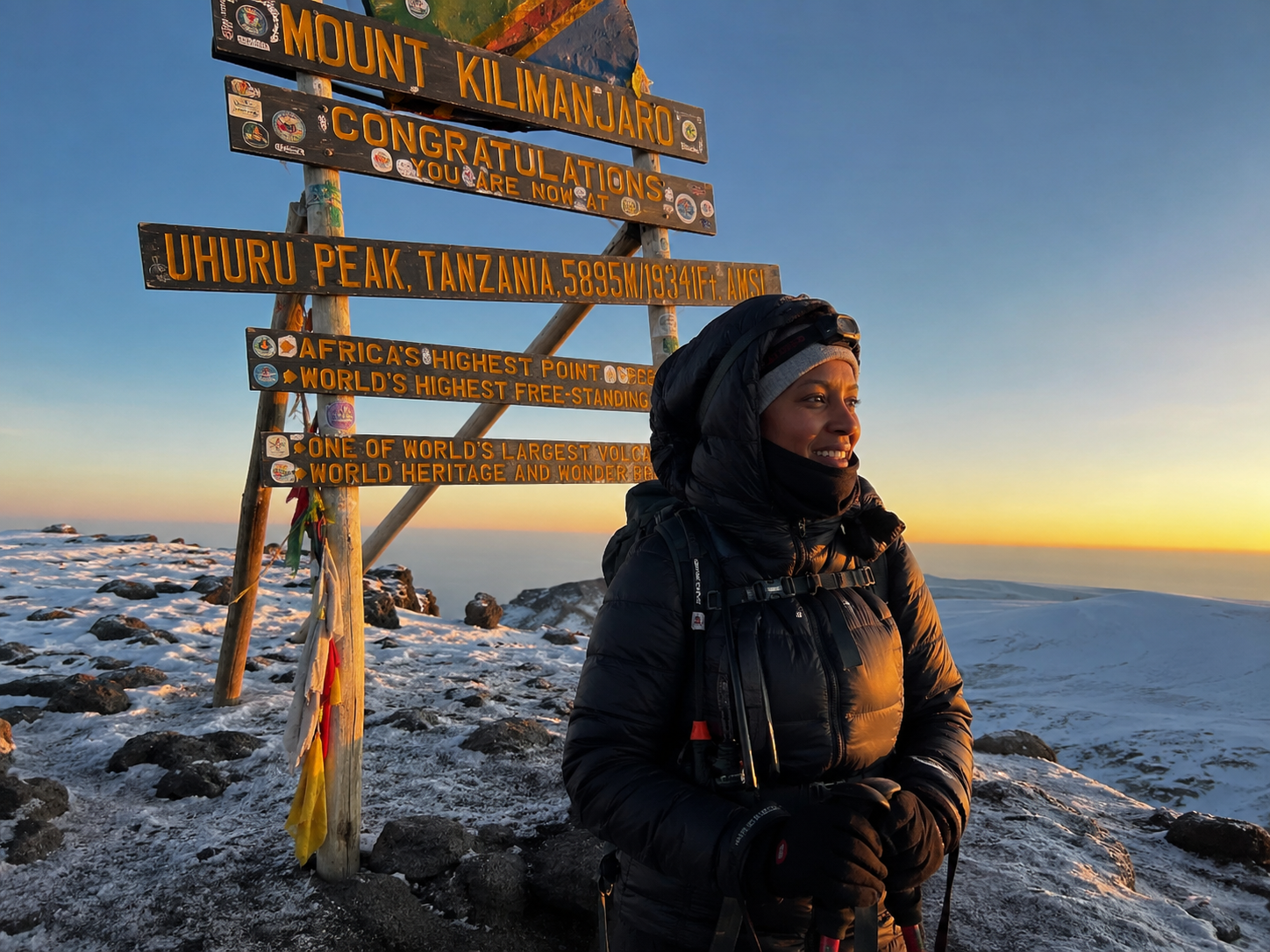
When people imagine Kilimanjaro, they often picture the famous Uhuru Peak sign.
But what many women remember most isn’t the sign itself.
It’s the journey.
It’s realizing you can continue when you’re tired.
It’s learning to trust yourself.
It’s discovering confidence in situations that once felt intimidating.
By the time you reach the summit, you’ve already accomplished something remarkable. The mountain simply provides the final backdrop for a transformation that started days earlier.
Why More Women Than Ever Are Climbing Kilimanjaro
More women are taking on Kilimanjaro than ever before because it offers something rare: a challenge that is physically demanding, mentally rewarding, and accessible to people from all walks of life.
You don’t need technical climbing skills.
You don’t need years of mountaineering experience.
You simply need the willingness to take the first step.
For many women, Kilimanjaro becomes more than a mountain. It becomes proof that they can achieve goals that once seemed impossible.
And long after the trek is over, that confidence stays with them.
Bonus Tip: Train for Confidence, Not Perfection
Many women worry they aren’t fit enough to climb Kilimanjaro.
The reality is that you don’t need to be a marathon runner or professional athlete. Consistent preparation is far more important than elite fitness.
A few months of hiking, stair climbing, strength training, and cardiovascular exercise can make the experience significantly more enjoyable. Following a structured Kilimanjaro training plan can help you build the endurance, strength, and confidence needed for summit day.
Remember: the goal isn’t to become an athlete. The goal is to arrive on the mountain feeling prepared.
Conclusion
More women are taking on Kilimanjaro than ever before because it offers something rare: a challenge that is physically demanding, mentally rewarding, and accessible to people from all walks of life.
You don’t need technical climbing skills.
You don’t need years of mountaineering experience.
You simply need the willingness to take the first step.
For many women, Kilimanjaro becomes more than a mountain. It becomes proof that they can achieve goals that once seemed impossible.
And long after the trek is over, that confidence stays with them.
If you’re still deciding when to go, researching the best time to climb Kilimanjaro can help you choose the season that best matches your weather preferences, travel schedule, and trekking goals.