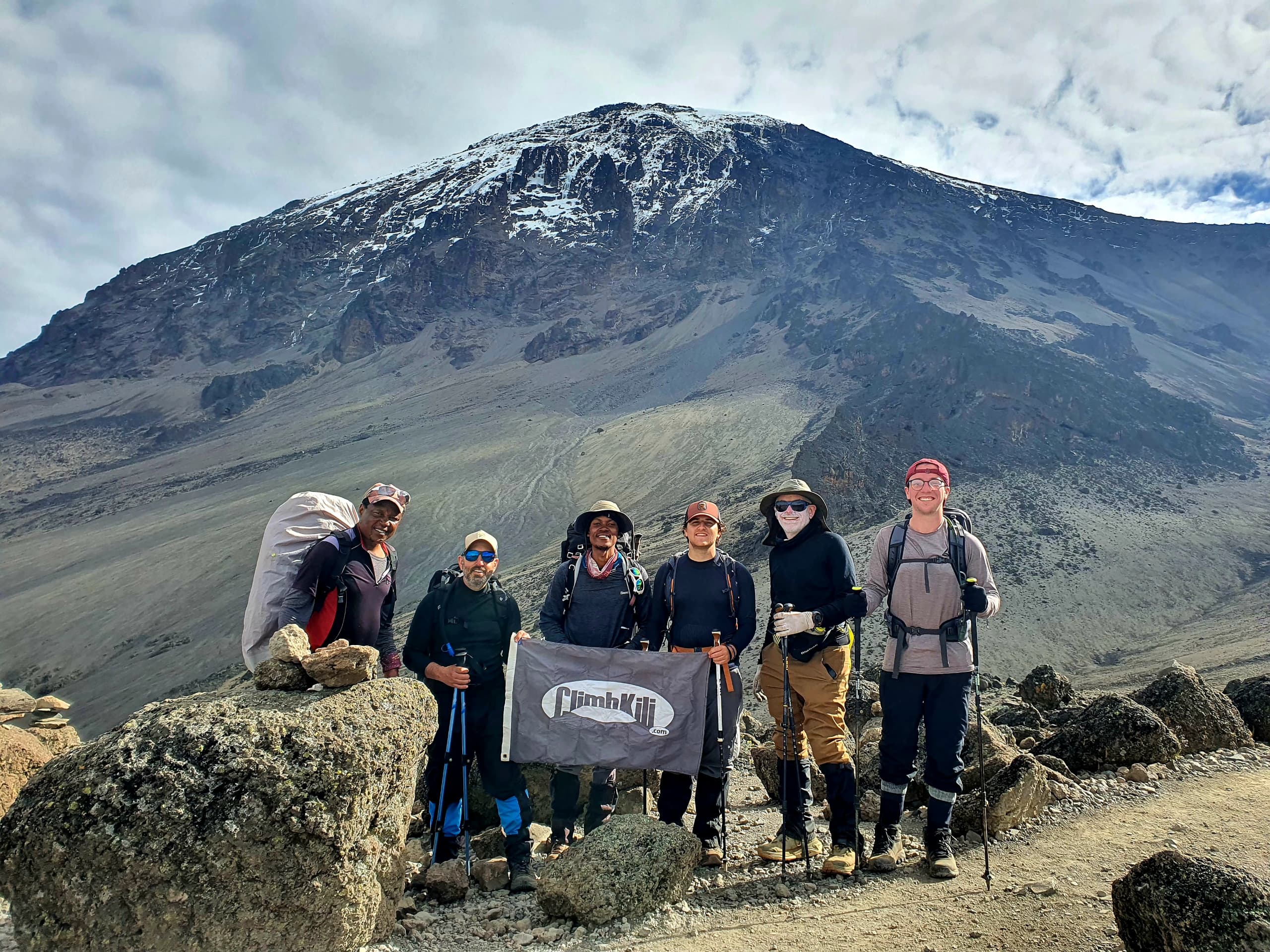
If you’re researching the best time to climb Kilimanjaro, June consistently stands out as one of the top choices. As the long rainy season comes to an end and the mountain begins to dry out, climbers are greeted with beautiful trails, comfortable temperatures, and some of the most rewarding trekking conditions of the year.
For many experienced guides and returning trekkers, Kilimanjaro in June represents the beginning of the prime climbing season. The combination of clearer skies, improved trail conditions, and stunning mountain views makes June an exceptional month to take on Africa’s highest peak.
Whether you’re planning your first summit attempt or comparing dates for an upcoming adventure, here’s why June deserves a place at the top of your list.
The End of the Rainy Season Creates Ideal Trail Conditions
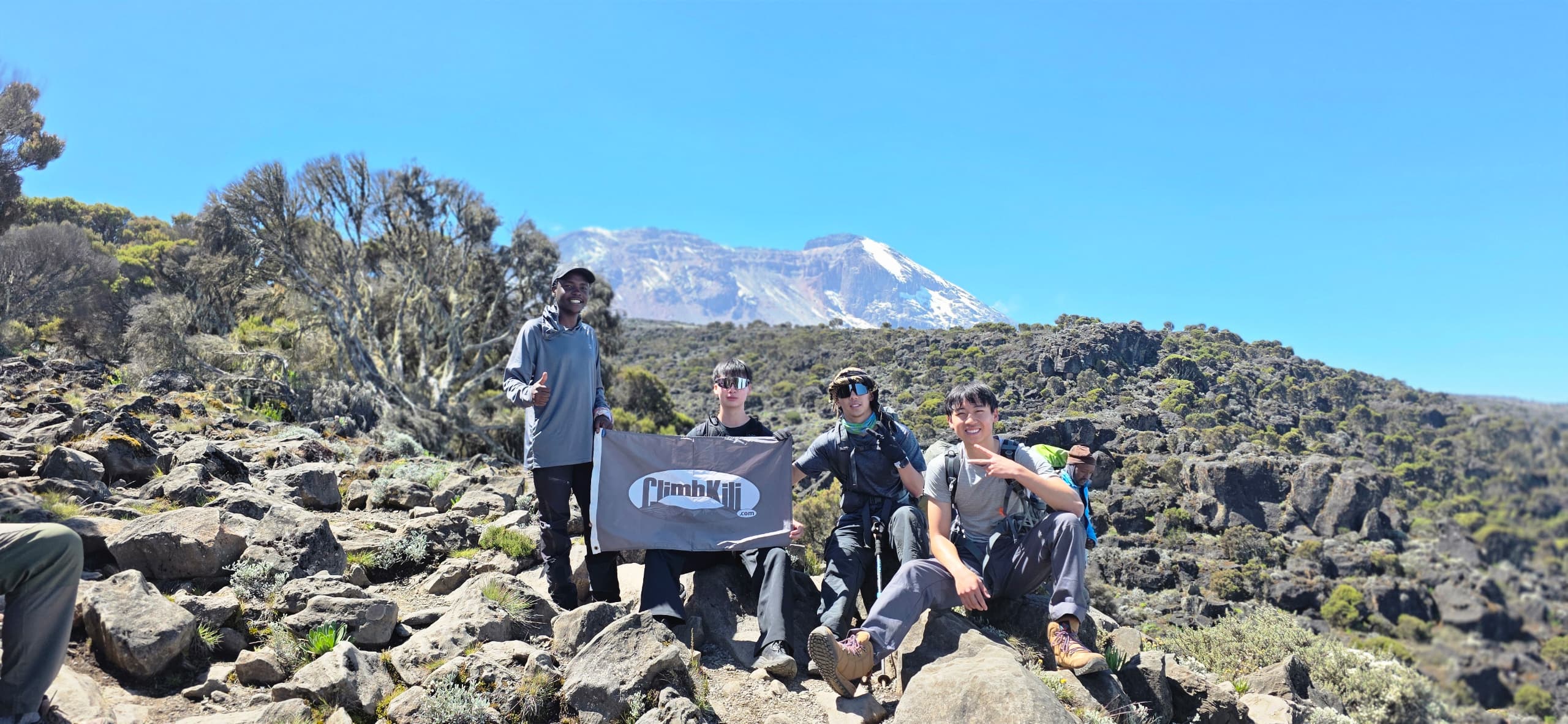
One of the biggest advantages of climbing in June is that it follows Tanzania’s long rainy season, which typically runs from March through May.
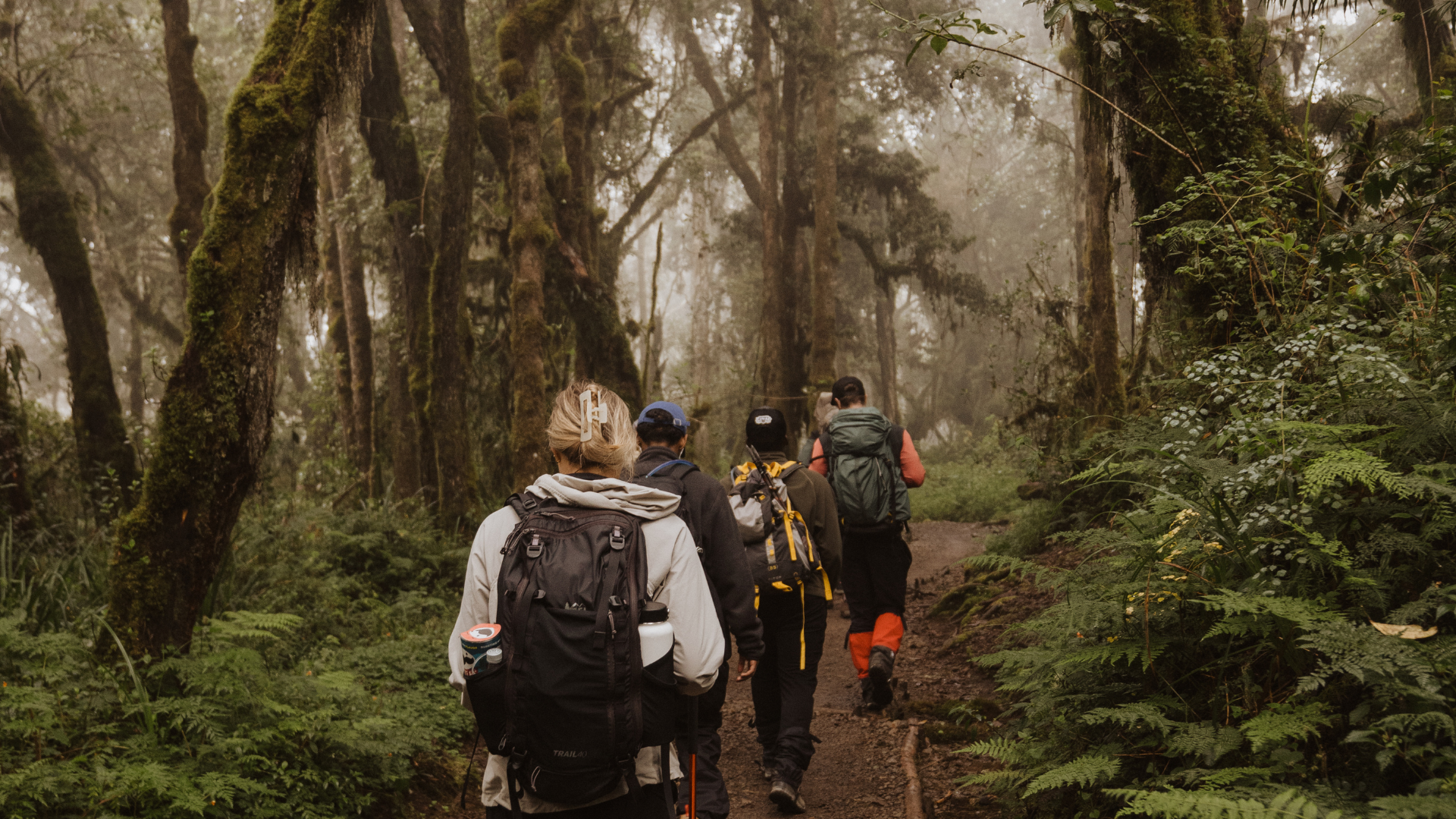
As the rain subsides, the mountain begins to dry out. While some moisture may remain in the lower rainforest zones, conditions are generally much more comfortable than during the wetter months.
Benefits include:
- Less mud on the trails
- More stable footing
- Easier hiking conditions
- Reduced risk of prolonged rain during the trek
- Better visibility across the mountain
For climbers seeking a balance between good weather and fewer crowds, June often hits the sweet spot.
Enjoy Clearer Views of Kilimanjaro’s Spectacular Landscapes
One of the highlights of any Kilimanjaro expedition is witnessing the mountain’s incredible diversity of ecosystems.
From lush rainforests and giant heather zones to alpine deserts and glaciers near the summit, the scenery changes dramatically throughout the trek.
June often delivers:
- Clear morning skies
- Excellent photography opportunities
- Stunning sunrises and sunsets
- Unobstructed views of surrounding peaks and valleys
Many climbers are surprised by how much of the mountain they can see during the dry season compared to cloudier periods earlier in the year.
June Marks the Start of Peak Kilimanjaro Trekking Season
When discussing the Kilimanjaro trekking season, June is often considered the beginning of the first major climbing window.
The months of June through October are widely regarded as some of the most favorable times to climb due to lower rainfall and more predictable weather patterns.
Advantages of climbing during this period include:
More Reliable Weather
Although mountain weather is never guaranteed, June generally experiences fewer storms and less precipitation than the preceding months.
Better Summit Conditions
Stable weather often contributes to a more enjoyable summit push, particularly during the overnight ascent to Uhuru Peak.
Increased Route Availability
As climbing season ramps up, operators have more departures available, making it easier to find dates that fit your schedule.
Cooler Temperatures Make Hiking More Comfortable
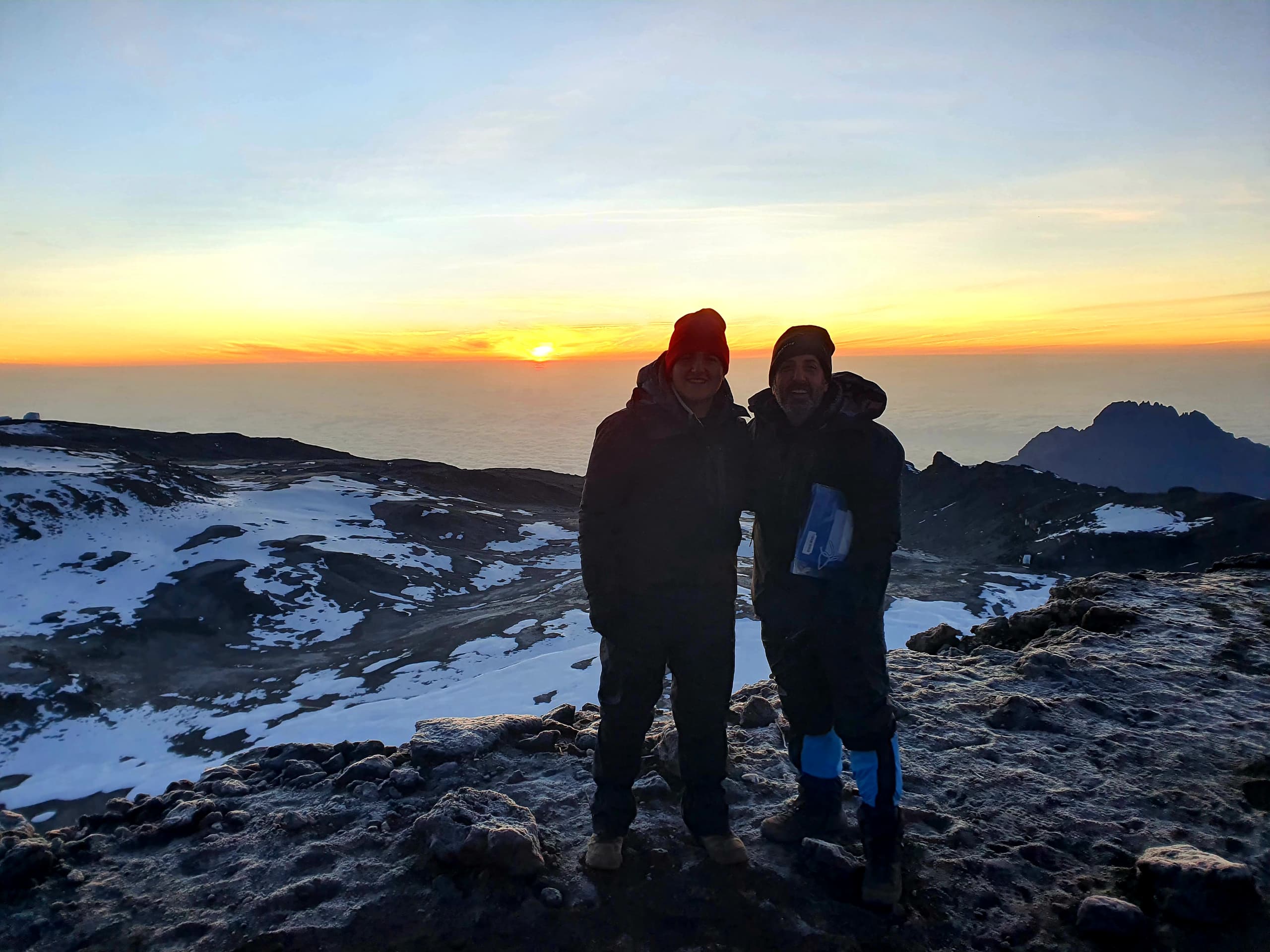
Many people assume Africa is always hot, but temperatures on Kilimanjaro vary significantly with altitude.
June offers relatively moderate daytime temperatures on the lower slopes while maintaining the cold summit conditions that are characteristic of high-altitude mountaineering.
Typical conditions include:
| Zone | Average Temperature |
|---|---|
| Rainforest | 60–75°F (15–24°C) |
| Moorland | 45–65°F (7–18°C) |
| Alpine Desert | 30–50°F (-1–10°C) |
| Summit | 0–20°F (-18– -6°C) |
These cooler conditions can make daytime trekking more pleasant compared to hotter months.
Fewer Crowds Than July and August
While June marks the beginning of the busy season, it is often less crowded than the peak summer months that follow.
July and August attract large numbers of international travelers due to vacation schedules in North America and Europe.
Choosing June can offer:
- More peaceful campsites
- Less congestion on trails
- Better opportunities for photos
- A more intimate mountain experience
Many experienced trekkers specifically target June because it combines excellent climbing Kilimanjaro weather with slightly smaller crowds.
Wildlife and Scenery Around the Mountain Are Beautiful
The recent rains leave the landscape vibrant and green.
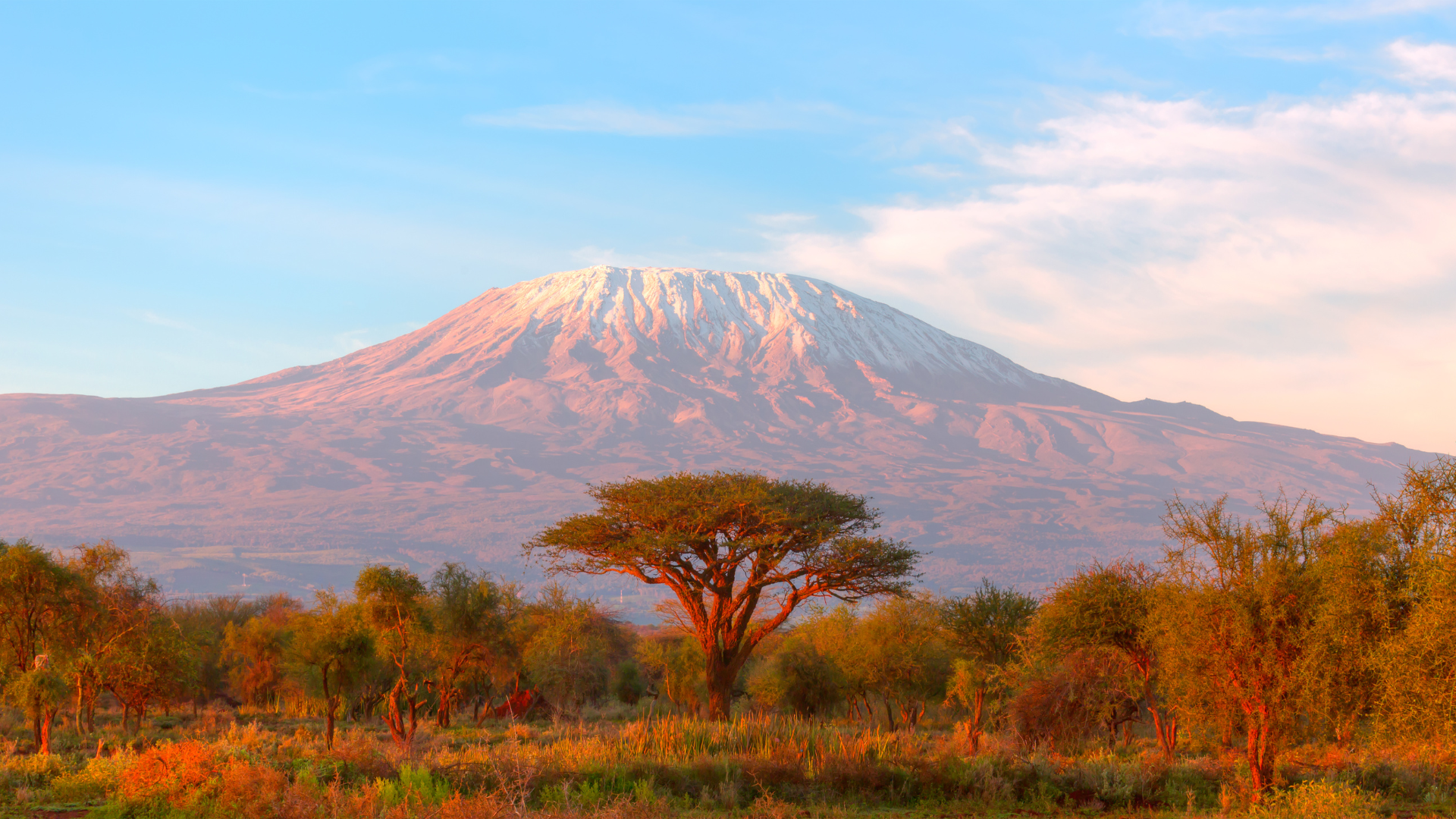
Vegetation surrounding the mountain is often at its most beautiful during early dry season, creating dramatic contrasts between the green lower slopes and the snow-covered summit.
Wildlife sightings may include:
- Colobus monkeys
- Blue monkeys
- Various bird species
- Small antelope in forested areas
The mountain feels alive and refreshed after the rainy season, adding another layer of beauty to the trek.
June Offers Excellent Summit Success Potential
While no month can guarantee reaching Uhuru Peak, favorable weather conditions often contribute to a more positive climbing experience.
Success on Kilimanjaro depends on several factors:
- Proper acclimatization
- Physical preparation
- Pace on the mountain
- Hydration and nutrition
- Experienced guides
However, stable weather can reduce additional challenges that sometimes accompany wetter months.
At Climb Kili, our preferred routes—the Lemosho Route and Machame Route—provide excellent acclimatization profiles and consistently strong summit success rates when paired with proper preparation.
What to Pack for a June Kilimanjaro Climb
Even though June is dry, climbers should still prepare for a wide range of conditions.
Essential items include:
Layered Clothing
Temperatures change dramatically throughout the trek.
Waterproof Outer Shell
Unexpected rain can still occur, especially in the rainforest zone.
Warm Summit Gear
Insulated jackets, gloves, hats, and thermal layers remain essential.
Quality Hiking Boots
Well-broken-in waterproof boots help keep feet comfortable during long trekking days.
Sun Protection
Clear skies often mean stronger sun exposure at higher elevations.
Is June the Best Time to Climb Kilimanjaro?
For many climbers, the answer is yes.
Kilimanjaro in June offers an impressive combination of dry trails, beautiful scenery, comfortable trekking conditions, and fewer crowds than the peak summer months. It marks the beginning of one of the mountain’s most favorable climbing periods and provides an excellent environment for both first-time and experienced trekkers.
While every month on Kilimanjaro offers something unique, June consistently ranks among the most desirable options for those seeking clear views, reliable weather, and a memorable adventure on the Roof of Africa.
The mountain is emerging from the rainy season, the landscapes are vibrant, and the trekking conditions are outstanding making June a remarkable time to experience one of the world’s most iconic climbs.