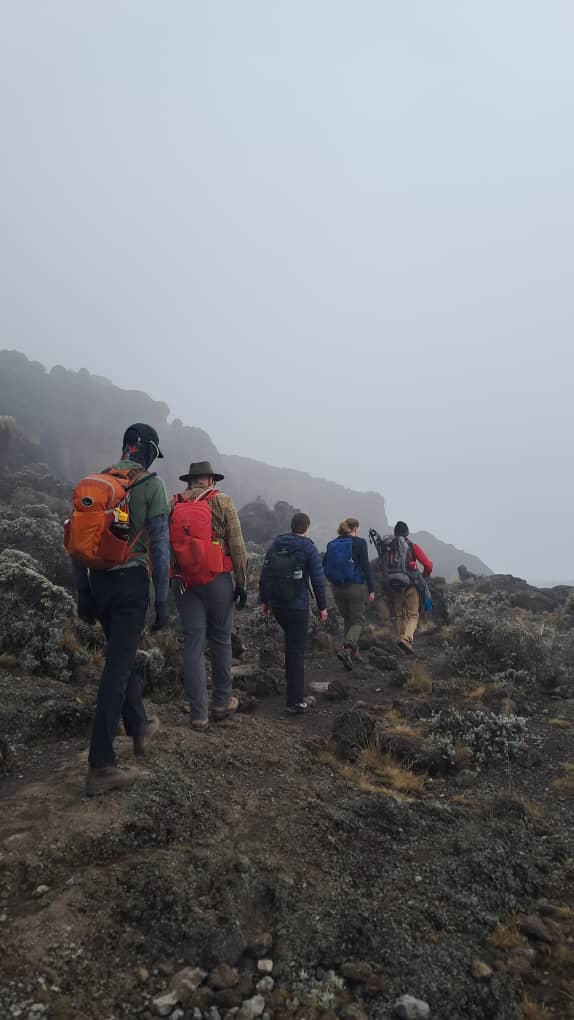
Altitude sickness on Kilimanjaro can affect anyone, regardless of age, fitness or trekking experience. The best ways to reduce the risk include allowing time to acclimatize, walking slowly, recognizing symptoms early and following your mountain guides’ advice.
Standing at 5,895 metres (19,341 feet), Mount Kilimanjaro is Africa’s highest mountain. Reaching Uhuru Peak is an incredible achievement, but the altitude makes the climb physically demanding in ways that even experienced hikers may not expect.
The biggest challenge is not simply fitness. It is giving your body time to adjust to decreasing oxygen availability as you climb higher.
Why Does Altitude Sickness Happen on Kilimanjaro?
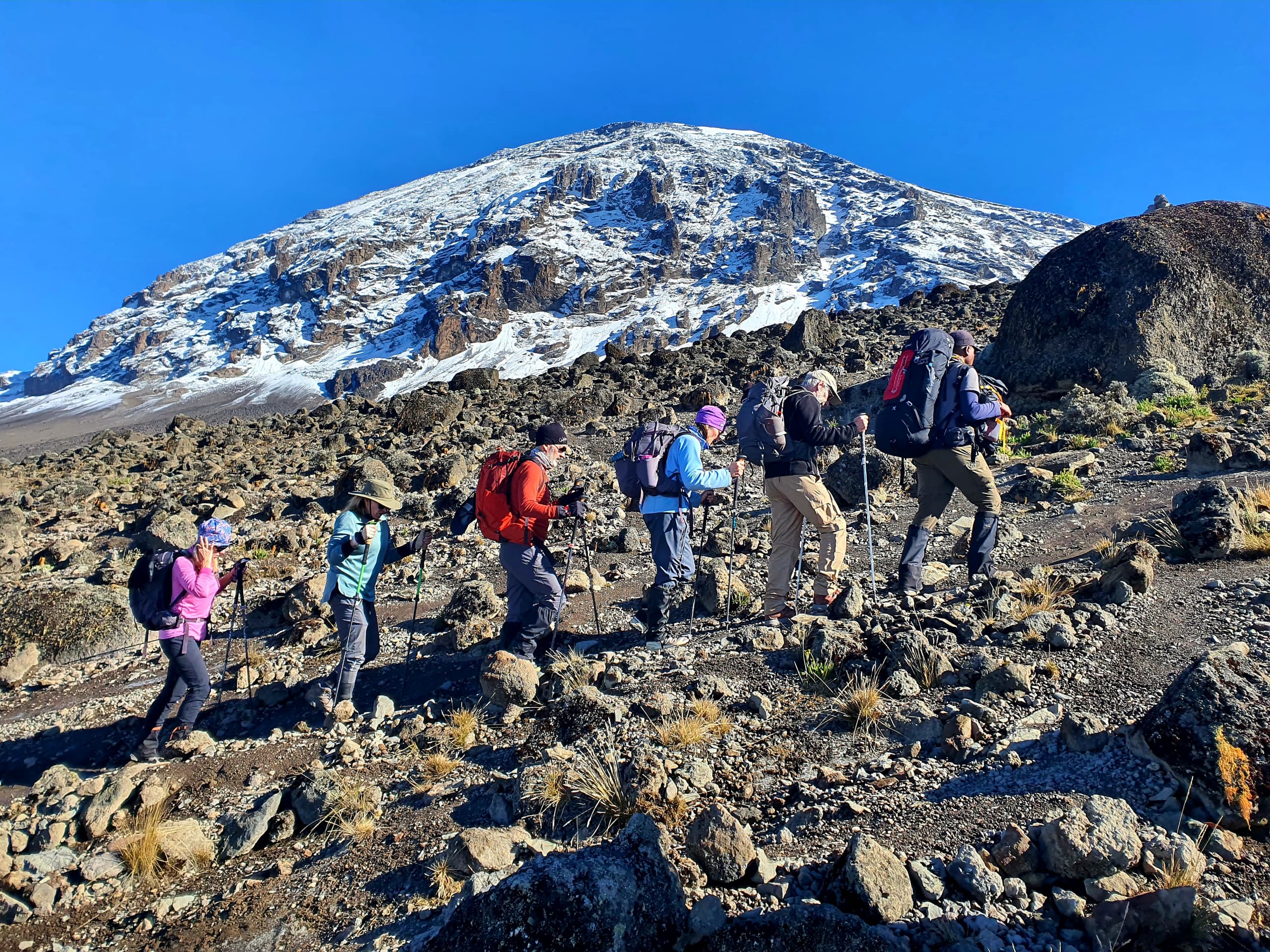
Altitude sickness occurs when your body struggles to adjust to the reduced oxygen availability at higher elevations. As altitude increases, air pressure decreases, meaning less oxygen is available with each breath.
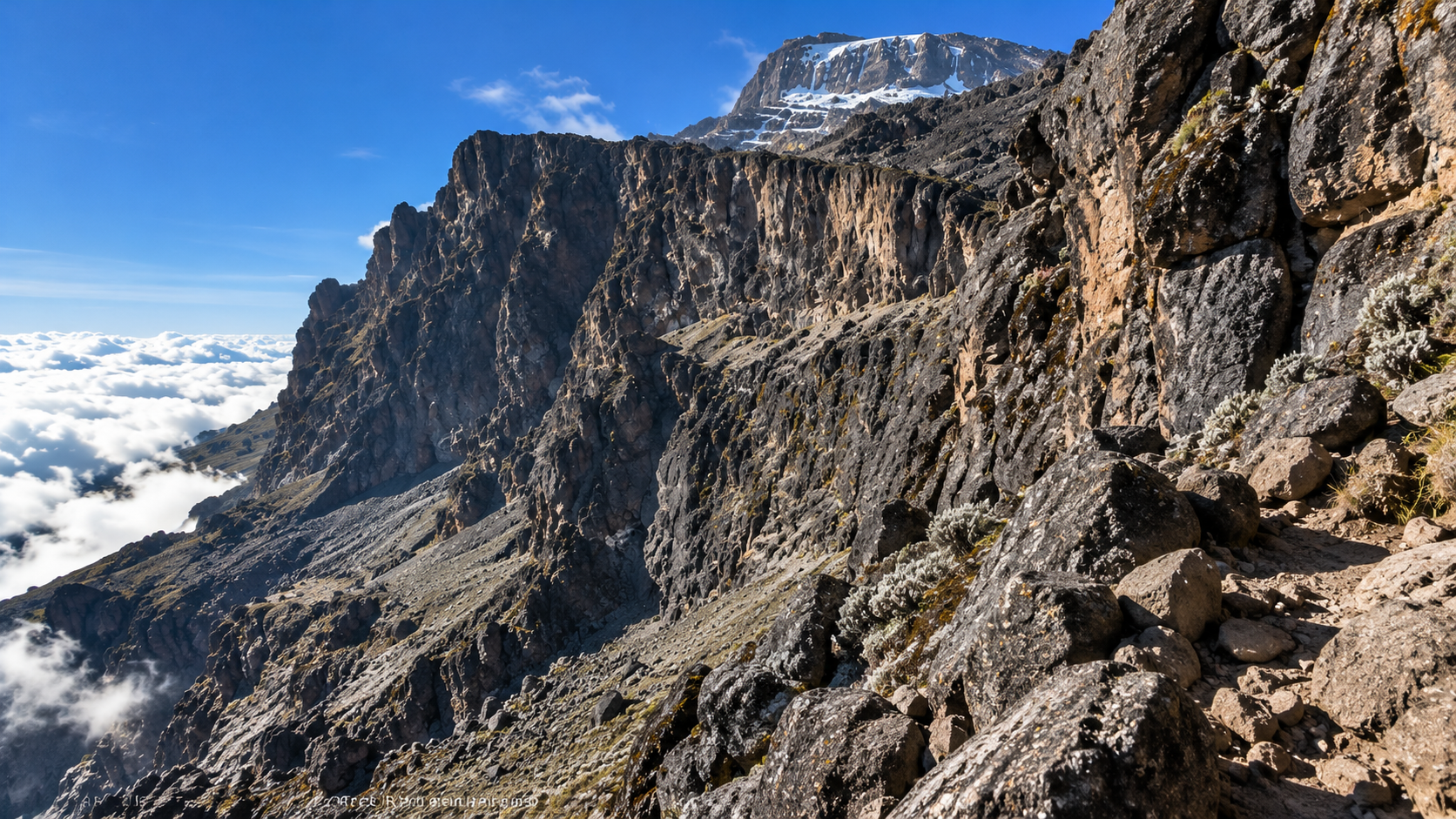
On Kilimanjaro, trekkers move through several ecological zones, from cultivated farmland and rainforest to moorland, alpine desert and the high-altitude summit zone.
Your body needs time to adapt to these changing conditions. This process is called acclimatization.
Physical fitness does not make someone immune to altitude sickness. A marathon runner can develop symptoms, while a less athletic trekker may adjust relatively well. Individual susceptibility varies, and there is no simple fitness test that can predict who will experience altitude illness.
That is why choosing a suitable itinerary and taking the mountain one day at a time are so important.
What Are the Symptoms of Altitude Sickness on Kilimanjaro?
The most common form of altitude illness is acute mountain sickness (AMS). Symptoms can develop after reaching a higher elevation, often within hours of ascending or during the first night at altitude.
Common symptoms include:
| Symptom | What you might experience |
|---|---|
| Headache | A persistent or unusual headache |
| Nausea | Feeling sick or wanting to vomit |
| Loss of appetite | Little interest in eating |
| Fatigue | Unusual tiredness or weakness |
| Dizziness | Feeling light-headed |
| Poor sleep | Difficulty sleeping or waking frequently |
A headache or tiredness alone does not automatically confirm altitude sickness. However, symptoms following an ascent should always be taken seriously.
Tell your guide how you feel, even if the symptoms seem minor. Do not hide discomfort because you want to continue toward the summit.
Serious Warning Signs You Should Never Ignore
More severe altitude illnesses include high-altitude cerebral edema (HACE) and high-altitude pulmonary edema (HAPE).
Watch for these warning signs:
- Confusion, unusual behaviour or difficulty thinking clearly.
- Loss of coordination or difficulty walking in a straight line.
- Extreme drowsiness or reduced alertness.
- Breathlessness while resting.
- A worsening cough or chest congestion.
- Severe weakness or rapidly worsening symptoms.
These are medical warning signs, not normal parts of trekking. Suspected serious altitude illness requires urgent medical assessment and descent. Do not continue climbing or wait for the symptoms to disappear.
How Can You Prevent Altitude Sickness on Kilimanjaro?
There is no guaranteed way to prevent altitude sickness. However, a gradual ascent, appropriate acclimatization and good communication with your guides can help reduce the risk.
1. Walk Slowly: Pole Pole
One of the most important expressions you will hear on Kilimanjaro is pole pole, meaning slowly, slowly.
Your guides encourage a comfortable walking pace rather than a race to reach camp first. Moving too quickly can make the climb unnecessarily demanding.
Take your time, follow your guide’s pace and listen to your body. Reaching camp feeling well is more important than arriving ahead of everyone else.
2. Drink Water Regularly
Staying hydrated is an important part of looking after yourself during a trek.
Drink water regularly throughout the day, particularly during long walking sections. Your needs will vary depending on your activity, weather and individual circumstances.
Remember that drinking excessive amounts of water does not prevent altitude sickness and can itself be dangerous. Aim for sensible, regular hydration.
3. Keep Eating, Even When You Are Not Hungry
Altitude can affect your appetite, but your body still needs energy for the climb.
Eat regular meals and snacks, even when you do not feel particularly hungry. Warm meals and familiar foods can make eating easier during a demanding day.
Climb Kili provides mountain meals to help trekkers maintain their energy throughout the expedition. Let your guide know if nausea or a loss of appetite is making it difficult to eat or drink.
4. Allow Enough Time to Acclimatize
The length and profile of your itinerary matter. A longer climb can provide additional time on the mountain for your body to adjust.
Climb Kili offers two main trekking itineraries:
| Route | Duration | Package price |
|---|---|---|
| Machame Route | 7 days | $2,795 |
| Lemosho Route | 8 days | $2,995 |
The 8-day Lemosho itinerary provides an additional day compared with the 7-day Machame itinerary. However, neither route guarantees that altitude sickness will be avoided. Your individual response, sleeping elevations and ascent profile all matter.
You can compare the options on our Kilimanjaro route guide and review current departure information on our Dates & Prices page.
5. Follow the Principle of Climbing High and Sleeping Low
Where the route allows, walking to a higher elevation during the day and returning to a lower camp to sleep can support acclimatization.
This approach exposes your body to higher altitude without requiring you to sleep at the highest point reached that day.
Your guides manage the daily walking plan and camp progression according to the itinerary and mountain conditions.
6. Speak to Your Doctor Before Climbing
If you have a medical condition, take regular medication or have previously experienced altitude illness, speak with a healthcare professional before travelling.
Ask whether you need additional precautions or medication. Acetazolamide is sometimes prescribed to help prevent altitude sickness, but it is not suitable for everyone. Never start or change medication without medical advice.
What Do Climb Kili Guides Do to Help Monitor Altitude Sickness?
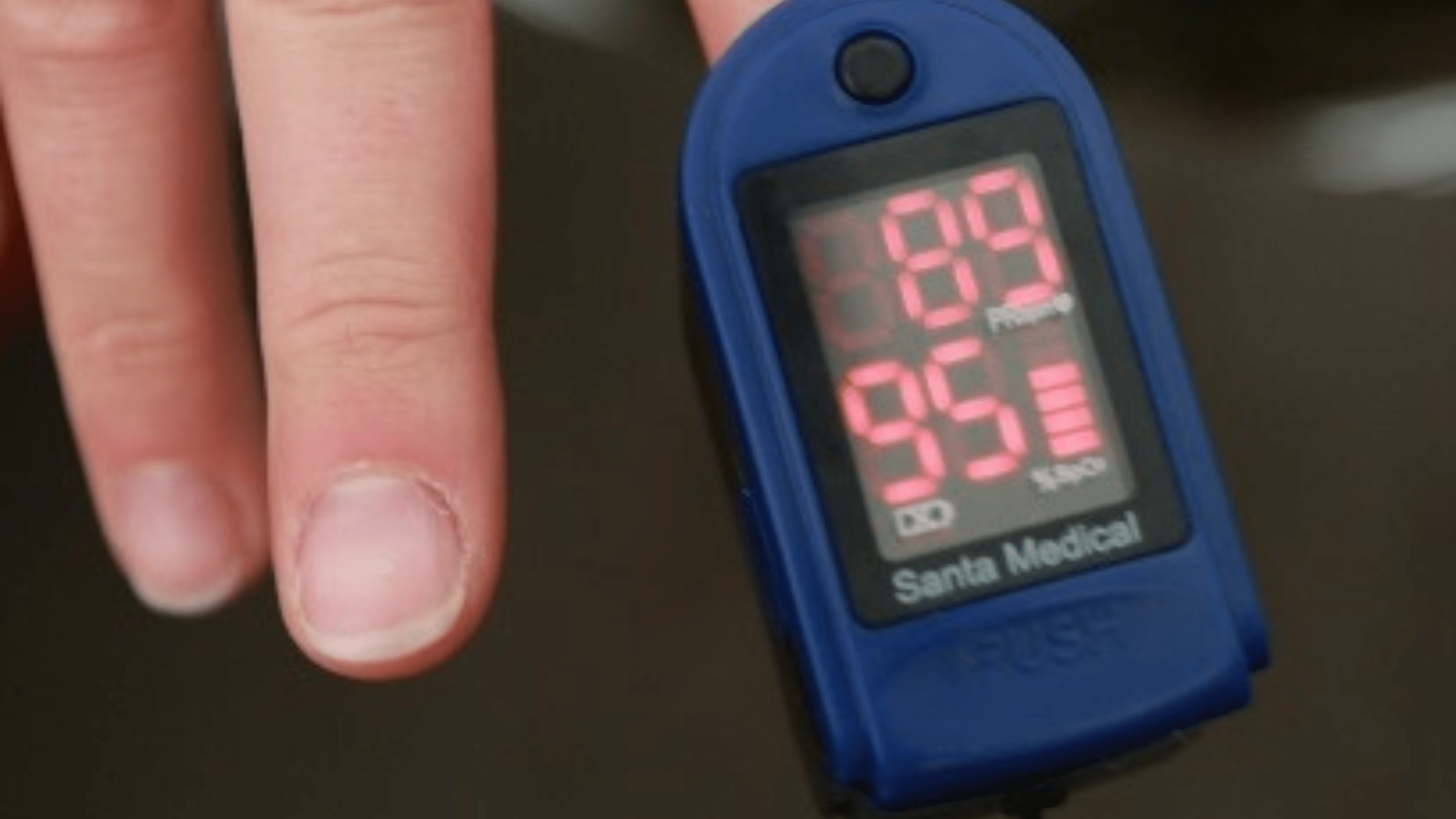
Your mountain guides play an important role in monitoring how climbers are doing throughout the expedition.
They pay attention to how people are walking, how they are feeling, whether they are eating and drinking, and whether anyone appears unusually tired or unwell.
They also encourage open communication. If you have a headache, feel nauseated, become unusually breathless or notice another change, tell your guide. Keeping symptoms to yourself makes it harder for the team to respond appropriately.
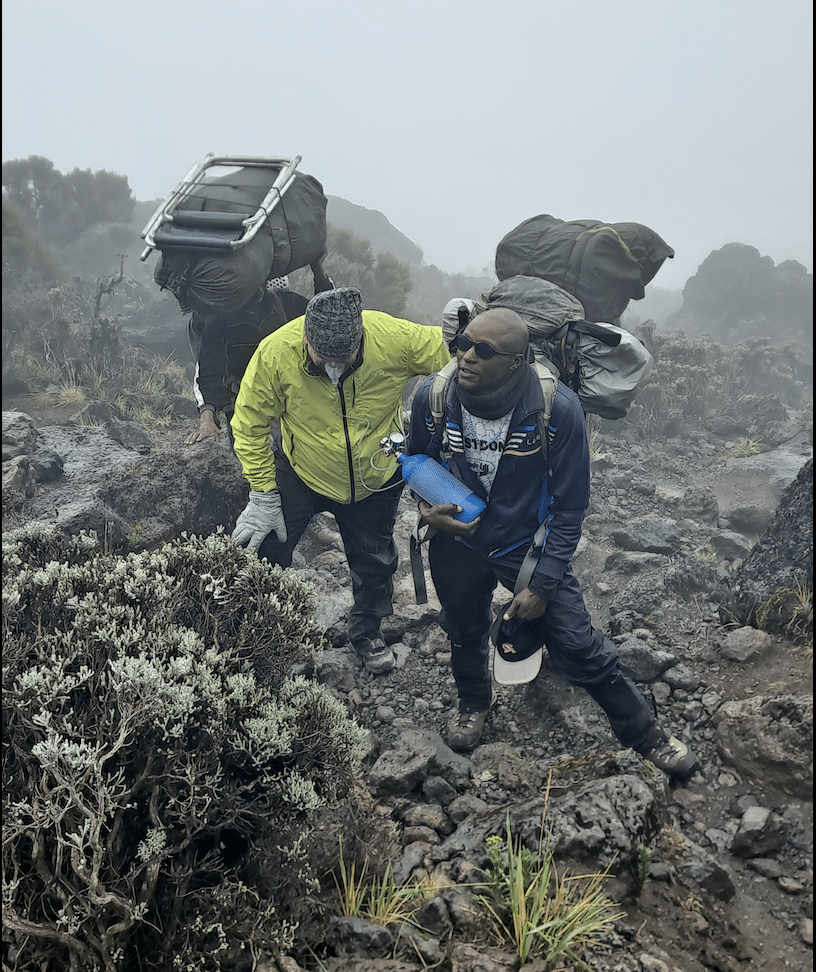
Climb Kili carries a Gamow bag as part of its high-altitude emergency equipment.
A Gamow bag is a portable pressure chamber that can temporarily simulate a lower altitude by increasing the pressure around the person inside. It can be useful in certain serious altitude emergencies, particularly when immediate descent is difficult.
It is important to understand that a Gamow bag is an emergency measure, not a cure or a replacement for medical care and descent.
If a climber develops signs of serious altitude illness, the priority is an appropriate emergency response, including descent and medical assessment. Reaching the summit is never more important than someone’s safety.
What Happens If You Develop Altitude Sickness During the Climb?
The response depends on the symptoms and their severity.
If a climber develops possible mild acute mountain sickness, the team should stop further ascent and arrange an assessment. A person experiencing altitude illness should not continue to a higher sleeping altitude while symptomatic.
If symptoms worsen, or serious warning signs appear, descent is necessary. Severe cases require urgent medical care and may require evacuation.
This is why honesty is so important. Turning around or descending is not a failure. It is a responsible decision that can protect your health.
The mountain will always be there. Your safety comes first.
A Safer Kilimanjaro Climb Starts With the Right Decisions
Kilimanjaro is a remarkable mountain, but it deserves respect. Altitude sickness can affect climbers regardless of age, experience or fitness, and no itinerary can remove every risk.
Give yourself time to acclimatize, walk pole pole, eat and drink regularly, and communicate openly with your guides. Most importantly, listen to your body and never allow the desire to reach Uhuru Peak to override a safety decision.
A successful mountain experience is not measured by reaching the summit at any cost. It is also about making thoughtful decisions, looking after one another and returning home safely with memories worth keeping.
Frequently Asked Questions
Can fit people get altitude sickness on Kilimanjaro?
Yes. Physical fitness does not prevent altitude sickness. Even highly trained athletes can experience symptoms because acclimatization depends on how each person’s body responds to reduced oxygen availability.
What are the first signs of altitude sickness on Kilimanjaro?
Common early symptoms include headache, nausea, dizziness, unusual tiredness, loss of appetite and difficulty sleeping after ascending. Report any symptoms to your mountain guide.
Does drinking more water prevent altitude sickness?
No. Staying hydrated supports general health during a climb, but drinking extra water does not guarantee protection from altitude sickness. Drink regularly without forcing excessive amounts.
Is the 8-day Lemosho Route better for acclimatization than the 7-day Machame Route?
The 8-day Lemosho itinerary provides an additional day on the mountain, which may offer more time for acclimatization. However, neither route guarantees that altitude sickness will be avoided. Individual responses vary.
What happens if I develop serious altitude sickness during the climb?
Serious symptoms require urgent assessment and descent. Confusion, loss of coordination, breathlessness at rest or rapidly worsening symptoms should be treated as emergencies. The summit attempt must stop.
Author: Climb Kili Team
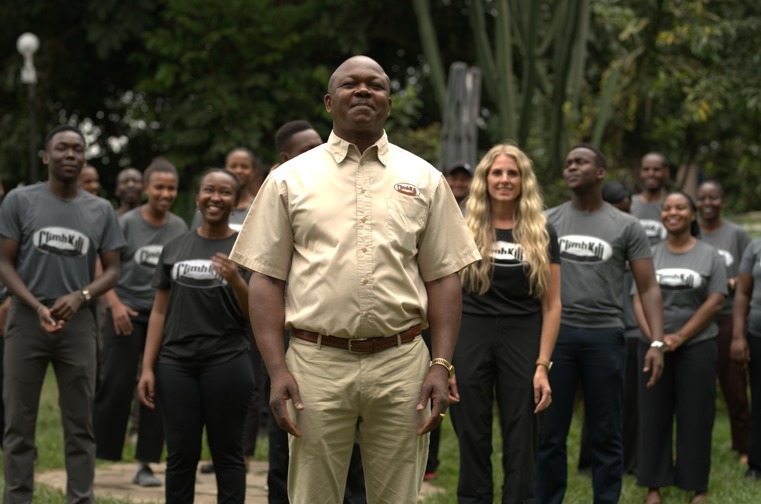
The Climb Kili team shares practical knowledge about Mount Kilimanjaro, including route selection, mountain preparation, trekking safety and the people who make each expedition possible.
Last updated: November 11, 2026