
Choosing the best Kilimanjaro company depends on more than price. Look for an operator with experienced guides, clear safety procedures, ethical porter practices, suitable acclimatization itineraries, transparent costs, and a strong record of supporting climbers.
Climbing Mount Kilimanjaro is a major undertaking. You’ll spend several days trekking at altitude, sleeping on the mountain, and relying on your guides and support crew to help you navigate the journey. The company you choose can make a significant difference to your experience.
But with so many Kilimanjaro tour operators advertising different routes, prices, and summit success rates, how do you know which one is right?
Before paying a deposit, ask these 12 questions. They will help you compare companies, understand what’s included, and make a more informed decision.
1. What Is the Company’s Summit Success Rate?

A company’s summit success rate can help you understand its reported climbing outcomes, but it’s important to look beyond the headline number.
Ask how the rate is calculated. Does it cover all routes and departure dates? Does it include every climber who started the trek, including those who turned around before reaching the summit?
Also ask whether the company can explain how its itineraries, acclimatization practices, and guide supervision contribute to its results.
Climb Kili reports a 98.8% summit success rate. When comparing this figure with other operators, make sure you’re comparing equivalent reporting methods and time periods.
Remember that no company can guarantee that an individual climber will reach Uhuru Peak. Altitude affects people differently, and safety must always come first.
2. How Experienced Are the Mountain Guides?
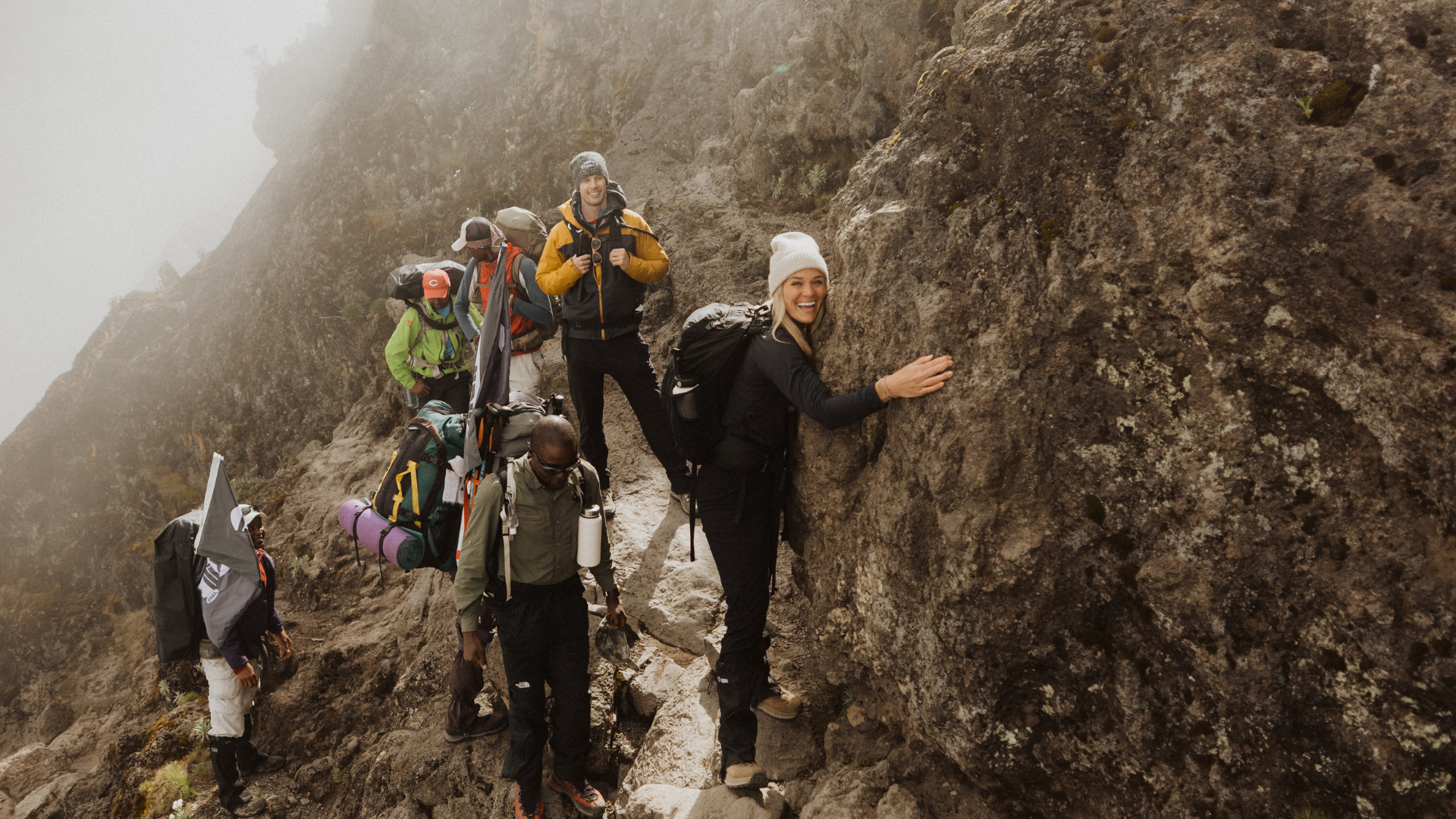
Your mountain guides are among the most important people on your expedition. They lead the trek, monitor climbers, manage the daily schedule, and help respond when someone experiences difficulty.
Ask prospective companies:
- How experienced are your lead guides?
- Are your guides trained in altitude-related emergency response?
- How do guides monitor climbers during the trek?
- What happens if someone needs to descend?
A professional operator should be able to explain its guide team’s responsibilities and the procedures followed when a climber becomes unwell.
Don’t choose a company based only on attractive photographs or marketing promises. Ask about the people who will actually lead your expedition.
3. What Safety Procedures Are Included?
Kilimanjaro is a high-altitude mountain, and even physically fit climbers can experience altitude-related illness.
Ask how the operator approaches safety throughout the climb.
Important things to discuss include:
- Daily health monitoring.
- Recognition of altitude sickness symptoms.
- Guide-to-climber supervision.
- Emergency descent procedures.
- Communication systems on the mountain.
- Emergency evacuation arrangements.
Ask what equipment and procedures are available if a climber needs medical assistance.
A responsible company should never encourage someone to continue climbing when doing so could put their health at risk.
4. How Does the Company Treat Its Porters?
Porters carry essential supplies and equipment that make multi-day Kilimanjaro expeditions possible. Their welfare should be part of your decision when choosing a trekking company.
Ask whether the operator follows responsible porter employment practices and whether it works with the Kilimanjaro Porters Assistance Project (KPAP).
You can also ask:
- How are porter wages handled?
- Are loads managed according to applicable guidelines?
- Are meals and suitable accommodation provided?
- Are porters equipped with appropriate clothing?
- How does the company support fair working conditions?
Climb Kili highlights its KPAP partnership as part of its commitment to porter welfare. Travelers should look for transparent explanations of how these commitments are put into practice.
A good Kilimanjaro experience should consider the people who make the expedition possible, not just the climbers reaching the summit.
5. What Is the Maximum Group Size?
Group size affects the atmosphere of your climb and the amount of individual attention available from the guide team.
Some travelers enjoy larger groups and the opportunity to meet many people. Others prefer a smaller expedition with a more personal atmosphere.
Ask the company:
- What is the maximum number of climbers?
- Are private climbs available?
- Can solo travelers join scheduled departures?
- Are group departures guaranteed?
Climb Kili limits its groups to a maximum of six climbers.
A smaller group can make it easier to build connections and coordinate the trekking experience, although the appropriate guide and support crew arrangements remain essential.
6. Which Kilimanjaro Routes Does the Company Offer?
Not every operator offers every Kilimanjaro route. Before choosing a company, check that its available itineraries match your preferences and schedule.
The main routes have different landscapes, durations, and acclimatization profiles.
For example, Climb Kili offers the 8-day Lemosho Route and the 7-day Machame Route.
| Feature | 8-Day Lemosho | 7-Day Machame |
|---|---|---|
| Duration | 8 days | 7 days |
| Starting area | Western side | Southern side |
| General experience | Longer approach and varied scenery | Scenic route with varied terrain |
| Time on mountain | One additional day | One fewer day |
| Consideration | More time required | Shorter itinerary |
The longer Lemosho itinerary provides an additional day on the mountain, which can offer more time for acclimatization. However, no itinerary eliminates altitude risk.
Explore the 8-Day Lemosho Route and compare it with the available options on the Kilimanjaro routes guide.
7. What Is Included in the Climbing Price?
A low advertised price doesn’t necessarily mean a better deal. Two companies may offer different services, equipment, accommodation arrangements, and levels of support.
Ask for a detailed list of inclusions and exclusions.
Check whether the package covers:
- Park and camping fees.
- Professional mountain guides.
- Porter and cook support.
- Meals during the climb.
- Tents and sleeping arrangements.
- Transfers specified in the itinerary.
- Pre-climb accommodation, if applicable.
Also ask about expenses that may be paid separately, including flights, personal equipment, travel insurance, and crew tips.
Climb Kili publishes its current package information through its Dates & Prices page. Review the full details rather than relying on an advertised starting price.
8. How Much Is the Deposit, and When Is the Balance Due?
Before booking, understand the payment schedule.
Ask the operator:
- How much is required to reserve a place?
- When is the remaining balance due?
- What payment methods are accepted?
- What happens if you need to cancel or change dates?
- Are there any additional payment charges?
Climb Kili’s confirmed booking deposit is $350. Review the booking conditions before making a payment so you understand the terms.
A professional operator should provide clear payment instructions and explain its cancellation and booking policies.
9. Are the Group Departures Guaranteed?
If you’re traveling internationally, your departure date affects flights, accommodation, annual leave, and other arrangements.
Ask whether the company has scheduled departures and whether those departures are guaranteed.
You should also confirm:
- Which route the departure follows.
- How many days the trek lasts.
- Whether the group has available spaces.
- Whether the advertised date is confirmed.
- What happens if arrangements need to change.
Climb Kili offers weekly group departures with guaranteed departures across its group options. Check the specific date and itinerary before booking through Dates & Prices.
10. What Do Previous Climbers Say About the Company?
Customer reviews can give you an idea of what the experience is actually like.
Don’t look only at the overall star rating. Read the details and look for consistent feedback about:
- Guide knowledge and professionalism.
- Food and mountain crew support.
- Organization before and during the climb.
- Safety and communication.
- Porter treatment.
- How the company handles unexpected situations.
Look for recent, independently published reviews and check whether they describe the same services you’re considering.
You can also ask the operator whether it can share references or examples of recent client experiences.
A genuine review should help you understand what happened during a real expedition, not simply repeat promotional language.
11. Does the Company Help You Prepare Before Arrival?
Preparation begins long before you reach Tanzania.
A reliable operator should provide useful information about fitness, equipment, altitude, travel arrangements, and what to expect during the climb.
Ask whether the company provides:
- A detailed packing list.
- Training and preparation guidance.
- Route itineraries.
- Pre-climb briefings.
- Advice about travel documents and insurance.
- Information about accommodation and airport transfers.
Also clarify what is included in your package and what you need to arrange independently.
For example, Tanzania’s required Inbound Travel Insurance costs $44 per foreign visitor and is not included in Climb Kili’s package. It also does not replace personal travel insurance that covers high-altitude trekking, search and rescue, and emergency medical evacuation.
Good preparation helps you arrive knowing what to expect rather than discovering important details at the last minute.
12. Can You Speak to the Company Before Booking?
A final question is simple: can you communicate directly with the operator and get clear answers?
Before making a payment, contact the company with your questions. Pay attention to how clearly it explains its services, costs, itineraries, and booking conditions.
A good operator should be willing to explain what is included, discuss route options, and help you understand whether a particular itinerary suits your plans.
If important questions go unanswered before booking, consider how communication might work once you’re on the mountain.
You can contact Climb Kili to discuss your preferred route, departure date, and climbing arrangements.
So, Which Kilimanjaro Company Is Best?
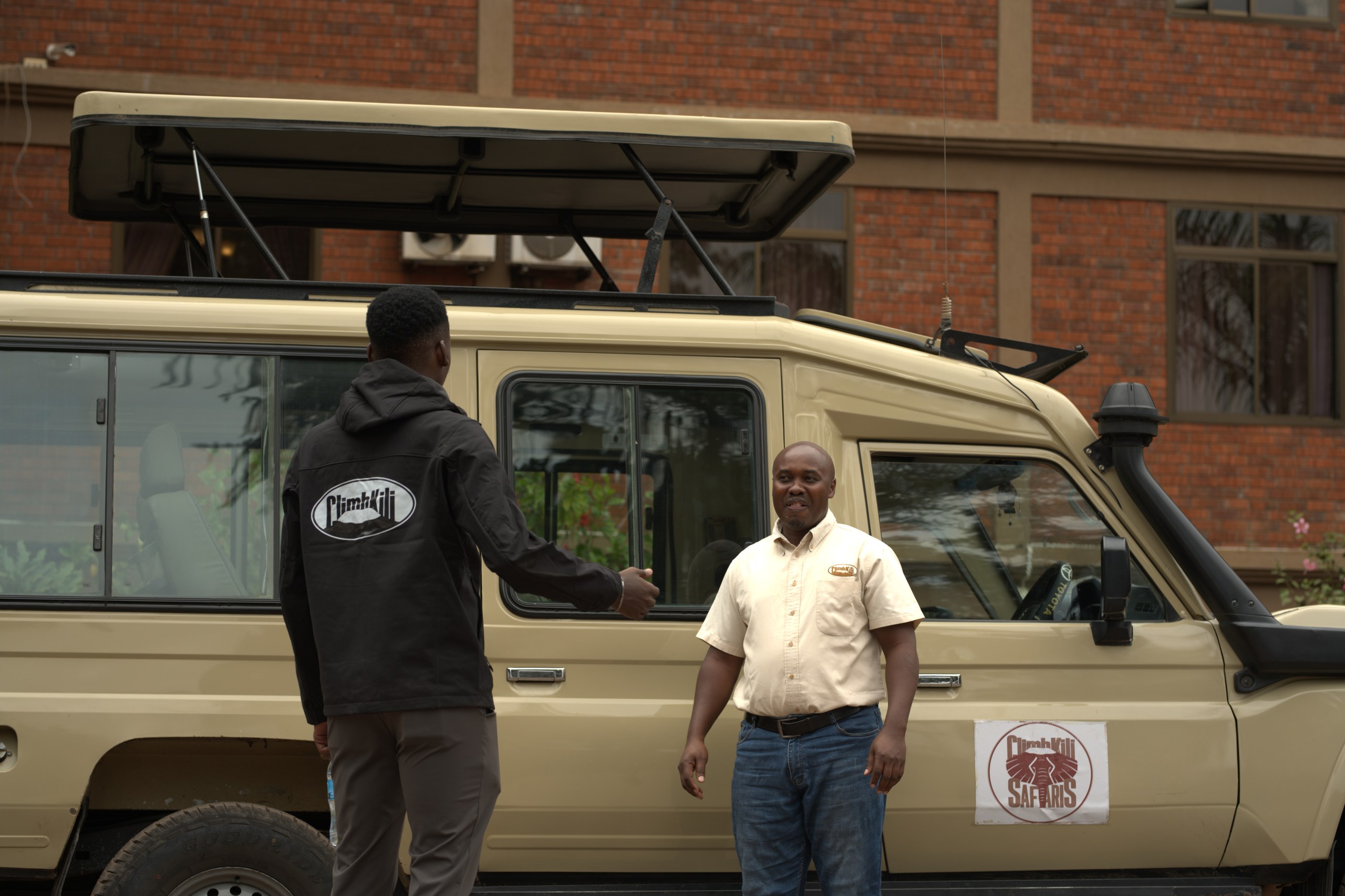
The best Kilimanjaro company is one that offers the right combination of safety, experienced guides, responsible porter practices, suitable itineraries, transparent costs, and dependable communication.
There is no single operator that is automatically right for every traveler. Compare the answers to these 12 questions, review the available evidence, and choose the company whose services and approach match your expectations.
At Climb Kili, our approach includes a reported 98.8% summit success rate, groups limited to six climbers, weekly guaranteed group departures, and 7-day Machame and 8-day Lemosho itineraries.
The mountain is a serious undertaking. Take time to choose your operator carefully, understand what you’re booking, and prepare for the experience ahead.
Frequently Asked Questions
1. How do I choose a reliable Kilimanjaro tour operator?
Compare guide experience, safety procedures, porter welfare, group size, route options, customer reviews, and transparent pricing. Ask for clear answers before paying a deposit.
2. What is a good summit success rate for a Kilimanjaro company?
There is no universally standardized reporting method. Ask how the operator calculates its rate, which routes and dates are included, and whether unsuccessful summit attempts are counted.
3. Is a smaller Kilimanjaro group better?
A smaller group may offer a more personal trekking experience and easier group coordination. However, the quality of the guides, safety procedures, and support crew matters just as much.
4. How much does it cost to climb Kilimanjaro with Climb Kili?
Climb Kili publishes its current route prices and package details on its Dates & Prices page. Check the page for the latest pricing and inclusions.
5. How much deposit is required to book with Climb Kili?
Climb Kili’s confirmed booking deposit is $350. Review the booking conditions for payment deadlines and other terms.
6. Can I climb Kilimanjaro with a group if I’m traveling alone?
Yes. You can join a scheduled group departure rather than arranging a private climb. Check available dates and group options with your chosen operator.
Author: Climb Kili Team
Author Bio: The Climb Kili team shares practical knowledge about Mount Kilimanjaro, including route selection, mountain preparation, trekking safety, and the people who make each expedition possible.
Last Updated: November 8, 2026