You’re Never Too Old to Dream of Kilimanjaro
Is climbing Mount Kilimanjaro at 70 possible? For some older adventurers, the idea of standing on Uhuru Peak may feel like an ambitious dream. Yet age alone does not determine whether someone can undertake this remarkable journey.
At 5,895 meters (19,341 feet), Mount Kilimanjaro is Africa’s highest mountain. Reaching its summit requires physical preparation, patience, careful acclimatization, and the ability to adapt to challenging conditions. For a 70-year-old climber, these considerations deserve particular attention—but they do not automatically rule out the adventure.
The important question isn’t simply how old you are. It’s whether you’re medically fit for high-altitude trekking, how well you prepare, and whether you choose an itinerary that gives your body enough time to adjust.
If you’re considering climbing Kilimanjaro at 70, here’s what to understand before turning that dream into a realistic plan.
Can You Climb Kilimanjaro at 70?
Yes, some people successfully climb Kilimanjaro in their seventies. There is no universal age at which a person automatically becomes incapable of climbing the mountain. However, reaching the summit is never guaranteed, regardless of age or fitness.
Kilimanjaro is a high-altitude trek rather than a technical mountaineering climb on its standard routes. You generally don’t need advanced rock-climbing skills, but you do need to manage long walking days, uneven terrain, cold temperatures, and the effects of reduced oxygen at altitude.
For older hikers, overall health and functional fitness are more useful considerations than age alone.
Before booking, arrange a medical assessment with a healthcare professional familiar with your medical history and the demands of high-altitude travel. Discuss any cardiovascular or respiratory conditions, medications, mobility concerns, and previous experiences at altitude.
Being able to walk comfortably at sea level is a useful starting point, but it cannot predict exactly how your body will respond at nearly 6,000 meters.
1. Prepare Your Body Before the Climb
One of the best ways to prepare for climbing Kilimanjaro over 60 or 70 is to build fitness gradually.
You don’t need to become an elite athlete. You do need enough endurance to walk for several hours, handle changes in elevation, and recover between consecutive trekking days.
Build walking endurance
Start with regular walks and gradually increase their duration. Include hills, stairs, or inclined treadmill sessions as your fitness improves.
Practice walking on uneven ground when possible, using the footwear you plan to take to Tanzania. Longer weekend hikes can help you understand how your feet, knees, and energy levels respond to extended activity.
Strengthen your legs and core
Exercises such as sit-to-stands, step-ups, calf raises, and supported squats can help develop the strength needed for uphill walking and downhill descents.
Balance exercises may also be useful, especially when preparing for rocky or uneven trails. Adapt exercises to your abilities and seek professional guidance if you have joint problems or balance concerns.
Practice consecutive walking days
Kilimanjaro involves multiple days of trekking. Training on consecutive days helps you assess how well you recover after sustained activity.
Increase training gradually rather than suddenly adding long, demanding hikes. Consistency is more valuable than pushing yourself to exhaustion.
2. Choose a Kilimanjaro Route That Allows Time to Acclimatize
For anyone climbing Kilimanjaro at an older age, itinerary selection deserves careful consideration.
The body needs time to adjust to lower oxygen availability at altitude. A slower ascent with appropriate acclimatization opportunities is generally preferable to rushing toward the summit.
The 8-Day Lemosho Route
The 8-Day Lemosho Route is worth considering because it provides a longer itinerary than many shorter climbs.
The route begins on Kilimanjaro’s western side and passes through changing landscapes before joining the mountain’s southern circuit. Its gradual progression and additional time can support acclimatization, although no itinerary eliminates altitude risk.
The 7-Day Machame Route
The 7-Day Machame Route is another established option. It offers varied scenery and a route profile that includes opportunities to climb higher and sleep lower, depending on the itinerary.
However, seven days may be less suitable for some people than a longer itinerary. Route decisions should account for individual health, trekking experience, pace, and the operator’s acclimatization plan.
The key principle: Choose a route for its overall safety and acclimatization profile, not simply because it is shorter or less expensive.
3. Understand Altitude Sickness and Mountain Safety
Altitude is one of the biggest challenges when climbing Kilimanjaro at 70. It can affect healthy, physically fit people of any age.
Acute mountain sickness can cause headaches, nausea, dizziness, fatigue, and loss of appetite. More serious altitude-related illnesses can become life-threatening.
Older climbers should not assume that excellent fitness protects them from altitude sickness. Fitness and acclimatization are different things.
Know the warning signs
Tell your guide immediately if you develop symptoms such as a persistent headache, nausea, unusual dizziness, or worsening fatigue.
Confusion, difficulty walking straight, breathlessness at rest, or a worsening cough are particularly concerning and require urgent medical assessment and descent when indicated.
Never feel pressured to continue toward the summit if your health deteriorates. Turning around is sometimes the safest and most important decision of the entire climb.
Walk slowly and listen to your body
The Swahili phrase pole pole means “slowly, slowly.” It captures an essential principle of Kilimanjaro trekking.
Maintain a comfortable pace, drink fluids regularly, eat even when your appetite is reduced, and communicate openly with your guides.
A reputable operator should have clear procedures for monitoring climbers, responding to altitude illness, and arranging evacuation when necessary.
4. Pack for Comfort, Warmth, and Recovery
Good equipment can make long trekking days more comfortable. For older climbers, it is especially important to have clothing and footwear that work well for their individual needs.
Your packing list should include:
- Well-fitted hiking boots or trail footwear that you have already tested.
- Layered clothing, including thermal base layers, insulation, and a waterproof outer shell.
- A warm hat, gloves, and suitable protection against wind and cold.
- Trekking poles to help with balance and reduce some of the load on your knees during descents.
- A comfortable daypack, sun protection, and any personal medication.
- A suitable sleeping bag rated for the expected mountain temperatures.
Avoid experimenting with brand-new boots or unfamiliar equipment during the trek. Practice using your gear during training hikes.
Your operator should provide a detailed packing list and explain which items are supplied, available for rent, or your responsibility to bring.
5. Get Medical Advice Before Booking
A pre-climb medical assessment is particularly important for anyone considering high-altitude trekking in their seventies.
Discuss your plans with a healthcare professional who can evaluate your individual risks. Depending on your history, they may consider your cardiovascular health, breathing, mobility, medication needs, and suitability for strenuous activity at altitude.
If you have a chronic medical condition, ask whether it is stable enough for the trip and what arrangements you may need during the climb.
You should also understand the emergency arrangements offered by your trekking operator and ensure your personal travel insurance covers high-altitude trekking, emergency medical care, and evacuation at the relevant altitude.
Do not start, stop, or change medication—including medication intended to prevent altitude sickness—without appropriate medical advice.
6. Is Summit Night the Biggest Challenge?
For many climbers, summit night is the most demanding part of the expedition.
Depending on the route and itinerary, the summit push often begins around midnight. Climbers walk slowly through darkness and cold temperatures, sometimes for many hours, before reaching the summit area.
For a 70-year-old trekker, this combination of altitude, limited sleep, cold, and sustained effort deserves particular consideration.
Ask your operator about the expected pace, duration, rest opportunities, and descent plan. A good team should be prepared to adjust decisions according to the climber’s condition.
Remember that reaching a high point is not the only measure of success. Making sensible decisions, protecting your health, and returning safely are equally important parts of a successful mountain experience.
7. What Makes Climbing Kilimanjaro at 70 Worth Considering?
For some older adventurers, Kilimanjaro represents more than a physical challenge. It can be an opportunity to pursue a long-held dream, experience Tanzania’s extraordinary landscapes, and discover what thoughtful preparation makes possible.
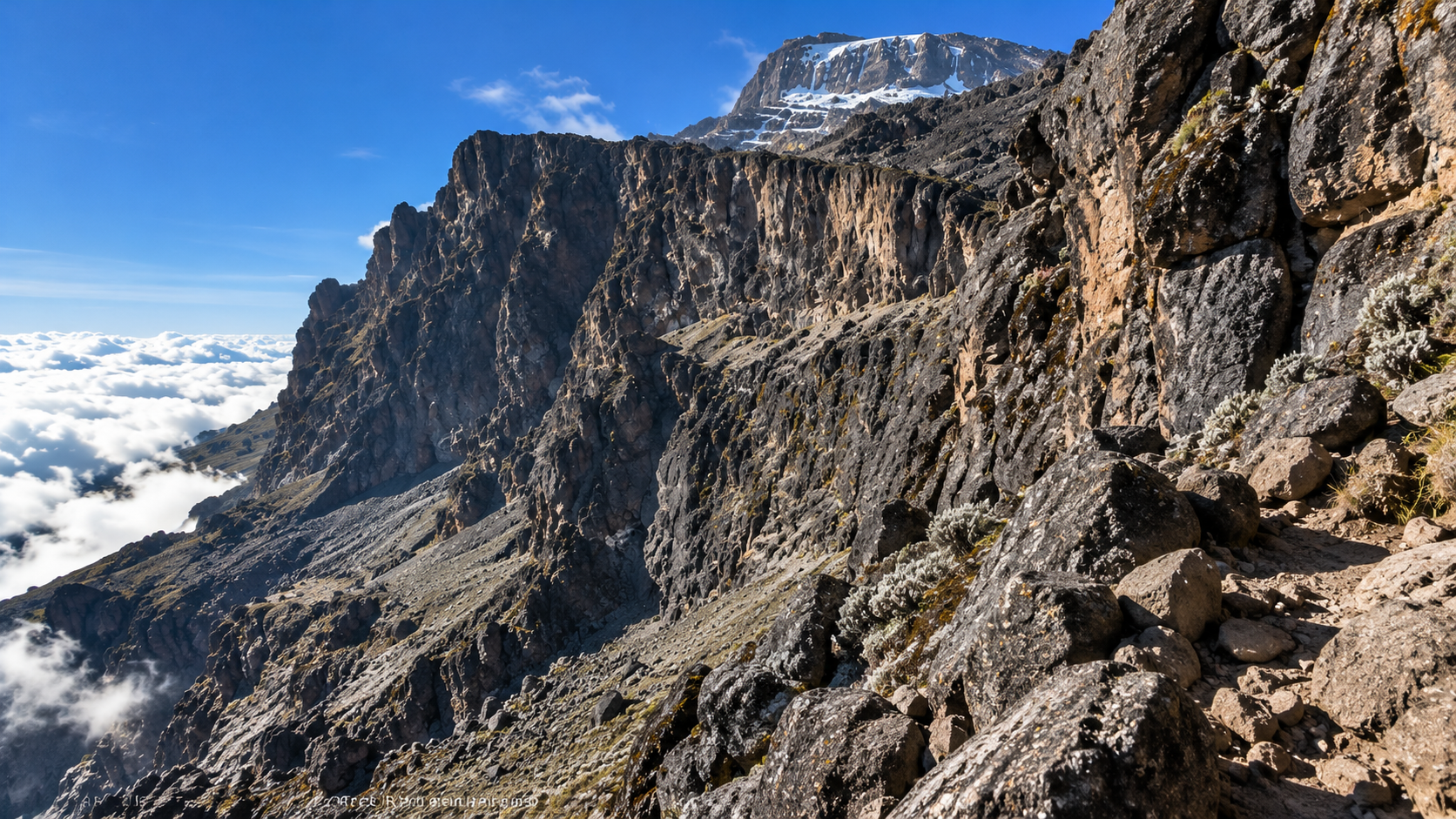
The mountain’s scenery changes with elevation, from lush forest to open moorland and the stark alpine desert near the summit. Every stage offers a different perspective on this remarkable environment.
There is no need to compare your pace with younger trekkers or anyone else’s summit story. The right approach is to prepare for your own abilities, work with an experienced team, and remain flexible throughout the journey.
Climbing at 70 isn’t about proving that age doesn’t matter. It is about understanding your body, respecting the mountain, and making informed choices that give you the best possible chance of enjoying the experience.
Final Thoughts: Age Is One Factor, Not the Whole Story
Climbing Kilimanjaro at 70 can be possible for some people, but it requires honest preparation and careful decision-making. Medical suitability, physical conditioning, acclimatization, route selection, and professional mountain support all matter.
Start by discussing the climb with your healthcare professional. Build your walking endurance gradually, compare itineraries carefully, and choose an experienced operator with clear safety procedures.
Kilimanjaro is a demanding mountain at every age. With the right preparation and realistic expectations, older adventurers can explore whether this extraordinary journey is a suitable next chapter in their own story.
Frequently Asked Questions
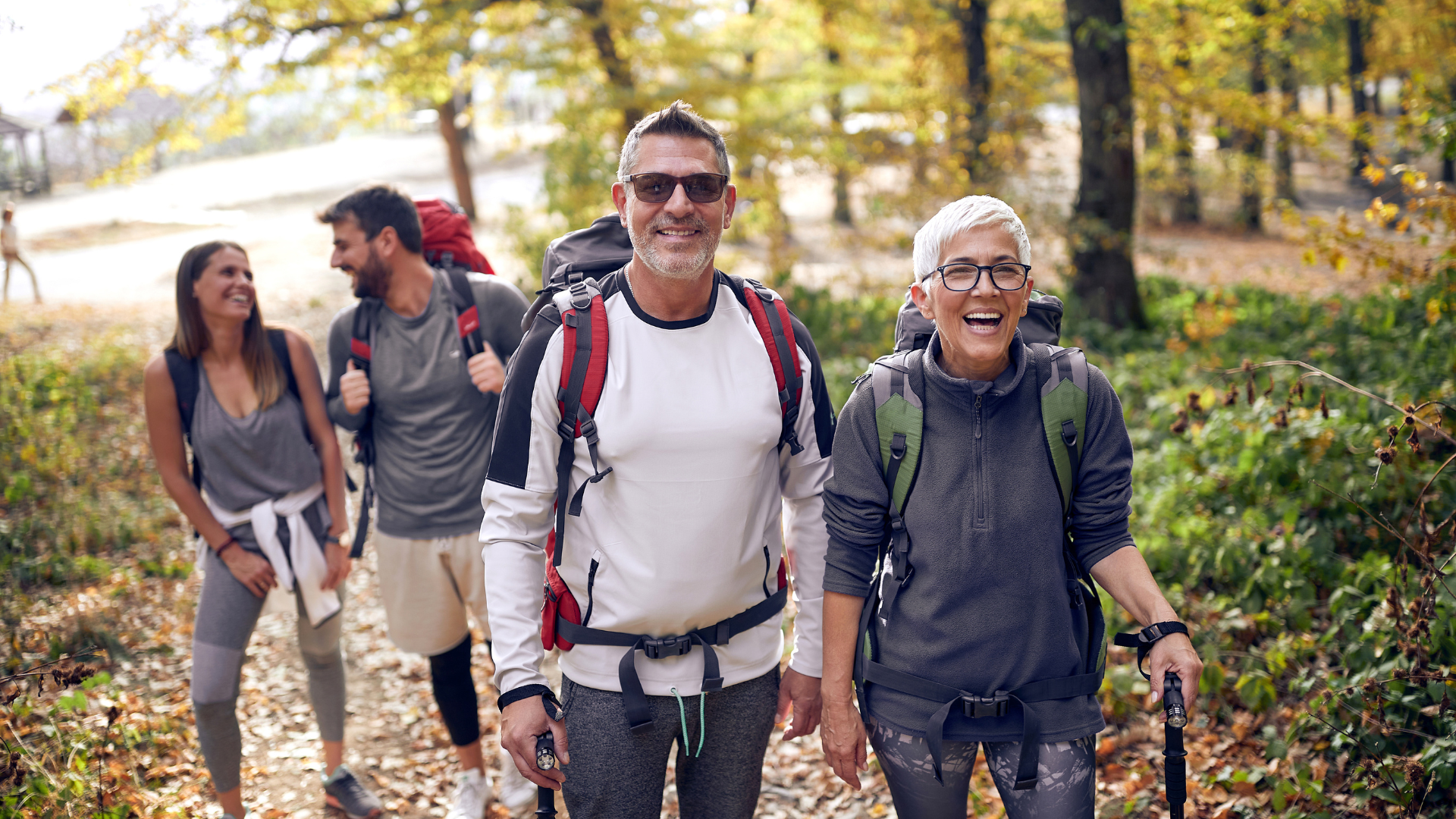
Is 70 too old to climb Mount Kilimanjaro?
Not necessarily. Some people in their seventies have climbed Kilimanjaro, but suitability depends on individual health, fitness, mobility, acclimatization, and medical advice. Reaching the summit cannot be guaranteed.
What is the best Kilimanjaro route for a 70-year-old?
A longer itinerary, such as the 8-day Lemosho Route, may offer more time for acclimatization than a shorter climb. The best option depends on the individual’s health, experience, and the details of the itinerary.
How should a 70-year-old train for Kilimanjaro?
Build walking endurance gradually, practice on hills and uneven terrain, strengthen the legs and core, and include recovery between training sessions. Tailor the program to your abilities and medical advice.
Is altitude sickness more dangerous for older climbers?
Altitude illness can affect people of any age. Older adults may have additional health considerations, so an individualized medical assessment and a clear safety plan are particularly important.