Climbing Mount Kilimanjaro is an adventure filled with unforgettable landscapes, changing ecosystems, and challenges that test both physical endurance and mental determination. Among the most talked-about sections of the mountain is the Barranco Wall, a dramatic rock face that many trekkers encounter during their journey toward Uhuru Peak.
If you are planning a Kilimanjaro climb in 2027, you may have already seen photos of hikers moving along narrow rocky ledges or heard stories about this famous section of the trail. Naturally, one question comes to mind: Is the Barranco Wall difficult?
The good news is that the Barranco Wall is achievable for many trekkers with appropriate preparation, a steady pace, and experienced guides. However, it does require attention, confidence, and careful footing.
Here is what you should know before taking on the Barranco Wall on your 2027 Kilimanjaro adventure.
What Is the Barranco Wall on Kilimanjaro?
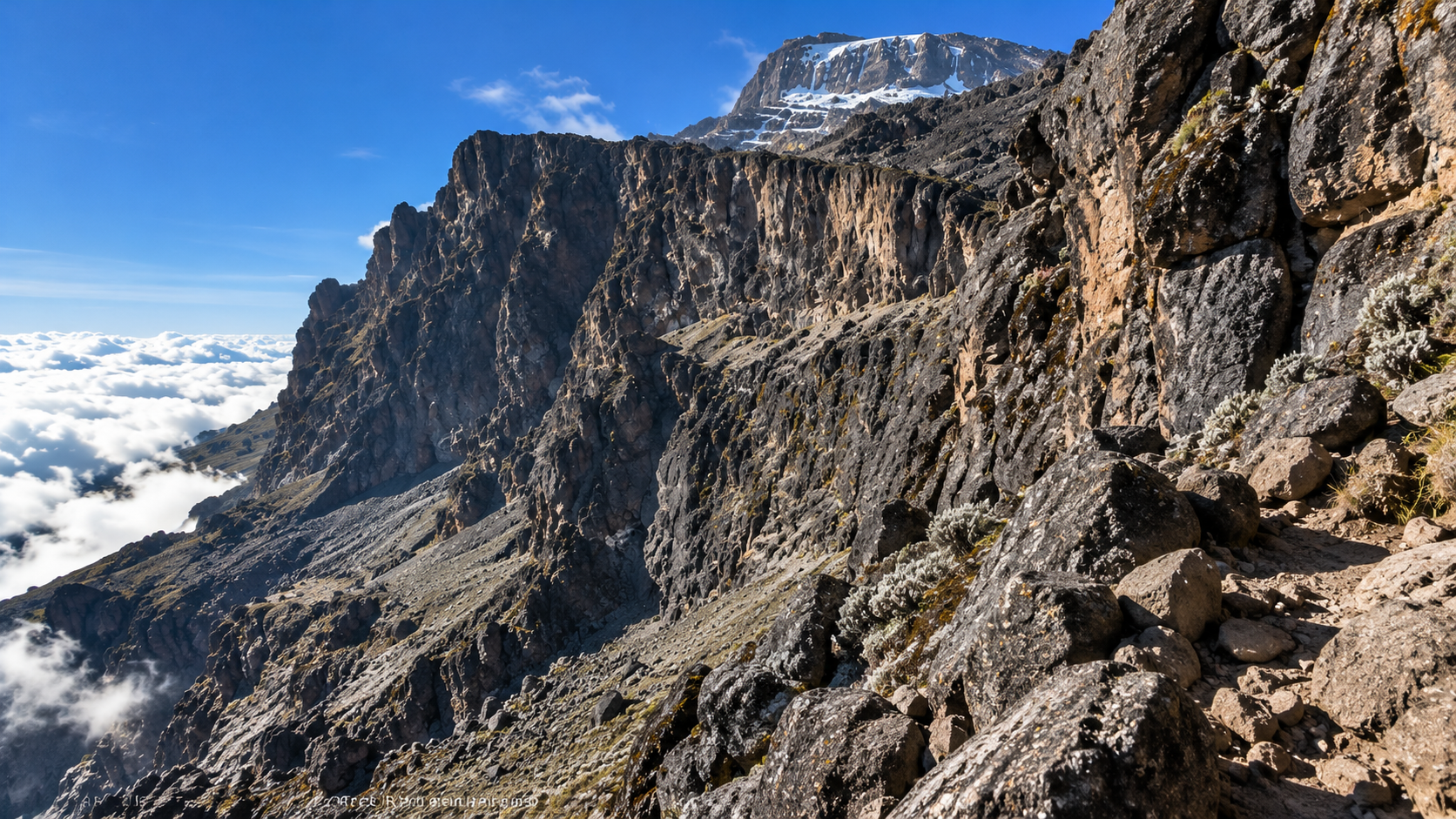
The Barranco Wall is a steep rocky section of Mount Kilimanjaro located above Barranco Camp, at approximately 3,960 meters (13,000 feet) above sea level.
It is a memorable feature of several popular trekking itineraries, including the Lemosho and Machame routes. Climbers typically tackle the wall after spending the night at Barranco Camp, making it one of the defining moments of the trek.
Although the Barranco Wall looks intimidating in photographs, it is not a technical rock-climbing route under normal trekking conditions. Most climbers progress on foot, using their hands for balance and support in certain places.
The trail winds upward across rock formations, narrow passages, and exposed sections. Guides help trekkers navigate the terrain safely while maintaining an appropriate pace.
For many people, reaching the top brings a wonderful sense of accomplishment and a new appreciation for the mountain.
Is the Barranco Wall Difficult?
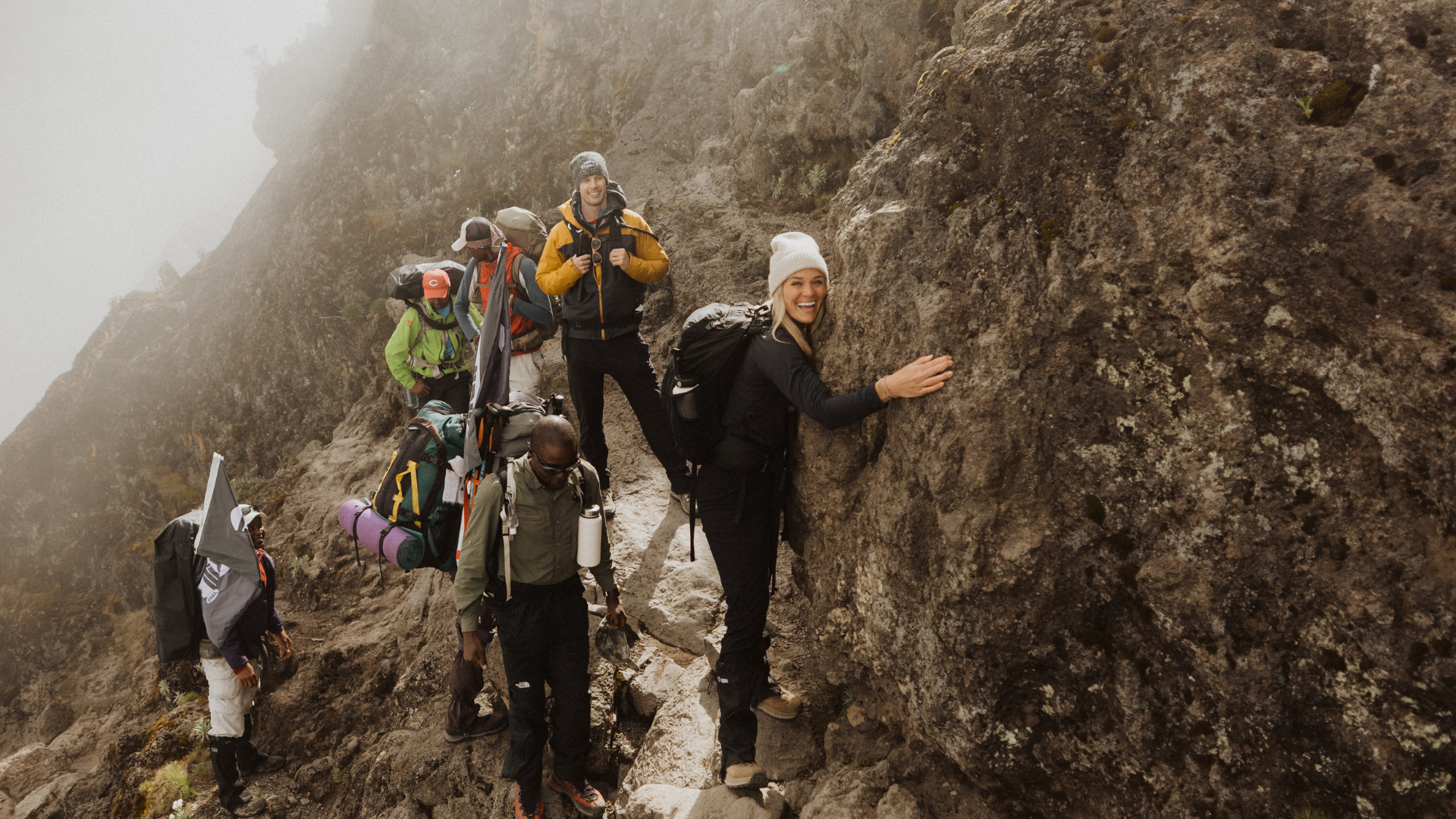
The Barranco Wall is generally considered a challenging but manageable part of the Kilimanjaro trek.
Its difficulty depends on several factors, including your comfort with heights, physical fitness, balance, weather conditions, and how well you are adapting to the altitude.
Unlike a long, steep hike where endurance is the primary challenge, the Barranco Wall involves more hands-on movement. You may need to step carefully between rocks, use your hands to steady yourself, and follow your guide through tighter sections.
You do not need previous technical climbing experience to complete the standard trekking route. However, you should be prepared to concentrate on each step rather than rush toward the top.
The altitude can also make the ascent feel more demanding. At nearly 4,000 meters, your body is working with less available oxygen than it would at sea level.
This is why taking your time, following your guide’s instructions, and allowing yourself to rest when necessary are important parts of the experience.
Is the Barranco Wall Dangerous?
The Barranco Wall has exposed sections and uneven rocky terrain, so it should be approached with care. However, it is not generally considered a technical climbing obstacle requiring ropes or specialized mountaineering equipment under normal trekking conditions.
The main challenges include maintaining balance, choosing secure footholds, managing exposure to heights, and moving carefully through narrow sections.
Conditions can change with rain, wind, or other unfavorable weather. Slippery rocks and poor visibility can increase the difficulty, which makes following your guide’s assessment particularly important.
If you are uncomfortable with heights, tell your guide before beginning the ascent. They can explain what to expect and help you work through the route at a manageable pace.
Remember that reaching the summit is not worth compromising your safety. Your guide should assess the conditions and help the group make appropriate decisions throughout the trek.
How Long Does It Take to Climb the Barranco Wall?
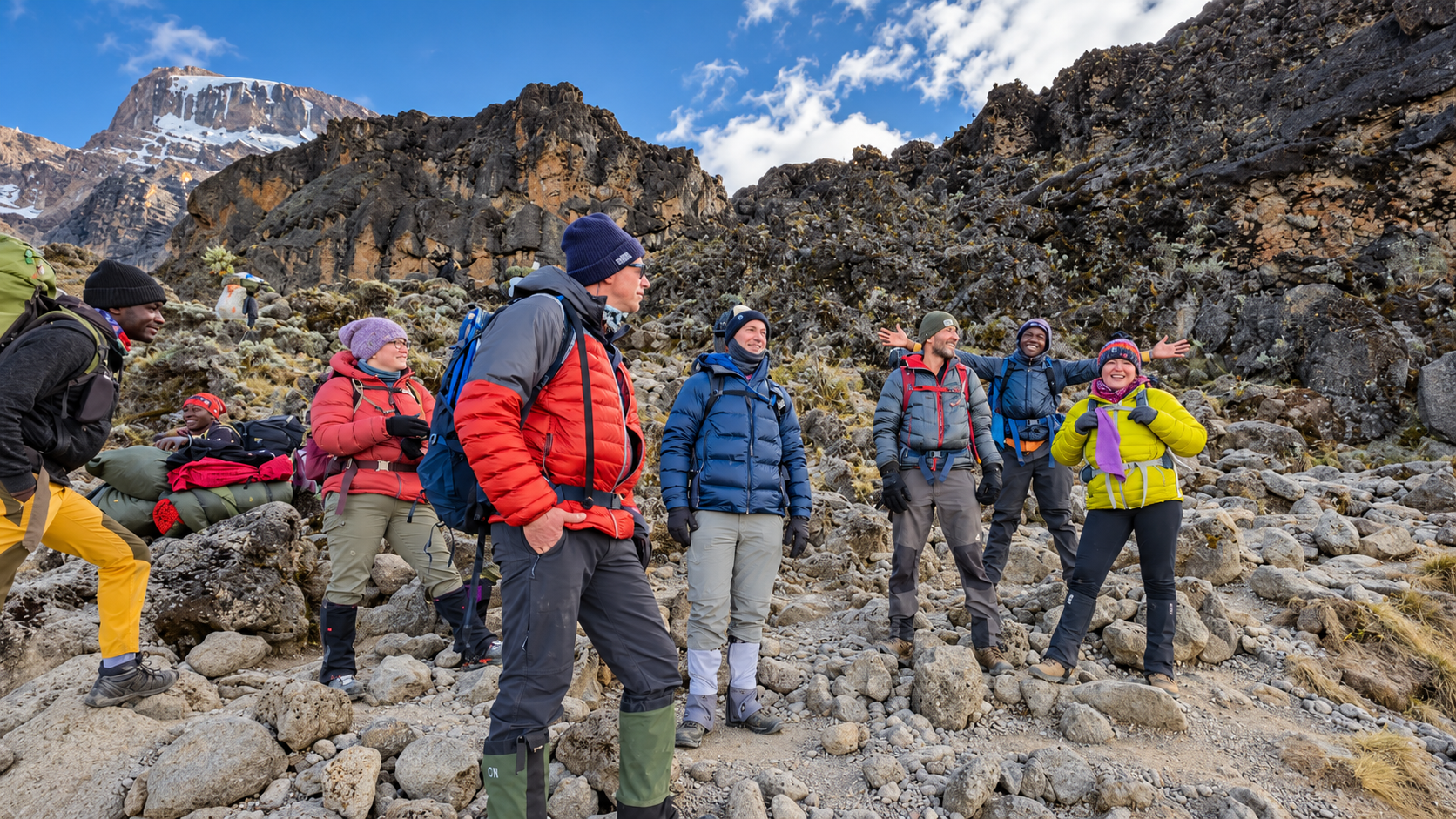
Most trekking groups allow approximately two to three hours to ascend the Barranco Wall, although the actual time varies depending on group size, trail conditions, congestion, and individual pace.
The ascent is not a race. Some sections become slower when several trekkers are moving through the same narrow passage, and that is completely normal.
Your guide will help establish a comfortable rhythm and identify places where you can pause safely.
Once you reach the top, you can enjoy impressive views of the surrounding landscape before continuing along the trail. The route then proceeds toward the Karanga Valley area on many Lemosho and Machame itineraries.
The experience is about more than reaching the top of a rocky section. It is also an opportunity to recognize how much progress you have made since beginning your Kilimanjaro journey.
How to Prepare for the Barranco Wall in 2027
You do not need to train like a technical climber to prepare for the Barranco Wall. Instead, focus on developing the fitness, balance, and confidence that will help you throughout your trek.
1. Build Your Hiking Endurance
Begin preparing several weeks or months before your departure, depending on your current fitness level.
Include regular walks, longer hikes, stair climbing, and uphill sessions in your routine. Gradually increase the duration and difficulty of your workouts so your body becomes accustomed to sustained activity.
If possible, practice hiking on uneven terrain while wearing the backpack you plan to use on the mountain.
2. Choose Comfortable Hiking Boots
Properly fitted hiking boots with reliable traction can help you navigate rocky terrain more comfortably.
Break in your footwear before arriving in Tanzania to reduce the risk of blisters and discomfort. Avoid starting your trek in brand-new boots that you have not tested on longer walks.
3. Practice Moving Slowly and Deliberately
You do not need to rush or take unnecessarily large steps. On uneven terrain, controlled movements and secure footing are more useful than speed.
Follow your guide’s instructions, keep your attention on the trail, and use your hands for balance when needed.
4. Follow the Pole Pole Approach
On Kilimanjaro, the Swahili expression “pole pole” means “slowly, slowly.”
This approach is especially valuable at altitude. Moving at a controlled pace helps conserve energy and gives your body more time to adjust to the mountain environment.
Do not compare your progress with other trekkers. Everyone adapts differently, and maintaining a sustainable pace is more important than finishing a section first.
5. Listen to Your Guide and Your Body
Your guides understand the terrain and can help you navigate the wall safely.
Communicate if you feel anxious, unusually exhausted, dizzy, or unwell. Symptoms of altitude illness should never be ignored, and your guide should assess concerning symptoms before you continue.
Preparation is important, but being willing to adjust your plans is equally important.
Which Kilimanjaro Routes Include the Barranco Wall?
The Barranco Wall is commonly encountered on the Lemosho and Machame routes, among other itineraries that pass through Barranco Valley.
Lemosho Route
The Lemosho Route is a popular option for trekkers seeking a longer approach to Kilimanjaro, beautiful scenery, and additional time for acclimatization on itineraries designed with adequate duration.
Climb Kili offers an eight-day Lemosho itinerary, giving climbers more time on the mountain than a shorter itinerary would. The route eventually joins other trails before continuing toward the summit.
Machame Route
The Machame Route is another popular option known for varied landscapes and a demanding trekking experience.
Climb Kili offers a seven-day Machame itinerary. Like Lemosho, this route passes through Barranco, meaning trekkers should be prepared for the same memorable ascent.
Neither route removes the need to prepare for altitude. Your overall itinerary, acclimatization opportunities, and individual response to elevation all matter when considering your chances of reaching the summit.
When choosing between routes, consider the total number of days, daily elevation changes, scenery, budget, and your personal trekking preferences.
What Happens After the Barranco Wall?
Reaching the top of the Barranco Wall does not mean the Kilimanjaro climb is finished, but it marks an important milestone.
After the ascent, trekkers continue through the mountain’s rugged landscape, often heading toward Karanga Camp on itineraries that follow this route.
The journey continues with further acclimatization, additional hiking, and preparation for summit night.
Summit night is often one of the most demanding parts of the expedition because climbers begin their final ascent in darkness, in cold conditions, and at much higher altitude.
That is why it is important to think about the entire itinerary rather than focus exclusively on one obstacle.
The Barranco Wall is a memorable challenge, but reaching Uhuru Peak requires a combination of preparation, pacing, acclimatization, teamwork, and careful decision-making throughout the climb.
Is Kilimanjaro Worth Climbing in 2027?
For many adventurers, climbing Mount Kilimanjaro is about much more than reaching Africa’s highest point.
It is an opportunity to experience Tanzania’s extraordinary landscapes, challenge yourself physically and mentally, and spend several days immersed in the natural world.
The Barranco Wall is one of the sections that makes the journey memorable. What initially looks intimidating can become a rewarding experience when approached with patience, preparation, and guidance.
If you are considering Kilimanjaro in 2027, start by selecting an itinerary that suits your needs, preparing your body for consecutive days of hiking, and understanding the importance of acclimatization.
You do not have to be an experienced mountaineer to begin planning your climb. You do, however, need to approach the mountain with respect and a willingness to listen to your guides.
Plan Your 2027 Kilimanjaro Climb With Climb Kili
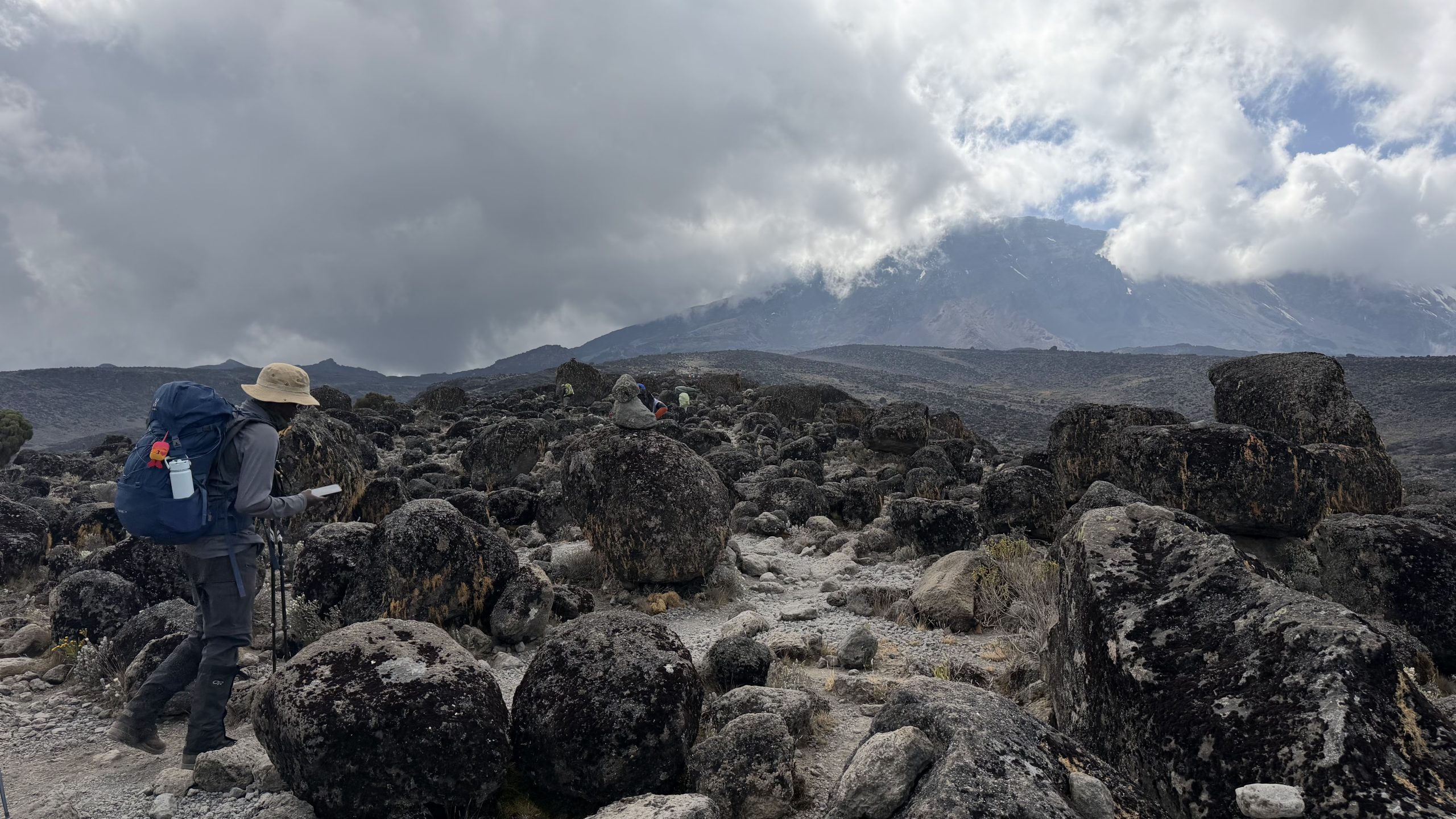
At Climb Kili, we help trekkers prepare for the realities of climbing Mount Kilimanjaro, from choosing a suitable route to understanding what lies ahead on the trail.
Whether you are considering the eight-day Lemosho Route or the seven-day Machame Route, our team can help you explore your options and plan your adventure.
The Barranco Wall may be one of the most talked-about parts of the climb, but with the right preparation and a well-planned itinerary, it can become one of your most rewarding memories.
Ready to plan your 2027 Kilimanjaro adventure? Explore our Kilimanjaro trekking routes and contact Climb Kili to discuss your climb.
Frequently Asked Questions
1. Do you need climbing experience to climb the Barranco Wall?
No. The standard trekking route does not generally require technical rock-climbing experience. However, you should be comfortable following instructions, moving carefully over rocky terrain, and using your hands for balance where needed.
2. Is the Barranco Wall suitable for beginners?
Many first-time Kilimanjaro trekkers complete the Barranco Wall as part of a guided expedition. Your fitness, confidence with heights, health, and the prevailing conditions all influence the experience.
3. How high is the Barranco Wall?
Barranco Camp sits at approximately 3,960 meters (13,000 feet). The wall rises above the camp, and trekkers ascend it as part of the route toward the higher sections of the mountain.
4. Can you avoid the Barranco Wall on Kilimanjaro?
The Barranco Wall is part of several popular itineraries, including the standard Lemosho and Machame routes. Route alternatives depend on the itinerary and operator, so discuss your concerns with your tour operator before booking.
5. What is the best route for climbing Kilimanjaro in 2027?
The best route depends on your available time, budget, trekking experience, and acclimatization priorities. Longer itineraries can provide more time for acclimatization, but no route guarantees summit success.
6. What should you wear to climb the Barranco Wall?
Wear comfortable, broken-in hiking boots with good traction, suitable layered clothing, and a daypack. Conditions can change quickly, so your equipment should be appropriate for the weather and your guide’s recommendations.
7. How can I prepare for Kilimanjaro in 2027?
Build hiking endurance, practice uphill walking, test your footwear, and learn about altitude awareness. Choose a suitable itinerary and follow your guide’s instructions throughout the expedition.