With headlines covering the 2026 Ebola outbreak in parts of Central and East Africa, many travelers planning to climb Mount Kilimanjaro are looking for updated information before traveling.
We understand that health-related travel news can feel overwhelming—especially when planning a major adventure like Kilimanjaro.
The purpose of this article is to provide general information and help travelers stay informed as international travel conditions continue to evolve.
Where Is the Current Ebola Outbreak Being Reported?
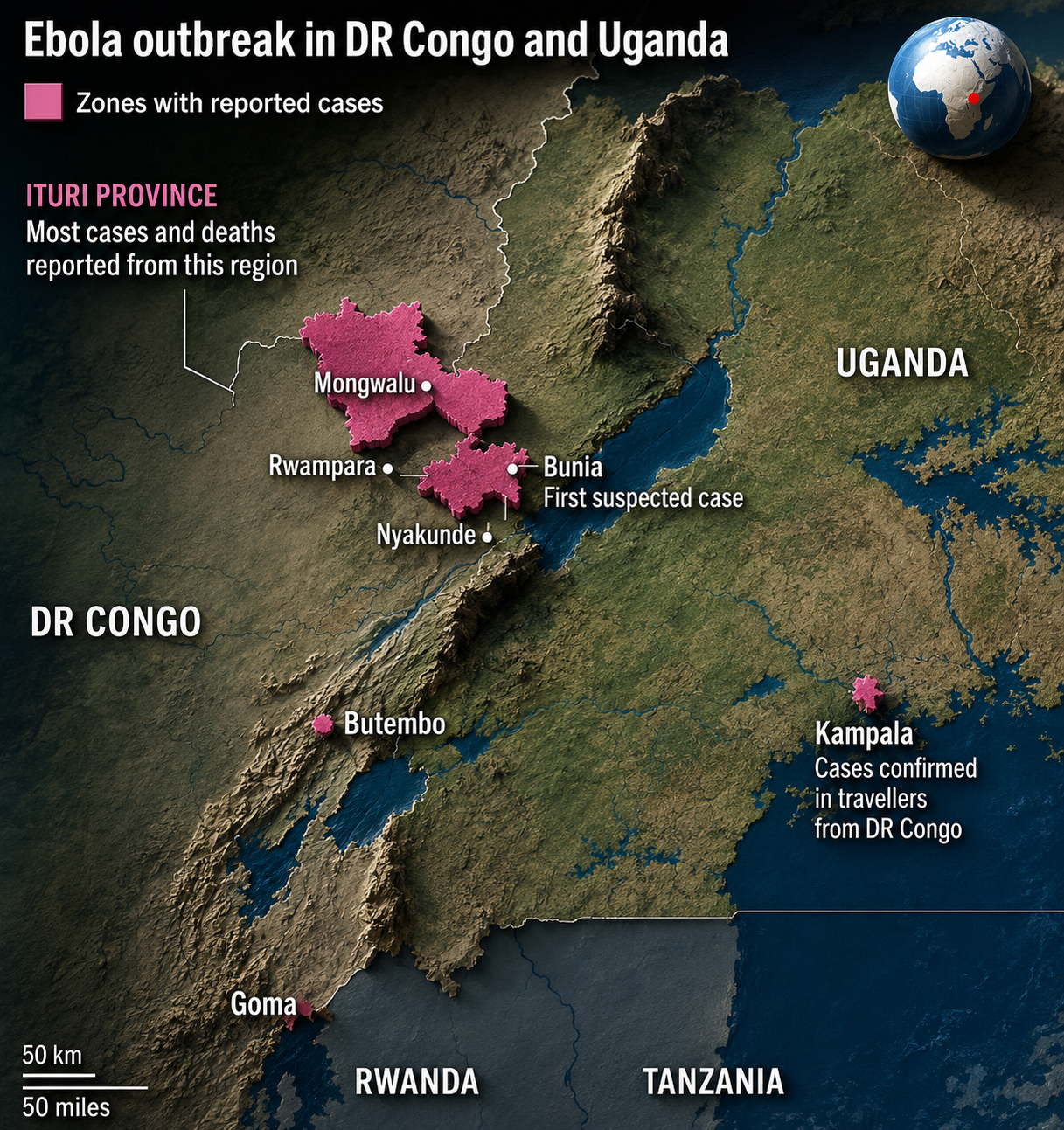
Current outbreak activity has primarily been reported in parts of:
- Democratic Republic of Congo (DRC)
- Uganda
According to public reporting, neighboring countries across East Africa have increased health preparedness and monitoring measures in response to regional travel connections.
Tanzania has also announced precautionary preparedness measures related to international arrivals and border monitoring.
Because situations like this can change quickly, travelers should continue monitoring official public health and government travel sources for the latest updates.
What This Means for Kilimanjaro Travelers
Most Kilimanjaro itineraries typically take place in northern Tanzania, including areas such as:
- Moshi
- Arusha
- Kilimanjaro National Park
- Safari regions like Serengeti and Ngorongoro
- Zanzibar
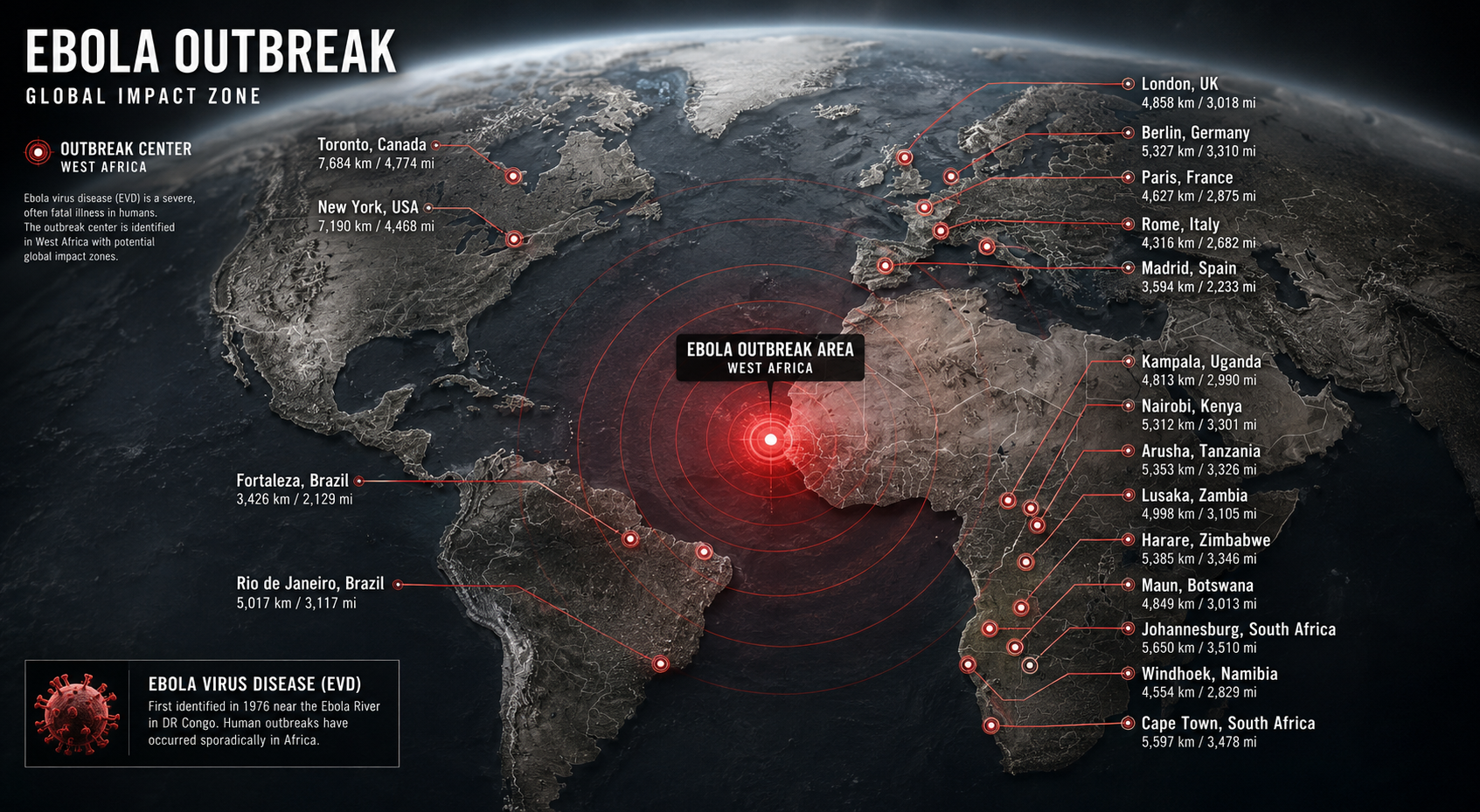
Current publicly reported outbreak activity has primarily been reported in other parts of East and Central Africa.
However, international travel conditions, health screenings, and airline operations can evolve quickly.
What Precautionary Measures May Travelers See?

Travelers may notice additional precautionary measures such as:
- Health screening procedures
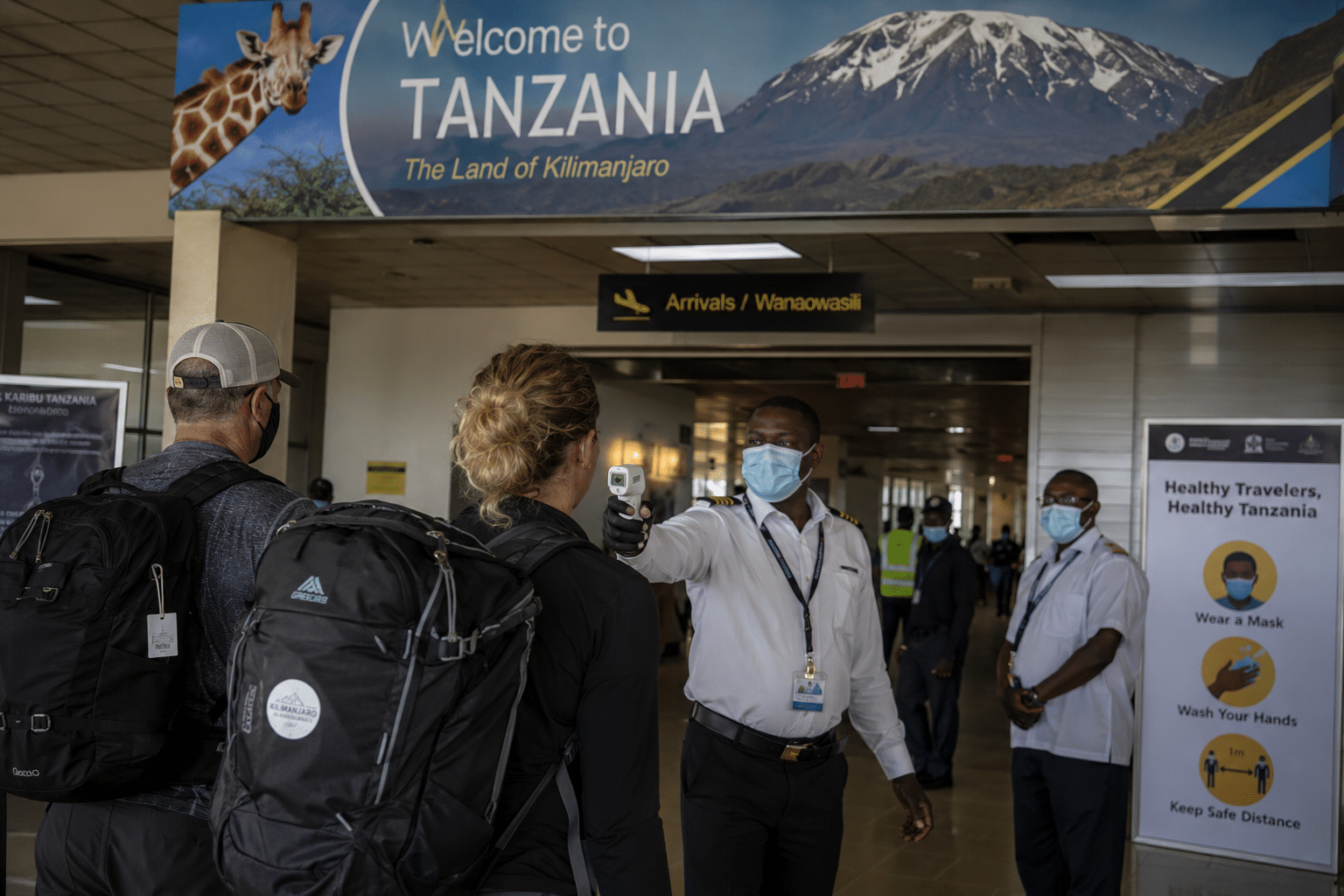
- Temperature checks at airports
- Additional travel-related health questions
- Increased public health messaging
Requirements and procedures may vary depending on:
- Airline
- Transit country
- Country of origin
- Current health guidance
Understanding How Ebola Spreads
According to public health authorities, Ebola is generally understood to spread through direct contact with bodily fluids of an infected individual.
Typical Kilimanjaro itineraries generally involve different environments than healthcare or outbreak-response settings.
Travelers should continue following standard hygiene and health precautions while traveling internationally.
Travel Tips for Kilimanjaro Climbers
Stay Updated Through Official Sources
Before departure, monitor:
- Government travel advisories
- Airline notifications
- Official Tanzania travel updates
Consider Flexible Travel Planning
Some travelers may choose:
- Flexible flight options
- Travel insurance with interruption coverage
- Refundable accommodations where available
Practice Good Hygiene
Basic travel precautions remain important:
- Wash hands regularly
- Carry hand sanitizer
- Avoid traveling while ill
Monitor Your Health Before Travel
If you are feeling unwell before departure, contact a healthcare professional before traveling internationally.
Staying Flexible During International Travel
International travel conditions can evolve quickly.
Flexible planning, monitoring official advisories, and allowing extra time for changing travel procedures can help travelers navigate uncertainty more comfortably.
How Climb Kili Supports Travelers
Climb Kili continues monitoring travel-related developments that may affect climbers.
Support may include:
- Guidance on travel logistics
- Coordination support when possible
- Communication regarding major itinerary-related updates
The goal is to help travelers stay informed and prepared throughout the planning process.
Important Health & Travel Notice
Information related to international travel and public health situations can change rapidly. This article is provided for general informational purposes only and should not be considered medical, health, or travel advice. Travelers should consult official government advisories, healthcare professionals, airlines, and relevant authorities directly before making travel decisions.
Final Thoughts: Staying Informed Matters
Planning an international trip during a public health event can bring uncertainty.
For many travelers, preparation, flexibility, and staying informed are the most important parts of navigating changing travel conditions.
And when the time comes to step onto the slopes of Mount Kilimanjaro, preparation and awareness can help travelers feel more confident throughout the journey.
Planning a Future Kilimanjaro Adventure?
Whether you’re actively planning your climb or simply gathering information, preparation is one of the best ways to approach international travel confidently.
If you have questions about routes, logistics, or general trip planning, explore resources at Climb Kili or reach out anytime at info@climbkili.com.
Tutaonana juu ya mlima (See you on the mountain) 💚🏔️