If you’re planning to climb Mount Kilimanjaro, one of the most common questions is:
How cold is Kilimanjaro?
The short answer:
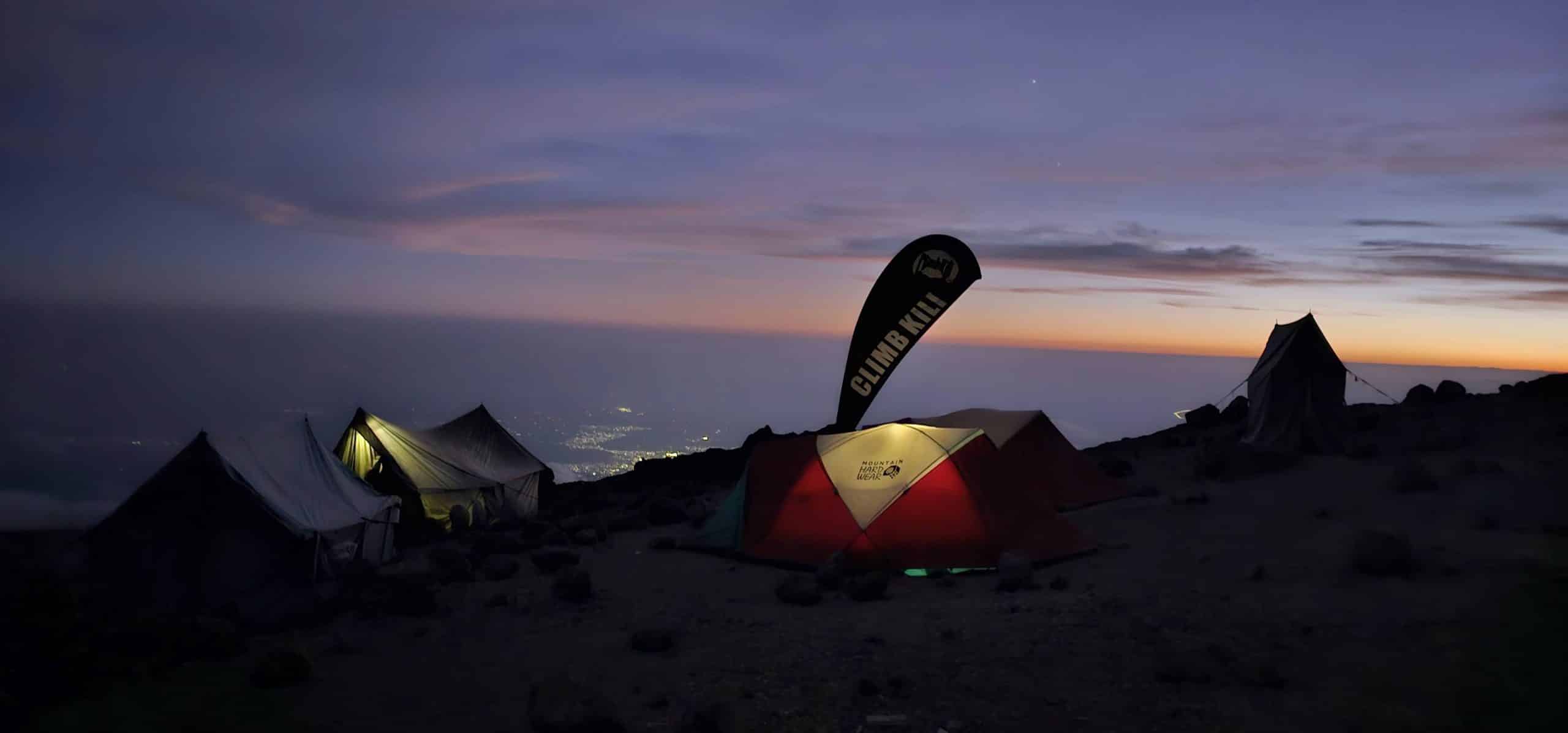
Temperatures vary dramatically depending on altitude and it gets extremely cold near the summit.
From warm rainforest conditions at the base to freezing arctic temperatures at the top, Kilimanjaro takes you through multiple climate zones in just a few days.
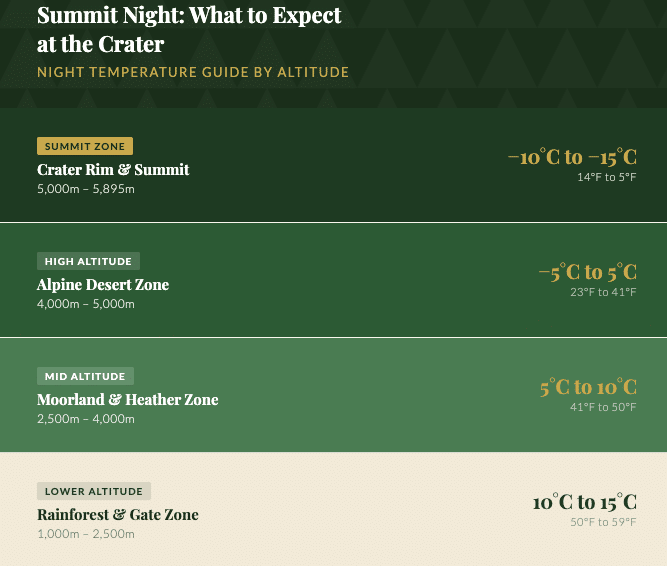
Kilimanjaro Temperature by Altitude
One of the most unique aspects of Kilimanjaro weather is how quickly temperatures change as you climb.
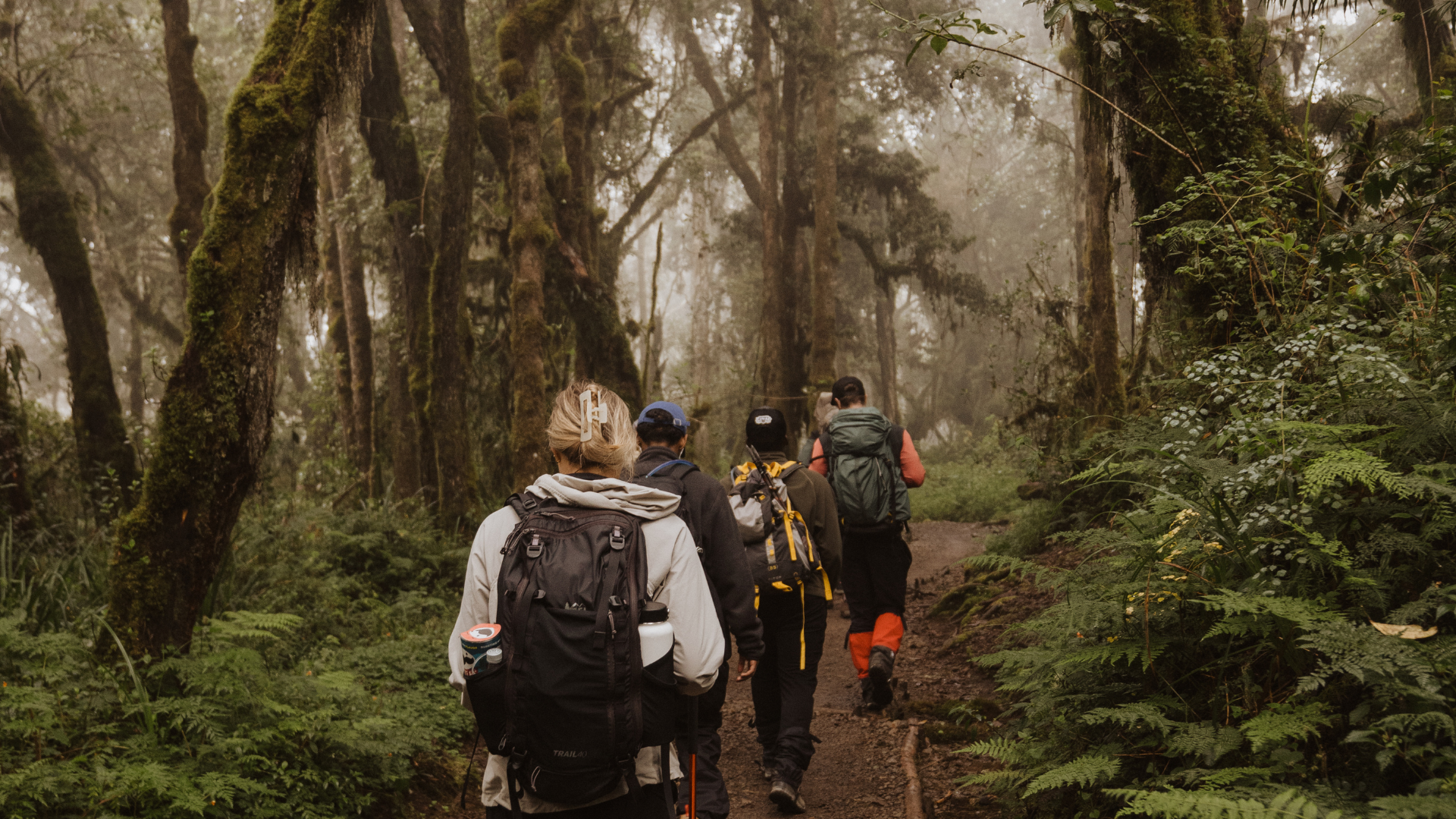
Base (Rainforest Zone: 1,800–3,000m)
- Day: 20–30°C (68–86°F)
- Night: 10–15°C (50–59°F)
You’ll start your trek in warm, humid conditions—often hiking in short sleeves.
Mid-Mountain (Moorland: 3,000–4,000m)
- Day: 10–20°C (50–68°F)
- Night: 0–10°C (32–50°F)
Temperatures begin to drop, especially in the evenings.
High Camp (Alpine Desert: 4,000–5,000m)
- Day: 5–10°C (41–50°F)
- Night: -5 to -10°C (23–14°F)
The air becomes colder, drier, and windier.
Summit Zone (Above 5,000m)
- Day: -7 to -20°C (19 to -4°F)
- Night (summit push): -10 to -25°C (14 to -13°F)
This is where the Kilimanjaro summit temperature becomes extreme especially during summit night.
Why Kilimanjaro Feels Even Colder
Even if the numbers don’t sound extreme, the cold can feel much harsher due to:
Wind Chill
Strong winds at higher elevations can make temperatures feel significantly colder.
Altitude
Your body produces less heat and energy at altitude, making it harder to stay warm.
Fatigue
By summit night, your body is tiredreducing your ability to regulate temperature.
What Summit Night Really Feels Like
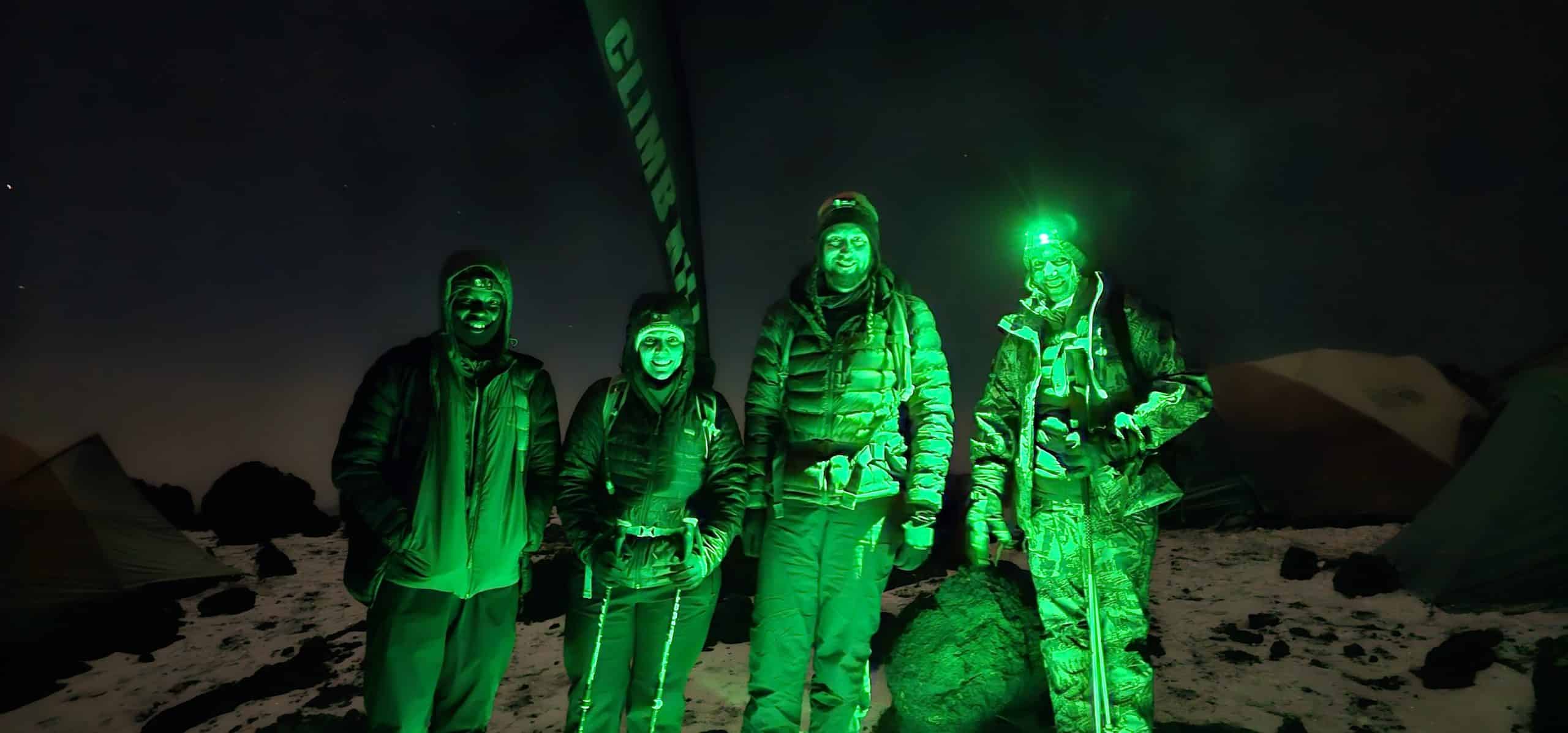
Summit night is when most climbers truly feel the cold.
The climb usually starts around midnight, when temperatures are at their lowest. You’ll hike slowly in the dark for several hours before reaching Uhuru Peak, the highest point on Mount Kilimanjaro.
Climbers often describe it as:
- Very cold but manageable with the right gear
- Quiet and surreal under a sky full of stars
- Challenging—but incredibly rewarding
With proper preparation, most climbers handle the cold well.
What to Wear to Stay Warm on Kilimanjaro
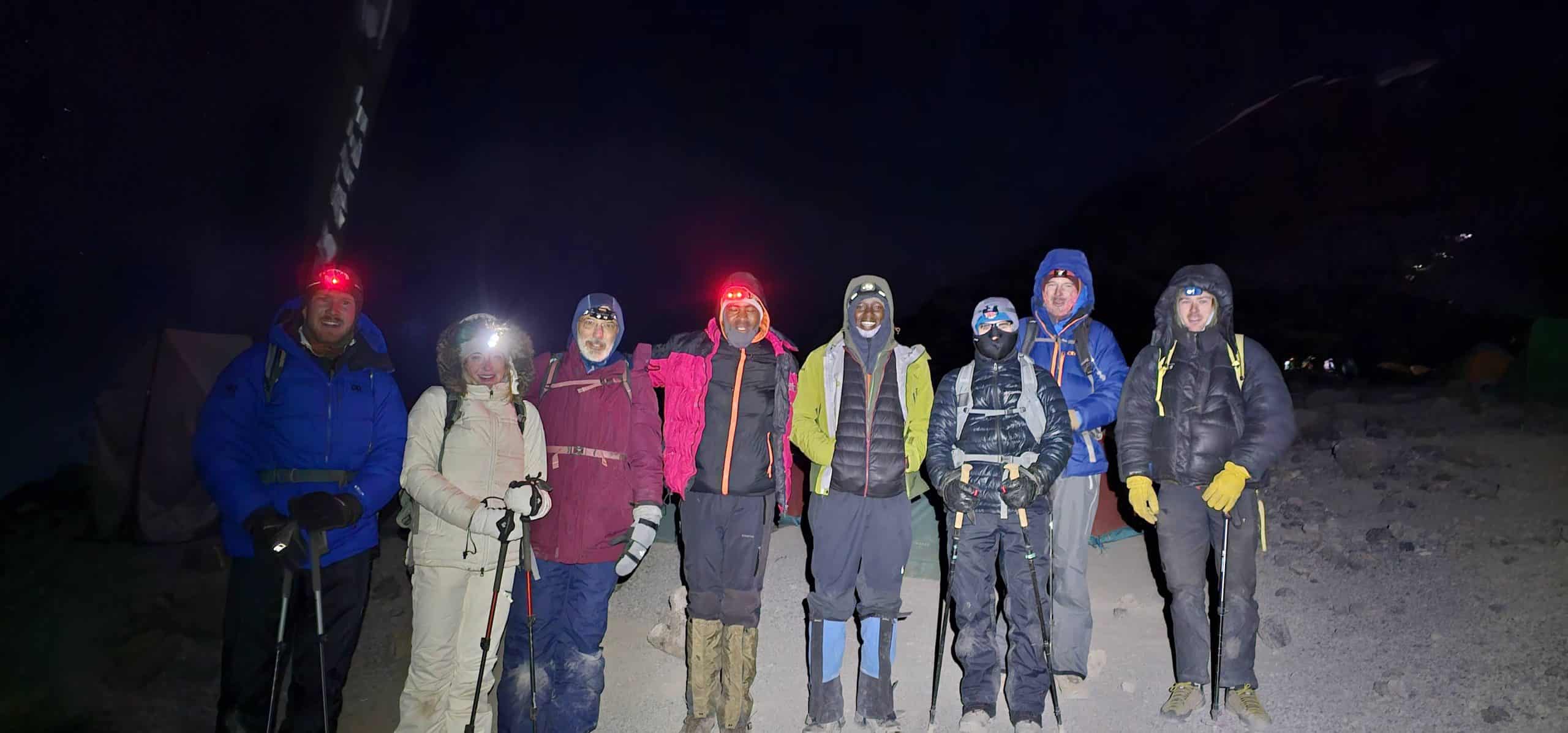
Dressing properly is the key to handling Kilimanjaro temperature changes.
Layering System
A proper layering system includes:
- Base layer (moisture-wicking)
- Insulating layer (fleece or down)
- Outer shell (windproof and waterproof)
Essential Cold-Weather Gear
- Insulated down jacket
- Warm hat and balaclava
- Gloves (liner + insulated outer)
- Thermal socks
- Waterproof hiking boots
Pro Tip
Layering is everything.
You’ll adjust clothing throughout the day as temperatures change.
When Is Kilimanjaro Coldest?
Kilimanjaro is cold year-round at the summit, but conditions vary slightly by season.
- January–March: Cooler mornings, clearer skies
- June–October: Cold and dry, especially at night
- Rainy seasons: Wetter, which can make it feel colder
No matter when you climb, the summit will always be below freezing.
How Climb Kili Helps You Prepare for the Cold
Climb Kili ensures climbers are well-prepared for cold conditions by providing:
- Detailed packing lists
- Pre-climb guidance
- Experienced guides monitoring your condition
- Support throughout the trek
With the right preparation and support, the cold becomes part of the experience—not a barrier.
So… How Cold Is Kilimanjaro?
Kilimanjaro starts warm but by the time you reach the summit, temperatures can drop as low as -20°C (-4°F) or colder.
It’s a mountain of extremes.
But with the right gear, proper layering, and a strong support team, climbers from around the world successfully reach the summit every year.
And when the sun rises over Africa from the top of Mount Kilimanjaro, the cold quickly becomes part of the story you’ll never forget. 🏔️
Ready to Experience Kilimanjaro for Yourself?
Climbing Mount Kilimanjaro is more than reaching the summit it’s about stepping into something bigger than you expected.
With the right preparation, the right gear, and the right team beside you, even the coldest moments on the mountain become part of an unforgettable journey.
If you’re thinking about taking that step, we’re here to guide you through every part of the process—from planning and training to standing on the summit at sunrise.
You can explore routes, dates, and everything you need to know at Climb Kili, or reach out directly at info@climbkili.com—we’re always happy to help you get started.
Tutaonana juu ya mlima (See you on the mountain) 💚🏔️