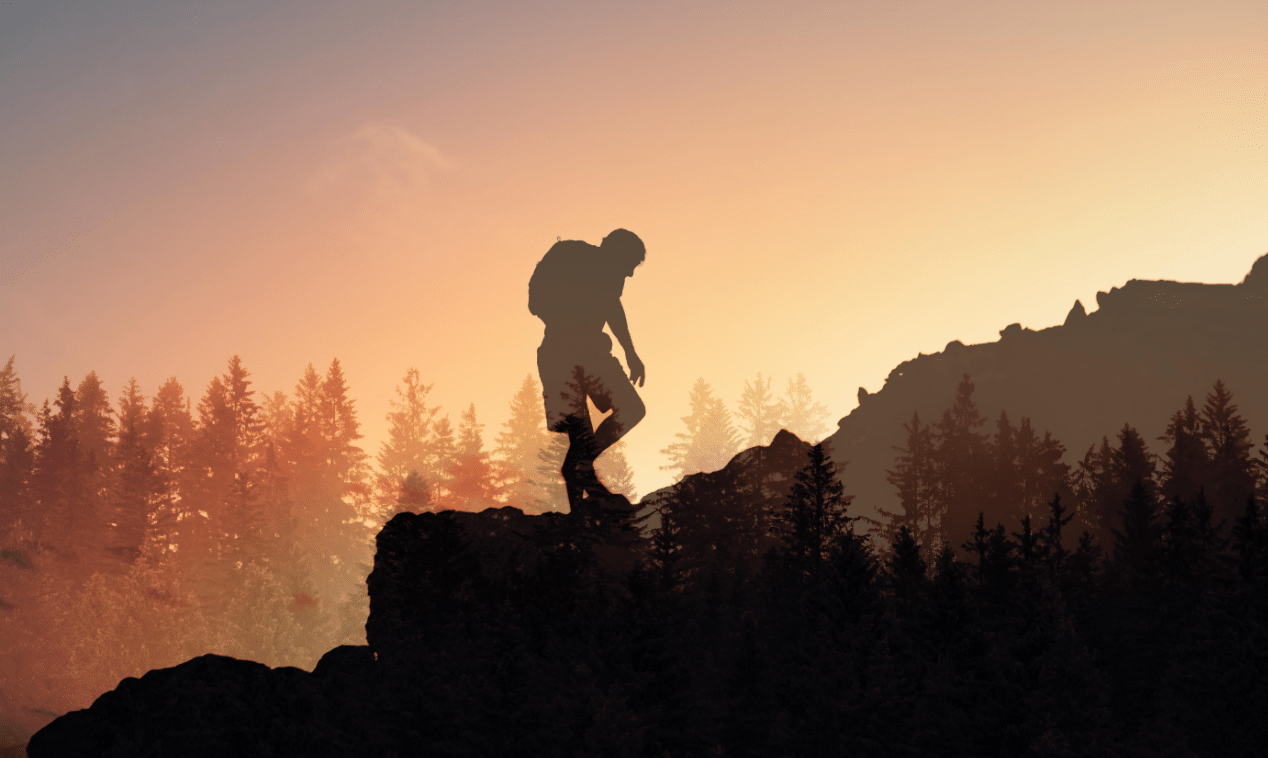
Training for Mount Kilimanjaro is one of the most important steps in preparing for a successful climb.
The good news? You don’t need to be an elite athlete but you do need a plan.
This Kilimanjaro training plan is designed for first-time climbers to build endurance, strength, and confidence over 12 weeks so you can enjoy the journey and feel strong on summit day.
Why Training for Kilimanjaro Matters
Climbing Kilimanjaro is a multi-day trek at altitude. While it’s not technical, it is physically demanding.
A solid Kilimanjaro fitness plan helps you:
- Hike longer without exhaustion
- Recover faster each day
- Handle elevation gain more comfortably
- Improve your overall summit experience
Pairing your training with the right gear—like what’s outlined in a proper Kilimanjaro packing list can make a noticeable difference on the mountain.
12-Week Kilimanjaro Training Plan (At a Glance)
| Week | Focus | Cardio | Strength | Long Hike |
|---|---|---|---|---|
| 1–2 | Build base | 30–45 min (3x) | 1x | 60 min |
| 3–4 | Consistency | 45 min (4x) | 2x | 90 min |
| 5–6 | Strength | 60 min (4x) | 2x | 2–3 hrs |
| 7–8 | Endurance | 60–75 min (5x) | 2x | 3–4 hrs |
| 9–10 | Peak | 75–90 min (5x) | 2x | 4–5 hrs |
| 11–12 | Simulate climb | 60–90 min | 1–2x | 5–6 hrs |
Weeks 1–4: Build Your Base

Start by building a strong foundation.
Weekly Goals:
- 3–4 days of cardio (30–45 minutes)
- 1–2 strength sessions
- 1 longer walk or hike (60–90 minutes)
Focus On:
- Walking, hiking, cycling, or stair climbing
- Light strength training (legs and core)
- Consistency over intensity
Weeks 5–8: Build Strength & Endurance

Now it’s time to level up your training.
Weekly Goals:
- 4–5 days of cardio (45–75 minutes)
- 2 strength sessions
- 1 long hike (2–4 hours)
Add:
- Incline training (hills or stairs)
- Backpack training (start with 10–15 lbs)
- Longer weekend hikes
Weeks 9–12: Peak Training Phase

This is where your training comes together.
Weekly Goals:
- 5 days of cardio (60–90 minutes)
- 2 strength sessions
- 1–2 long hikes (4–6+ hours)
Focus On:
- Back-to-back hiking days
- Training with a loaded backpack
- Simulating real trail conditions
Why Back-to-Back Hikes Matter
On Kilimanjaro, you’ll be hiking multiple days in a row.
Training your body to perform on tired legs is one of the best ways to prepare.
Try this:
- Saturday: Long hike
- Sunday: Shorter recovery hike
This mimics real conditions on the mountain and builds true endurance.
Can Beginners Climb Kilimanjaro?
Yes—many people who climb Mount Kilimanjaro are first-time trekkers.
Kilimanjaro is a non-technical climb, meaning you don’t need mountaineering experience. What matters most is:
- Consistent training
- Mental preparation
- Proper acclimatization
- Choosing the right route
Exploring different Kilimanjaro routes can help you select the best option for your experience level and goals.
Key Exercises for Kilimanjaro Training
To build a strong Kilimanjaro fitness plan, include:
- Step-ups (great for uphill endurance)
- Squats and lunges
- Core workouts (planks, leg raises)
- Stair climbing or incline walking
How to Train for Altitude (Even at Sea Level)
You can’t fully replicate altitude but you can prepare effectively.
Focus On:
- Cardiovascular endurance
- Controlled breathing
- Steady pacing
On the mountain, guides will remind you:
“Pole pole” — slowly, slowly.
Train With the Gear You’ll Use
Whenever possible, train in:
- Your hiking boots
- Your backpack
- Your trekking poles
This reduces surprises and builds confidence before your climb.
What Most First-Time Climbers Get Wrong
Many climbers make these common mistakes:
- Not training with a backpack
- Skipping long hikes
- Ignoring recovery
- Training too aggressively
Consistency always wins.
How Climb Kili Supports Your Preparation
Climb Kili supports climbers long before they arrive in Tanzania.
This includes:
- Guidance on training for Kilimanjaro
- Detailed packing lists
- Route recommendations
- Small group climbs for personalized support
Understanding Kilimanjaro pricing can also help you choose the right level of support for your experience.
Pro Tip
Train for time on your feet not just intensity.
Kilimanjaro is about endurance over multiple days, not speed.
Important Note
Always listen to your body and consult a medical professional before starting a new training program, especially if you have existing injuries or health concerns.
Final Thoughts: You’re Stronger Than You Think
Training for Kilimanjaro isn’t about perfection it’s about preparation.
If you follow a consistent Kilimanjaro training plan, build gradually, and stay committed, you’ll be ready for the challenge ahead.
Standing on the summit of Mount Kilimanjaro is not just about reaching the top—it’s about everything you did to get there.
Ready to Start Training for Kilimanjaro?
Every successful summit starts long before you arrive in Tanzania.
With the right training plan, the right support, and the right team beside you, Kilimanjaro becomes more than a goal—it becomes something you’re fully prepared for.
If you’re thinking about climbing, explore routes, preparation resources, and trip options at Climb Kili—or reach out anytime at info@climbkili.com.
Tutaonana juu ya mlima (See you on the mountain) 💚🏔️