If you’re searching for the best time to climb Kilimanjaro, August is one of the months that consistently stands out.
Kilimanjaro can be climbed year-round, but the mountain’s clearest and driest conditions generally occur from late June through October and again from late December through February. August falls directly in the middle of the long dry season, making it a popular choice for climbers looking for favorable trekking conditions.
But is August actually the best month?
Not necessarily for everyone.
August offers an excellent combination of dry weather, visibility, and classic peak-season conditions, but September and October can also be outstanding choices. The right month depends on whether you prioritize weather, crowds, availability, or the overall atmosphere on the mountain.
Here’s why climbing Kilimanjaro in August remains such a popular choice—and how it compares with the months that follow.
Why Timing Matters on Kilimanjaro
Kilimanjaro doesn’t have four traditional seasons like many destinations. Instead, its trekking calendar is shaped primarily by alternating wet and dry periods.
The long rains generally occur from March through May, while the mountain’s more favorable dry period runs from late June through October. A second dry window generally occurs from late December through February.
For climbers, the dry season can mean:
- Less rainfall on the lower slopes
- Drier trails
- Better visibility
- More comfortable trekking conditions
- Excellent opportunities for photography
- Favorable conditions for summit night
August sits right in the heart of this popular climbing season.
Kilimanjaro Weather in August
One of the biggest reasons people choose August is the generally dry weather.
Climb Kili’s monthly data lists approximately 0.7 inches (1.8 cm) of average rainfall at the start of the climb in August, making it one of the driest months in its annual table. September is even slightly drier at approximately 0.6 inches (1.5 cm).
At lower elevations, average temperatures at the beginning of an August climb are around 70°F (21°C). However, don’t let those numbers fool you.
Kilimanjaro passes through several climate zones as you ascend. Conditions become progressively colder, and the summit zone can be extremely cold, particularly during the overnight summit push.
A good August trek therefore still requires serious preparation for cold, wind, rain, and changing mountain weather.
Dry season does not mean summer conditions at the summit.
August Offers Excellent Visibility
Clearer conditions are one of the major attractions of an August Kilimanjaro trek.
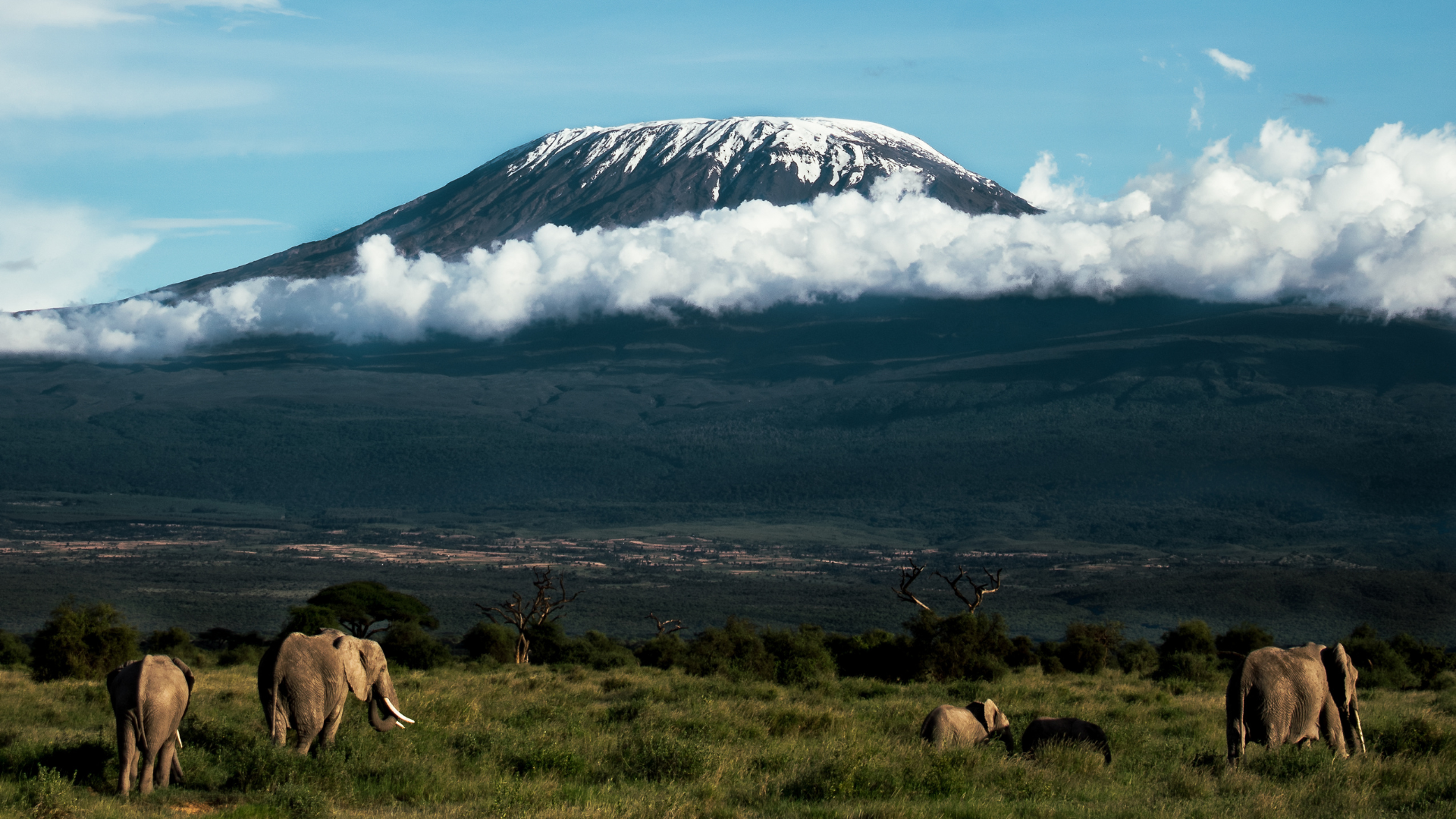
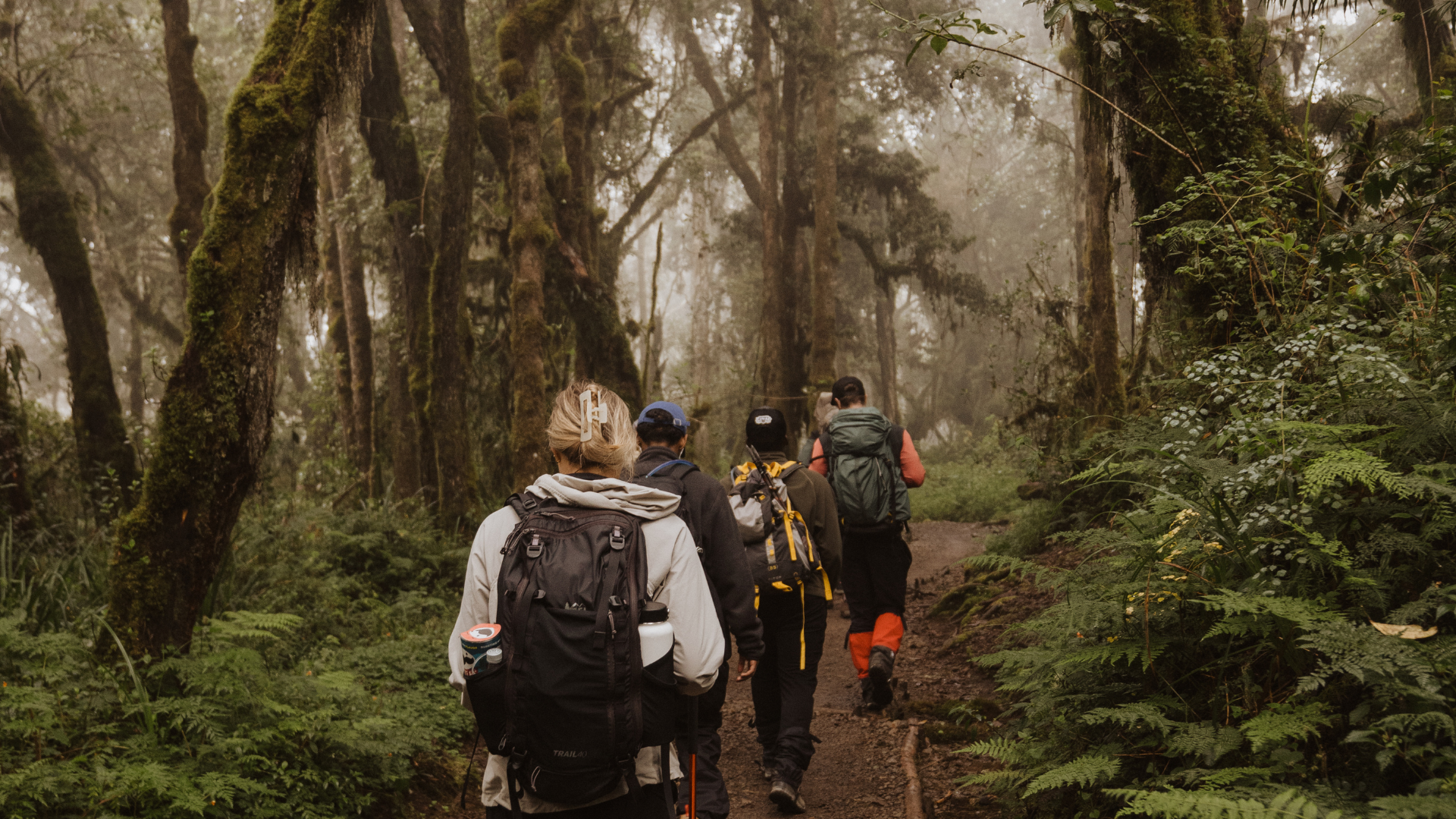
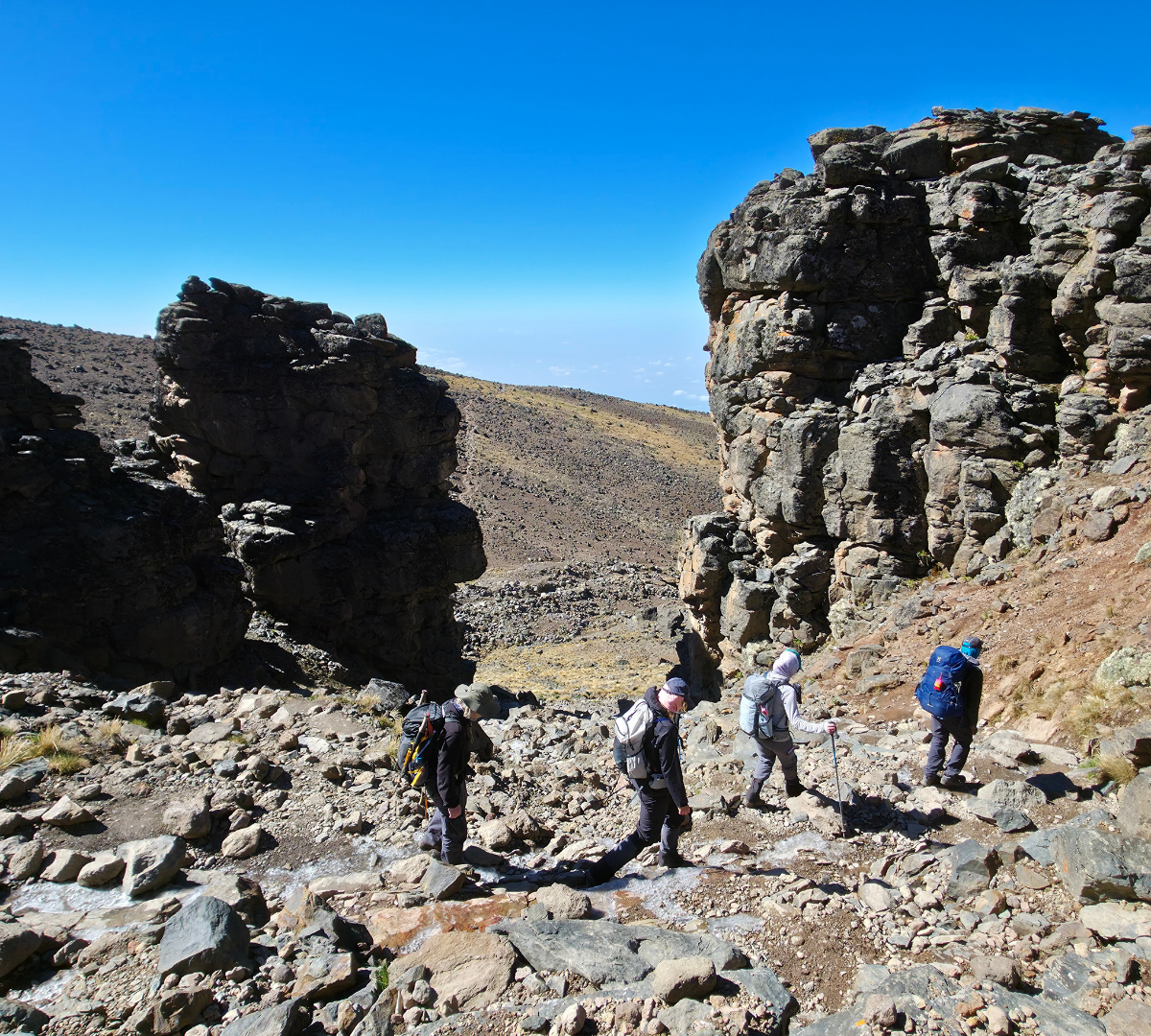
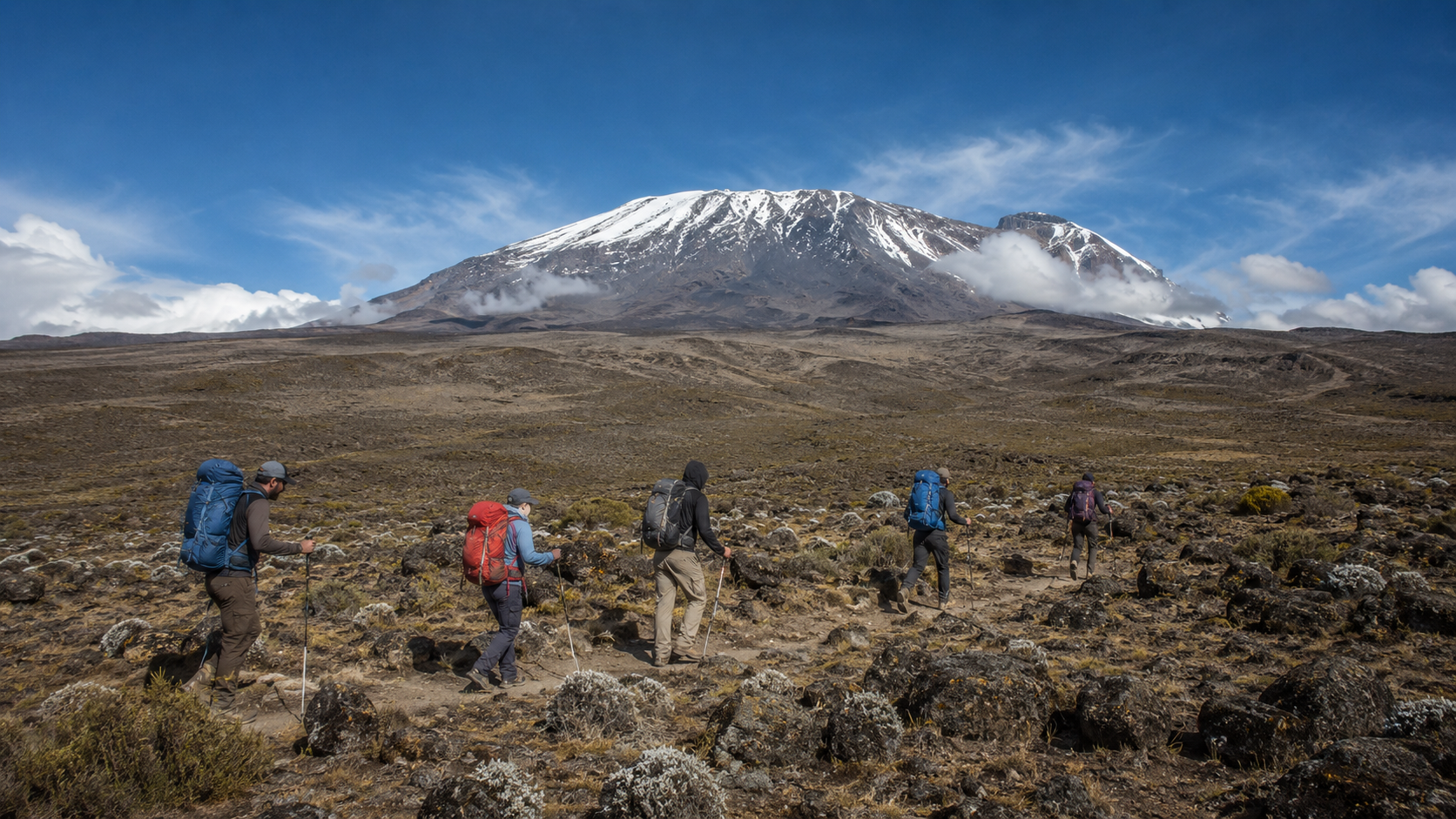
On favorable days, climbers can enjoy expansive views across the mountain and surrounding Tanzanian landscape. The scenery changes dramatically as the trail climbs from rainforest through moorland and high alpine desert toward the glaciated summit.
For photographers, August can be particularly rewarding.
Early morning light can illuminate the mountain beautifully, while clear conditions can reveal the enormous scale of Kilimanjaro.
August vs. September vs. October
This is where choosing the “best” month becomes more personal.
August: Dry, Popular, and Classic
August sits firmly in peak climbing season.
Best for:
- Dry-season conditions
- Clear mountain views
- First-time climbers
- Group departures
- A lively atmosphere on the mountain
The trade-off is that August is busy. Climb Kili describes August as dry and busy, with high demand for group climbs.
September: Excellent Weather With a Strong Balance
September remains firmly within the dry season and can offer an excellent combination of weather and overall conditions.
Climb Kili currently describes September as “Best balance overall.” Its monthly rainfall data also shows September as the driest month in the annual table.
Consider September if you want:
- Excellent dry-season conditions
- Clear views
- A peak-season experience
- An alternative to August’s busiest dates
October: A Quieter Dry-Season Option
October can provide another excellent opportunity to climb before the short rains typically return later in the year.
Climb Kili characterizes October as dry and moderate, with fewer crowds than the peak summer months.
Consider October if you want:
- Favorable dry-season conditions
- Potentially fewer crowds
- Scenic trekking
- More flexibility around peak-season dates
Quick Comparison
| Month | Weather | Crowds | Best For |
|---|---|---|---|
| August | Dry | High | Classic peak season |
| September | Dry & warm | High | Best overall balance |
| October | Generally dry | Moderate | Fewer crowds |
So while August is one of the best months to climb Kilimanjaro, it isn’t necessarily the best month for every climber.
Why Your Route Matters as Much as Your Month
Choosing the right month is only part of the equation.
Your Kilimanjaro route can have a major impact on your acclimatization, daily experience, and summit night.
Climb Kili offers the 8-day Lemosho Route and 7-day Machame Route, both designed to give climbers a structured ascent toward Uhuru Peak.
For climbers prioritizing gradual acclimatization, the 8-day Lemosho itinerary is particularly attractive.
Climb Kili’s Lemosho route also includes its Kosovo Camp advantage, with the team staying at approximately 16,000 feet (4,876 meters) before summit night rather than stopping at Barafu. This provides a higher starting point for the summit push and shortens the climb to the summit compared with starting from Barafu.
That means the question shouldn’t simply be:
“When should I climb Kilimanjaro?”
It should be:
“When should I climb, and which itinerary gives me the best experience?”
What to Pack for an August Kilimanjaro Trek
Even during the dry season, proper equipment is essential.
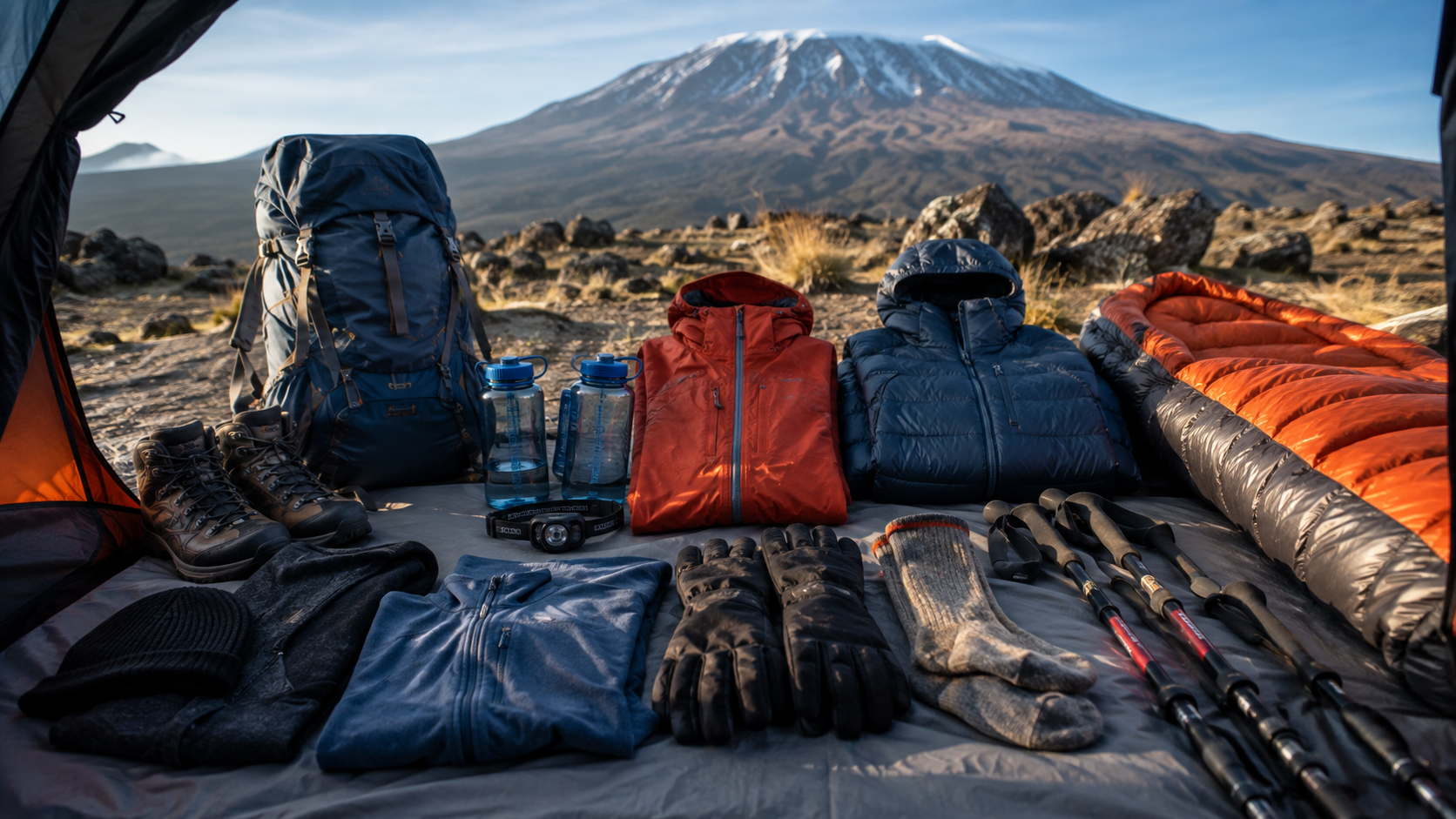
Kilimanjaro’s changing climate zones mean you need to prepare for everything from warm conditions at lower elevations to freezing temperatures near the summit.
Your packing list should include:
- Waterproof jacket and pants
- Warm insulating layers
- Base layers
- Insulated gloves
- Warm hat
- Quality hiking boots
- Headlamp
- Trekking poles
- Warm sleeping bag
- Wide-mouth water bottles
- Sun protection
Climb Kili recommends carrying essential trekking gear and medications in your carry-on luggage and offers rental equipment for items such as sleeping bags, jackets, trekking poles, and gaiters.
Read our Kilimanjaro Packing Essentials guide for a more complete checklist.
Is August Too Busy?
This is probably August’s biggest disadvantage.
Because it falls during the popular dry season, more travelers choose August for their Kilimanjaro adventure. This can mean busier trails, camps, and departure dates.
However, busy does not necessarily mean you can’t have a personal experience.
Choosing a longer route, selecting your departure date carefully, and working with an experienced operator can make a significant difference.
If minimizing crowds is your top priority, September or October may be worth considering.
What About a Full Moon Summit?
August can also appeal to climbers interested in a full-moon or near-full-moon summit.
The benefit is simple: additional moonlight can illuminate portions of the trail during the overnight summit push.
You don’t necessarily have to summit on the exact full-moon night. A summit one day before or one day after can still provide excellent natural light, and these dates may sometimes offer a different crowd dynamic.
For many climbers, the combination of a dry-season climb and a bright moon creates a particularly memorable summit experience.
Why Planning Early Matters
If August is your preferred Kilimanjaro climbing season, don’t wait until the last minute to organize your trip.
Peak-season departures can fill quickly, particularly for preferred routes and specific dates.
Planning early gives you more flexibility with:
- Your climbing dates
- Route selection
- Group size
- Hotel arrangements
- Gear rentals
- Flights
- Safari extensions
It also gives you more time to train and prepare for the altitude.
And once you’ve completed your climb, you can extend your Tanzania adventure with a safari in places such as the Serengeti, Ngorongoro Crater, or Tarangire.
Is August the Right Time for You?
If your priority is dry weather, clear views, and classic peak-season Kilimanjaro conditions, August is an excellent choice.
But if you want a similar dry-season experience with a potentially better balance between conditions and crowds, September deserves serious consideration.
If you prefer a somewhat quieter period while remaining within the favorable dry season, October can also be an attractive option.
The “best time” is therefore less about finding one perfect month and more about matching the season to your priorities.
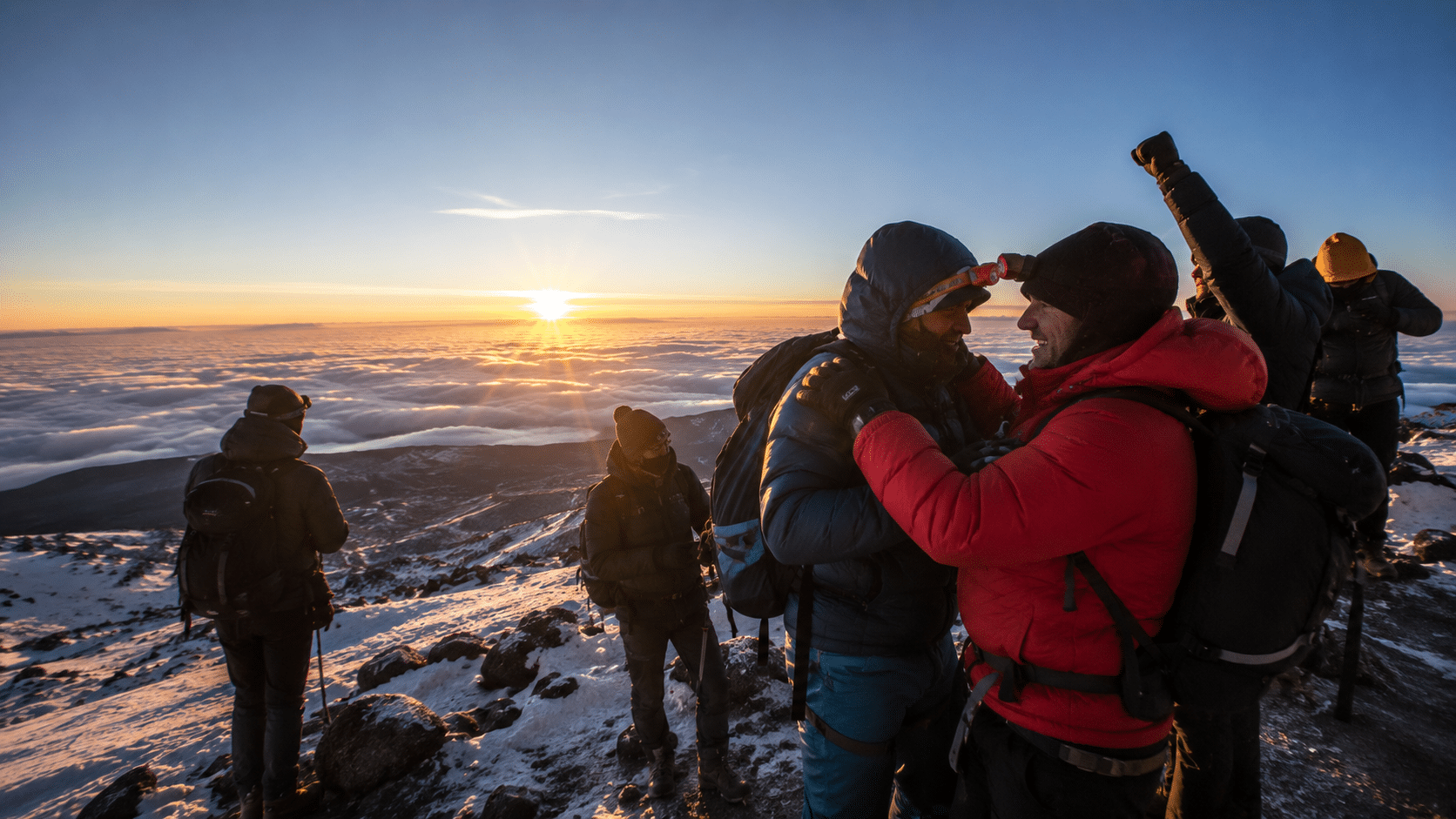
Final Thoughts: Why August Stands Out
There is a reason August is one of the most popular times to climb Kilimanjaro.
It sits in the heart of the long dry season, with generally low rainfall, good visibility, and favorable trekking conditions. It also offers the classic atmosphere many climbers imagine when they picture their journey to the Roof of Africa.
But August isn’t the only answer.
September can offer an excellent overall balance, while October can provide favorable conditions with more moderate crowds. The best choice depends on what matters most to you.
Whichever month you choose, the biggest factors remain the same: choose an appropriate route, allow enough time for acclimatization, prepare for changing weather, and climb with an experienced mountain crew.
When those pieces come together, your Kilimanjaro adventure becomes about more than choosing the perfect date. It becomes about giving yourself the best possible opportunity to enjoy the mountain—and make it to Uhuru Peak safely.