Planning to climb Mount Kilimanjaro is exciting, but one question comes up almost immediately:
How far in advance should you book Kilimanjaro?
The short answer is: the earlier you can commit, the more choices you have.
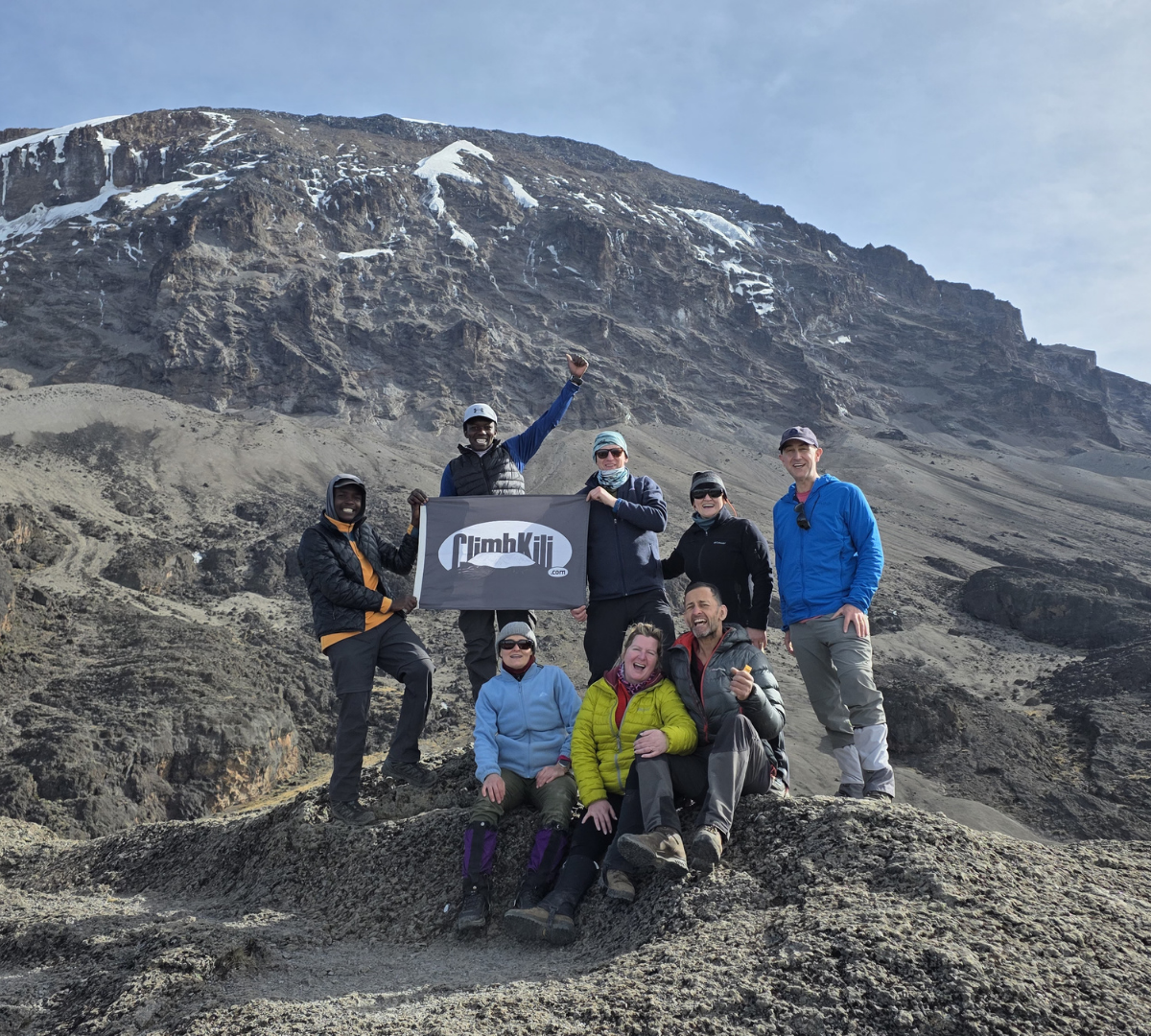
Kilimanjaro can be climbed throughout the year, and Climb Kili can schedule private climbs on dates that work for you. However, popular seasons, preferred routes, specific departure dates, full-moon climbs, and group arrangements can become increasingly difficult to secure as the date approaches. Climb Kili currently offers both 7-day Machame and 8-day Lemosho climbs and allows travelers to choose their own dates or join an existing open group.
Waiting doesn’t necessarily mean you can’t climb Kilimanjaro.
It means you may have fewer options.
And for a trip this important, flexibility can make a big difference.
How Early Should You Book Kilimanjaro?
There isn’t one universal deadline for every climber.
A practical planning guideline is:
| When You Book | What It Usually Means |
|---|---|
| 12+ months ahead | Maximum flexibility for dates, routes, hotels, flights, and groups |
| 6–12 months ahead | Excellent window for most travelers |
| 3–6 months ahead | Still workable, but popular dates may have fewer options |
| 1–3 months ahead | Possible, but flexibility becomes increasingly important |
| Less than 1 month | Last-minute arrangements may be possible, but choices can be limited |
These are planning guidelines rather than guaranteed availability rules. Climb Kili schedules climbs throughout the year and maintains published departure calendars with multiple Lemosho, Machame, and solo-traveler options.
For a once-in-a-lifetime trip, six to twelve months ahead is a comfortable target, particularly if you already know when you want to travel.
Why Popular Kilimanjaro Dates Fill First
Not every date is equally in demand.
The busiest periods generally coincide with Kilimanjaro’s more favorable climbing seasons, especially the dry months. Travelers often plan around summer holidays, Christmas and New Year, school breaks, and full-moon summit dates.
August, for example, is one of the mountain’s most popular periods.
If you have a very specific week in mind, waiting until the last minute could mean discovering that your preferred departure is already full.
The same applies if you’re traveling with a larger private group.
A solo traveler can sometimes be more flexible than a group of six people who all need to coordinate flights, vacation time, accommodations, and a single climbing itinerary.
What Happens If You Wait Too Long?
Waiting doesn’t automatically mean your Kilimanjaro dream is over.
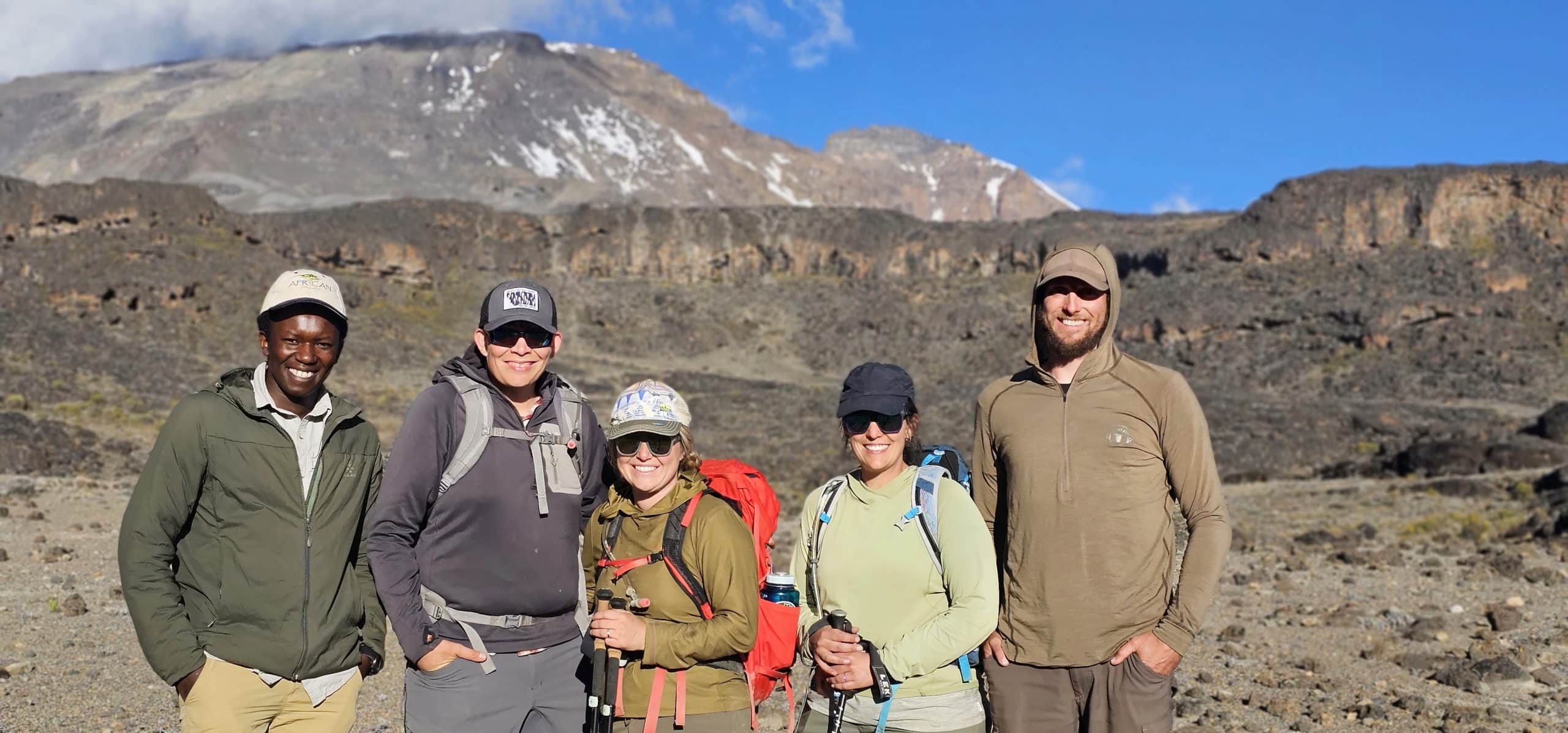
Climb Kili can arrange climbs throughout the year, and the company publishes open group dates that travelers can join. Its current group trekking page specifically notes that travelers can start any day, create their own group date, join an existing group, or keep a climb private.
But last-minute booking can create several challenges.
1. Your First-Choice Date May Not Be Available
If you have only one week available from work, you don’t want to discover that your preferred climbing date isn’t an option.
Being flexible with your departure date gives you more possibilities.
2. Your Preferred Route May Be Less Flexible
You may have your heart set on the 8-day Lemosho Route, a particular Machame departure, or a full-moon itinerary.
The earlier you plan, the easier it is to build your trip around your preferred route.
3. Flights May Be More Expensive
Your climbing operator isn’t responsible for airline availability.
Waiting to book your international flights can mean fewer convenient schedules or higher fares, particularly during popular travel periods.
4. Hotels Can Become More Complicated
Your Tanzania itinerary may involve arriving before the climb and staying after the trek.
If you’re adding a safari, the number of hotel nights increases, making early planning even more useful.
5. You Lose Preparation Time
This is perhaps the biggest issue.
Kilimanjaro isn’t a trip where you want to land in Tanzania and realize you haven’t had enough time to prepare.
Booking early gives you months to build your walking endurance, break in your boots, test your gear, and prepare mentally for summit night.
When Should You Book for Peak Kilimanjaro Season?
If you’re planning to climb during one of the popular dry-season windows, I recommend starting the planning process six to twelve months ahead whenever possible.
This is particularly important if you want:
- August departure dates
- September departures
- Christmas or New Year climbs
- Full-moon summit dates
- An 8-day Lemosho itinerary
- A specific hotel
- A private group
- A larger group traveling together
- Specific international flight schedules
Climb Kili’s published dates show how many departures are available during peak periods, including numerous Lemosho and Machame departures throughout July, August, and September.
That variety is useful—but the most desirable dates can still be taken by other travelers.
What If You’re Traveling Solo?
Solo travelers have a little more flexibility.
Climb Kili offers dedicated Solo Trekkers Groups, with scheduled departures throughout the year. The company describes these as small groups, with a maximum of eight climbers.
This can be a great option if you don’t have friends or family ready to make the journey with you.
Instead of waiting for someone else’s vacation schedule, you can choose a scheduled departure and meet other climbers in Tanzania.
What Should You Book First?
Once you’ve decided to climb Kilimanjaro, don’t try to organize everything at once.
A simple order is:
Step 1: Choose Your Approximate Travel Dates
Start with the time of year that works best for your schedule and preferred weather conditions.
Step 2: Choose Your Route
Decide between options such as Lemosho or Machame based on your experience, available time, scenery preferences, and acclimatization priorities.
You can explore Climb Kili’s current route options and available departures through its Dates & Prices page.
Step 3: Confirm Your Climb
Once your dates and itinerary are confirmed, you can begin coordinating the rest of your Tanzania trip.
Step 4: Book Flights and Hotels
Give yourself enough time to find convenient flights and accommodations that fit your climbing schedule.
Step 5: Start Training
This is where early booking becomes particularly valuable.
Once your trip is on the calendar, you have a clear goal to train toward.
Don’t Forget Your Safari
For many travelers, Kilimanjaro is only one part of their Tanzania adventure.
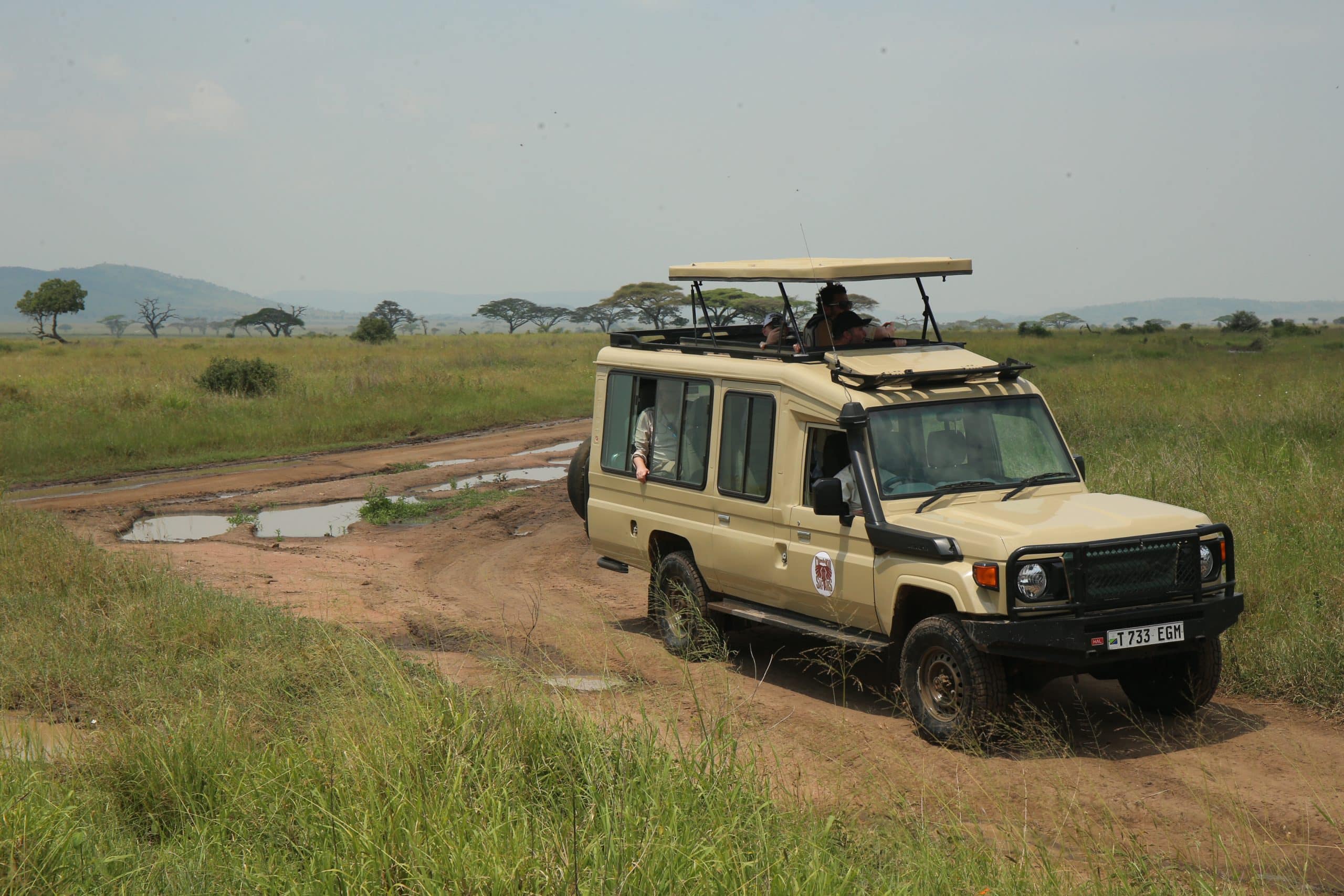
After spending a week on the mountain, you can continue your trip with a wildlife safari.
Popular destinations include the Serengeti, Ngorongoro Crater, and Tarangire National Park.
Booking the safari at the same time as your climb can make logistics easier because your operator can help coordinate the transition from mountain to safari.
If you’re considering adding wildlife viewing to your trip, plan the entire itinerary before booking your international flights.
Can You Book Kilimanjaro at the Last Minute?
Sometimes, yes.
Climb Kili’s current booking model provides considerable flexibility. The company says travelers can choose their own start date, join an existing open group, create a new group date, or keep their climb private.
So a last-minute trip isn’t automatically impossible.
The important distinction is between possible and ideal.
A last-minute booking may work well if you’re flexible about:
- Route
- Start date
- Group size
- Hotel
- Flights
- Safari dates
But if you have a fixed vacation window and a specific itinerary in mind, early planning is much safer.
How Far in Advance Should You Book Your Safari?
If you’re combining Kilimanjaro with a safari, I’d use the same general principle: plan the complete trip as early as practical.
A safari can add several moving parts, including:
- Park permits
- Lodges
- Safari vehicles
- Domestic flights
- Transfers
- Additional hotel nights
The more customized your Tanzania itinerary becomes, the more valuable early planning becomes.
Your Ideal Booking Timeline
Here’s a simple way to think about it:
12 Months Before
Choose your approximate travel period and begin researching routes and operators.
9–12 Months Before
Confirm your preferred route, dates, and group arrangements.
6–9 Months Before
Finalize major travel logistics and start making detailed preparations.
3–6 Months Before
Review your equipment, training, flights, hotels, and travel documents.
1–3 Months Before
Complete your final preparations, gear check, and traveler information.
Final Weeks
Focus on travel logistics, packing, fitness maintenance, and getting ready for the adventure.
Climb Kili’s FAQ notes that its secure online reservation form confirms a booking, after which the company sends a Welcome Package to help travelers prepare.
The Bottom Line: Book Early, But Don’t Panic
So, how far in advance should you book Kilimanjaro?
For the greatest flexibility, aim for six to twelve months ahead, especially if you’re traveling during a popular season or have specific dates and route preferences.
If you’re already inside that window, don’t panic.
Kilimanjaro can be arranged throughout the year, and Climb Kili offers flexible departure options, including private climbs and open groups.
The biggest advantage of booking early isn’t simply securing a place on the mountain.
It’s having choices.
You have more opportunities to choose the route you want, the dates that fit your schedule, the accommodations you prefer, and the safari experience you want to add afterward.
And perhaps most importantly, you have time to prepare properly.
Kilimanjaro isn’t a mountain you need to rush toward.
Give yourself enough time to plan the journey, train for the climb, prepare your gear, and arrive in Tanzania ready to enjoy the experience.
Your future self—and your summit-day legs—will thank you.