One of the questions our guides hear most often before a Kilimanjaro climb is simple:
“Am I fit enough to climb Kilimanjaro?”
The honest answer may surprise you.
You do not need to be an elite athlete to reach Uhuru Peak. You don’t need previous mountaineering experience, and you don’t need to spend months training like you’re preparing for a marathon.
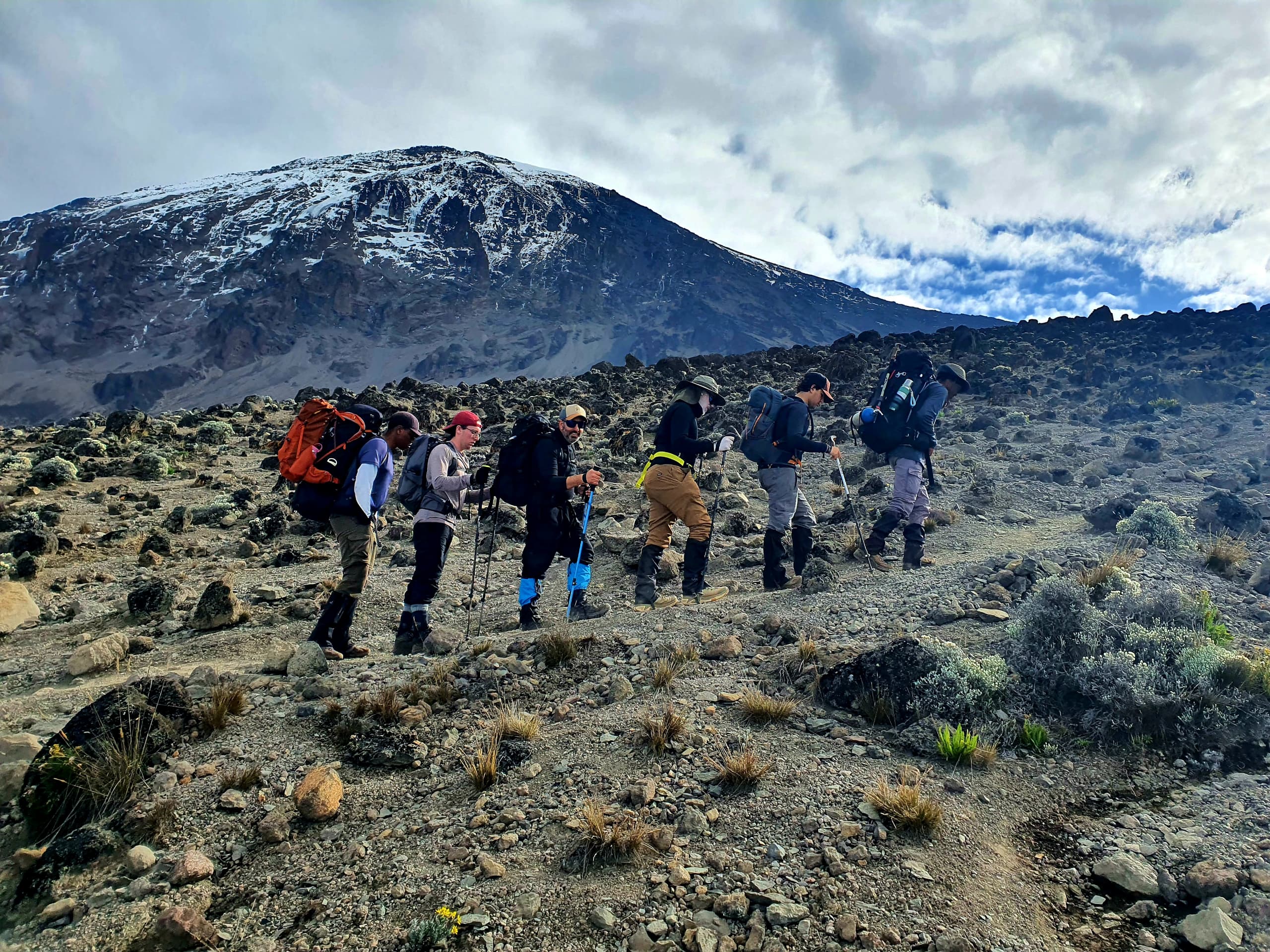
But you do need to be prepared for several consecutive days of hiking, elevation gain, long hours on your feet, and a demanding summit night.
Climb Kili describes Kilimanjaro as a long-distance hike rather than a technical climb. The company recommends building a solid aerobic base and being comfortable with extended hikes, ideally including 10–15 miles with elevation gain as part of your preparation.
And there’s something even more important:
Fitness is only one piece of the puzzle.
Altitude, acclimatization, pacing, preparation, and mindset all play a major role in how you experience the mountain.
What Fitness Do You Actually Need for Kilimanjaro?
Kilimanjaro is not a technical mountaineering expedition.
You won’t need ropes, ice axes, or advanced rock-climbing skills on the standard trekking routes.
Instead, think of Kilimanjaro as a long, sustained hiking challenge at high altitude.
Your body needs to be comfortable with:
- Walking for several hours at a time
- Hiking uphill and downhill
- Spending multiple consecutive days on your feet
- Carrying a daypack
- Walking over uneven terrain
- Maintaining a steady pace
- Continuing when you’re tired
Climb Kili’s current training guidance recommends progressing from three- to four-hour hikes toward five- to six-hour hikes, along with cardiovascular exercise, stair climbing, and hiking with a loaded pack.
The goal isn’t to become incredibly fast.
The goal is to become comfortable being on your feet for a long time.
Do You Need to Be an Experienced Hiker?
No.
Many people who climb Kilimanjaro are first-time trekkers.
Kilimanjaro is considered a non-technical climb, meaning previous mountaineering experience isn’t required. What matters more is consistent preparation, appropriate fitness, good pacing, and choosing an itinerary that gives your body enough time to adjust.
This is particularly important for people who don’t regularly hike.
You don’t have to arrive in Tanzania already knowing how to climb a mountain.
You simply need to spend the weeks and months before your trip teaching your body what long days of walking feel like.
The Fitness Test We Actually Care About
Forget about how fast you can run a mile.
Forget about how much weight you can lift.
For Kilimanjaro, one of the most useful questions is:
Can you comfortably spend several hours walking uphill and keep going the next day?
That’s much closer to what the mountain demands.
If you can already complete long hikes without feeling completely exhausted afterward, you’re starting from a good place.
If your current activity is mostly walking around town, that’s okay too. You simply have more preparation to do.
Start gradually.
Build your walking distance.
Add elevation.
Carry a light pack.
Then practice doing longer hikes on consecutive days.
Climb Kili specifically recommends back-to-back hikes because they help prepare your body to perform when your legs aren’t completely fresh.
How to Train for Kilimanjaro
A good Kilimanjaro training plan doesn’t need to be complicated.
Focus on four areas:
1. Endurance
Walking and hiking should form the foundation of your training.
Gradually increase your time on your feet until several-hour hikes feel manageable.
2. Cardiovascular Fitness
Cycling, swimming, running, incline walking, and other aerobic activities can help build your cardiovascular base.
You don’t need to become a runner.
You need to develop the ability to maintain steady effort for a long time.
3. Leg Strength
Your legs will do a lot of work on Kilimanjaro.
Useful exercises include:
- Squats
- Lunges
- Step-ups
- Stair climbing
- Incline walking
Climb Kili’s training guidance specifically recommends step-ups, squats, lunges, core exercises, and stair climbing as useful preparation.
4. Hiking With Your Gear
Whenever possible, train in the boots and backpack you’ll use on the mountain.
This gives you time to identify uncomfortable equipment before you’re thousands of feet above sea level.
What About Summit Night?
This is where your fitness really gets tested.
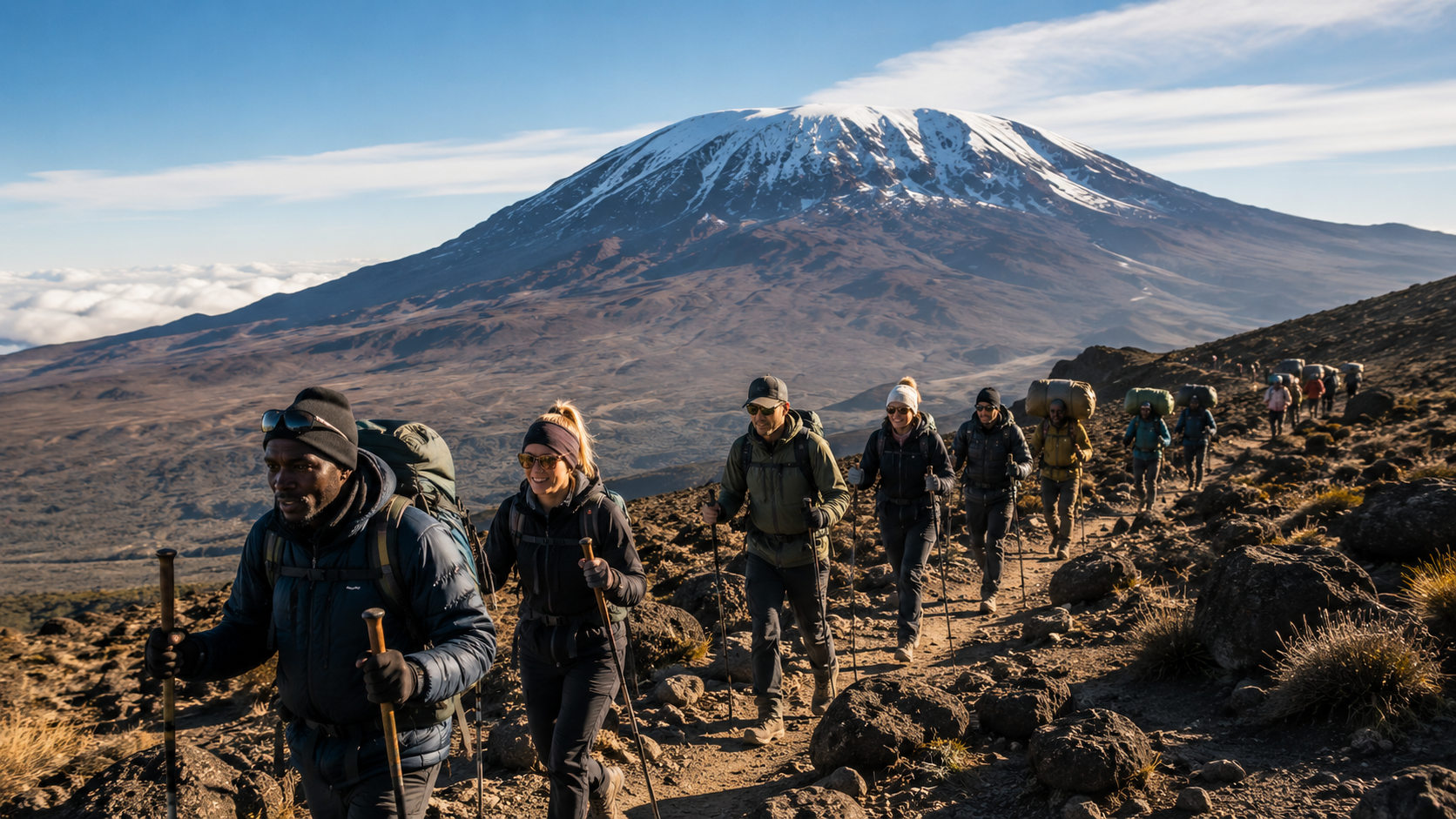
A typical summit attempt begins around midnight.
You’ll be hiking in darkness, often in freezing temperatures, toward Uhuru Peak.
The pace is intentionally slow.
You may take small steps for hours.
The altitude makes every movement feel harder, and the summit push can last many hours before you reach the top and begin descending.
This is why Kilimanjaro climbing fitness isn’t about speed.
It’s about endurance.
You want to be able to keep moving when you’re tired.
And you want enough physical reserve to descend safely after reaching the summit.
The Biggest Thing Fitness Cannot Prepare You For
Here’s the part our guides emphasize most:
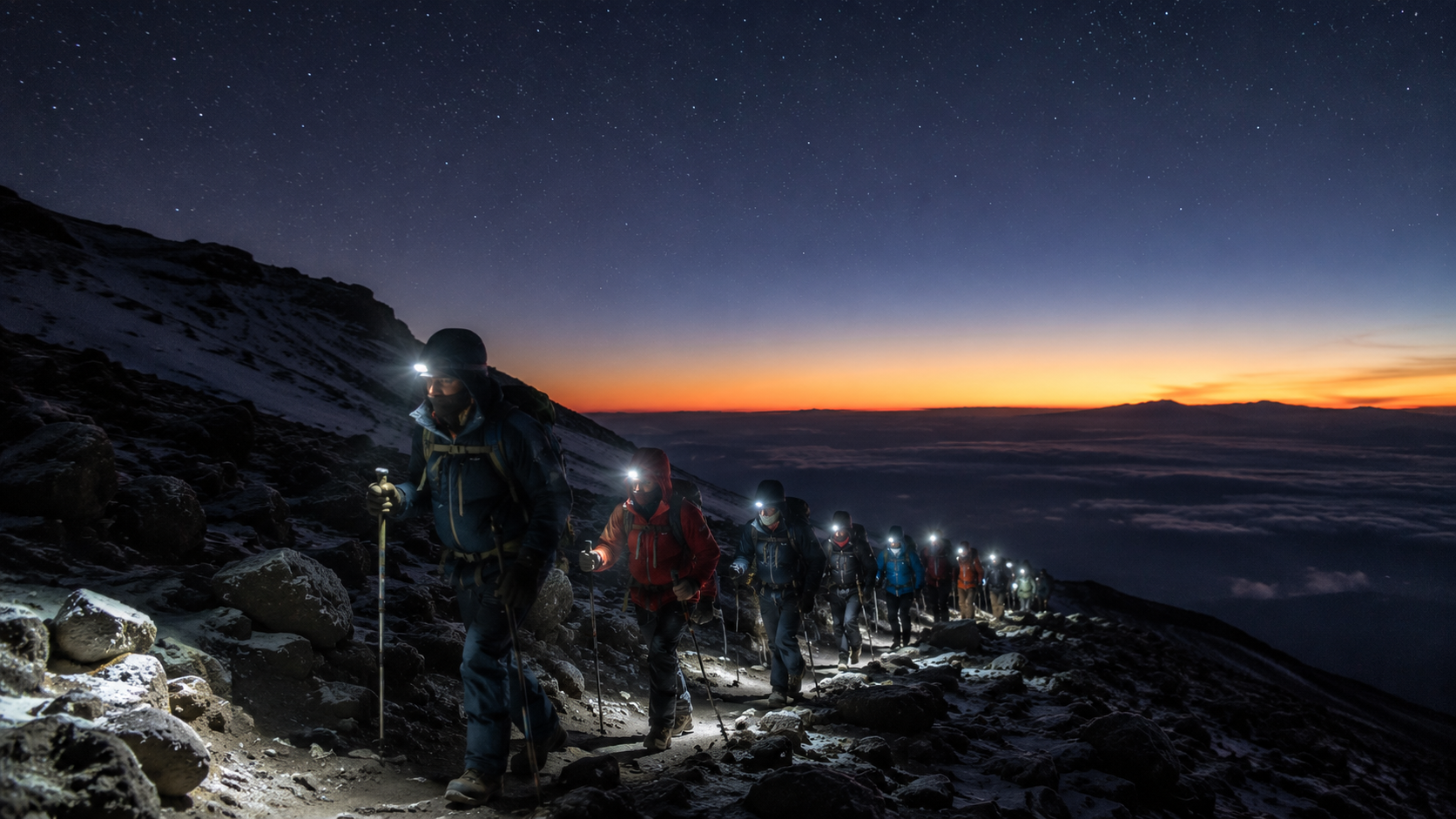
Being fit does not make you immune to altitude.
A very fit athlete can experience altitude sickness.
A person who doesn’t consider themselves particularly athletic can sometimes acclimatize surprisingly well.
Climb Kili’s guides emphasize that altitude affects people differently and that fitness does not prevent altitude sickness. Route choice, pacing, and acclimatization are critical.
This is why we don’t tell climbers to simply “train harder.”
We tell them to prepare intelligently.
Route Choice Can Matter More Than You Think
If you’re worried about whether you’re fit enough for Kilimanjaro, choosing the right itinerary can make a significant difference.
Climb Kili generally recommends the 8-day Lemosho Route for first-time climbers because the additional day provides more time for acclimatization. The 7-day Machame Route is steeper earlier in the trek and can be a good option for climbers who are already well prepared or have tighter schedules.
More time on the mountain means more opportunities for your body to adjust.
This is one reason we don’t believe the shortest itinerary is automatically the best itinerary.
When altitude is involved, giving your body time can be more valuable than trying to save a day.
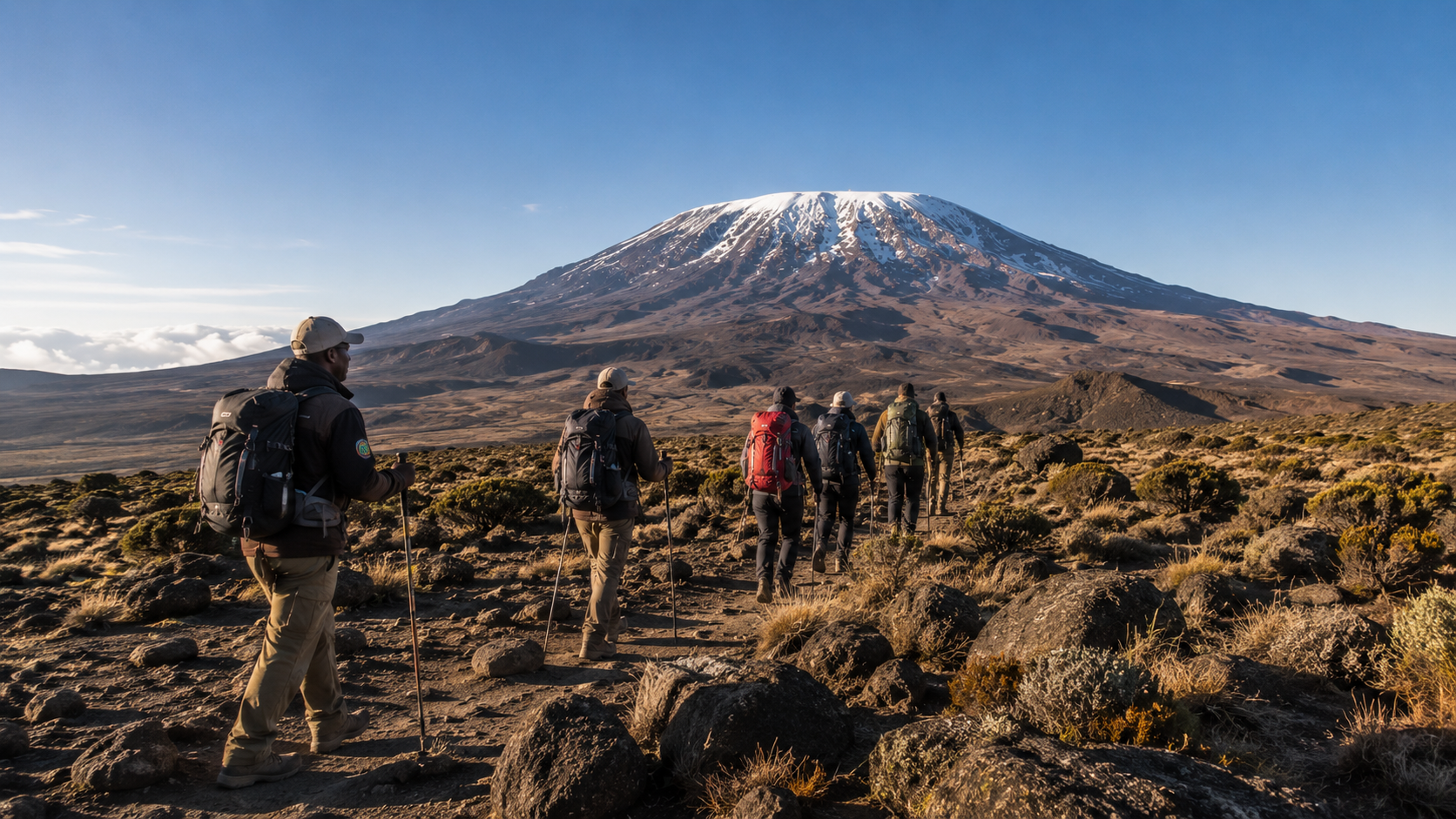
What Does “Pole Pole” Really Mean?
You’ll probably hear your guide say:
“Pole pole.”
It means “slowly, slowly” in Swahili.
And on Kilimanjaro, it isn’t just a friendly phrase.
Walking slowly helps conserve energy and encourages a controlled pace as you gain altitude.
Trying to race ahead of the group can leave you unnecessarily exhausted and may make it harder to adapt to the altitude.
The mountain rewards patience.
Our guides would rather see you taking steady, manageable steps than burning all your energy trying to prove how strong you are.
Your Mental Fitness Matters Too
Physical preparation is only part of the equation.
Kilimanjaro can test your mindset.
You may wake up tired.
You may have a headache.
You may look at the trail ahead and wonder how you’re going to keep going.
You may reach a point during summit night when the only thing you want is to crawl back into your sleeping bag.
This is where patience and mental resilience become incredibly valuable.
You don’t need to be fearless.
You need to be willing to take the next step.
Then another.
And another.
What If You’re Starting From Zero?
If you’re reading this and thinking:
“I’m not fit enough right now.”
That’s okay.
You don’t have to be ready today.
You need to give yourself enough time to become ready.
Start with walking.
Then walk farther.
Add hills or stairs.
Introduce a backpack.
Increase the duration gradually.
Eventually, add back-to-back hiking days.
Consistency matters more than one heroic workout.
Climb Kili’s training guidance recommends building gradually from shorter hikes toward longer sessions and combining hiking with cardio and strength work.
If you have a medical condition, significant health concerns, or haven’t exercised regularly, speak with your healthcare professional before beginning a demanding training program.
So, Are You Fit Enough to Climb Kilimanjaro?
Here’s the honest answer from our guides:
You probably don’t need to be as fit as you think.
But you do need to take preparation seriously.
You should be capable of sustained hiking, prepared for several consecutive days on your feet, and willing to train before your trip.
More importantly, you need to respect the altitude.
The strongest person in the group isn’t automatically the person most likely to summit.
The climber who paces themselves, acclimatizes properly, listens to their guide, eats and rests well, and keeps putting one foot in front of the other has a very strong advantage.
The Climb Is About Endurance, Not Speed
Kilimanjaro isn’t a race.
There is no prize for reaching camp first.
There is no reason to prove how quickly you can climb.
Your goal is to arrive at the summit with enough energy to enjoy the moment.
That’s why our guides emphasize steady pacing, proper acclimatization, and preparation rather than simply asking climbers to become fitter and fitter.
If you can build the endurance to hike for hours, strengthen your legs, practice with your equipment, and arrive ready to walk pole pole, you’re giving yourself a strong foundation for the mountain.
And when you finally stand at Uhuru Peak at 5,895 meters (19,341 feet), you’ll realize that getting there was never about being the fittest person on the mountain.
It was about being prepared enough to keep going.
Start With the Right Preparation
If you’re considering Kilimanjaro, start preparing well before your departure.
Explore our Kilimanjaro Training Plan for a structured approach to building endurance, strength, and confidence.
You can also read our Kilimanjaro Acclimatization Guide to understand why altitude—not fitness alone—is one of the biggest challenges on the mountain.
And if you’re still deciding which itinerary is right for you, our Kilimanjaro Route Guide explains the differences between Lemosho and Machame and why route choice matters for acclimatization.
Final Thoughts
So, are you fit enough to climb Kilimanjaro?
You don’t need to be a marathon runner.
You don’t need years of hiking experience.
And you certainly don’t need to be the strongest person in your group.
You need endurance, preparation, patience, and respect for the mountain.
Start where you are. Train consistently. Practice walking for longer periods. Build your legs and cardiovascular fitness. Learn what your gear feels like. And when you arrive on Kilimanjaro, trust the process.
Our guides will set the pace.
Your job is simple:
Keep moving. Stay patient. Go pole pole.
And let the mountain do the rest.