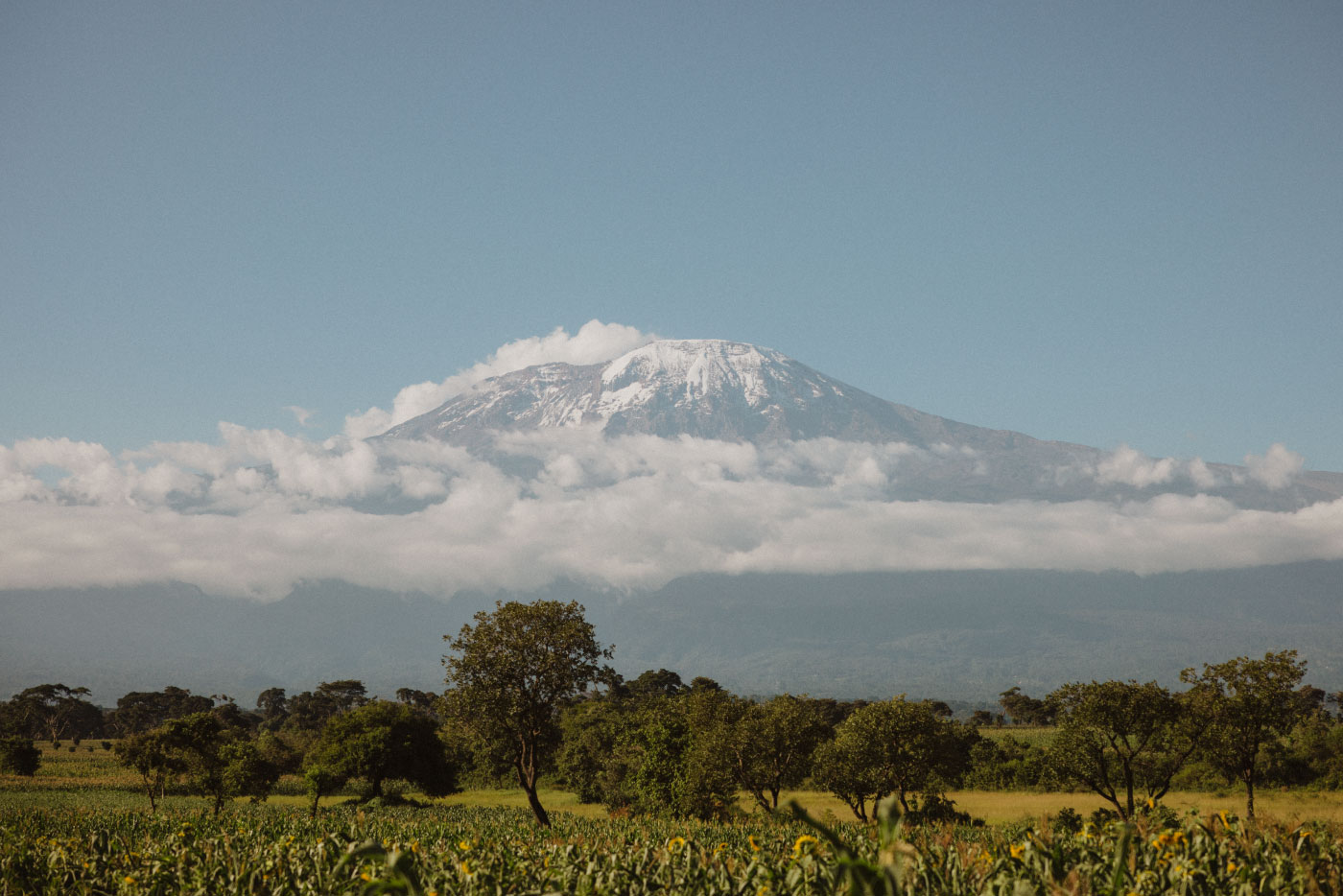
If you’re considering Kilimanjaro in October, you may have one question at the top of your mind: Am I cutting it too close to the rainy season?
October sits near the end of Kilimanjaro’s long dry season, making it an interesting month for trekkers who want favorable conditions without necessarily traveling during the busiest part of the year. The weather can be excellent, but conditions can become less predictable as the month progresses.
So, is it still worth climbing Kilimanjaro in October?
Yes — but timing, route selection, and preparation matter.
Is October a Good Time to Climb Kilimanjaro?
Kilimanjaro can technically be climbed throughout the year, but some months offer more consistently favorable trekking conditions than others.
October falls within the latter part of the main dry season. It generally offers relatively dry trails, reasonable temperatures, and good trekking conditions, particularly earlier in the month.
If you’re comparing October with the peak dry-season months, August and September generally provide more consistently established dry conditions. October, however, can offer a useful balance for travelers who want to climb later in the year.
For a broader look at seasonal conditions, our guide to the best time to climb Kilimanjaro explains how rainfall, temperatures, and trail conditions change throughout the year.
What Is Kilimanjaro Weather Like in October?
The biggest consideration when climbing Kilimanjaro in October is the transition toward the short-rain season.
At lower elevations, October can still feel relatively warm and dry. As you climb higher, temperatures drop significantly, particularly overnight and around the summit.
Rainfall can become more likely toward the end of the month, but that doesn’t mean every October trek will be wet.
Mountain weather is unpredictable, and conditions can vary from one day to another. A clear morning can turn cloudy or rainy later in the day, while another trekking day may remain completely dry.
This is why preparation matters more than simply looking at a monthly weather average.
What Should You Expect?
During an October trek, you should be prepared for:
- Warm conditions at lower elevations
- Cooler temperatures as altitude increases
- Cold nights at higher camps
- Potential rain, particularly later in October
- Changing mountain weather
- Very cold conditions during summit night
Packing appropriately is essential regardless of the month. Our Kilimanjaro packing guide covers the clothing and equipment you’ll need for changing conditions on the mountain.
Is Kilimanjaro Less Crowded in October?
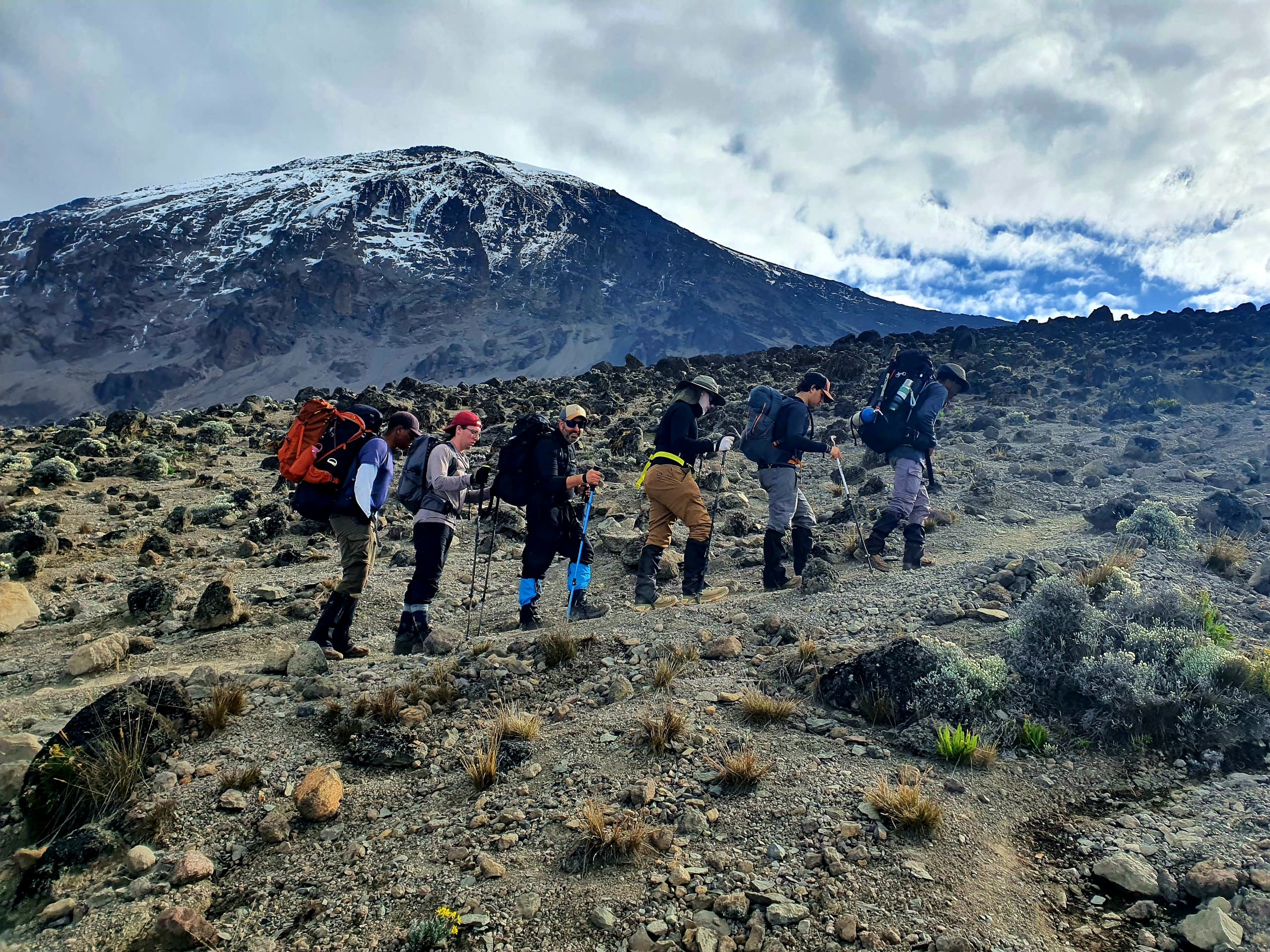
October can be appealing to trekkers who want to avoid some of the busiest periods of the year.
August and September are particularly popular because of their reliable dry-season conditions. October can see somewhat fewer climbers, especially as the month progresses.
However, Kilimanjaro is still a popular destination, and certain routes and camps can become busy regardless of the month.
Your choice of route can make a significant difference to your experience.
Which Kilimanjaro Route Is Best in October?
For October, longer routes can be an excellent choice because they provide more time on the mountain for gradual acclimatization.
The Lemosho Route, in particular, is a strong option for trekkers looking for a longer itinerary and a more gradual approach to the summit.
Our Ultimate Lemosho Route Guide explains the route day by day and what makes the longer itinerary appealing.
Machame is another popular option, especially for experienced trekkers who want a shorter itinerary.
Ultimately, the best route isn’t determined by October alone. Your fitness, experience, preferred itinerary, and approach to acclimatization should all be considered.
Should You Avoid Late October?
Not necessarily.
If your schedule only allows you to climb toward the end of October, that doesn’t automatically mean you should cancel your plans.
The important point is to understand that the possibility of rain increases as you approach the short-rain period. You should therefore be prepared for changing conditions and avoid choosing an itinerary simply because it is cheaper or shorter.
An experienced mountain operator should also have a clear approach to weather, acclimatization, and daily trekking decisions.
Does October Affect Summit Night?
Not necessarily — but weather can make summit night more challenging.
Summit night typically begins around midnight. You’ll climb through the coldest hours of the night toward the summit, where temperatures can drop well below freezing.
The combination of darkness, cold, altitude, and fatigue makes summit night challenging regardless of the month.
If you’d like to know exactly what the experience is like, our Kilimanjaro summit night guide walks through the process from the midnight start to reaching Uhuru Peak and beginning the descent.
What Should You Pack for Kilimanjaro in October?
October requires a versatile approach to packing.
You may begin your trek in warm conditions and finish the climb in freezing temperatures. Rain protection is also important, particularly if you’re trekking later in the month.
Your essential equipment should include:
- Waterproof jacket and trousers
- Warm insulating layers
- Fleece or mid-layer
- Warm hat and gloves
- Comfortable trekking boots
- Headlamp
- Quality sleeping bag
- Trekking poles
- Sun protection
- Water bottles
- Comfortable daypack
Layering is particularly useful because temperatures can change dramatically throughout the trek.
You don’t need to carry every piece of clothing at all times. Your mountain crew and packing system should make it easy to access the equipment you need as you gain altitude.
Is October a Good Choice for First-Time Climbers?
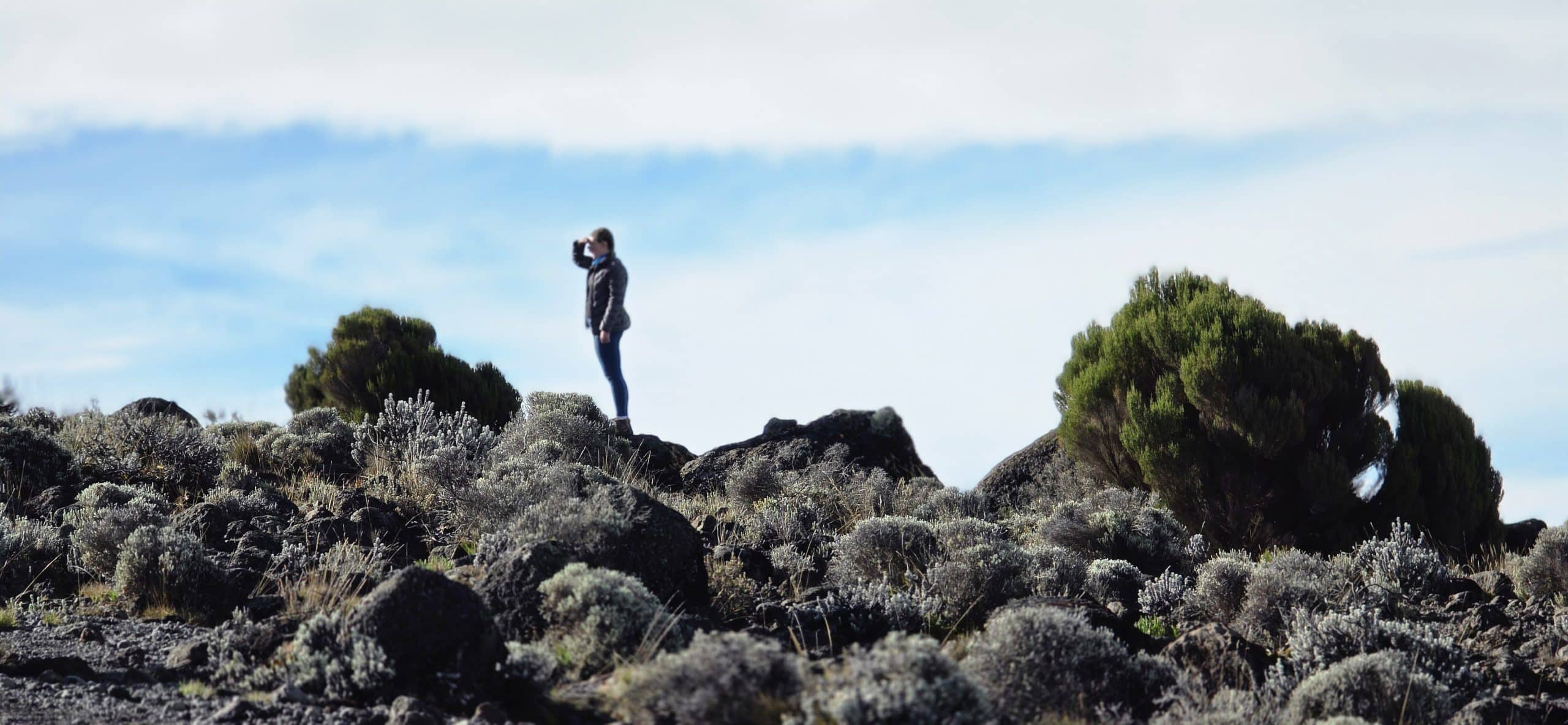
It can be.
If you’re a first-time Kilimanjaro trekker, the month is only one part of the equation. Your itinerary and acclimatization strategy can have a much greater influence on your experience.
Don’t make the mistake of assuming that being physically fit automatically means you’ll have no problems with altitude. Fitness and acclimatization are two different things.
If you’re preparing for your first climb, our guide on how fit you need to be to climb Kilimanjaro explains what kind of physical preparation actually matters.
A longer itinerary can also give your body more time to adjust to increasing elevation.
So, Is Kilimanjaro in October Worth It?
For many trekkers, yes.
October offers a compelling combination of relatively favorable trekking conditions, the possibility of fewer crowds, and a later position in the main climbing season. The main trade-off is that weather becomes less predictable as the month progresses.
If you can choose your dates, early October generally offers a more conservative weather window than late October.
But there is no single “perfect” month for everyone.
The best Kilimanjaro experience comes from choosing an itinerary that matches your goals, allowing enough time for acclimatization, preparing properly for changing weather, and working with a mountain crew that knows how to manage conditions on the trail.
October isn’t the month to fear.
It’s a month to understand.
With the right preparation and a sensible itinerary, climbing Kilimanjaro in October can be an unforgettable way to stand on the Roof of Africa.