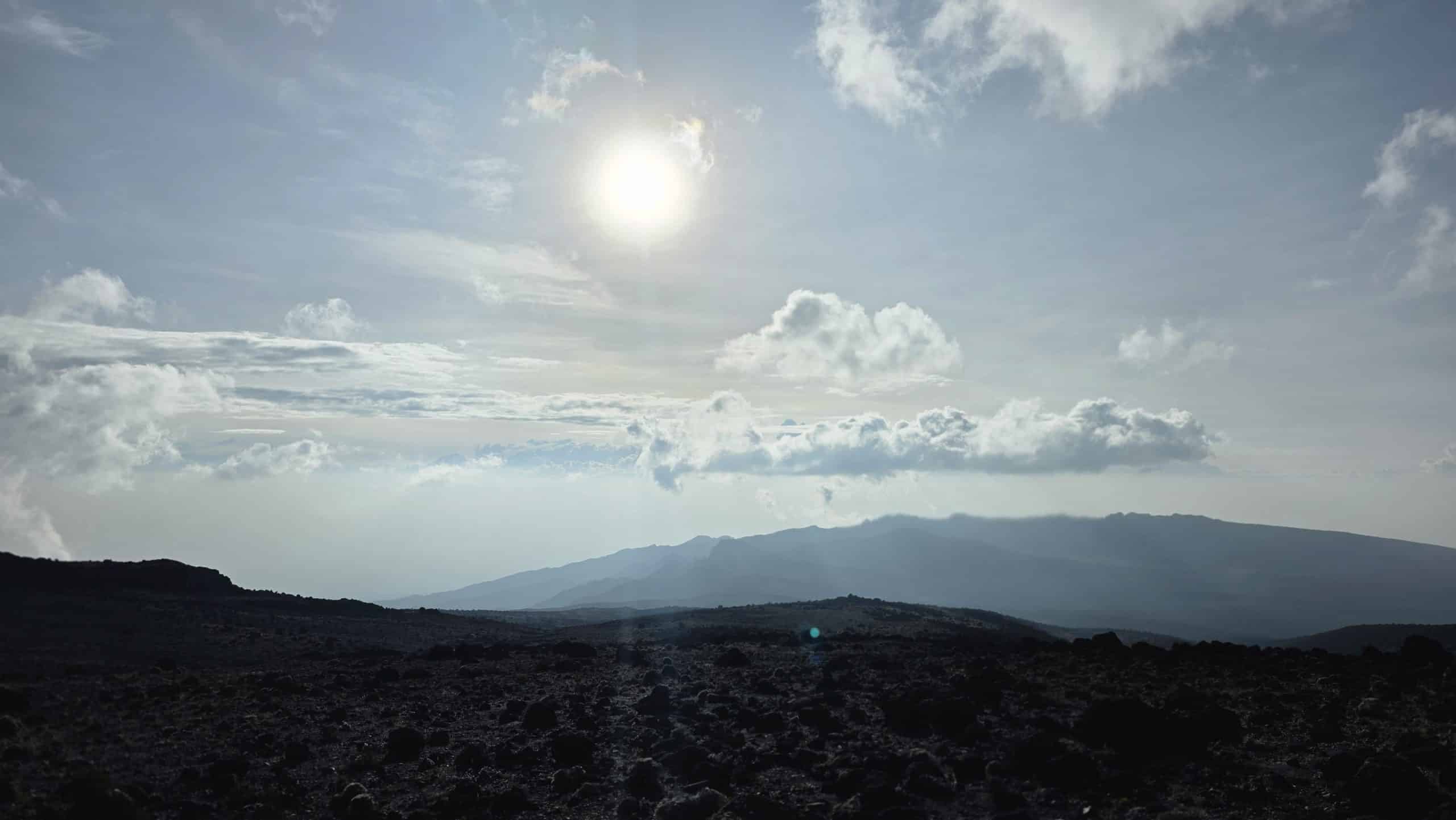
A successful Kilimanjaro climb doesn’t begin at the trailhead.
Long before trekkers arrive at the mountain gate, there is a team in Arusha making sure the details are in place. Gear needs to be checked. Crews need to be organized. Food needs to be prepared. Transportation needs to be coordinated. Routes and itineraries need to be reviewed.
For climbers, much of this work happens quietly in the background.
For the Climb Kili team, it is simply part of getting ready for another climb.
Here’s a look behind the scenes at how we approach Kilimanjaro climb preparation before each group heads toward the mountain.
Every Climb Starts With Preparation
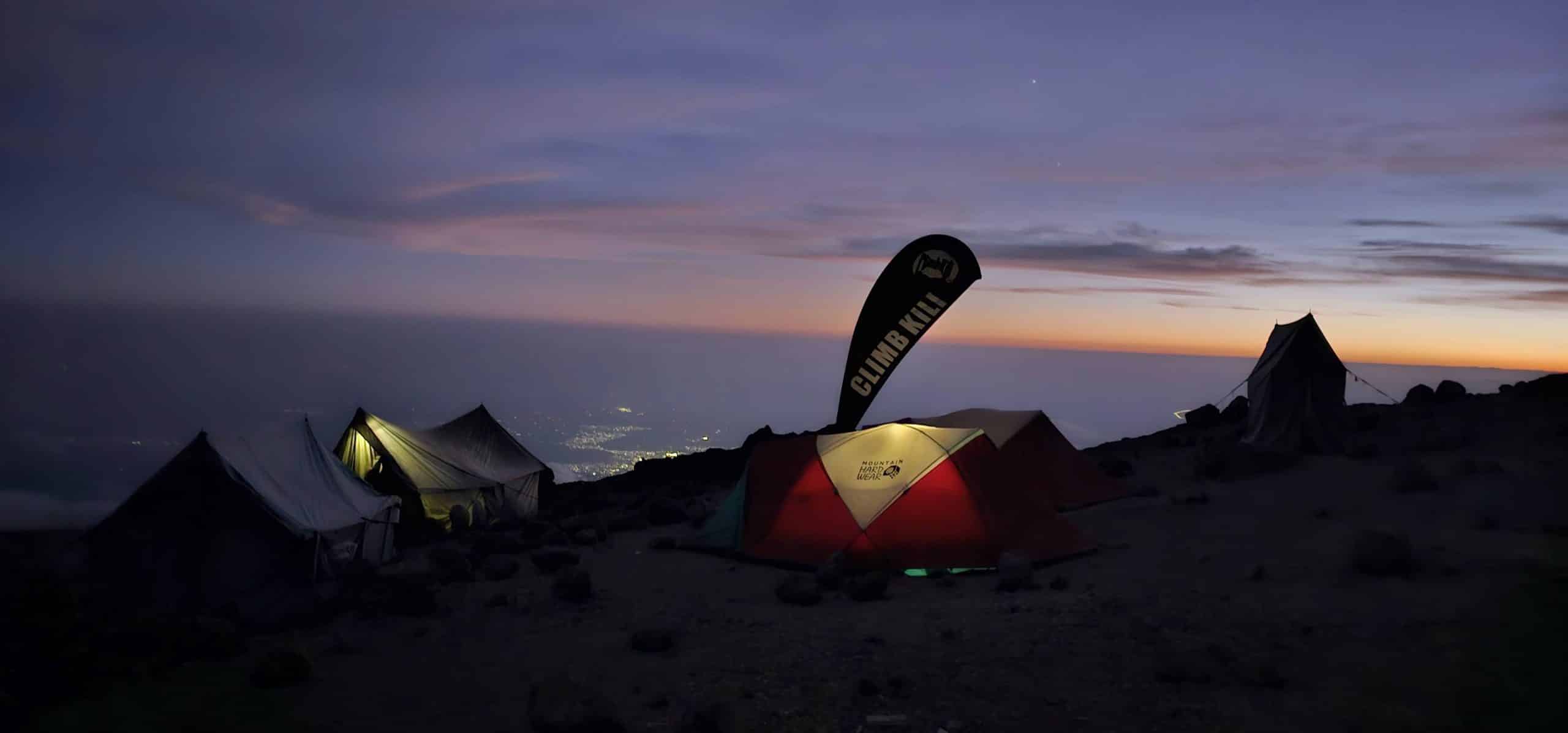
Kilimanjaro is a serious mountain, and preparation isn’t something that should be left until the morning you begin trekking.
Our Arusha team works through the practical details of each upcoming climb so the mountain crew has what they need before leaving for the trail.
This includes reviewing the itinerary, confirming transportation and accommodation arrangements, organizing equipment, and making sure the crew understands the plan for the upcoming trek.
The goal is straightforward: when the climbers arrive at the mountain, the team should already be prepared to focus on the trek itself.
The Gear Check Before the Mountain
One of the most important parts of Kilimanjaro preparation happens before the gear reaches the trail.
Depending on the climber and package, equipment may include sleeping bags, trekking poles, duffel bags, daypacks, insulated jackets, gaiters, gloves, headlamps, and other essential mountain equipment.
Gear isn’t simply handed over and forgotten.
It needs to be checked, organized, and matched with what each trekker needs.
Climbers should also arrive prepared with their own essentials. Our Kilimanjaro packing guide explains what to bring, including the recommended daypack, duffel bag, sleeping bag, and hydration setup.
A good gear system is about more than having enough equipment. It’s about having the right equipment accessible when conditions change.
Preparing the Mountain Crew
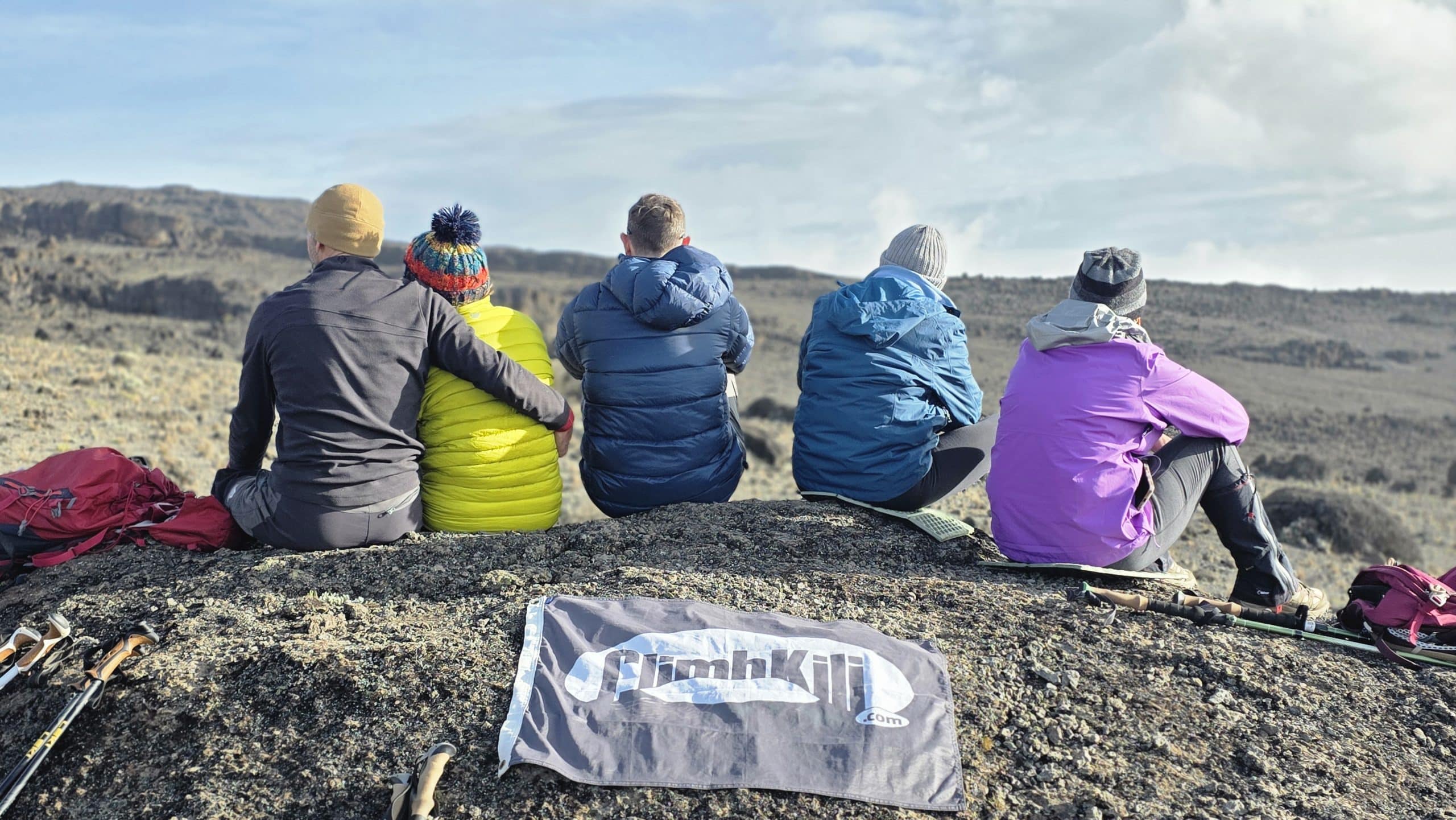
Behind every Kilimanjaro trek is a team of people whose work begins well before the first hiking step.
Guides, assistant guides, cooks, and porters all have important responsibilities during a climb.
Crew organization depends on the size of the group. A larger group requires additional support, while every trek needs the right combination of leadership, cooking, carrying, camp support, and mountain experience.
This is one reason choosing a Kilimanjaro trekking company should involve more than comparing prices.
The people supporting you on the mountain have a direct impact on your experience.
At Climb Kili, our mountain teams include experienced guides who understand the terrain, changing conditions, and the importance of a steady pace. Our approach also places importance on treating mountain crew members with respect and supporting ethical porter practices.
Food Preparation Starts in Arusha
Food is another part of the climb that travelers don’t always think about before arriving in Tanzania.
On the mountain, meals become an important part of each day. After hours of trekking, sitting down to a warm meal can make a tremendous difference.
Our cooks prepare food for the mountain based on the needs of the group, including dietary requirements where possible.
This preparation begins before the team heads into the park.
Ingredients and supplies need to be organized so the crew can provide meals throughout the trek. Fresh produce is also handled carefully, including washing fruit in disinfected water.
The result is something climbers experience every day but may not realize has been carefully planned before the trek even begins.
Reviewing the Route and Itinerary
Every Kilimanjaro route has its own character.
Lemosho, Machame, and other routes differ in terrain, scenery, daily distances, camps, and acclimatization schedules.
Before departure, the team reviews the itinerary and makes sure the mountain crew understands the plan.
For trekkers considering Lemosho, our Ultimate Lemosho Route Guide provides a detailed look at what the journey involves.
The itinerary isn’t just a schedule showing where you’ll sleep each night. It is part of the overall acclimatization strategy and determines how your body is introduced to increasing altitude.
Acclimatization Is Part of the Preparation
One of the biggest challenges on Kilimanjaro isn’t technical climbing. It’s altitude.
You can be physically fit and still experience altitude-related symptoms.
That’s why preparation involves more than exercise and packing. The itinerary, daily pace, hydration, rest, and the way the team responds to changing conditions all matter.
Our Kilimanjaro acclimatization guide explains why giving your body enough time to adjust is such an important part of the climb.
On the mountain, you’ll often hear the phrase “pole pole,” meaning slowly, slowly.
It’s more than a famous Kilimanjaro expression. A controlled pace helps climbers conserve energy and manage the physical demands of increasing altitude.
The Final Details Before Departure
There are countless small details involved in preparing a Kilimanjaro climb.
Transportation needs to be coordinated. Accommodation needs to be confirmed. Gear needs to be ready. The crew needs to be organized. Food and supplies need to be packed.
And then there are the climbers themselves.
Before the trek, travelers complete the necessary information so the Tanzania team knows important details about the group.
These details may seem routine, but together they create the foundation for a smoother experience once the trek begins.
What Climbers Don’t See
Perhaps the most important part of preparation is the work that travelers never see.
You don’t see the equipment being organized before sunrise.
You don’t see the crew preparing supplies.
You don’t see the logistical conversations happening in Arusha.
You don’t see every small decision made before the team leaves for the mountain.
And that’s the point.
When preparation is done properly, much of it disappears into the background.
The climber gets to concentrate on walking, taking in the scenery, getting to know the crew, and eventually standing on the summit.
Preparation Continues Once You’re on the Mountain

Preparation doesn’t end when the vehicle leaves Arusha.
Kilimanjaro is a dynamic environment. Weather changes. People respond differently to altitude. Trekking conditions can vary.
Experienced guides need to pay attention to how the group is doing and make appropriate decisions throughout the climb.
That’s particularly important as the team approaches summit night.
If you’re curious about what happens during those final hours, our Kilimanjaro summit night guide explains what trekkers can expect from the midnight start through the summit push and descent.
The Mountain Begins in Arusha
For most climbers, the first memorable moment of the adventure is arriving in Tanzania.
But for the Climb Kili team, the journey has already been underway.
Every climb represents another set of people to prepare for, another crew to organize, another itinerary to review, and another opportunity to help travelers experience Kilimanjaro safely and responsibly.
The mountain may begin at the trailhead.
The preparation begins in Arusha.
And while climbers may only see the finished result, the work behind the scenes is what helps turn a planned Kilimanjaro adventure into a real mountain expedition.