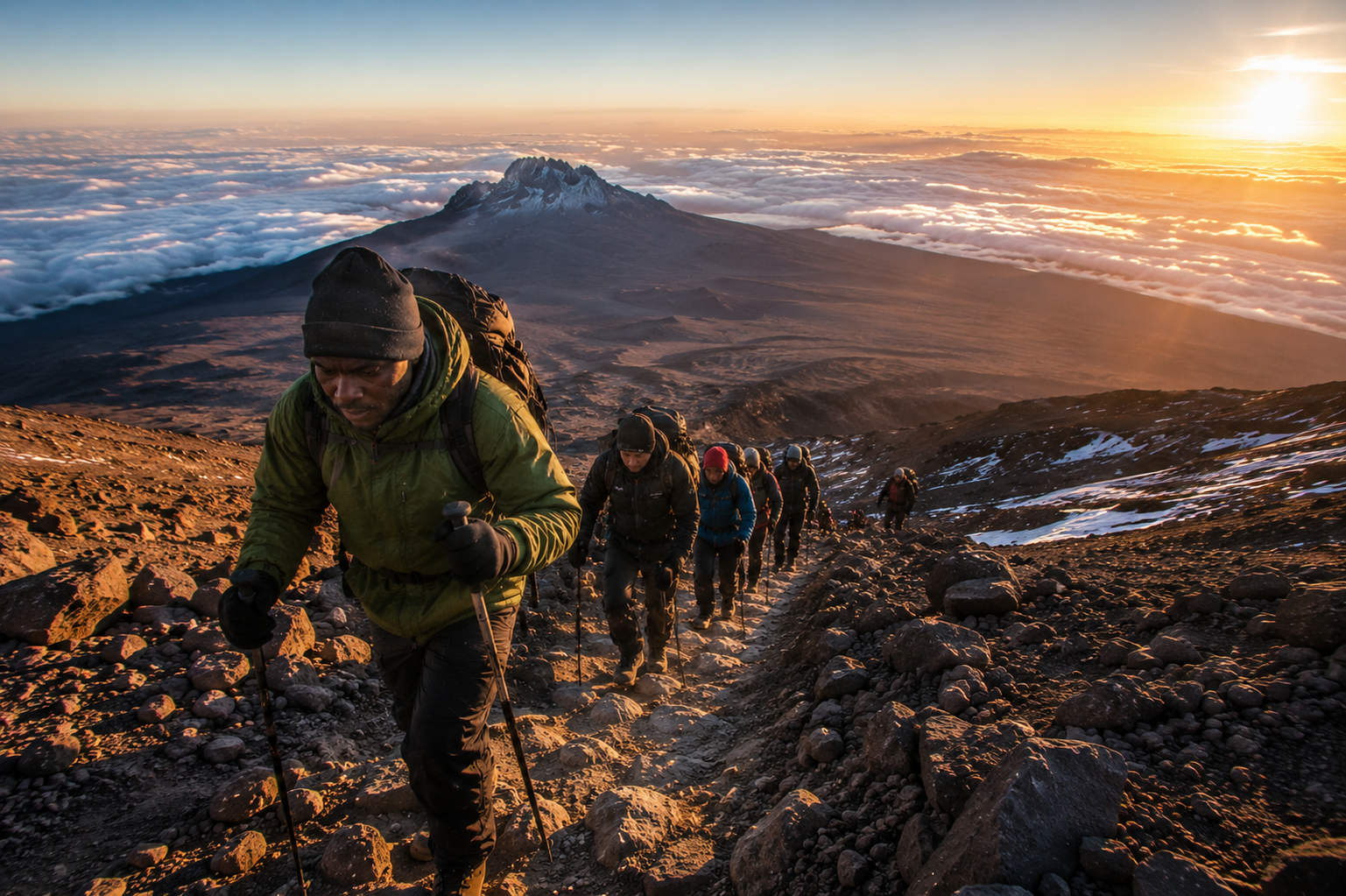
One of the biggest surprises about climbing Mount Kilimanjaro is that the greatest challenge usually is not fitness.
It’s altitude.
Every year, thousands of climbers arrive in Tanzania physically prepared for long hiking days but high elevation affects the body in ways many people have never experienced before.
That’s where acclimatization becomes incredibly important.
Understanding how acclimatization works on Kilimanjaro can dramatically improve:
- comfort on the mountain
- energy levels
- sleep
- recovery
- summit success rates
And most importantly:
it helps climbers stay safer at altitude.
What Does Acclimatization Mean?
Acclimatization is the process of your body gradually adjusting to lower oxygen levels at higher elevation.
As you climb Kilimanjaro, the air contains less available oxygen than it does at sea level.
Your body responds through changes such as:
- increased breathing rate
- faster heart rate
- improved oxygen efficiency
- gradual red blood cell adaptation over time
The higher you climb, the harder your body must work simply to function normally.
This is why many climbers notice:
- heavier breathing
- fatigue
- slower movement
- headaches
- disrupted sleep
especially during summit night.
What Does High Altitude Actually Feel Like on Kilimanjaro?
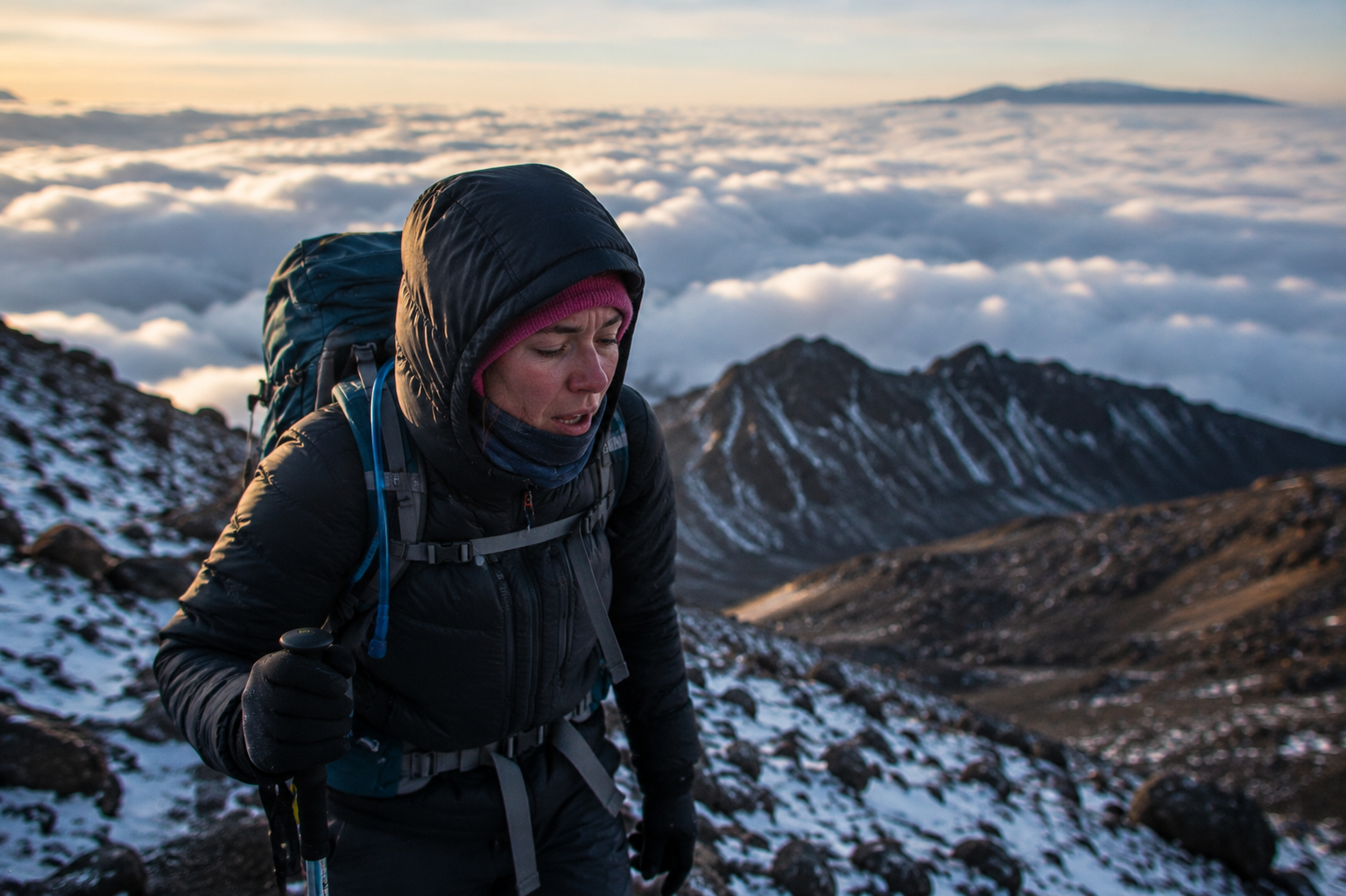
This is one of the most common questions climbers ask before arriving in Tanzania.
And honestly?
Altitude often feels strange in ways people don’t expect.
Many trekkers describe:
- walking more slowly than normal
- getting out of breath more easily
- waking up during the night
- feeling mentally foggy
- losing appetite
- feeling unusually emotional or tired
At higher camps, even simple tasks can feel harder.
Adjusting a backpack may feel tiring.
Zipping a sleeping bag can suddenly feel frustrating.
Some climbers notice their breathing becoming heavier while lying inside their tent at night.
The important thing to understand is:
this is often a normal part of high-altitude adaptation.
Why Altitude Affects Everyone Differently
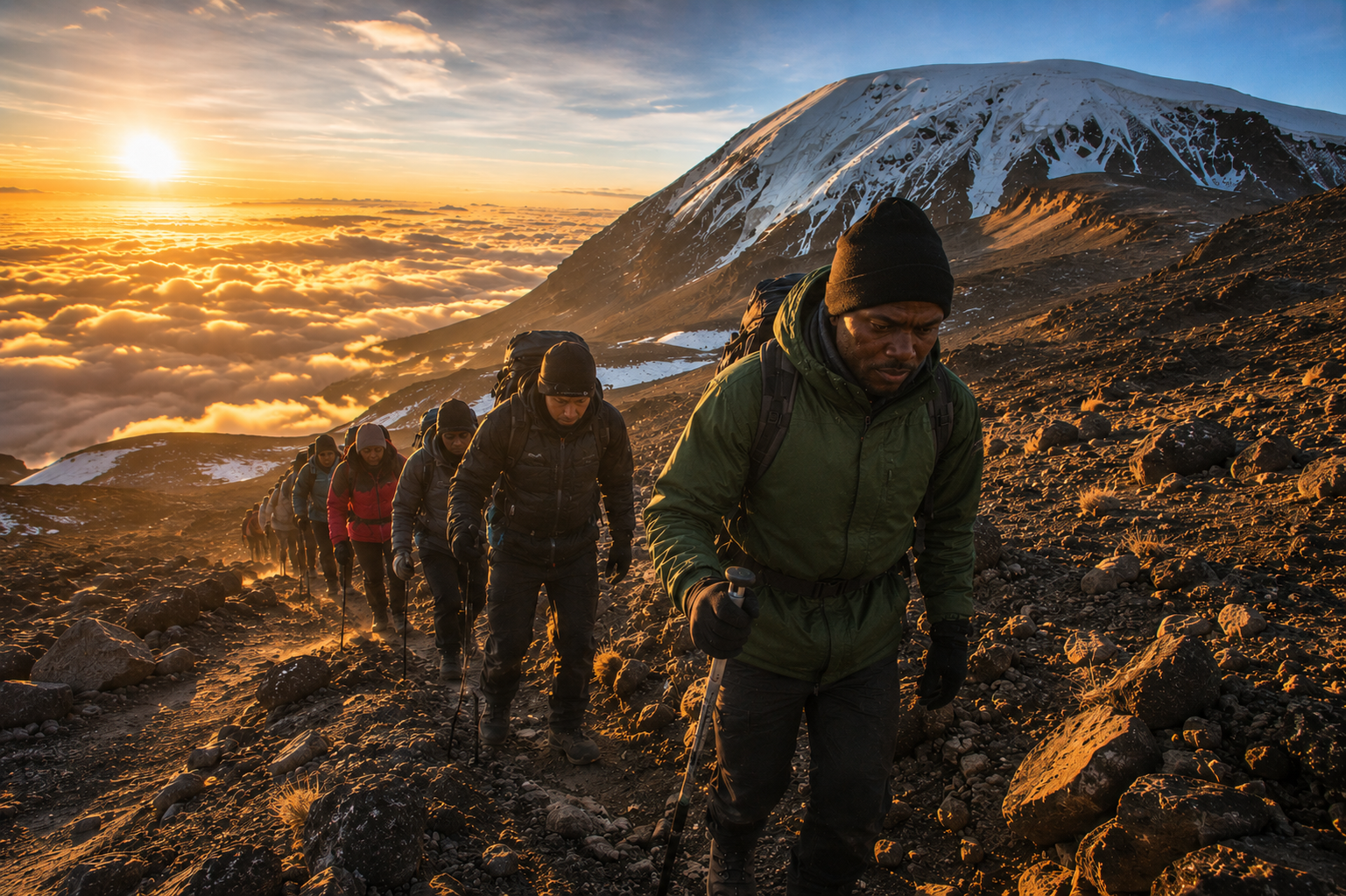
One of the most important things climbers should understand:
altitude does not care how fit you are.
Strong athletes can struggle.
Older trekkers can summit comfortably.
Experienced hikers sometimes develop symptoms while first-time climbers feel surprisingly strong.
That unpredictability is exactly why acclimatization matters so much on Kilimanjaro.
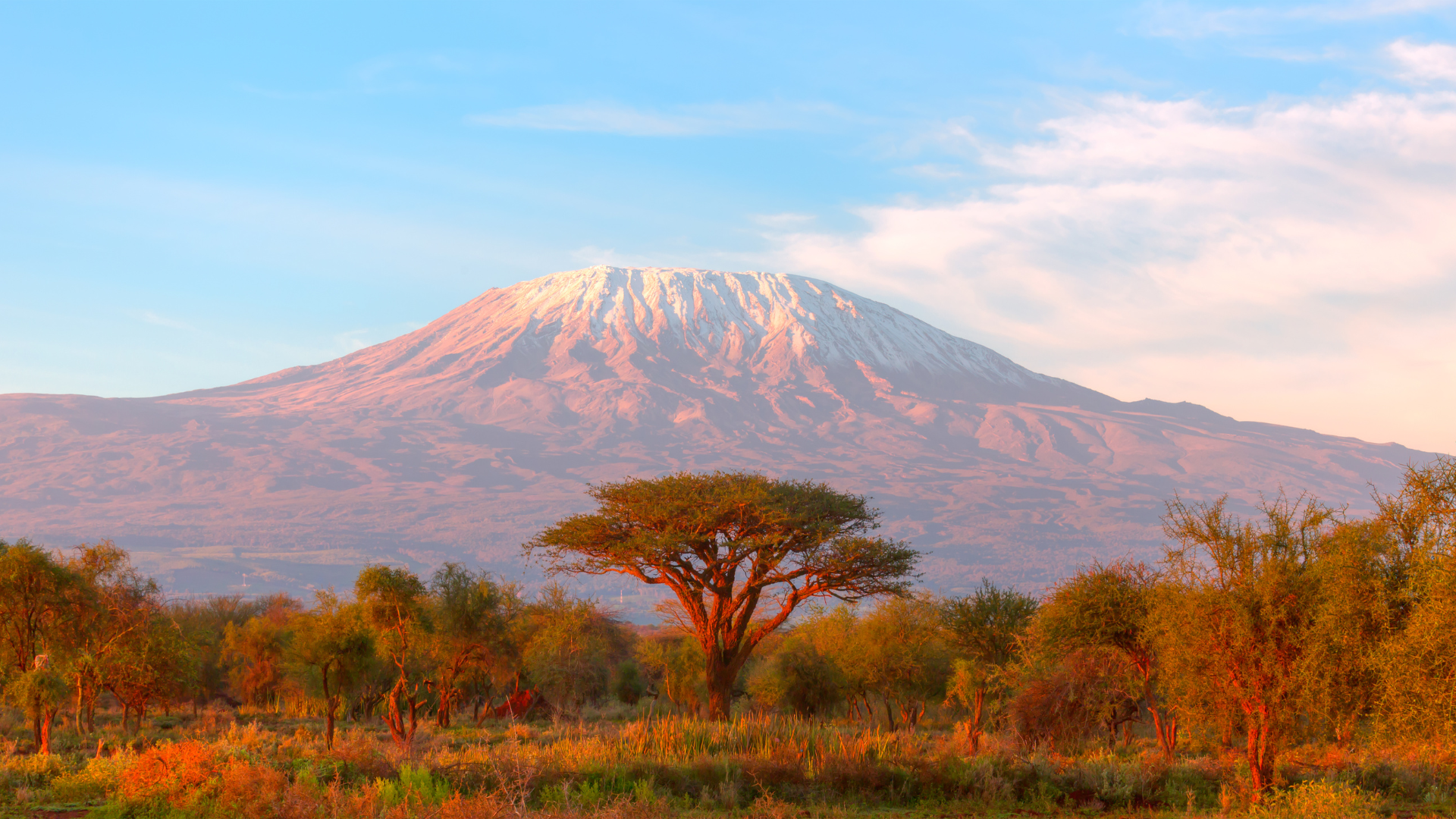
How High Is Kilimanjaro?
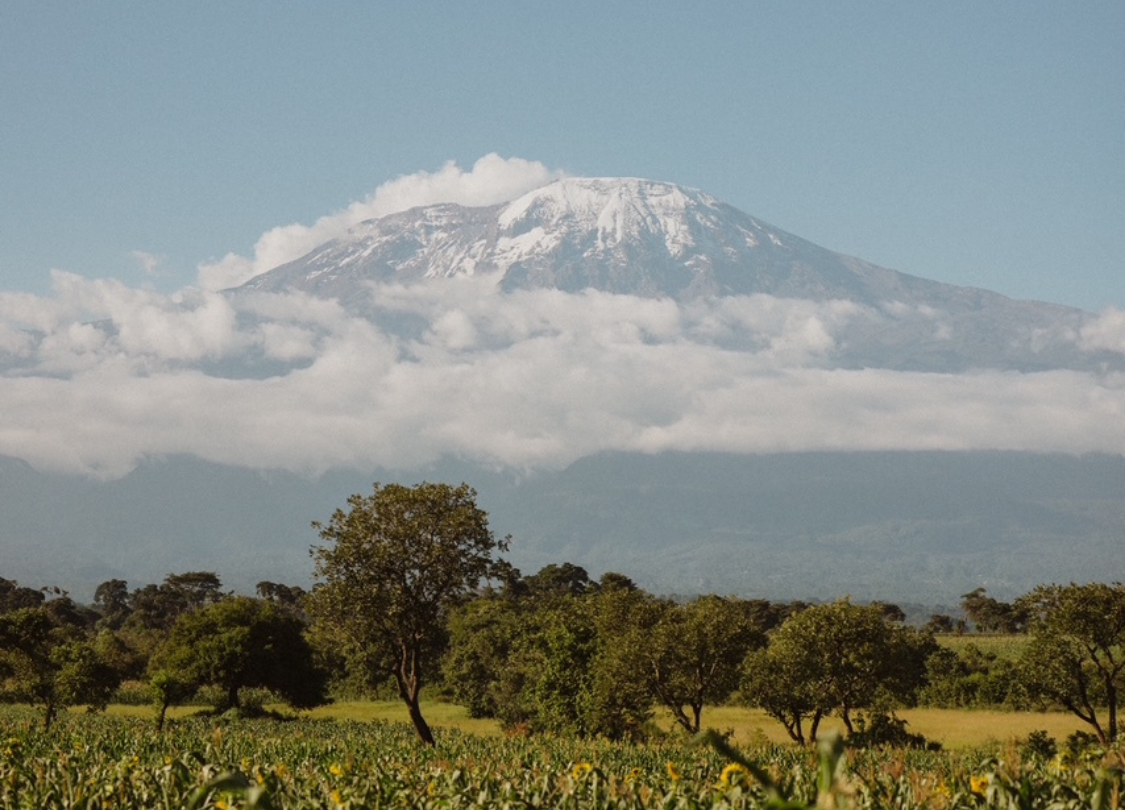
Mount Kilimanjaro reaches:
19,340 ft (5,895 m)
At that elevation, oxygen availability feels dramatically lower than at sea level.
For many climbers, Kilimanjaro becomes the highest point they have ever stood in their lives.
Kilimanjaro Elevation Timeline
| Location | Approximate Elevation |
|---|---|
| Moshi | ~2,800 ft |
| Londorossi Gate | ~7,700 ft |
| Barranco Camp | ~13,000 ft |
| Karanga Camp | ~13,100 ft |
| Barafu Camp | ~15,300 ft |
| Uhuru Peak | 19,340 ft |
One of the biggest challenges on Kilimanjaro is how quickly elevation increases within only a few days.
What Does Poor Acclimatization Feel Like?
When the body struggles to adjust to altitude, climbers may develop symptoms of altitude sickness.
Common symptoms include:
- headache
- nausea
- dizziness
- unusual fatigue
- poor sleep
- reduced appetite
- shortness of breath
Some symptoms remain mild and manageable.
Others may require descent.
Learning about altitude sickness on Kilimanjaro before your trek helps climbers recognize warning signs early.
Why “Pole Pole” Matters
If you climb Kilimanjaro, you will constantly hear guides say:
“Pole Pole”
Meaning:
“Slowly Slowly”
This phrase becomes the rhythm of the mountain.
Many first-time climbers want to hike quickly because they feel strong at lower elevation.
But Kilimanjaro rewards patience.
Walking slowly:
- conserves energy
- improves oxygen efficiency
- reduces stress on the body
- supports acclimatization
Guides often notice that the climbers who do best are usually not the fastest hikers.
They are the most patient.
Why Summit Night Feels So Different
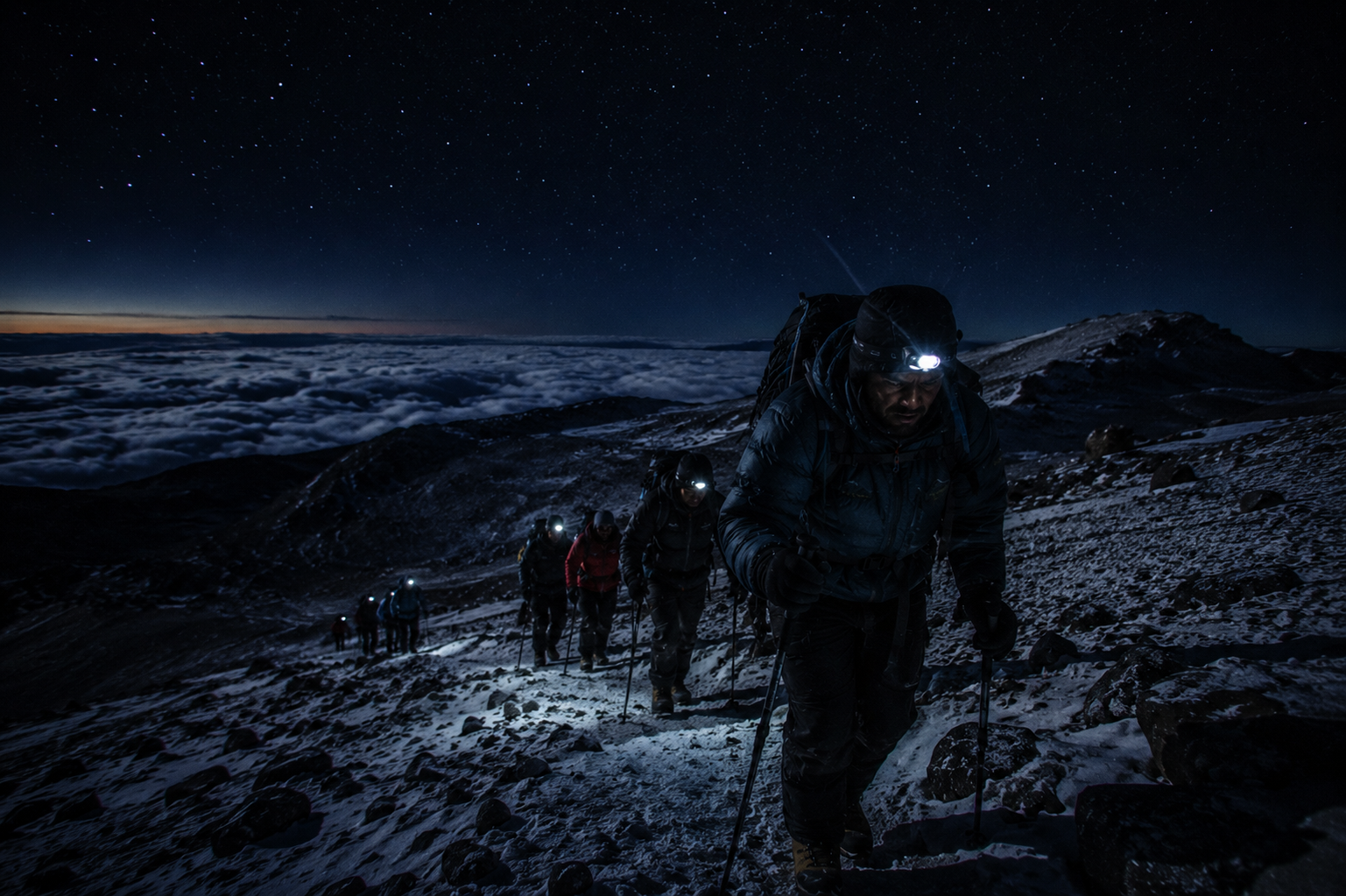
Summit night is when acclimatization matters most.
By this stage, climbers are dealing with:
- the highest altitude of the trek
- freezing temperatures
- physical exhaustion
- minimal sleep
- reduced oxygen levels
This combination makes summit night feel dramatically harder than earlier hiking days.
Many climbers suddenly feel:
- emotionally overwhelmed
- physically drained
- mentally slower
- unusually quiet
Learning about what summit night feels like on Kilimanjaro helps trekkers prepare both mentally and physically for the experience ahead.
The Golden Rule: Climb High, Sleep Low
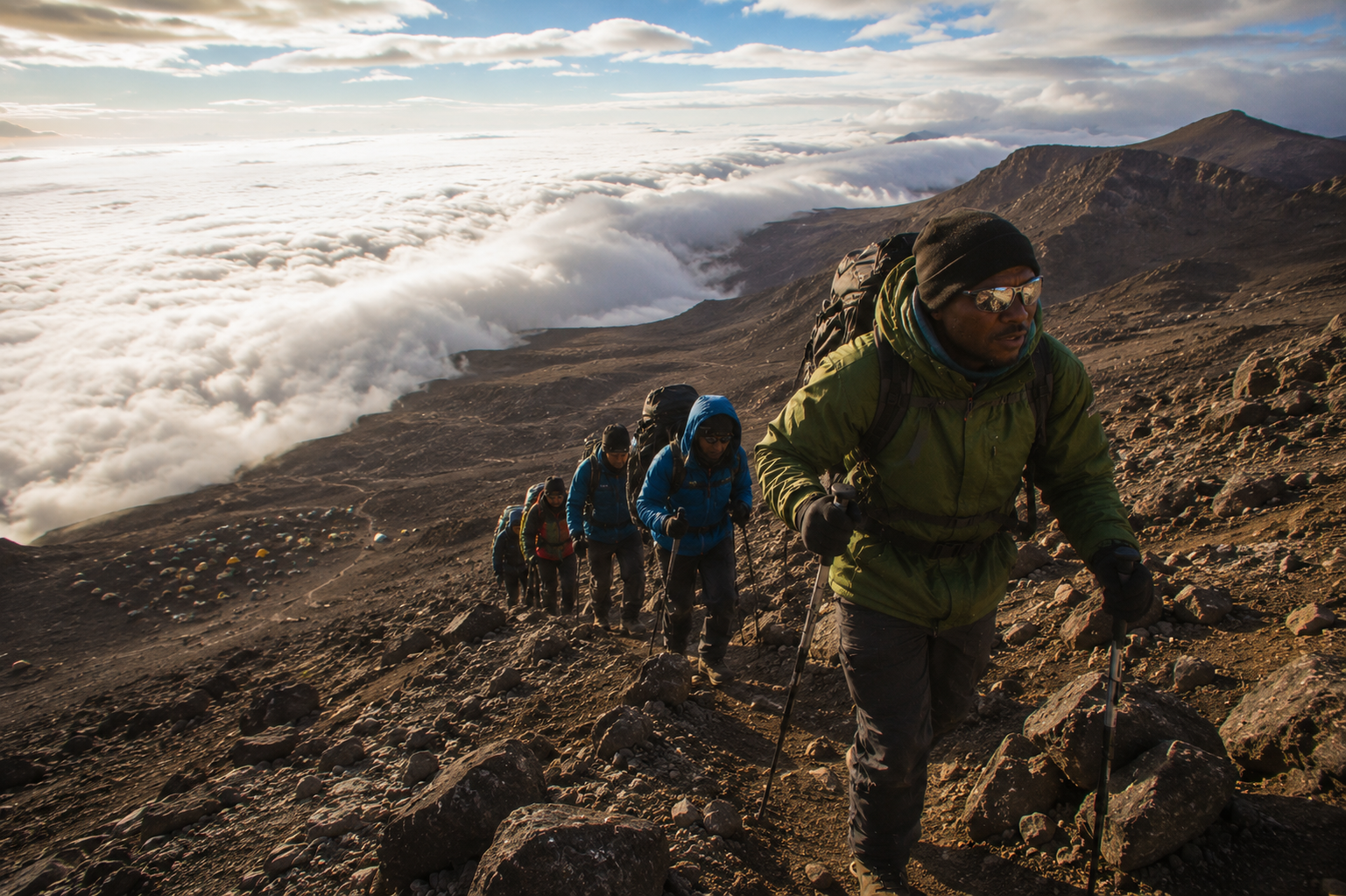
One of the most effective acclimatization strategies on Kilimanjaro is:
“Climb high, sleep low.”
This means climbers sometimes hike to a higher elevation during the day before descending slightly to sleep.
This gradual exposure helps the body adapt more safely to altitude.
Several longer Kilimanjaro routes naturally incorporate this acclimatization principle.
Why Longer Routes Improve Summit Success
This is one of the biggest reasons route choice matters.
Longer routes provide:
- more time at altitude
- slower elevation gain
- additional acclimatization opportunities
- better recovery between camps
Generally speaking:
more days on the mountain = better acclimatization.
Understanding Lemosho vs Machame routes c can help climbers choose an itinerary that better supports altitude adaptation.
How Climb Kili Monitors Acclimatization
Experienced Kilimanjaro guides carefully monitor climbers throughout the expedition.
At Climb Kili, guides regularly assess:
- oxygen saturation
- hydration
- energy levels
- appetite
- pace
- symptoms
Our guides also focus heavily on:
- steady pacing
- acclimatization-friendly itineraries
- small group support
- encouragement during difficult sections
You can learn more about Kilimanjaro safety procedures and how guides support climbers at altitude.
Hydration Plays a Huge Role
At altitude, dehydration happens faster than many people realize.
Dry air, increased breathing, and physical exertion all increase fluid loss.
Most climbers aim to drink:
3–5 liters of water daily
Proper hydration helps:
- circulation
- recovery
- energy levels
- altitude adaptation
Sleep at Altitude Often Feels Different
Many climbers are surprised by how unusual sleep feels at elevation.
Common experiences include:
- vivid dreams
- lighter sleep
- waking frequently overnight
- difficulty falling asleep
This is a very normal part of high-altitude adjustment for many trekkers.
Common Acclimatization Mistakes
One of the biggest causes of altitude struggles is not always fitness — it’s poor pacing and mountain habits.
Common mistakes include:
- hiking too fast
- ignoring hydration
- skipping meals
- poor recovery
- refusing to slow down
- ignoring symptoms
On Kilimanjaro, ego pacing can become dangerous.
The mountain rewards patience.
Acclimatization Starts Before You Reach Tanzania
While nothing perfectly replicates Kilimanjaro altitude at home, preparation still matters.
Helpful preparation includes:
- cardiovascular training
- hiking endurance
- stair climbing
- hydration habits
- recovery routines
- mental preparation
Understanding training for Kilimanjaro before your climb helps many trekkers handle long hiking days more efficiently.
The Mental Side of Acclimatization
Altitude is not only physical.
It also affects emotions and mindset.
During summit night, exhaustion and low oxygen can make:
- doubts feel louder
- frustration feel heavier
- simple tasks feel overwhelming
Many climbers feel frustrated when altitude forces them to slow down.
But Kilimanjaro teaches people something rare in modern life:
slowing down is sometimes the fastest way forward.
Can You Guarantee Good Acclimatization?
No.
And any company claiming to guarantee altitude performance should be viewed carefully.
Even with:
- training
- hydration
- longer routes
- strong pacing
every climber responds differently to elevation.
The goal is not to eliminate altitude completely.
The goal is to:
help your body adapt as safely and gradually as possible.
Good Acclimatization Feels Surprisingly Simple
When acclimatization is going well, the mountain often feels:
- rhythmic
- manageable
- steady
You still feel altitude.
You still feel tired.
But your body gradually adapts enough to continue moving upward safely.
And somewhere during the climb, many trekkers realize:
success on Kilimanjaro is not about conquering the mountain quickly.
It’s about respecting it patiently.
FAQs About Kilimanjaro Acclimatization
What is acclimatization on Kilimanjaro?
Acclimatization is the process of your body adjusting to lower oxygen levels at higher elevation.
Why is acclimatization important on Kilimanjaro?
Proper acclimatization improves comfort, safety, recovery, and summit success at altitude.
How quickly do you gain altitude on Kilimanjaro?
Climbers gain elevation rapidly over several days, which is why pacing and route choice matter so much.
Which route is best for acclimatization?
Longer itineraries such as the Lemosho Route generally provide stronger acclimatization profiles.
Can you acclimatize before arriving in Tanzania?
You can improve fitness beforehand, but true acclimatization mainly happens during the climb itself.
Does fitness prevent altitude sickness?
No. Even very fit climbers can experience altitude symptoms.
Is Diamox necessary on Kilimanjaro?
Some climbers use Diamox after discussing it with their medical provider, but decisions about medication should always be made individually with professional guidance.
What oxygen level is normal on Kilimanjaro?
Oxygen saturation levels naturally decrease at higher altitude, which is why guides often monitor climbers regularly during the trek.
Respecting the Mountain Is Part of the Journey
Kilimanjaro is not just a hike.
It’s a high-altitude environment that asks climbers to slow down, listen to their breathing, and move patiently one step at a time.
And for many trekkers, acclimatization becomes part of the deeper lesson Kilimanjaro teaches:
progress does not need to be fast to be meaningful.
Kilimanjaro rewards climbers who slow down enough to listen — to their body, their breathing, and the mountain itself.
If you’re preparing for your Kilimanjaro climb and want help choosing the right route, understanding altitude, or training for the mountain, contact Climb Kili anytime at info@climbkili.com.
Tutaonana juu ya mlima (See you on the mountain) 💚🏔️