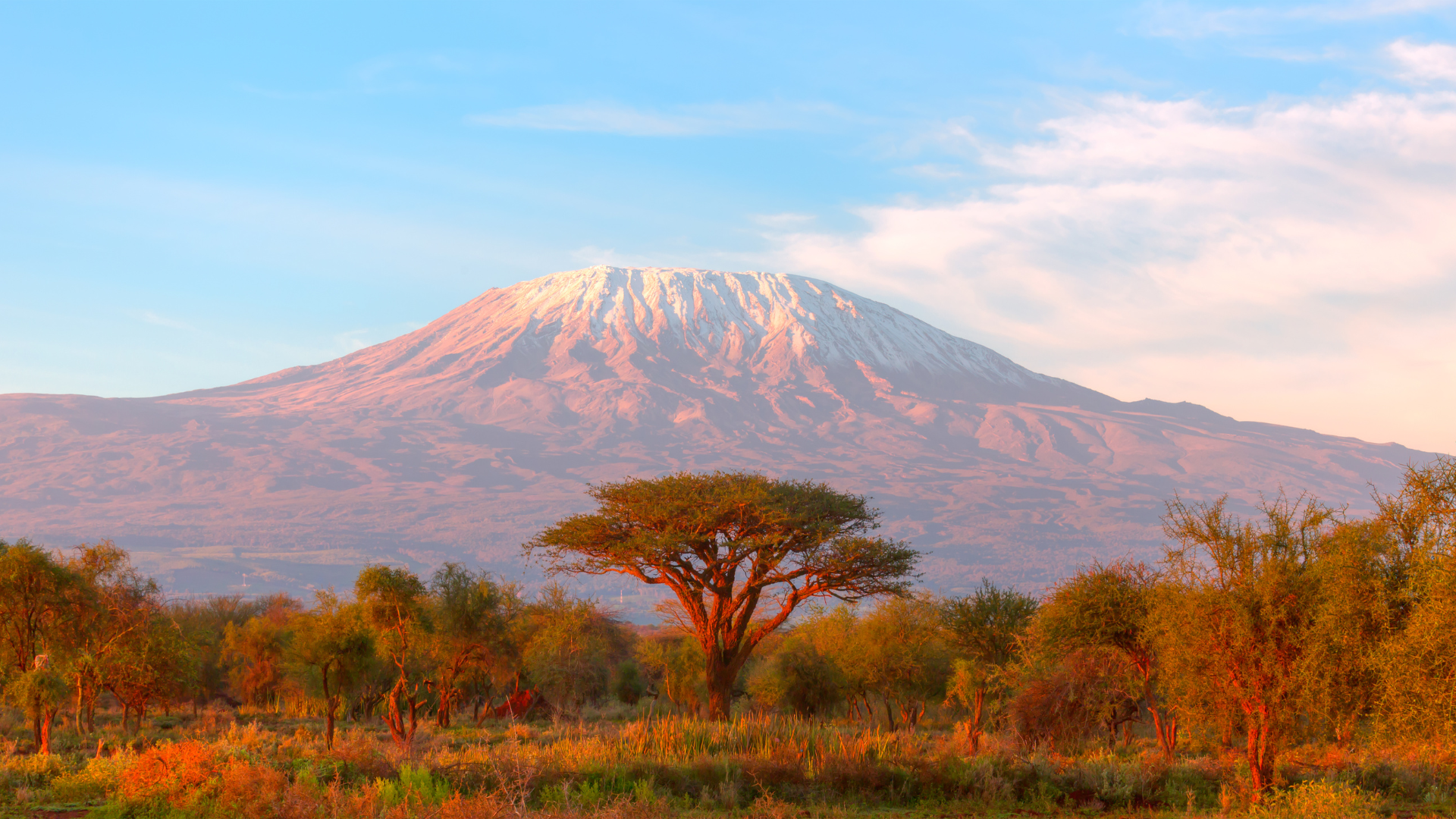
Mount Kilimanjaro is one of the world’s most iconic mountains but most people only know it as “the tallest mountain in Africa.”
The reality is far more fascinating.
Kilimanjaro is a dormant volcano near the equator with disappearing glaciers, five climate zones, dramatic altitude changes, and tens of thousands of climbers attempting the summit every year.
And once you start looking at the mountain through numbers, the scale of the experience becomes even more incredible.
Whether you’re planning your climb or simply curious about Africa’s highest peak, these Kilimanjaro facts and statistics may completely change how you see the mountain.
Kilimanjaro By the Numbers
| Kilimanjaro Statistic | Number |
|---|---|
| Height | 19,340 ft (5,895 m) |
| Annual Climbers | ~50,000 |
| Climate Zones | 5 |
| Average Climb Length | 6–8 days |
| Summit Temperature | As low as 0°F (-18°C) |
| Glacier Loss | 80%+ in past century |
| Volcano Age | ~750,000 years |
| Minimum Climbing Age | 10 years old |
| Summit Push Start Time | Around midnight |
| Summit Success Rate | ~65% overall |
1. Kilimanjaro Is the Tallest Free-Standing Mountain on Earth
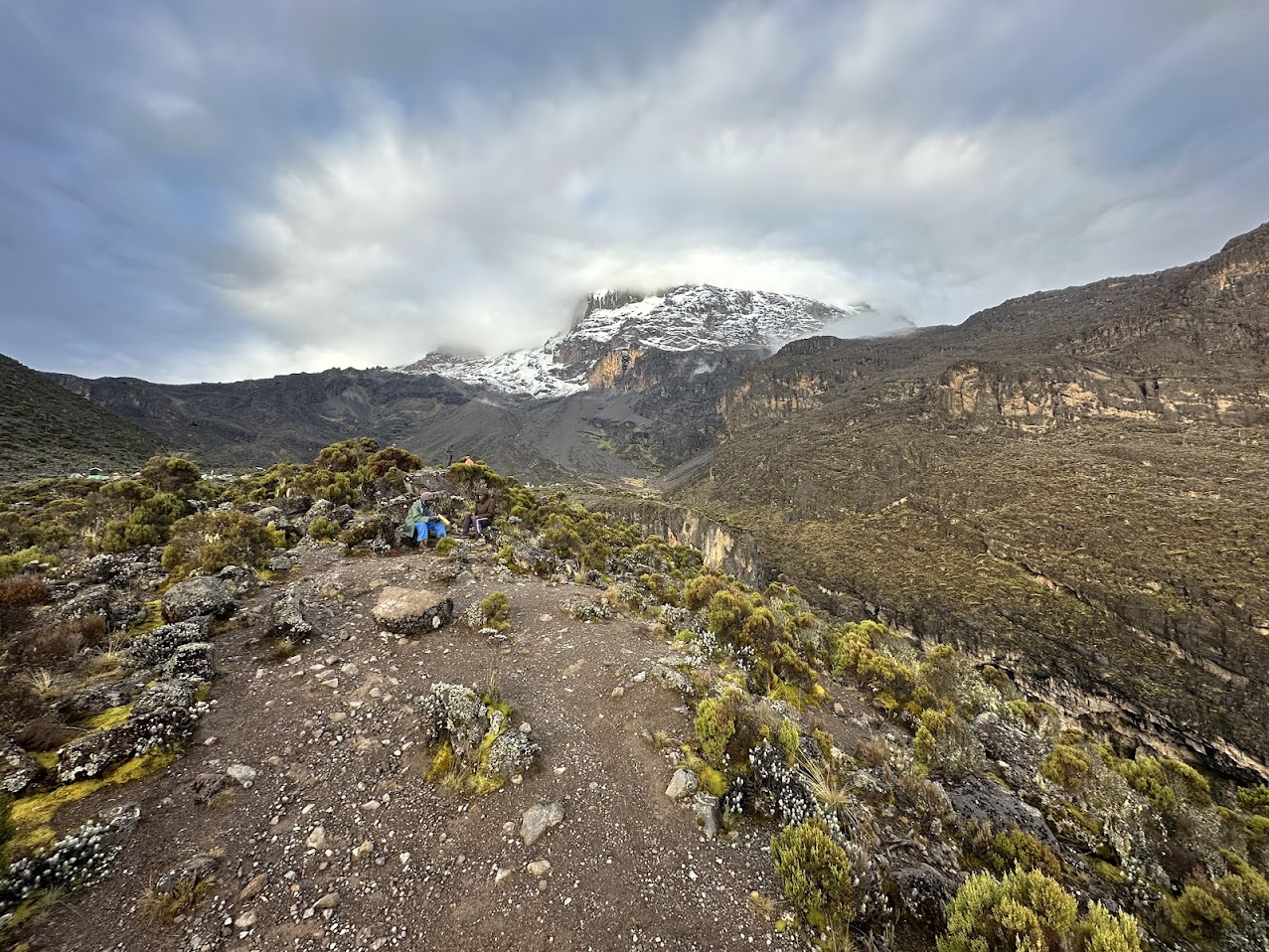
Unlike mountain ranges such as the Himalayas, Kilimanjaro rises independently from the surrounding plains.
Quick Fact:
Kilimanjaro rises nearly:
16,000 vertical feet
above the surrounding savannah.
At:
19,340 ft (5,895 m)
it becomes the highest point in Africa and one of the world’s famous Seven Summits.
2. Around 50,000 People Attempt Kilimanjaro Every Year
Kilimanjaro is one of the most climbed high-altitude mountains on Earth.
Approximately:
50,000 climbers
attempt the summit annually.
That includes:
- first-time trekkers
- endurance athletes
- charity groups
- bucket-list travelers
- Seven Summits climbers
3. Kilimanjaro Has Lost More Than 80% of Its Glaciers
One of the mountain’s most dramatic statistics is its disappearing ice.
Scientists estimate Kilimanjaro has lost:
over 80% of its glaciers
during the past century.
Quick Fact:
Many researchers believe parts of the remaining glaciers could disappear within future generations.
4. You Can Walk Through 5 Climate Zones in One Trek
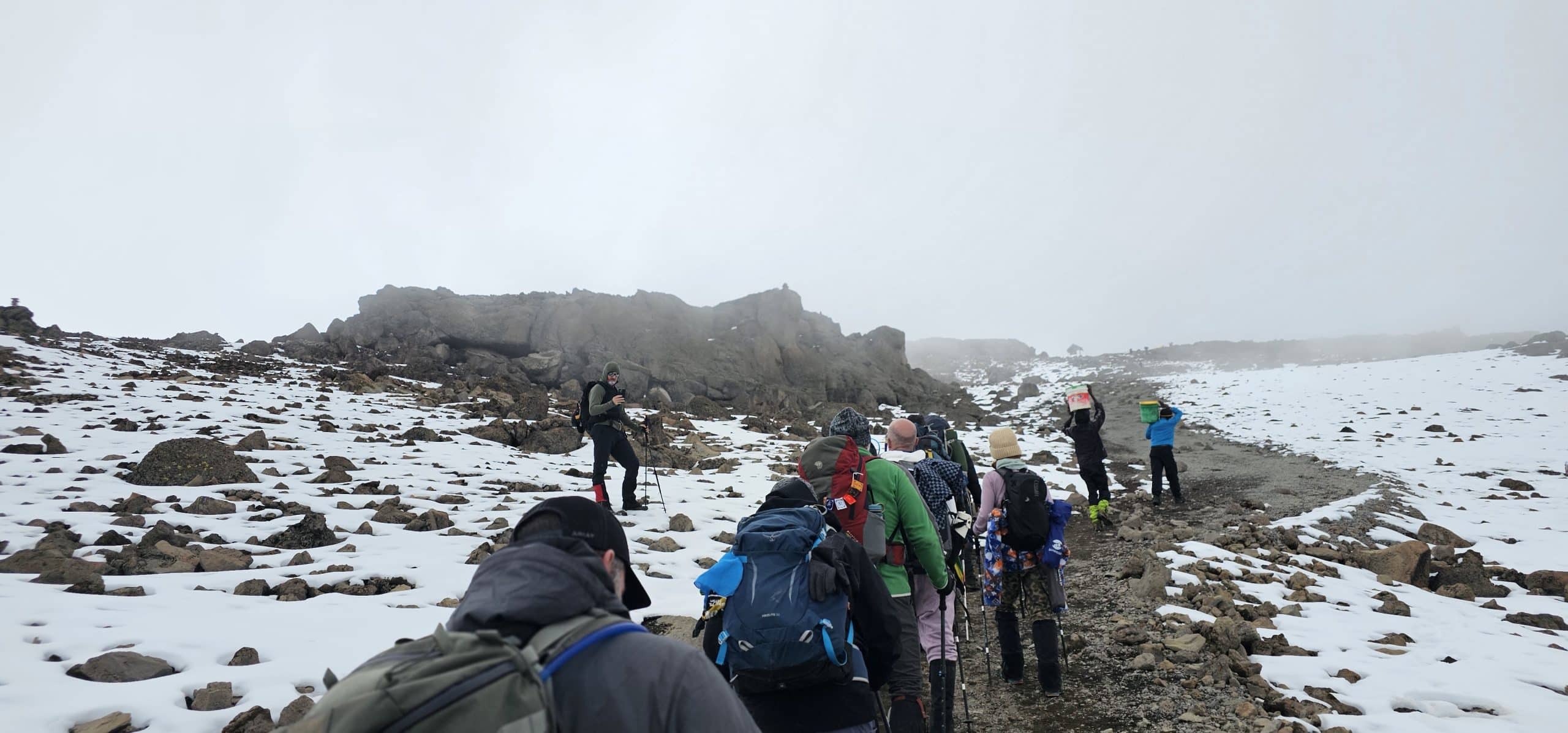
Very few mountains on Earth offer such dramatic environmental transitions.
Climbers move through:
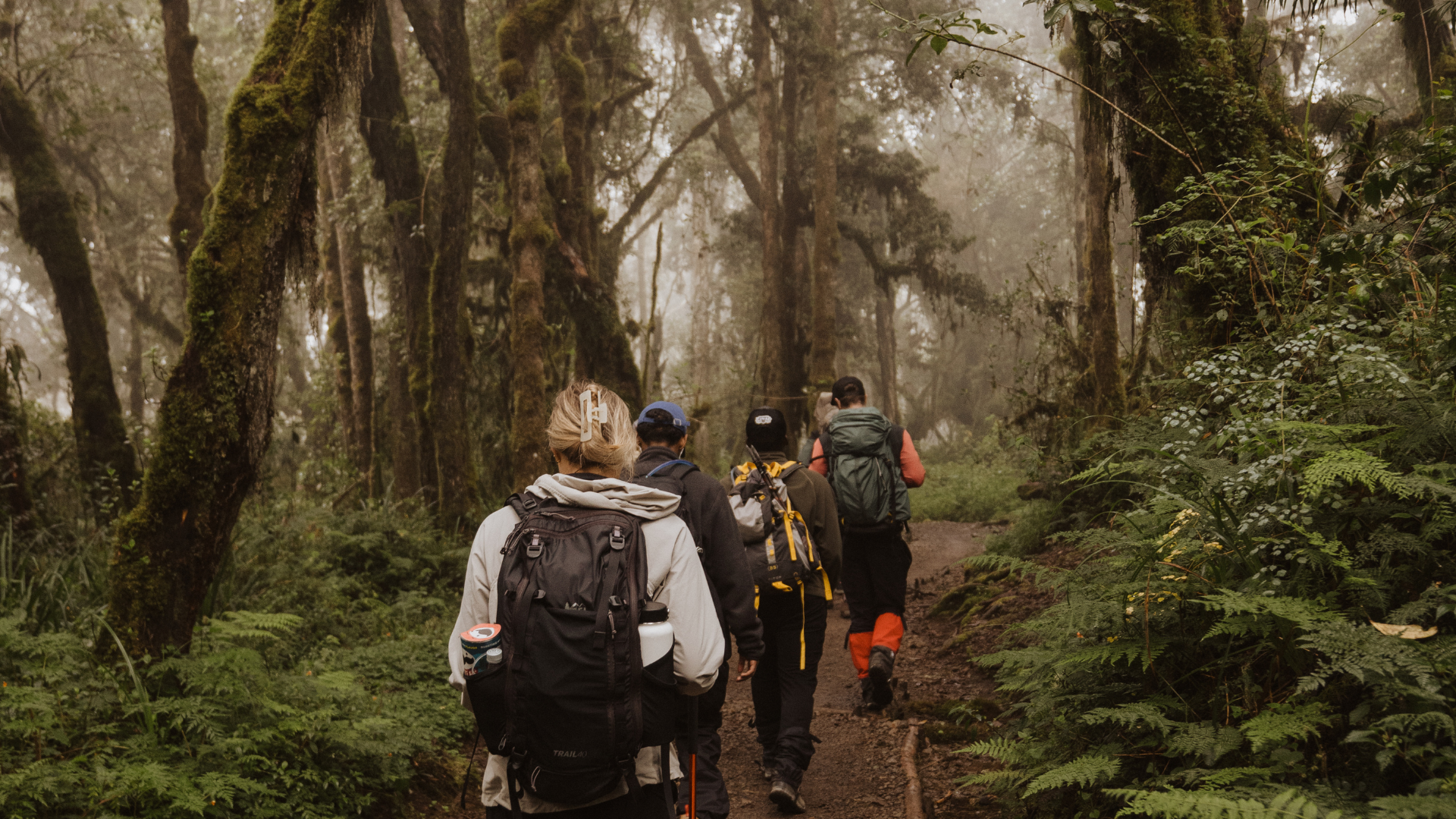
- Rainforest
- Moorland
- Heath and alpine vegetation
- Alpine desert
- Arctic summit conditions
Quick Fact:
You can walk from humid rainforest to snow and ice in under a week.
5. Summit Night Begins Around Midnight
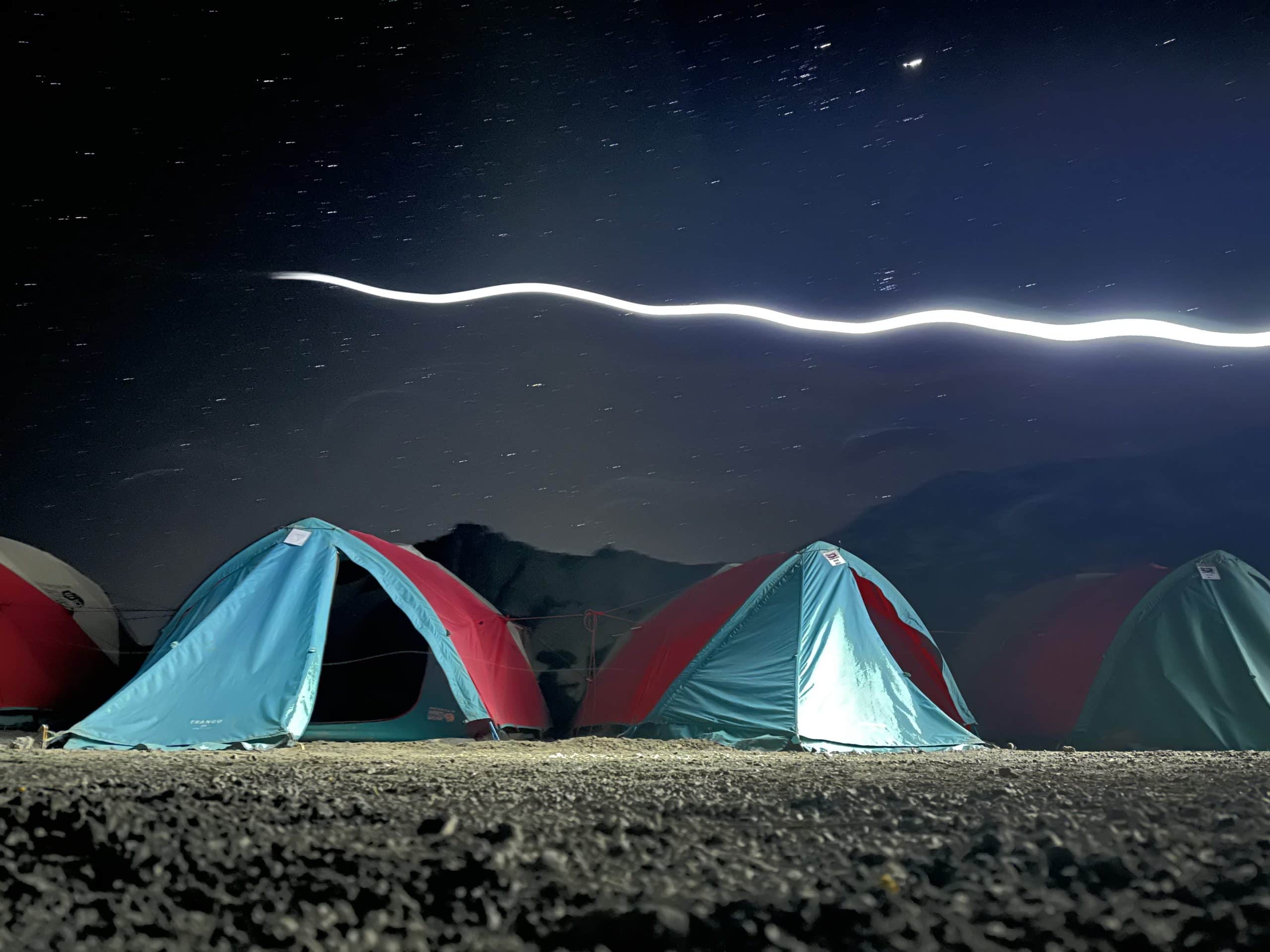
Most summit attempts start around:
11 PM to midnight
Climbers spend hours hiking in darkness using headlamps while battling:
- freezing temperatures
- altitude
- exhaustion
- volcanic scree
Understanding what summit night feels like on Kilimanjaro helps many trekkers prepare mentally for the experience.
Quick Fact:
Some climbers take:
40,000–50,000 steps
during summit day alone.
6. The Fact That Surprises Most Climbers
Many people assume Kilimanjaro is difficult because of technical climbing.
The reality?
Altitude is the real challenge.
Kilimanjaro is considered a:
non-technical trekking mountain
No ropes or technical mountaineering are typically required on standard routes.
However, altitude affects every climber differently.
Learning about altitude sickness on Kilimanjaro is one of the most important parts of preparation.
7. Summit Success Depends More on Acclimatization Than Fitness
One of the most surprising facts about Kilimanjaro:
Extremely athletic people can still struggle with altitude.
Choosing longer itineraries dramatically improves acclimatization and summit success.
Understanding why acclimatization matters on Kilimanjaro an make a major difference during the climb.
8. Route Choice Can Significantly Affect Success Rates
Longer routes generally allow better acclimatization.
Many climbers comparing itineraries research:
- route duration
- camp elevations
- acclimatization profiles
- summit success rates
Understanding Lemosho vs Machame routes can help trekkers choose the route that best fits their goals and experience.
9. Kilimanjaro Is Actually a Volcano
The mountain contains:
- Kibo
- Mawenzi
- Shira
Kibo is the tallest dormant volcanic cone where Uhuru Peak is located today.
10. “Uhuru” Means Freedom
The summit point is called:
Uhuru Peak
“Uhuru” translates to:
“Freedom” in Swahili.
11. Kilimanjaro Is Near the Equator
Despite being close to the equator, Kilimanjaro’s summit can feel arctic because of its extreme elevation.
This contrast surprises many climbers.
12. Temperatures Can Drop Below 0°F
Summit night temperatures may fall below:
0°F (-18°C)
Wind chill can make conditions feel even colder.
This is why proper layering and a strong Kilimanjaro packing list matter so much.
13. Dehydration Happens Faster at Altitude
High altitude increases fluid loss and dehydration risk.
Guides constantly remind climbers to drink water throughout the trek.
Quick Fact:
Many trekkers drink:
3–5 liters of water daily
on the mountain.
14. “Pole Pole” Is the Most Famous Phrase on Kilimanjaro
“Pole Pole” means:
“Slowly Slowly”
Guides repeat it constantly because pacing is critical for acclimatization.
Learning Swahili words used on Kilimanjaro becomes part of the cultural experience.
15. Every Climber Must Use a Licensed Guide
Independent trekking is not allowed on Kilimanjaro.
All climbers must register with a licensed guide company.
16. Porters Carry Most Expedition Equipment
Porters transport:
- tents
- food
- sleeping gear
- cooking equipment
- duffel bags
This allows climbers to focus on trekking safely.
Quick Fact:
Most climbers trek with a team much larger than they expect.
17. KPAP Helps Protect Porter Welfare
Many ethical operators, including Climb Kili, are members of:
KPAP
(Kilimanjaro Porters Assistance Project)
KPAP helps ensure fair treatment, safe working conditions, and ethical wages for mountain crews.
18. Kilimanjaro Supports Thousands of Local Jobs
Tourism on Kilimanjaro supports:
- guides
- porters
- cooks
- drivers
- hotels
- restaurants
- local communities throughout Tanzania
The mountain plays a major role in the regional economy.
19. Many Guides Began Their Careers as Porters
Some of Kilimanjaro’s most experienced guides spent years working as porters before becoming lead guides.
Their understanding of the mountain is often extraordinary.
Climb Kili Insight:
Many Climb Kili guides have spent over a decade working on Kilimanjaro.
20. Climb Kili Guides Perform Health Monitoring Twice Daily
On Climb Kili expeditions, guides regularly monitor:
- oxygen saturation
- hydration
- symptoms
- acclimatization progress
You can learn more about Kilimanjaro safety procedures and how guides support climbers during the trek.
21. Some Climbers Experience Altitude Insomnia
Sleeping at altitude can feel surprisingly difficult.
Many trekkers report:
- vivid dreams
- restless sleep
- waking frequently overnight
This is a normal part of high-altitude adaptation for some climbers.
22. Monkeys Live in the Rainforest Zone
The lower slopes of Kilimanjaro contain rich rainforest ecosystems with:
- blue monkeys
- colobus monkeys
- tropical birds
- dense vegetation
Many first-time climbers are surprised by how lush the lower mountain feels.
23. Cell Service Sometimes Works Surprisingly High
Some climbers are shocked to discover limited cell service at higher camps on certain routes.
Though signal quality varies greatly.
24. Sunrise at Uhuru Peak Is One of the Most Emotional Moments for Climbers
Many trekkers describe summit sunrise as:
- emotional
- surreal
- overwhelming
- life-changing
Some climbers cry when they finally reach the summit sign after hours of hiking in darkness.
25. Summit Success Often Comes Down to Mental Strength
Physical training matters — but mindset matters just as much.
Learning how to mentally prepare for Kilimanjaro can help climbers manage difficult moments during the expedition.
26. The Mountain Is Roughly 750,000 Years Old
Kilimanjaro’s volcanic formation began hundreds of thousands of years ago.
It remains one of Africa’s most geologically fascinating landscapes.
27. Kilimanjaro Is One of the Seven Summits
It represents:
Africa’s continental high point.
For many mountaineers, Kilimanjaro becomes the first step toward completing the Seven Summits challenge.
28. Most Climbers Burn Thousands of Calories Per Day
Long trekking days combined with altitude dramatically increase energy demands.
Many trekkers burn:
4,000–6,000 calories daily
during the expedition.
29. Camp Songs Become Part of the Experience
Many mountain crews sing traditional Swahili songs to celebrate climbers and boost morale.
For many trekkers, the camp atmosphere becomes one of the most unforgettable parts of the climb.
30. Kilimanjaro Changes People
Before climbing Kilimanjaro, most people only see the statistics.
After climbing it, they remember:
- the guides
- the sunrise above the clouds
- the volcanic scree crunching beneath their boots
- the songs echoing through camp
- the struggle during summit night
- the friendships formed on the mountain
Long after climbers forget the numbers, they remember the feeling of standing somewhere that once seemed impossible.
Most Googled Questions About Kilimanjaro
How tall is Mount Kilimanjaro?
Mount Kilimanjaro stands at 19,340 ft (5,895 m).
How many people climb Kilimanjaro each year?
Approximately 50,000 climbers attempt Kilimanjaro annually.
Is Kilimanjaro dangerous?
Kilimanjaro is considered a non-technical mountain, but altitude remains a serious challenge that should be respected.
Can beginners climb Kilimanjaro?
Yes. Many first-time high-altitude trekkers successfully summit with proper preparation and acclimatization.
Do you need oxygen to climb Kilimanjaro?
Most climbers do not use supplemental oxygen, though guides often carry emergency oxygen for safety.
Can you still see glaciers on Kilimanjaro?
Yes, though the glaciers have dramatically decreased over the past century.
Why These Numbers Matter
Kilimanjaro is not just Africa’s tallest mountain — it’s a place where geology, altitude, culture, climate, and human resilience all come together.
Every statistic tells part of the story:
- the disappearing glaciers
- the thousands of annual climbers
- the altitude challenges
- the people supporting expeditions behind the scenes
But after standing on the mountain yourself, the numbers begin to feel personal.
Because before climbing Kilimanjaro, most people only see statistics.
After climbing it, they remember the people, the struggle, the sunrise above the clouds, and the feeling of standing somewhere that once seemed impossible.
If you’re preparing for your own Kilimanjaro adventure and want help understanding routes, training, and acclimatization, contact Climb Kili anytime at info@climbkili.com.
Tutaonana juu ya mlima (See you on the mountain) 💚🏔️