Climbing Mount Kilimanjaro is more than a physical challenge—it’s a full-body experience.
As you ascend, your body is constantly adapting to lower oxygen levels, colder temperatures, and increasing physical demand. Understanding these Kilimanjaro altitude effects day by day helps you feel prepared, confident, and in control of your experience.
Why Altitude Affects Your Body

As you climb higher, the air becomes thinner—meaning there is less oxygen available with each breath.
This leads to:
- Increased breathing rate
- Elevated heart rate
- Reduced energy levels
- Changes in appetite and sleep
This process is called Acclimatization, and it’s your body’s way of adjusting.
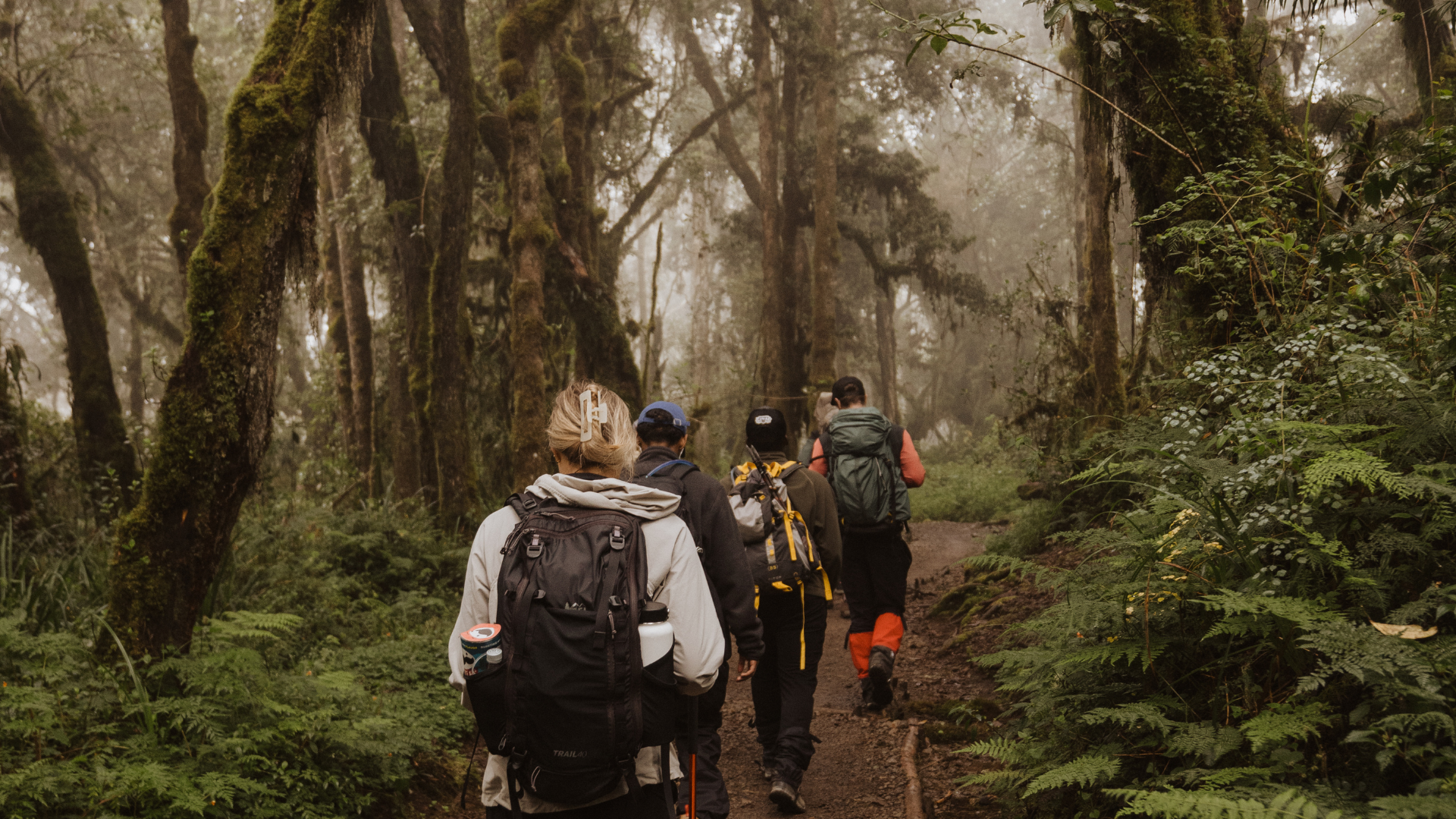
Day 1: Excitement + Easy Breathing (Rainforest Zone)
What Your Body Feels:
- Strong and energized
- Normal breathing
- High excitement
This is your body’s comfort zone—just getting into rhythm.
Day 2–3: Subtle Changes Begin
- Slightly heavier breathing
- Mild fatigue
- Occasional light headache
What Your Body Feels:
This is where Kilimanjaro acclimatization begins.
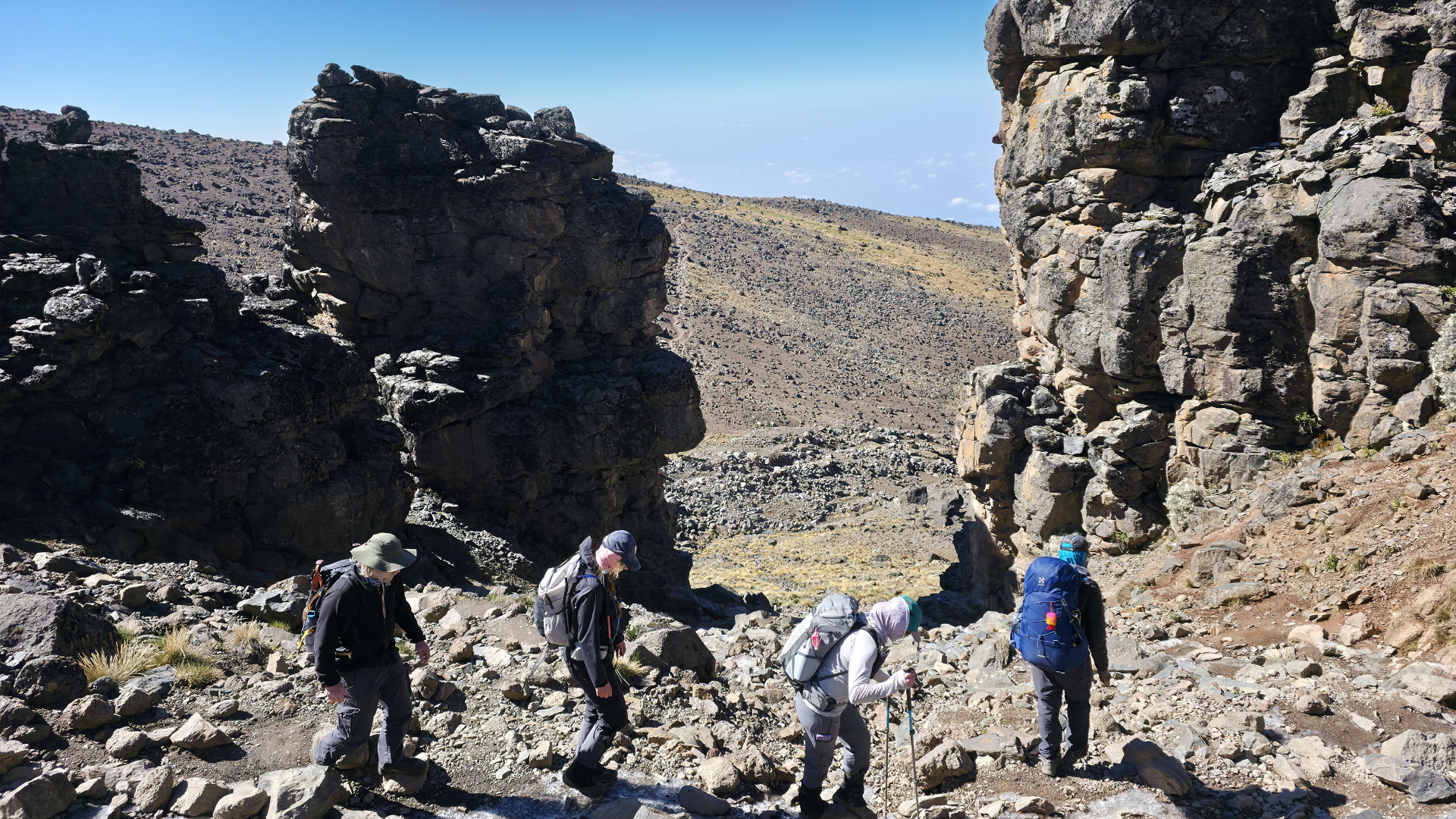
Day 3–4: Altitude Becomes Noticeable
What Your Body Feels:
- Shortness of breath
- Reduced appetite
- Difficulty sleeping
- Increased fatigue
Your pace slows and that’s exactly what should happen.
Day 5–6: The Real Test (High Camp)
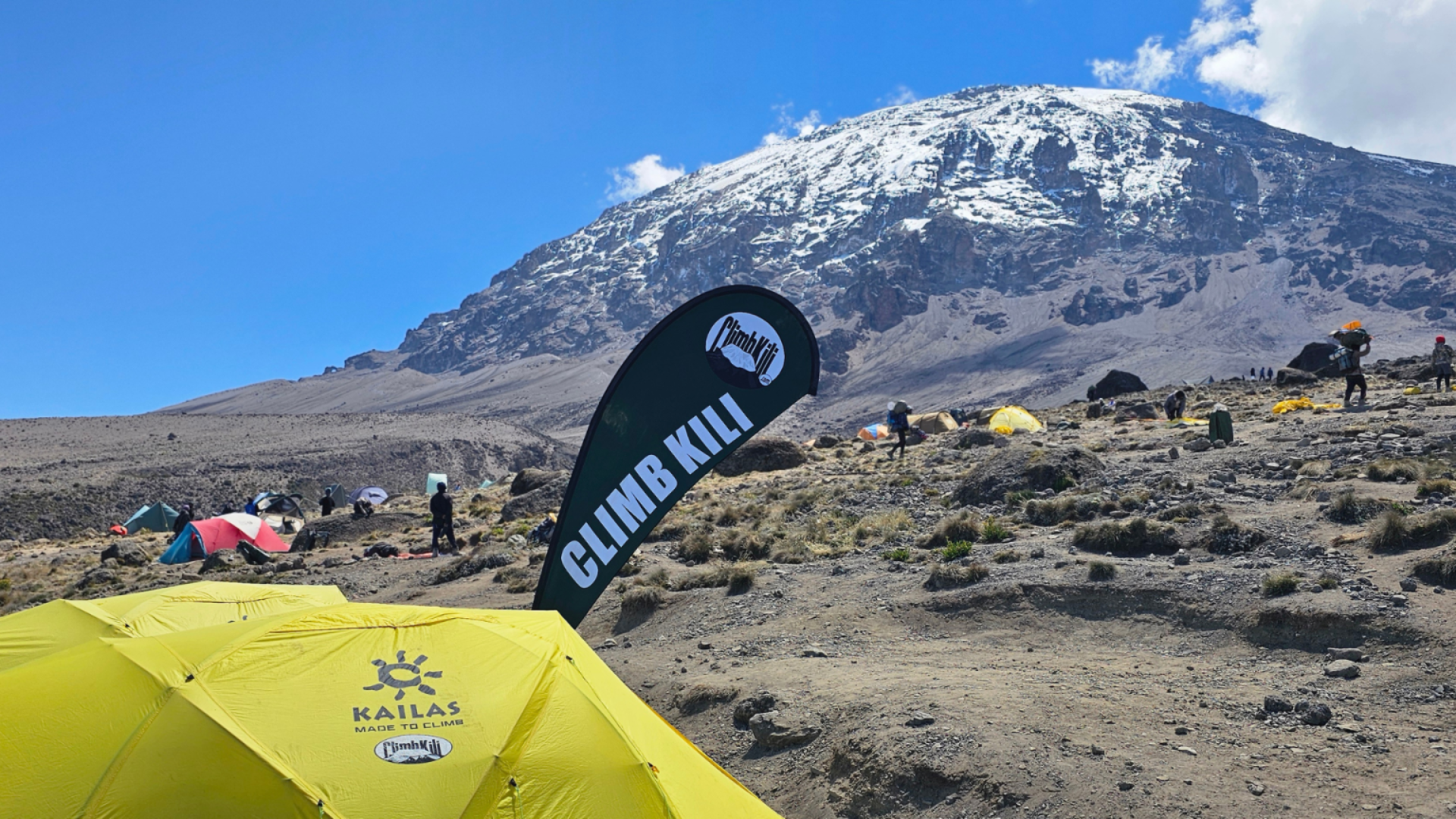
What Your Body Feels:
- Fatigue even while resting
- Headaches that come and go
- Low appetite
- Low energy
This is when symptoms of Altitude Sickness may appear.
Summit Night: Maximum Effort
What Your Body Feels:
- Extreme fatigue
- Slow, steady movement
- Cold and low energy
- Deep mental focus
Every step requires effort but your body is still adapting.
After the Summit: Immediate Recovery
What Your Body Feels:
- Easier breathing
- Increased energy
- Appetite returns
- Rapid improvement
Descending brings relief quickly.
Normal Symptoms vs Warning Signs on Kilimanjaro
Understanding the difference is key.
Normal (Common & Manageable):
- Mild headache
- Fatigue
- Shortness of breath
- Trouble sleeping
Warning Signs (Need Immediate Attention):
- Severe headache that doesn’t improve
- Vomiting
- Loss of coordination
- Confusion
Guides monitor these symptoms closely to keep climbers safe.
Why Altitude Affects Everyone Differently
There’s no perfect predictor.
Even very fit climbers can struggle, while beginners may do very well.
Factors include:
- Rate of ascent
- Hydration and nutrition
- Sleep quality
- Individual body response
This is why proper Kilimanjaro acclimatization matters so much.
The Mental Side of Climbing Kilimanjaro
Altitude doesn’t just affect your body—it affects your mindset.
You may feel:
- Slower than usual
- Less motivated
- Mentally fatigued
This is completely normal.
Focusing on one step at a time and trusting your guides makes a big difference.
Which Kilimanjaro Routes Are Best for Acclimatization?
Choosing the right route is one of the most important decisions you’ll make.
Routes like:
- Lemosho Route
- Machame Route
are often preferred because they allow more time for acclimatization and follow a “climb high, sleep low” approach.
You can explore different Kilimanjaro routes to find the best fit.
How to Help Your Body Adjust
To support your body:
- Walk slowly (“pole pole”)
- Stay hydrated
- Eat regularly
- Follow your guide’s pacing
- Train ahead of time
A structured training for Kilimanjaro plan can make a big difference.
How Climb Kili Supports You on the Mountain
Climb Kili focuses on helping climbers adapt safely.
Support includes:
- Small group sizes
- Experienced guides
- Daily health monitoring
- Strategic itineraries
Understanding Kilimanjaro Pricing can also help you choose the right level of support.
Important Note
Altitude affects everyone differently. This guide is for general informational purposes only and should not be considered medical advice. Always consult a medical professional before your climb if you have concerns.
Final Thoughts: Your Body Is Stronger Than You Think
Climbing Kilimanjaro is a powerful reminder of what your body can do.
Even as altitude challenges you, your body adapts, adjusts, and keeps moving forward.
Step by step, breath by breath, you reach the summit of Mount Kilimanjaro and discover strength you didn’t know you had.
Ready to Experience Kilimanjaro for Yourself?
Understanding how your body responds to altitude is one of the best ways to prepare for this journey.
With the right pacing, the right support, and a team that’s paying attention to every detail, Kilimanjaro becomes something you can take on with confidence.
If you’re thinking about climbing, explore routes, preparation resources, and upcoming climbs at Climb Kili—or reach out anytime at info@climbkili.com.
Tutaonana juu ya mlima (See you on the mountain) 💚🏔️