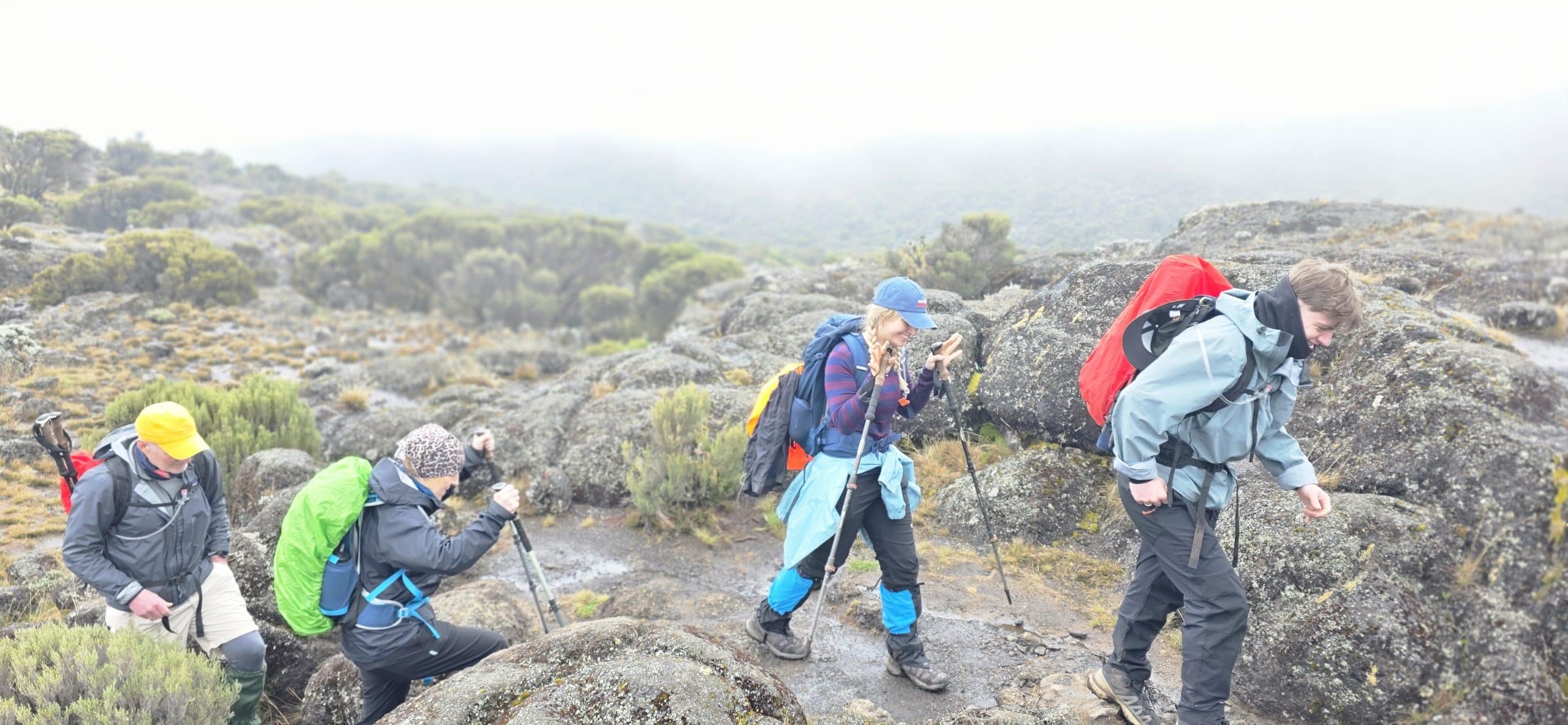
If you’re planning a trip to Mount Kilimanjaro, one of the first questions you’ll probably ask is: how long does it take to climb Kilimanjaro?
The short answer is that most Kilimanjaro treks take between five and nine days on the mountain, depending on the route and itinerary. But choosing an itinerary isn’t simply about finding the shortest number of days.
The number of trekking days can affect how your body adjusts to altitude, how much time you spend on the trail, and ultimately how you experience the journey.
Here’s what to know before choosing your Kilimanjaro itinerary.
How Many Days Does It Take to Climb Kilimanjaro?
There isn’t one standard Kilimanjaro climbing duration.
Different routes use different itineraries, and some routes offer multiple options. Shorter climbs may take around five or six days, while longer itineraries can take seven, eight, or more days.
For many first-time trekkers, a longer itinerary is worth considering because it provides more time for gradual acclimatization.
At Climb Kili, we generally recommend the 8-day Lemosho Route for first-time climbers because the longer itinerary allows additional time on the mountain.
The important question isn’t simply:
“How quickly can I reach the summit?”
It’s:
“How much time should I give myself to reach the summit comfortably and safely?”
Kilimanjaro Routes and Days
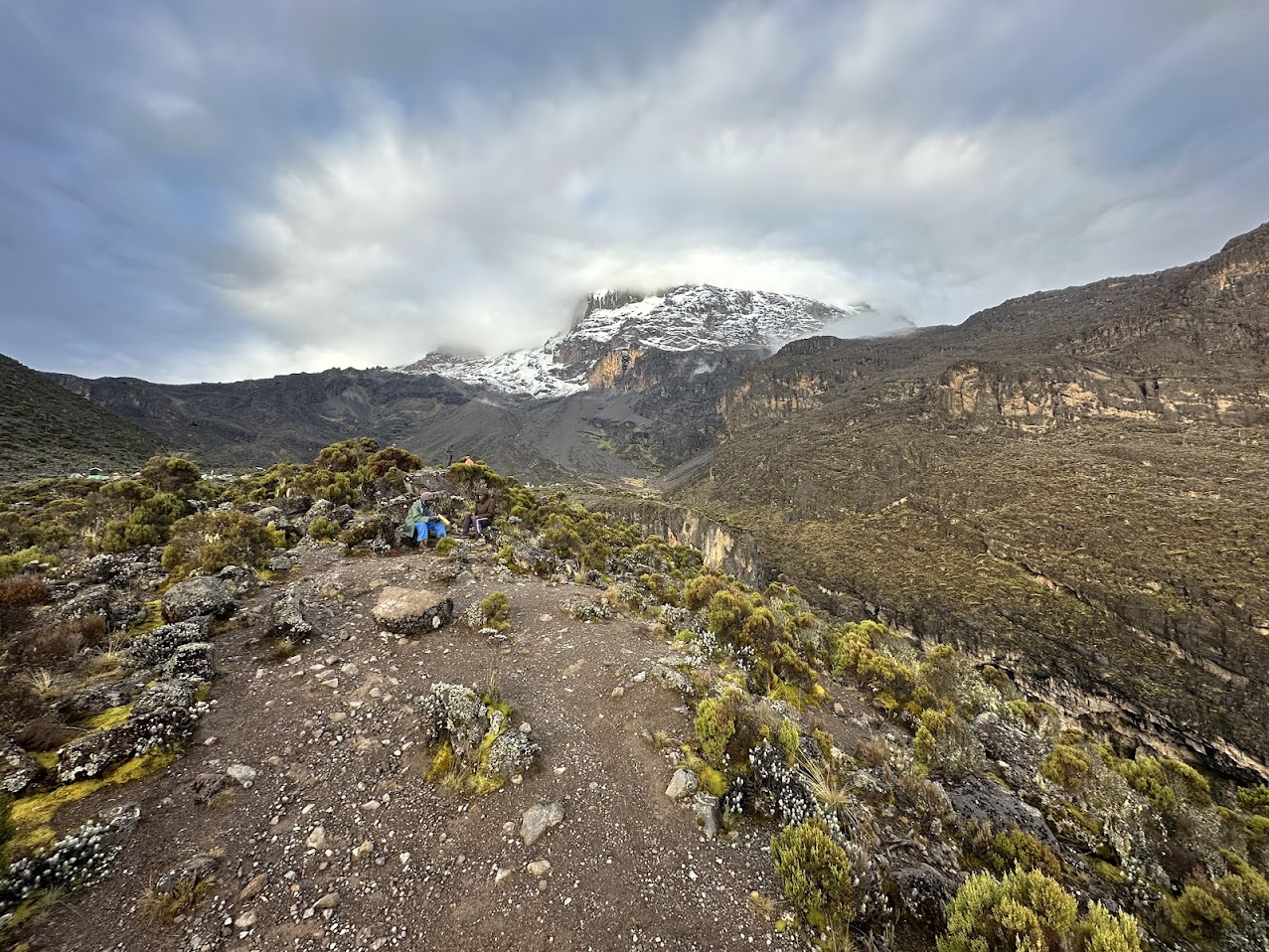
Your route is one of the biggest factors determining how long your climb will take.
Lemosho Route
The Lemosho Route is known for its scenic approach and gradual progression toward higher elevations.
An 8-day Lemosho itinerary gives trekkers more time to adjust to altitude while experiencing the changing landscapes of Kilimanjaro.
For a detailed breakdown, read our Ultimate Lemosho Route Guide.
Machame Route
Machame is another popular route and is commonly completed in a 7-day itinerary.
The route has steeper sections earlier in the trek, making it important for trekkers to be prepared for consecutive days of hiking.
For someone deciding between the two, the difference isn’t simply one day. The terrain, pacing, scenery, and acclimatization profile all matter.
Why More Days Can Make a Difference
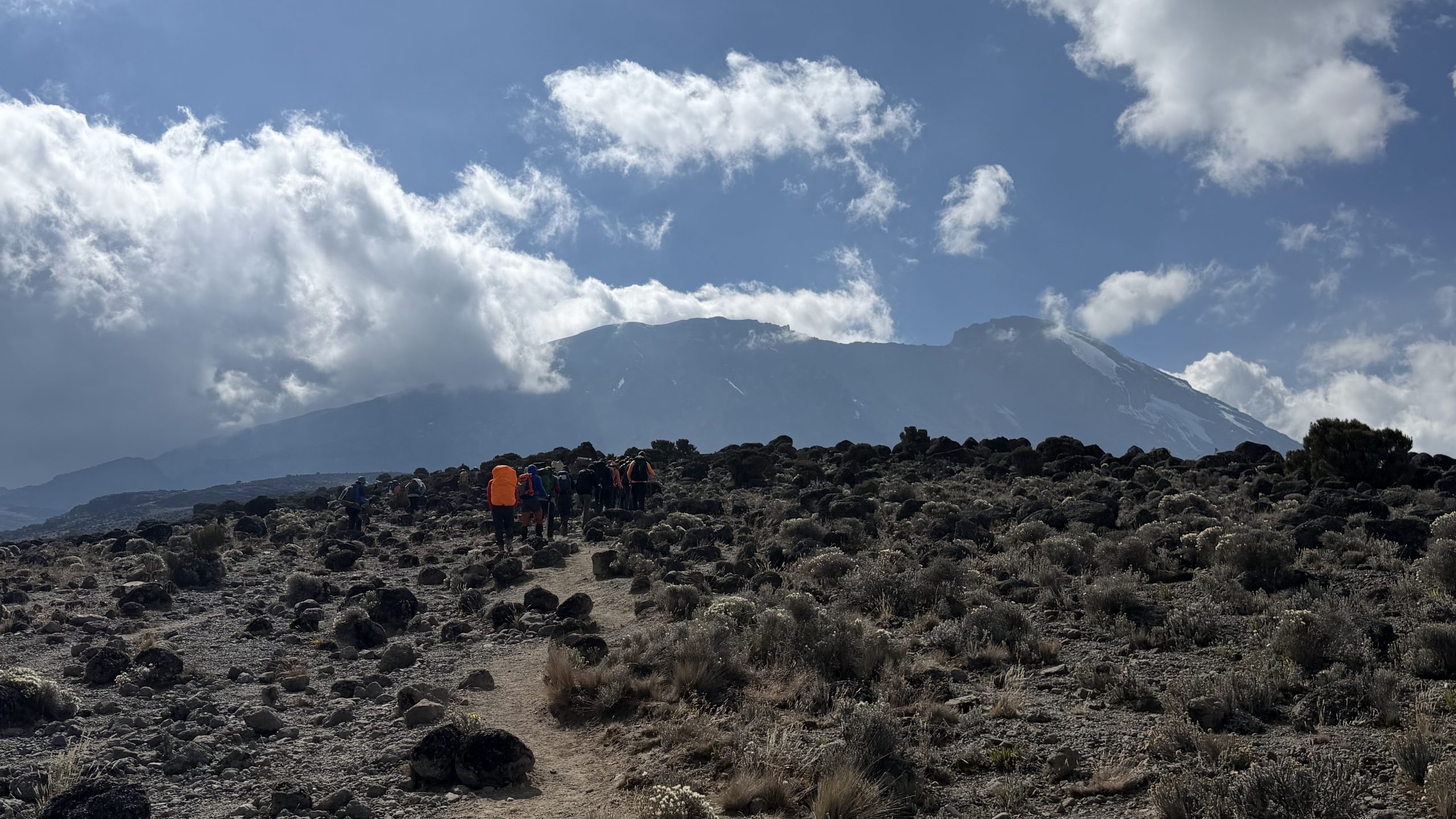
One of the biggest mistakes people make when planning Kilimanjaro is focusing only on the number of days.
At altitude, your body needs time to adapt.
You might be in excellent physical condition and still experience altitude-related symptoms. Fitness can help you handle the physical demands of trekking, but it does not guarantee that you’ll acclimatize quickly.
This is why Kilimanjaro acclimatization should be part of your itinerary decision.
A longer itinerary gives your body more time to adjust as you climb higher.
Our Kilimanjaro acclimatization guide explains why gradual ascent and pacing are so important.
How Long Is a Typical Day on Kilimanjaro?
Daily trekking times vary depending on the route, elevation, terrain, and day’s destination.
Some days are relatively short, while others involve several hours of hiking.
The summit day is completely different.
Summit Day Is the Longest Day
Summit night typically begins around midnight.
After an early meal, climbers begin the slow ascent toward the summit in darkness. The pace is deliberately steady — pole pole, or slowly, slowly.
The goal is to conserve energy while managing the effects of altitude.
After reaching Uhuru Peak, the highest point in Africa, the group begins descending.
This makes summit day physically demanding even for well-prepared trekkers.
Our Kilimanjaro summit night guide explains what happens during this part of the journey and why it is unlike an ordinary trekking day.
What Affects How Long Your Kilimanjaro Trek Takes?
Several factors can influence your itinerary and how long the overall experience feels.
1. Your Route
Different routes have different lengths, terrain, camps, and schedules.
Your route choice should therefore be based on more than the number of days.
2. Acclimatization
Altitude is one of the biggest considerations.
A longer itinerary can provide additional time for your body to adjust to elevation.
3. Your Fitness
You don’t need to be an elite athlete to climb Kilimanjaro, but you should be prepared for long days of walking over consecutive days.
If you’re wondering whether your current fitness level is enough, our guide on how fit you need to be to climb Kilimanjaro explains what matters most.
4. Weather and Trail Conditions
Mountain weather can change quickly.
Rain, cold, wind, mud, or challenging trail conditions can affect how quickly a group moves.
Good preparation means being ready for changing conditions rather than expecting every day to go exactly according to a schedule.
5. Group Pace
Kilimanjaro isn’t a race.
Groups generally move at a controlled pace, particularly as altitude increases. Your guides may adjust the pace depending on how the group is responding to the mountain.
For many climbers, moving slowly is one of the most important parts of the experience.
Is a Shorter Kilimanjaro Trek Better?
Not necessarily.
A shorter itinerary may appeal to travelers with limited vacation time, but fewer days can mean a faster progression toward higher elevations.
When comparing itineraries, don’t look only at the price or number of days.
Consider:
- How much time is provided for acclimatization?
- How demanding are the daily stages?
- How much elevation do you gain each day?
- What happens before summit night?
- Does the itinerary give you enough time to enjoy the mountain?
The cheapest or shortest itinerary isn’t automatically the best choice.
How Long Should You Spend on Kilimanjaro?
For first-time trekkers, we generally recommend considering a longer itinerary rather than trying to complete the mountain as quickly as possible.
An 8-day Lemosho itinerary is particularly appealing because it combines a scenic route with additional time for acclimatization.
Your ideal itinerary will depend on your schedule, experience, fitness, and personal priorities.
The mountain will still be there. Giving yourself enough time to experience it properly can make a significant difference.
Plan the Timeline Around the Mountain — Not the Other Way Around
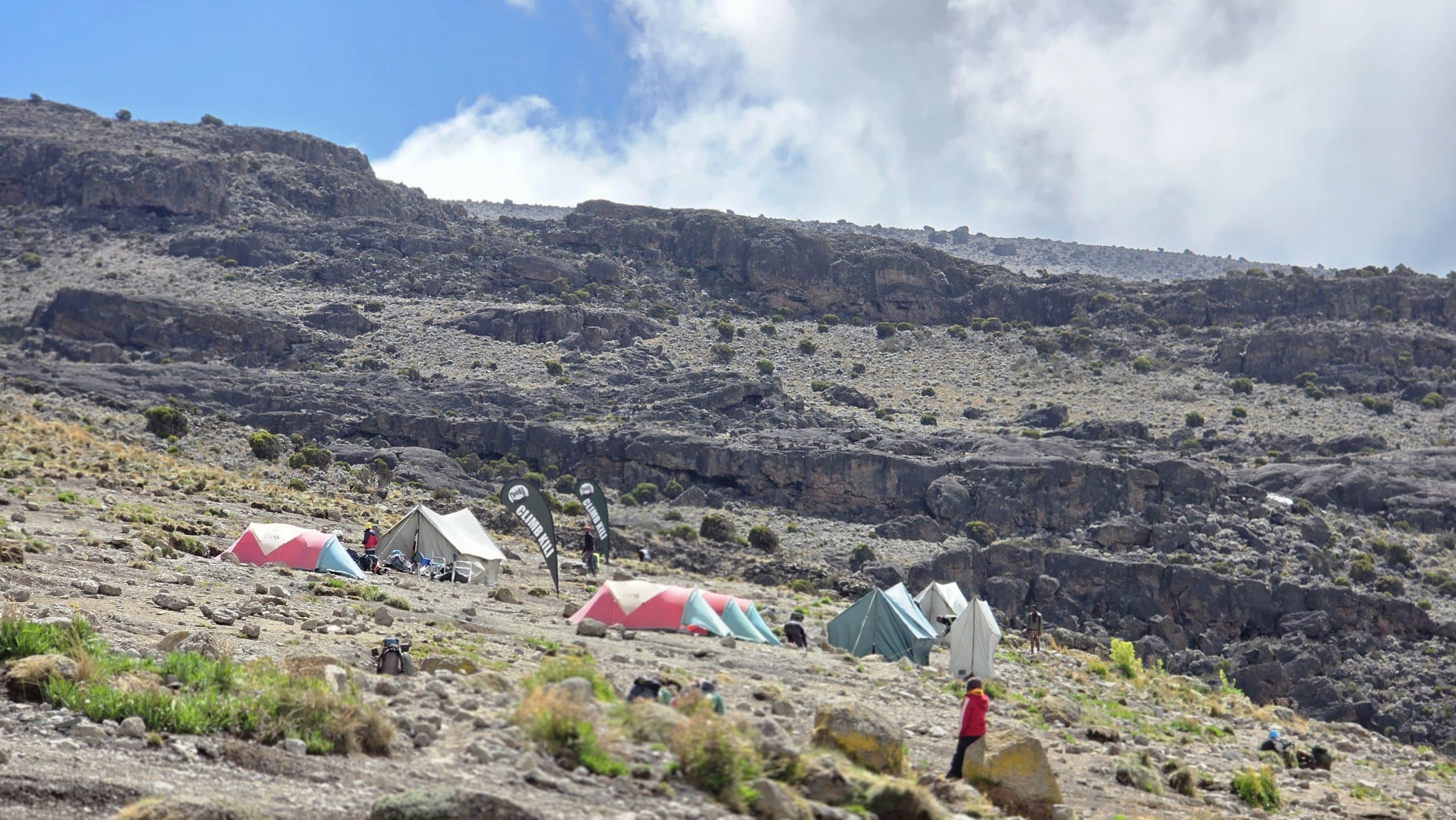
So, how long does it take to climb Kilimanjaro?
The answer depends on the route you choose and the itinerary you follow, but the bigger lesson is that Kilimanjaro shouldn’t be approached as a race against the calendar.
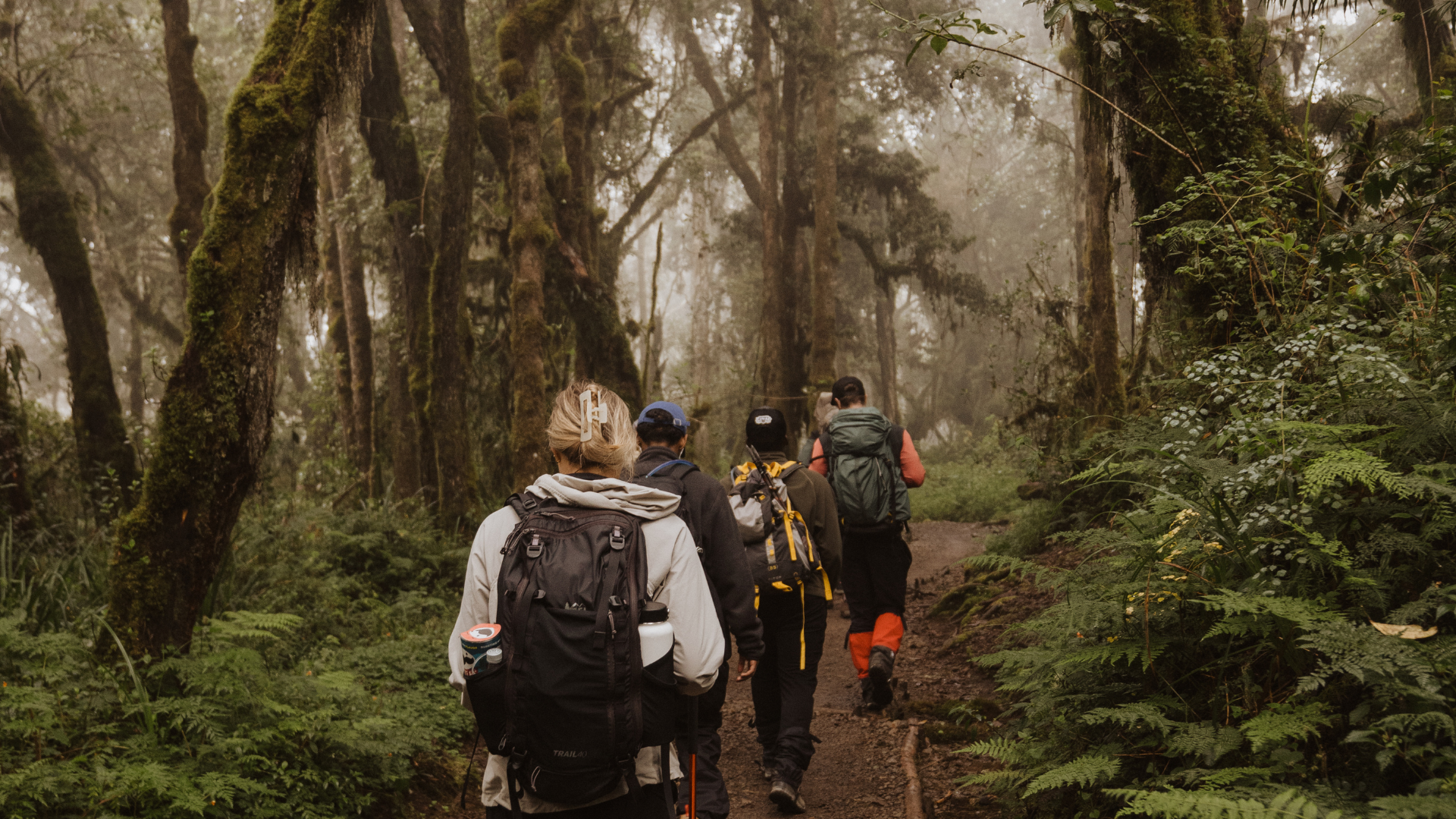
Give yourself enough time to walk at a steady pace, adjust to altitude, rest when necessary, and experience the changing landscapes from rainforest to alpine desert and finally the summit.
The climb begins long before summit night.
Choosing the right number of days is one of the most important decisions you’ll make — and sometimes, adding an extra day is far more valuable than trying to save one.