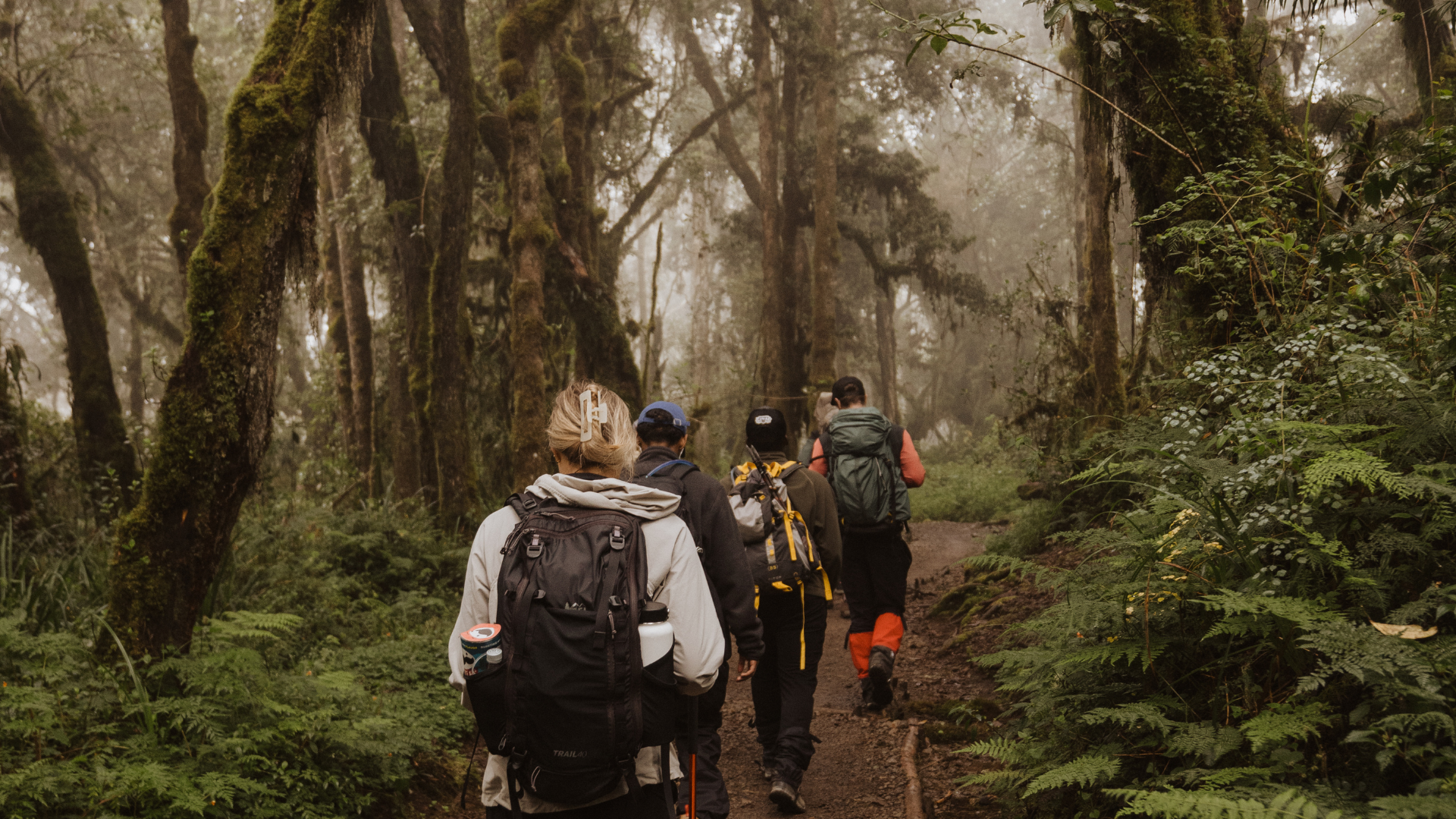
Planning on climbing Kilimanjaro in 2027? You don’t need to wait until the final few weeks to start preparing.
In fact, the best Kilimanjaro preparation happens gradually. Twelve months gives you enough time to choose your route, secure your preferred dates, build your fitness, organize your equipment, and arrive in Tanzania feeling prepared rather than rushed.
Here’s a practical month-by-month timeline for getting ready for the Roof of Africa.
12 Months Before: Choose Your Dates and Route
Start with the big decisions.
Think about when you want to climb Kilimanjaro, how many days you can spend in Tanzania, and which route best suits your goals.
If you’re considering Lemosho or Machame, compare the routes before committing. Our Kilimanjaro route guide can help you understand the differences in terrain, scenery, and itinerary.
This is also a good time to start thinking about whether you’d like to add a safari before or after your climb.
10–12 Months Before: Book Your Climb
Once you’ve settled on your approximate dates, it’s time to secure your trek.
Booking early doesn’t necessarily mean you have to book a full year ahead. But planning early gives you more flexibility with dates, routes, accommodations, flights, and group arrangements.
If you’re traveling during a popular period or with a larger private group, earlier planning can be especially useful.
8–9 Months Before: Start Building Your Fitness

You don’t need to become an elite athlete to climb Kilimanjaro.
You do, however, need to prepare for several consecutive days of hiking.
This is where consistency matters more than extreme workouts.
Begin building a regular cardio routine through activities such as walking, hiking, cycling, running, or swimming.
If you have access to hills or stairs, start using them regularly.
The goal isn’t simply to become “fit.” It’s to build the endurance you’ll need to spend hours on your feet day after day.
6–7 Months Before: Make Hiking Part of Your Routine
Now it’s time to make your training more specific.
Start incorporating longer hikes into your weekends and gradually increase distance and elevation gain.
Eventually, practice hiking with a loaded pack similar to what you’ll carry during training.
Don’t increase everything at once.
Gradually increase your distance, elevation, and pack weight so your body has time to adapt.
4–5 Months Before: Follow a Structured Training Plan
At this stage, your preparation should become more deliberate.
Our 12-week Kilimanjaro training plan focuses on the endurance, leg strength, core strength, and hiking preparation needed for the mountain.
This is also a good time to practice in the boots you’ll actually use on Kilimanjaro.
The last thing you want is to discover on the mountain that your boots cause blisters after several hours of walking.
3–4 Months Before: Start Testing Your Gear
Don’t leave your packing until the week before your flight.
Start assembling your equipment and test it during your training hikes.
Your footwear, layers, daypack, trekking poles, gloves, and other essentials should all be familiar before departure.
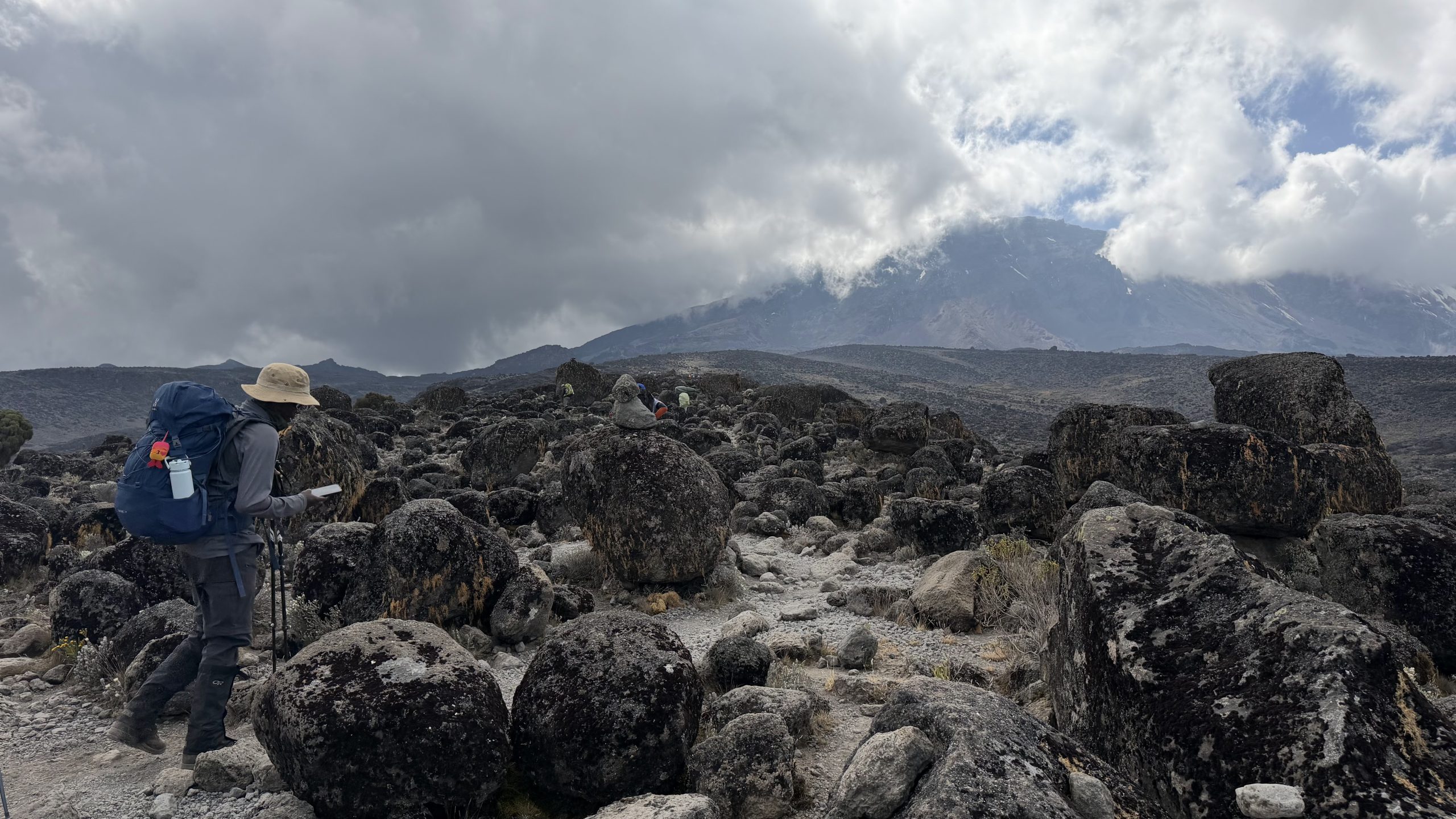
Pay particular attention to your sleeping system and cold-weather clothing because Kilimanjaro takes you through dramatically different environments.
Our Kilimanjaro packing guide covers the equipment you’ll need from the rainforest to the freezing summit environment.
This is also the time to identify anything you need to rent or replace.
2–3 Months Before: Review Your Travel Details
With the physical preparation underway, turn your attention to logistics.
Review:
- Passport validity
- Flights
- Airport transfers
- Hotel arrangements
- Travel insurance
- Visa requirements
- Additional nights in Tanzania
- Safari plans, if applicable
Getting these details organized early removes a lot of unnecessary stress later.
6–8 Weeks Before: Your Training Gets More Mountain-Specific
This is when your longer hikes become particularly valuable.
Aim to spend more time walking continuously and, where possible, practice on terrain with elevation gain.
You don’t need to recreate Kilimanjaro perfectly.
You need to teach your body what it feels like to hike for hours, recover, and do it again.
Strength training should continue as well, particularly exercises that develop your legs, hips, and core.
4–6 Weeks Before: Think About Altitude
Training prepares your body for the physical work.
It does not fully prepare you for altitude.
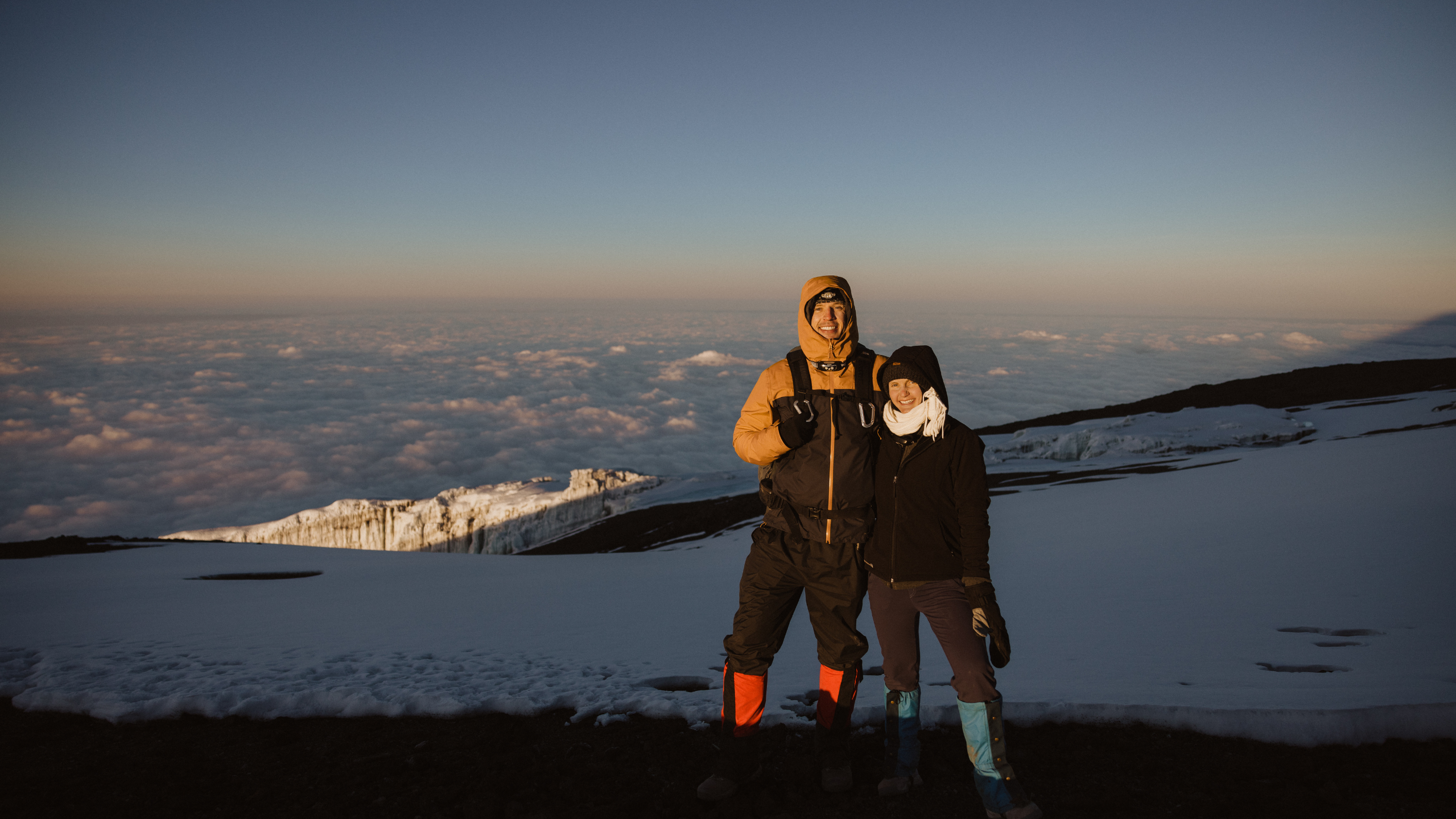
Kilimanjaro reaches 19,340 feet (5,895 meters), and every climber responds differently to elevation.
That’s why your itinerary and acclimatization strategy matter.
Our Kilimanjaro acclimatization guide explains why gradual altitude gain, pacing, hydration, and listening to your body are such important parts of the climb.
Remember: being extremely fit does not make you immune to altitude.
2 Weeks Before: Taper
Your final two weeks aren’t the time to prove how hard you can train.
Reduce the intensity of your workouts while maintaining light activity.
Your goal now is to arrive at the mountain rested rather than exhausted.
1 Week Before: Final Checks
You’re almost there.
Use the final week to confirm:
- Travel documents
- Passport
- Flights
- Airport transfers
- Hotel
- Trekking equipment
- Medications and personal essentials
- Insurance information
- Gear rental arrangements
Avoid making major changes to your equipment at the last minute.
Your focus should be on organization, rest, hydration, and getting ready for Tanzania.
Climbing Kilimanjaro in 2027: Your Preparation at a Glance
Here’s the simple version:
12 months: Choose dates, route, and overall trip.
10–12 months: Book your climb and major travel arrangements.
8–9 months: Build your aerobic fitness.
6–7 months: Add longer hikes and elevation.
4–5 months: Follow a structured training program.
3–4 months: Test and organize your gear.
2–3 months: Finalize travel logistics.
6–8 weeks: Focus on mountain-specific endurance.
4–6 weeks: Review altitude and acclimatization preparation.
2 weeks: Taper and recover.
Final week: Pack, rest, and prepare to climb.
Start Early, But Don’t Overcomplicate It
Preparing for Kilimanjaro in 2027 doesn’t need to consume an entire year of your life.
The advantage of starting early is simply that you can spread everything out.
Instead of trying to build fitness, buy equipment, book flights, organize documents, and make route decisions all at once, you can handle each step when it makes sense.
And when you finally arrive in Tanzania, you’ll have something more valuable than a perfectly packed bag.
You’ll have confidence that you’ve done the work.
Kilimanjaro still demands patience, effort, and respect for altitude. But good preparation means you can spend less time worrying about what you forgot and more time experiencing the mountain itself.
Your climb may be in 2027. Your preparation can start today.