1. Passport Copy
Upload a clear image or scan of your passport using our secure form.
A phone picture is perfectly fine—just make sure all details are clear and legible.
Speak with our Summit Experts 24/7
1. Passport Copy
Upload a clear image or scan of your passport using our secure form.
A phone picture is perfectly fine—just make sure all details are clear and legible.
Note: 🔒 Passport must be valid for at least 6 months beyond your return dat
2.Flight Details
✈️ Helpful tools for booking: Google Flights, Kayak, Vayama
Travel insurance is an essential part of preparing for your Kilimanjaro adventure. While Climb Kili does not endorse or sell specific policies, we encourage all climbers to explore coverage through trusted providers for peace of mind on the mountain.
Many of our climbers choose to consider:
AIG Travel Guard (US clients)– travelguard.com
Global Rescue – globalrescue.com
We recommend visiting these websites directly to find the coverage that best suits your needs.
When reviewing plans for a Kilimanjaro climb, look for policies that may include:
Trip cancellation or interruption coverage
Emergency medical treatment and evacuation (essential for high‑altitude travel)
Coverage for adventure activities like trekking or mountaineering
24/7 emergency assistance anywhere in the world
Cancel For Any Reason (CFAR) coverage for maximum flexibility
It’s important to understand that helicopter rescue is reserved only for rare, life‑threatening emergencies during high‑altitude climbs.
Helicopter evacuations are typically used for severe altitude sickness, major fractures, cardiac incidents, asthma attacks, or other critical medical emergencies—not for routine fatigue or minor symptoms.
Evacuations can cost around USD 5,000, which most travelers pay upfront and then claim through insurance.
Global Rescue members are an exception—they do not pay upfront and their coverage handles the logistics directly.
Standard insurance plans often require a guarantee letter before a helicopter can launch.
Weather and daylight matter—helicopters only fly in safe conditions, and poor visibility or nightfall can delay rescues.
Review all policy details carefully before purchasing.
Select coverage that matches your destination, activity level, and personal comfort.
If you’re unsure about what’s typically covered or how past climbers have prepared, please reach out directly to your chosen travel insurance provider for the most accurate and up-to-date information about coverage and policy options.
Climbing Mt. Kilimanjaro is a dream come true for many—a once-in-a-lifetime adventure that deserves the utmost preparation. Our training program is designed to equip you both physically and mentally for your journey to the rooftop of Africa. As you build your stamina and fitness, you’ll also cultivate the mental resilience needed to conquer the mountain. This dual focus will enhance your enjoyment on the trek and amplify your sense of accomplishment when you reach the summit.
It’s essential to remember that while Kilimanjaro is accessible to many, it’s not merely a casual hike. This fitness program is tailored to maximize your training efforts, ensuring you’re well-prepared to tackle the challenges that lie ahead.
Depending on your chosen route, you will begin your adventure at elevations ranging from 5,000 to 8,000 feet (1,520 to 2,430 meters). To optimize your training, be sure to exercise within the appropriate Heart Zones. This will help you understand your limits and improve your performance. Calculate your Target Heart Rate using any online calculator, and get ready to embark on an unforgettable journey!
To prepare for your Kilimanjaro adventure, maintain your training intensity between 65% and 85% of your maximum heart rate. Pay attention to how your body feels, as perceived exertion can be a better indicator of your performance.
Each climber’s energy levels vary. For example, a 39-year-old may have a maximum heart rate of 181 beats per minute, with an ideal training range of 118 to 154 beats per minute.
Start your fitness training well in advance of your climb, gradually increasing both intensity and duration. Focus on establishing a routine that includes cardiovascular and strength training while being mindful to prevent injuries. Incorporate a variety of exercises and training locations to keep your workouts engaging and effective.
Consult with your Physician
Before your Kilimanjaro trek, prioritize your health by visiting your physician. Discuss your trekking itinerary and how it may impact your fitness level. Ensure you talk about necessary medications, including malaria prophylaxis, anti-diarrheal medications, and Diamox for altitude acclimatization. Also, review your vaccination status and any recommended immunizations for travel to Tanzania. A thorough examination of your health and any limitations will help ensure you’re ready for this incredible adventure.
Living near Sea Level?
Most climbers who successfully summit Kilimanjaro live near sea level, so you can be confident in your ability to succeed without altitude experience. Focus your preparation on increasing your VO2 max, which enhances your oxygen capacity.
While it’s important not to overdo it, strengthening your lungs, core, and legs will significantly benefit your climb. If mountain hikes aren’t accessible, incorporate brisk walks on uneven terrain, such as dirt paths, sand, or rolling hills, to simulate the varied conditions you’ll encounter on Kilimanjaro.
Training Goals and Logs:
Set clear goals at the start of your training program by considering the length, difficulty, and specific challenges of your Kilimanjaro route. Assess your current fitness level, strengths, and weaknesses, and factor in the time remaining until your climb.
Break down your training needs to elevate your fitness to the required level. Use your Climb Kili Journal to maintain a fitness log—what gets measured gets improved. Tracking your progress will help identify obstacles, break through plateaus, and keep you motivated for the journey ahead.
If possible, consider working with a fitness trainer who understands Kilimanjaro-specific training, including endurance, balance, and uphill/downhill conditioning.
Warming up and cooling down
Prior to each workout, it’s crucial to warm up properly. Include a 5-10 minute aerobic warm-up and a 5-10 minute cool-down in your routine. This practice should also be applied before and after each day’s trek on Kilimanjaro to keep your joints and muscles limber.
During your warm-up, keep your heart rate in the aerobic range—avoid anaerobic exertion. Effective warm-up activities can include walking, jogging in place, using step mills or treadmills, cycling, jumping rope, or doing jumping jacks.
Stretching
Make time for quality stretching in your training program, emphasizing slow, static stretches. Avoid any bouncing or ballistic movements. Hold each stretch for 30 to 60 seconds, breathing steadily and stopping at the point of tension—not pain. Pushing through pain can damage muscle fibers, so listen to your body. With patience, you’ll experience the joy of improved movement and flexibility from proper stretching.
Use aerobic exercises to develop cardiovascular fitness.
A variety of aerobic exercises are excellent for training for Kilimanjaro, including climbing and descending hills, stairs, or stadium bleachers, as well as skiing, snowboarding, running, and cycling.
Additional aerobic activities that can be beneficial, though less targeted for our specific needs, include aerobics classes, stationary cycling, circuit weight training, boxing, martial arts, and swimming.
For this expedition, focus on aerobic activities that enhance your cardiovascular fitness, strength, and endurance specifically for your Kilimanjaro trek. Selecting exercises that align with the climb’s demands will greatly improve your preparation.
In addition to building your cardiovascular capacity, it’s essential to train for the descent. Being physically ready for unexpected weather changes, such as storms that require a quick descent, is crucial for your safety.
A targeted strengthening program for your legs, especially the quadriceps and knees, will significantly benefit your performance on the mountain. Strong legs help you navigate Kilimanjaro’s varied terrain, reducing fatigue and the risk of injury.
By prioritizing these areas in your training, you’ll be better equipped to tackle the challenges of the climb and fully enjoy the incredible journey to the summit.
Training Recommendations for Aerobic Exercise:
Interval Training
Integrate interval training to enhance your cardiovascular fitness and prepare for climbing comfortably at various paces. This method alternates intense bursts of activity with periods of sustained effort, allowing you to maintain an elevated heart rate throughout your workout.
Although interval training can be challenging, it is an effective way to build endurance. For optimal results, aim to commit to at least three months of training prior to your trek. By adding this technique to your routine, you’ll significantly boost your endurance and overall performance on Kilimanjaro.
Strength and Power Training
In addition to developing a strong lower body, it’s crucial to cultivate upper body strength, particularly for trekking. A robust back and core are especially important for maintaining stability and balance during your climb. The training principles for both upper and lower bodies are fundamentally the same.
Strength and power training can include bodyweight exercises and routines that utilize weights. When working with weights, we recommend limiting your workouts to 2-3 sets of 10-15 repetitions using medium to lighter weights—lighter than those typically used for intense muscle growth.
Your first 10 repetitions should feel manageable, while the last five should be challenging. Remember to rest for 45 to 60 seconds between sets to ensure proper recovery.

Body weight strength exercises include:
Weight training exercises include:
Go Hiking
Nutrition
Summit day will be the ultimate test of your week-long trek. It’s not uncommon to experience mild nausea or headaches due to the effects of thin air. Approaching this day with a positive mindset and an understanding of these potential symptoms can strengthen your resolve if they arise.
Your pace will be slow and methodical, with our Climb Kili guides accompanying you every step of the way to ensure your safety. Surrounding yourself with positive imagery, inspiring poems or songs, and uplifting stories can help bolster your spirits if you feel the urge to turn back.
Remember, in any significant physical achievement, a strong and determined mindset is just as crucial—if not more so—than physical conditioning. As the old Kilimanjaro saying goes, “Your attitude determines your altitude.”
Start your training—download the Climb Kili Fitness Guide
Climbing Mount Kilimanjaro is a physically demanding high-altitude adventure, and your health and safety are our top priorities. Below is what you need to know to prepare medically for the climb.
💉 Vaccination & Travel Health Recommendations
There are currently no mandatory vaccinations for non-African travelers entering Tanzania. However, we strongly recommend you consult your local travel clinic or physician for up-to-date advice based on your location and medical history.
We recommend that you are up to date with the following vaccines:
For the latest health advisories, visit the CDC’s Tanzania Travel Health page.
Health & Fitness for Trekking
Climbing Kilimanjaro requires physical stamina, cardiovascular health, and endurance.
We recommend that every climber consult with their doctor before the trip to assess personal fitness and any medical conditions that may affect their ability to safely complete the trek.
If you have any pre-existing medical conditions, it’s essential to notify us in advance so we can better support your needs.
Common conditions to disclose include:
About Diamox (Acetazolamide) for Altitude Sickness
Most climbers have not previously experienced high-altitude environments, and it’s difficult to predict how your body will react.
One commonly prescribed medication for preventing altitude sickness is Diamox (generic name: Acetazolamide). It works by:
Diamox is a carbonic anhydrase inhibitor, which causes the kidneys to excrete bicarbonate, acidifying the blood and stimulating breathing—this in turn increases oxygen levels in the bloodstream.
⚠️ Important: You should consult your physician before taking Diamox to ensure it is appropriate for you and does not conflict with any medications or conditions. Whether or not to take Diamox is a personal decision made between you and your doctor.

Know Your Body, Plan Ahead
Your safety on the mountain starts with proper medical preparation. Be honest about your health, train as recommended, and communicate with both your physician and the Climb Kili team.
Questions? Email us at tiffany.watson@climbkili.com—we’re here to help every step of the way.
All travelers are required to obtain a Tanzanian travel visa for entry. This visa can be secured either upon arrival at the airport or in advance online.
We highly recommend applying for your Tanzanian visa online before arrival through the Tanzania Immigration website. This ensures a smoother entry process and helps you avoid potential delays at the airport.
👉 Apply here: www.immigration.go.tz
When completing your application, please use the following host details:
Host Company: Climb Kili
Full Name: Climb Kili
Email: tiffany.watson@climbkili.com
Mobile No.: +255 622 680 305
Relationship: Tour Operator
Address: Summit Lodge, Nairobi Road at Sakina Raskazone, Arusha, Tanzania
$100 USD – U.S. passport holders
$50 USD – Most other nationalities
While a visa can still be obtained upon arrival in Tanzania, please note that queues and processing times may vary. We strongly encourage applying online in advance whenever possible.
📌 Pro Tip: Ensure your passport is valid for at least 6 months beyond your return date.
Approximately 60 days before your arrival, we’ll process your remaining balance and send a detailed invoice. This gives you time to review everything, make any necessary adjustments, and finalize payment arrangements with ease.
Around 30 days before your departure, you’ll receive your finalized itinerary, including:
This will ensure you’re fully prepared and informed for every step of your journey.
Curious about what’s going on with recent climbs and wildlife adventures?
Stay inspired and informed with stories, updates, and photos straight from Kilimanjaro and the Serengeti.
Website: www.climbkili.com
Email: info@climbkili.com
Phone Number: +255 767 282 042
Emergency Phone Number: +255 767 282 042
Website: www.summitlodgetz.com
Email: info@summitlodgetz.com
Phone Number: +255 27 254 1234
Location: Arusha, Tanzania
Join our online community and follow the journey:
We post regularly from the trail, the summit, and the savannah—don’t miss it!
Plan, Prepare, and Experience the Magic of Mount Kilimanjaro
🗺️ Where is Kilimanjaro?
Mount Kilimanjaro stands proudly in northern Tanzania, near the Kenyan border. As the highest peak in Africa at 5,895 m (19,341 ft), Kilimanjaro is one of the world’s most iconic and achievable high-altitude treks.
👉 Read More
🧭 Planning Your Climb
Choosing the right route is key to a successful trek. The Lemosho and Machame routes are two of the most scenic and popular options, offering high success rates and a variety of terrain.
👉 Read More
Wondering if you can climb Kilimanjaro with asthma? You can—and many do—with the right preparation and support.
👉 Read More
🍽️ Food & Hydration on the Mountain
We take great pride in our meals. Whether you’re vegetarian, vegan, halal, gluten‑free, or have other dietary needs, we’ll take care of you.
👉 Read More
Snacks are essential for maintaining energy on the trail. Get ideas for the best high‑calorie, altitude‑friendly foods to bring.
👉 Read More
All water is treated and purified daily to ensure it’s safe to drink.
👉 Read More
🚽 Comfort & Safety on the Trail
Yes, there are toilets on Kilimanjaro! You’ll find both public and private options for your comfort.
👉 Read More
Your safety is our top priority. From daily health checks to experienced guides, oxygen support, and a 98 %+ summit success rate—you’re in good hands.
👉 Read More
🧗 What to Expect During the Climb
Climbing Kilimanjaro is physically and mentally demanding—but absolutely achievable. Here’s what to expect and how to prepare.
👉 Read More
Summit night is the most challenging and unforgettable part of the trek. Learn what it’s really like.
👉 Read More
🦒 Nature, Wildlife & Scenery
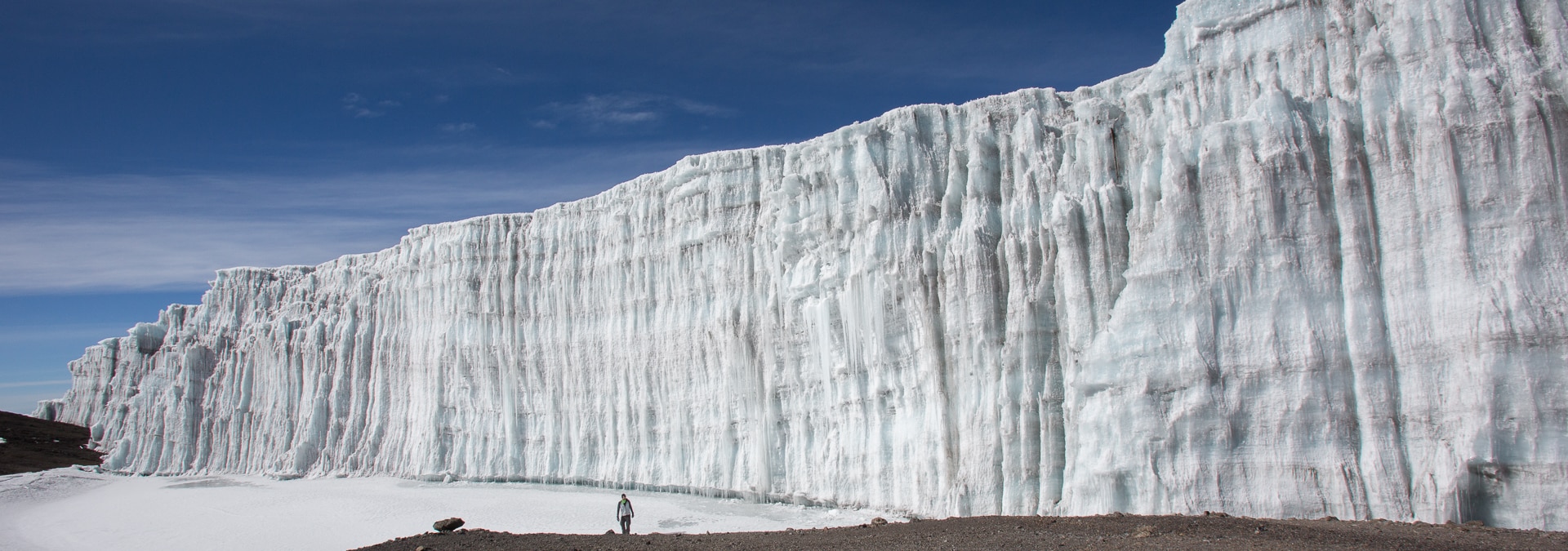
From rainforest monkeys and alpine deserts to glaciers, Kilimanjaro is a journey through multiple ecosystems.
👉 Read More
📚 Want More?
We’ve got even more guides, gear tips, and climber spotlights to explore.
👉 Browse All Posts
Some items are marked Nicks Pick—examples of the quality we recommend, though exact models aren’t required. All gear on the Climb Kili list is mandatory and will be reviewed by your guide at gear check. Based on conditions, your guide may suggest leaving some items behind for your safety and summit success.
There’s no perfect list for Kilimanjaro—the mountain is dynamic. Bring all required gear, and we’ll fine-tune together at the start of your climb.
Karibu! We can’t wait to see you on the mountain.
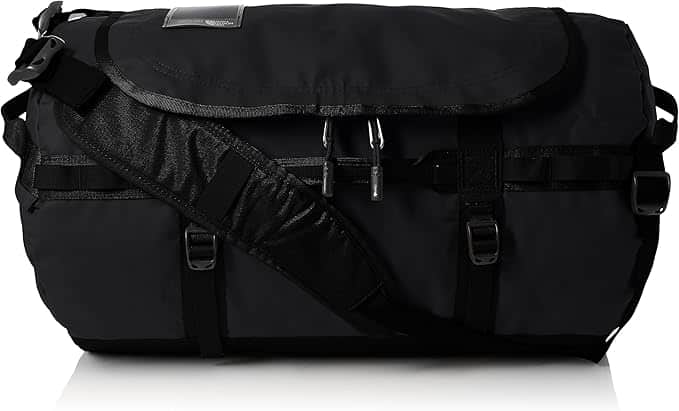
Bring one durable duffel bag (90+ liters) made from rugged materials with heavy-duty zippers. This will serve as your trek duffel, carrying all of your overnight and on-mountain gear, and will be transported by our mountain team between camps. In addition, bring one suitcase to leave at the hotel for extra clothing, travel items, or anything not needed during the climb.
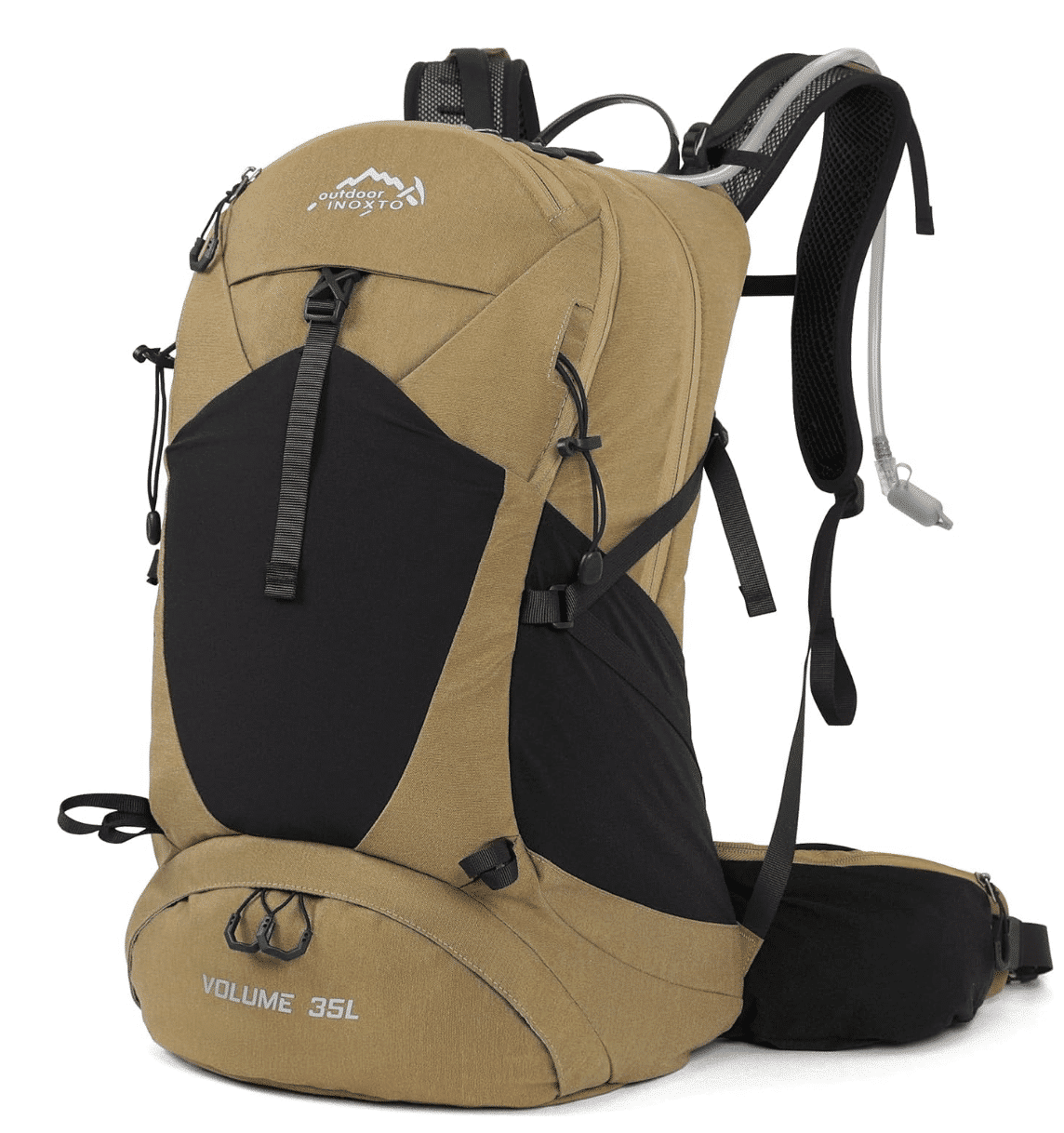
This is the backpack you’ll carry while trekking each day. It should be large enough to hold your personal trail essentials—such as a warm jacket, rain shell, water, snacks, camera, and other small items. It will not need to carry your sleeping bag or extra clothing, as those are transported by our mountain staff. Ideally, this pack can also double as your carry-on during travel or be used while sightseeing.
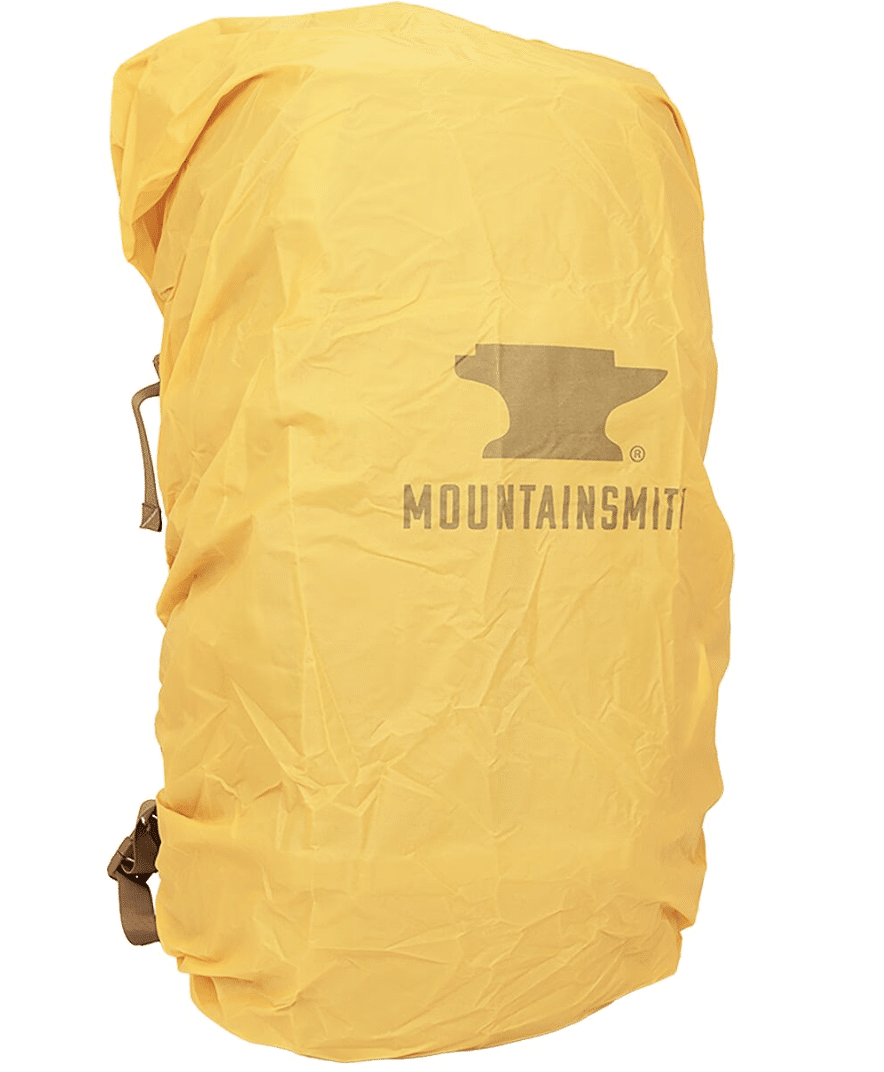
A waterproof cover that protects your daypack from rain and moisture while on the trail. Essential for keeping your gear dry in unpredictable mountain weather.
Bring only what you need, and ensure all items are TSA-compliant for air travel. Travel-sized containers are recommended.
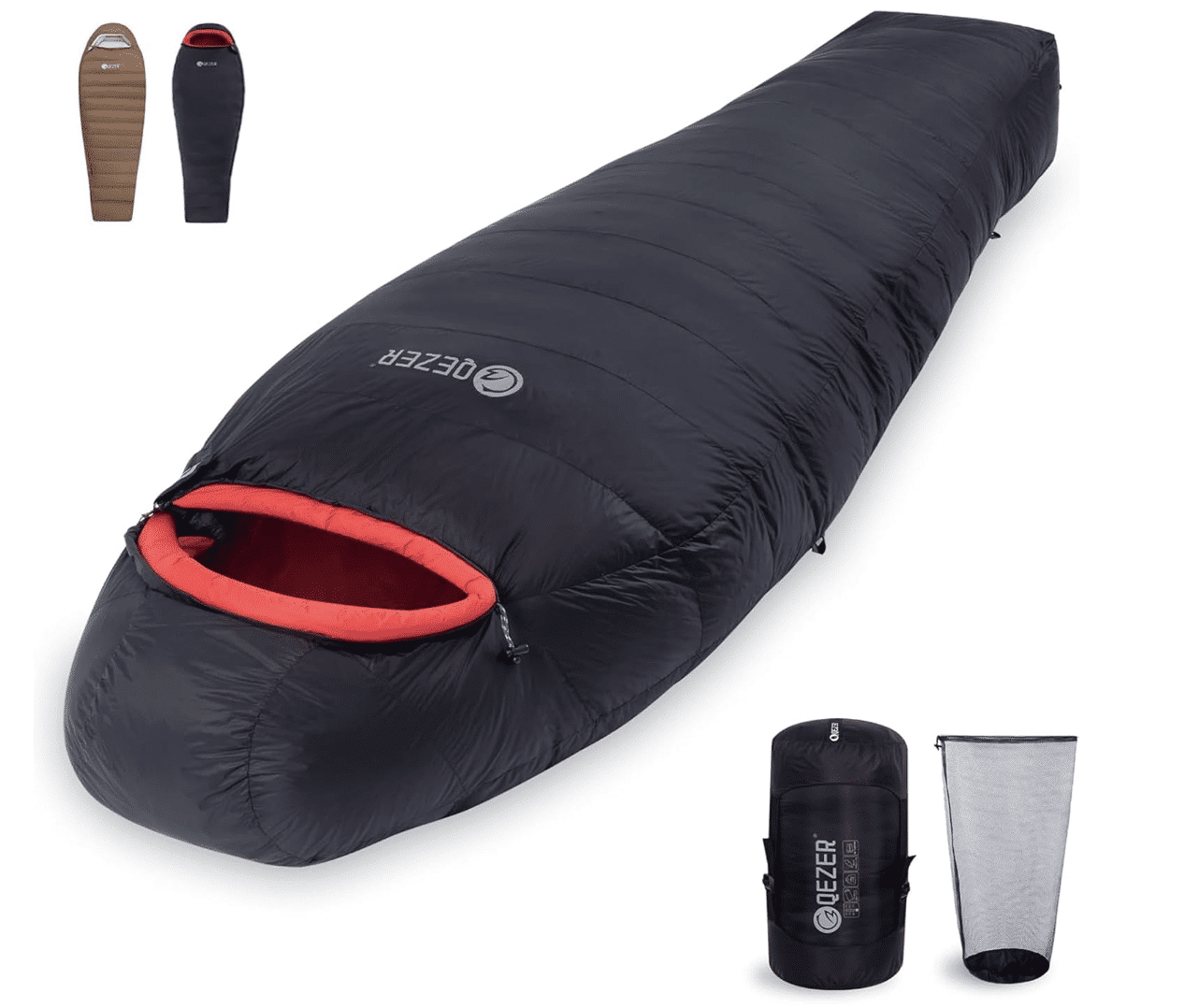
We recommend a bag rated 0°F with enough room to move comfortably. Down insulation is preferred for its superior warmth-to-weight ratio and packability, though high-quality synthetics are acceptable. If you tend to sleep cold, opt for a 0°F bag to ensure comfort on chilly nights.
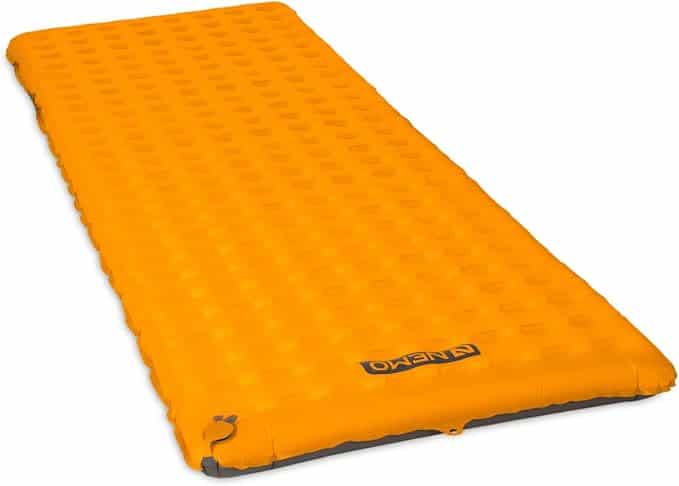
A lightweight, compact sleeping pad provides crucial insulation and comfort on the mountain. Choose a high-quality inflatable model that offers sufficient cushioning and packs down small. This will add warmth beneath your sleeping bag and improve sleep quality throughout the trek.
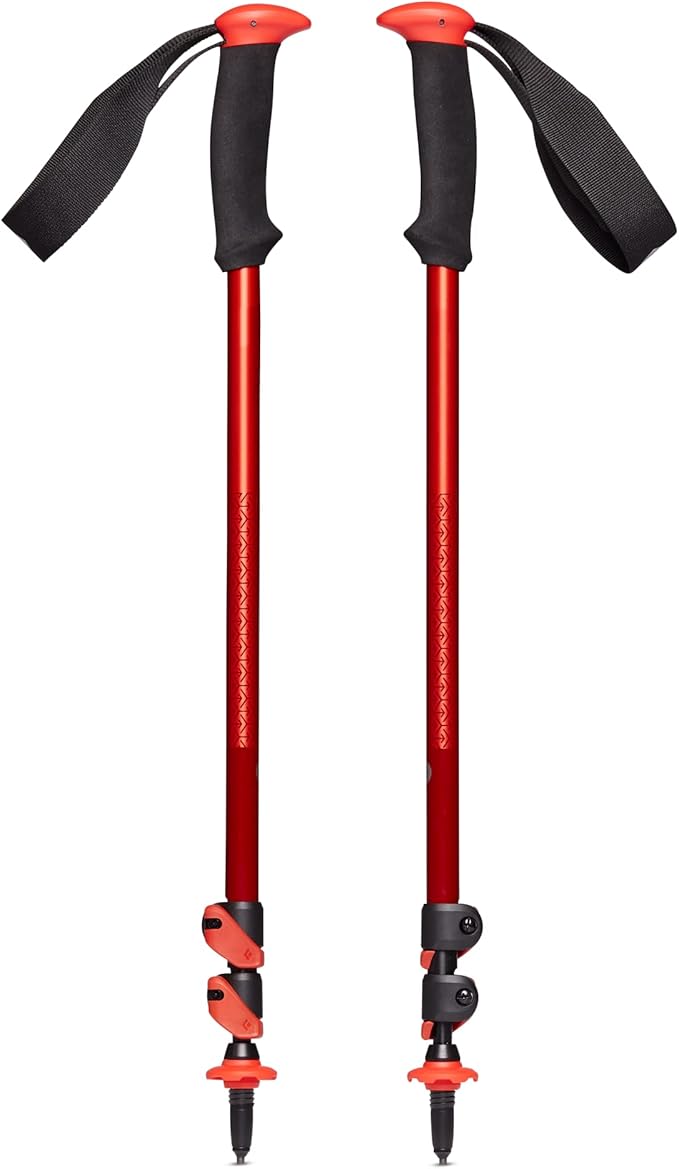
Adjustable trekking poles provide balance, reduce strain on your knees, and improve stability on uneven terrain—especially during descents. Look for lightweight, collapsible models with comfortable grips and durable locking mechanisms. Poles with shock absorption are optional but can add extra comfort on long days.
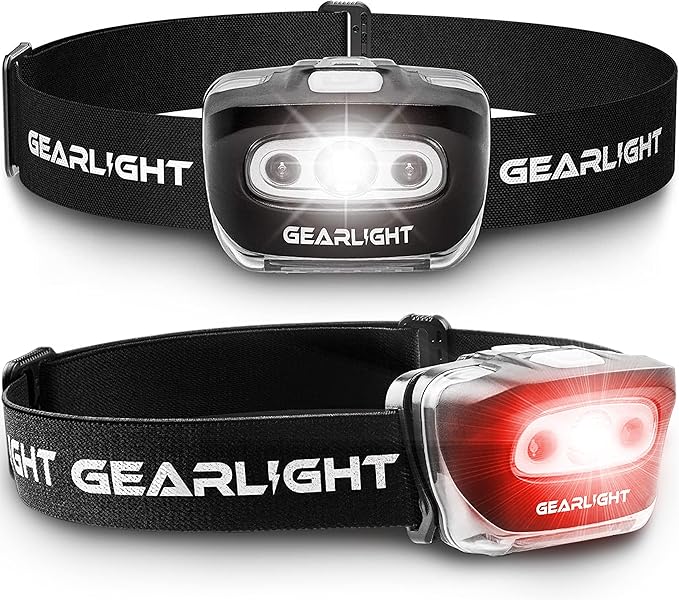
A reliable LED headlamp with fresh batteries (and extras) is essential for early morning starts, summit day, and use around camp after dark. Choose a model with adjustable brightness and a red light mode to preserve night vision. Make sure it’s lightweight, weather-resistant, and comfortable to wear over a hat or hood.
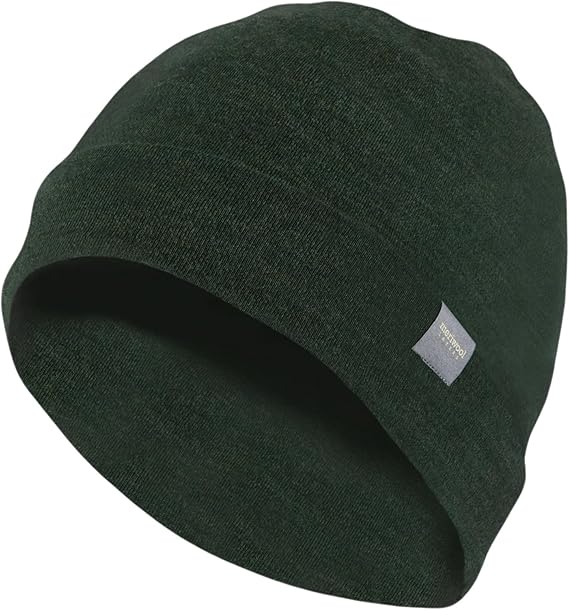
A fleece or wool hat that covers your ears and provides insulation in cold temperatures. This is essential for early morning starts, chilly evenings, and summit day. Choose a hat that fits comfortably under a hood or helmet, and retains warmth even when damp.
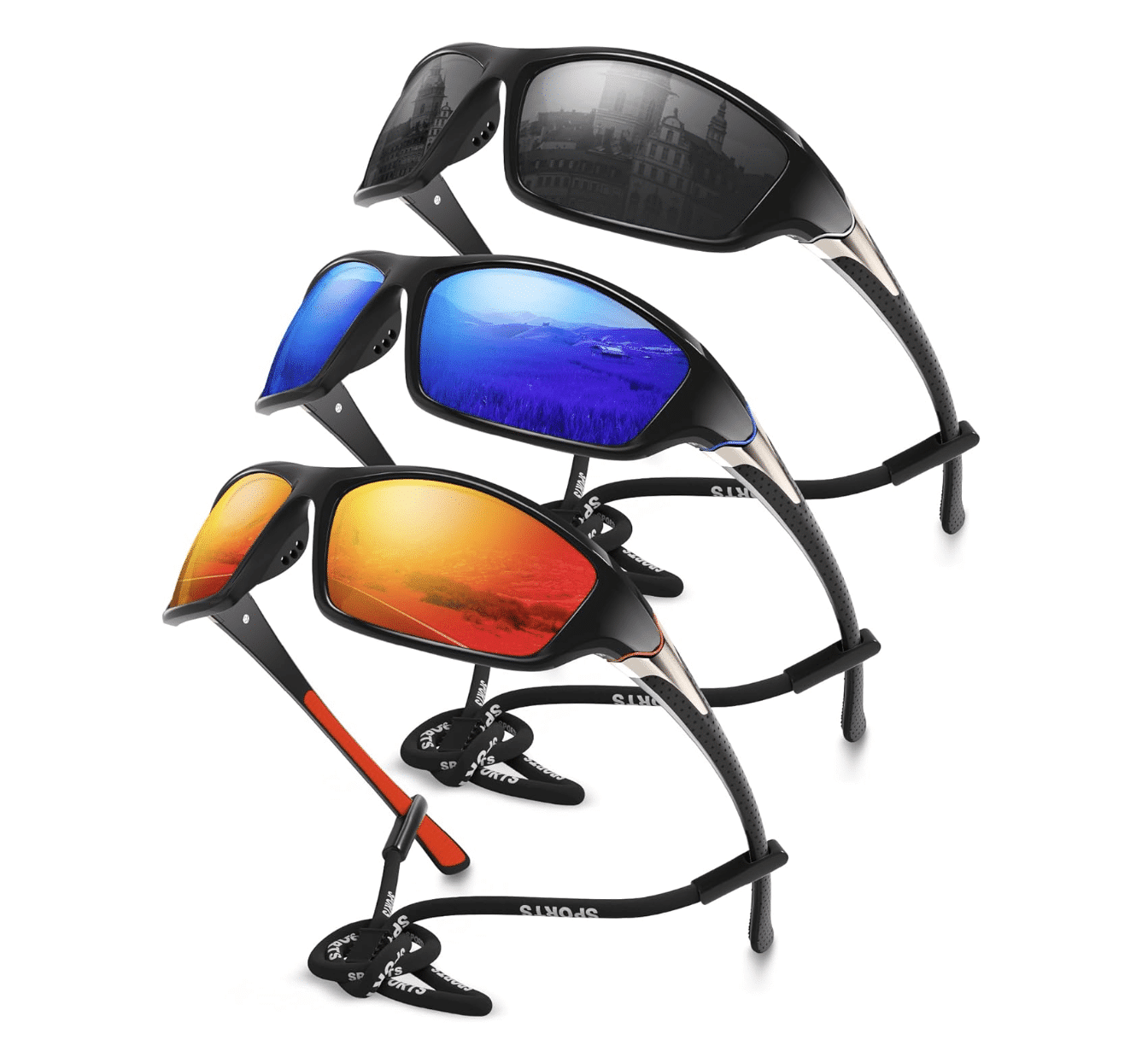
High-quality sunglasses with 100% UV protection and side shields to block intense sunlight and glare at high altitude.
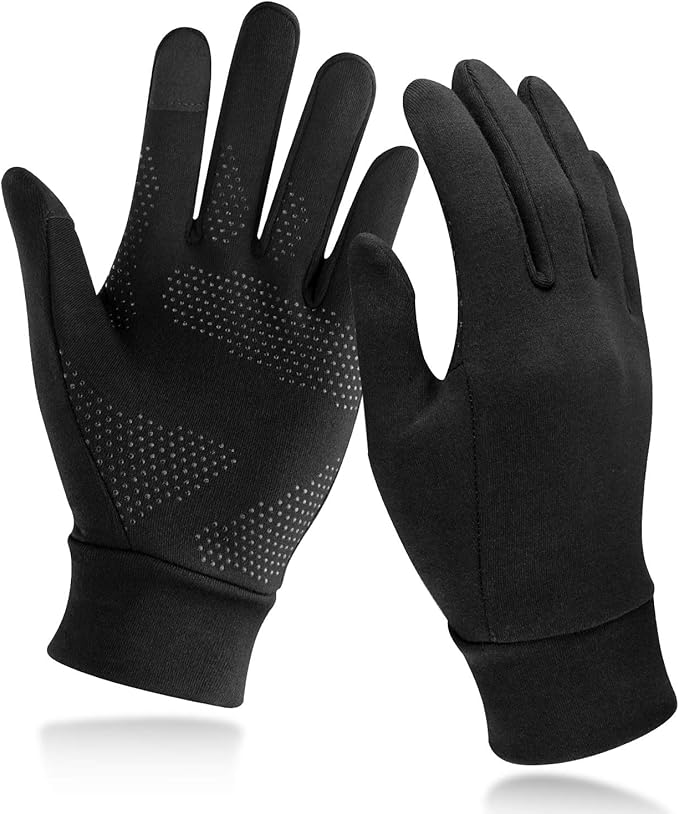
Thin, synthetic or wool gloves that provide basic warmth and protection during mild conditions or while layering under heavier gloves. Ideal for hiking at lower elevations, setting up camp, or taking photos without exposing bare skin. Should be breathable, quick-drying, and allow for good dexterity.
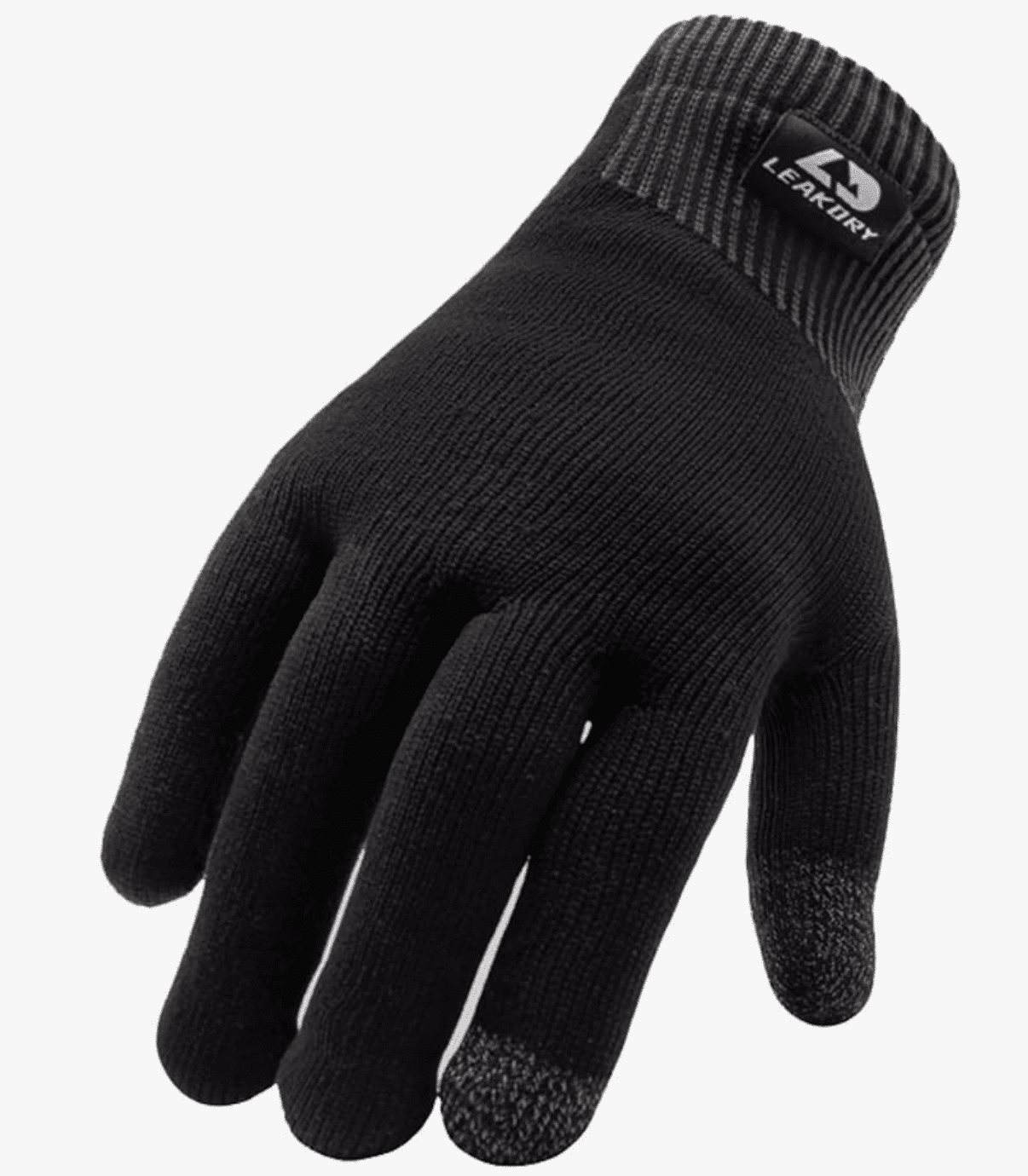
Insulated, weather-resistant gloves designed for colder trekking days and higher elevations. These gloves should offer a good balance of warmth, dexterity, and protection from wind and light moisture. Look for fleece or softshell materials with a snug fit, making them ideal for active use without excessive bulk.
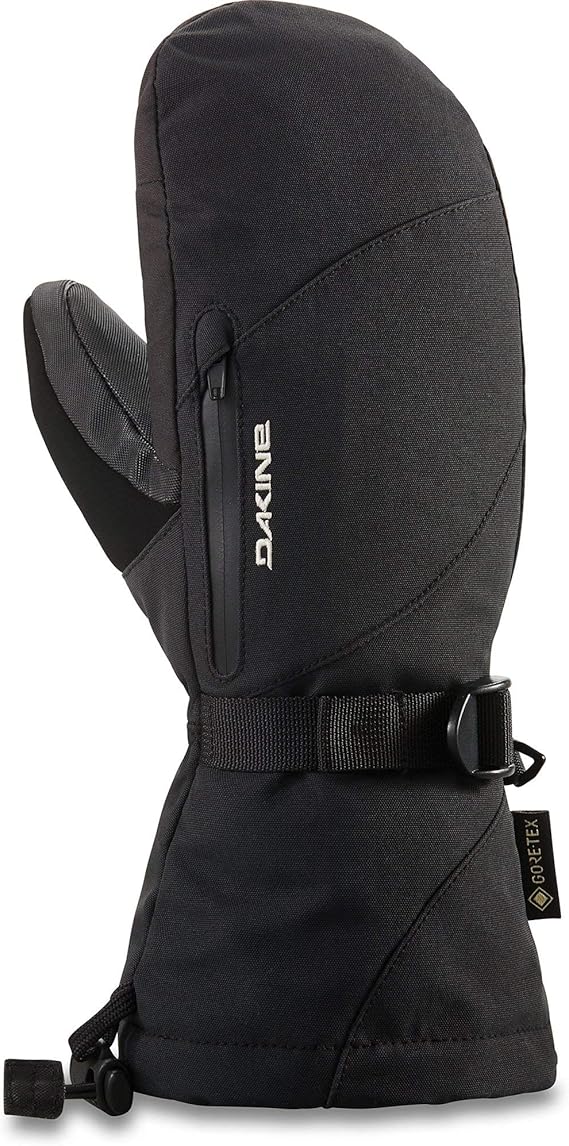
Warm, waterproof insulated mittens designed for extreme cold, wind, and summit conditions. Look for mittens durable outer shells, and high-loft synthetic or down insulation. These provide maximum warmth when layered over lighter gloves and are essential for summit day and cold evenings at higher camps.
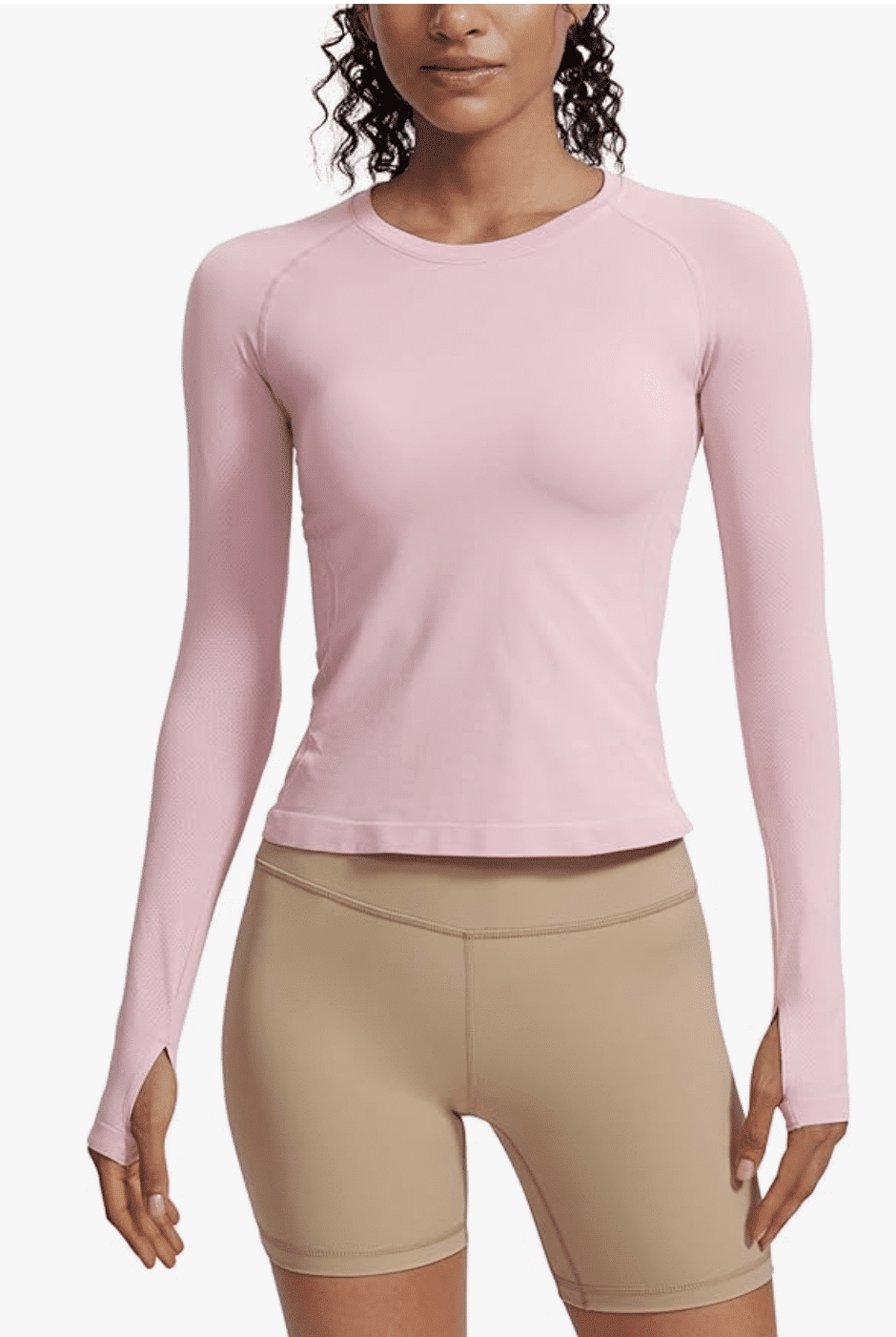
Thin synthetic shirt that provides basic warmth and protection during mild conditions or while layering under heavier layers. Ideal for hiking at lower elevations. Should be breathable, quick-drying, and allow for good dexterity. A mix of both short sleeve and long sleeve options is recommended.

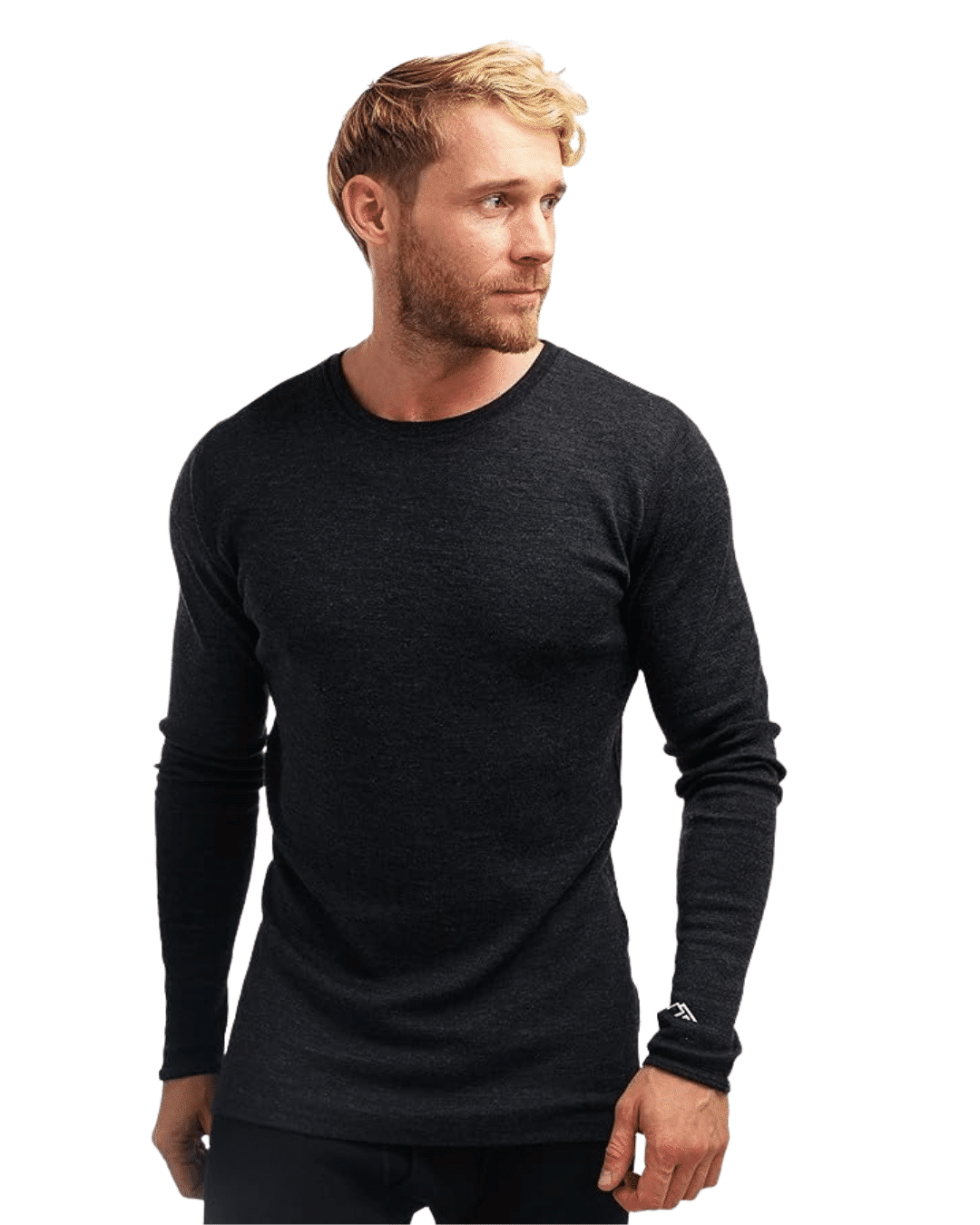
A mid- to heavyweight thermal top, preferably merino wool, worn on summit night only. Provides essential warmth, moisture wicking, and insulation in freezing temperatures.
A thin, breathable insulation layer such as a lightweight fleece or synthetic/down jacket. Worn over your base layer, this piece traps body heat without adding bulk, making it ideal for active use in cool conditions. Choose a jacket or pullover that fits comfortably under your outer shell for versatile layering on the mountain.
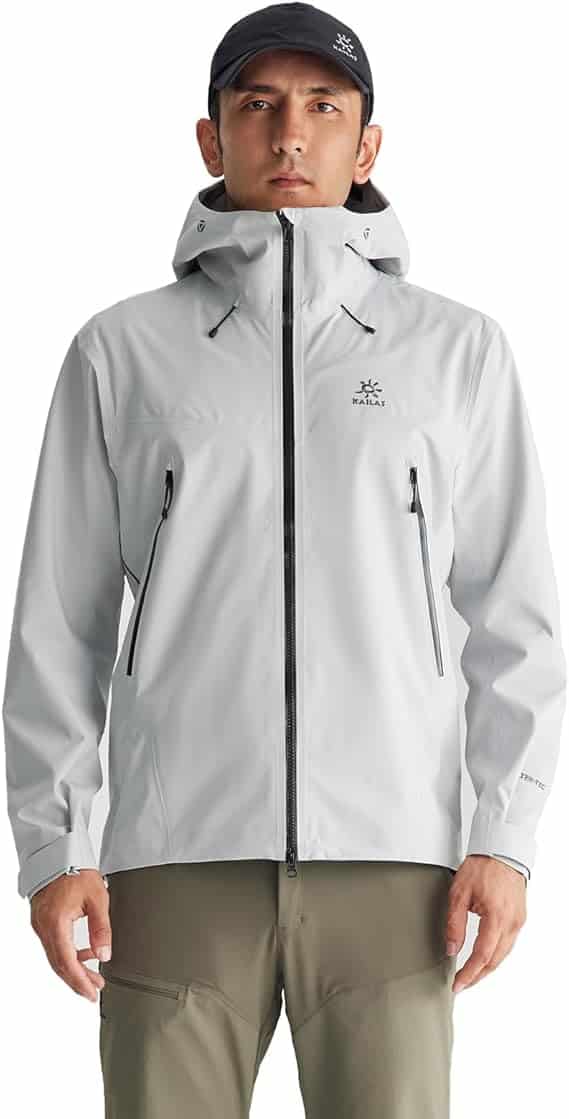
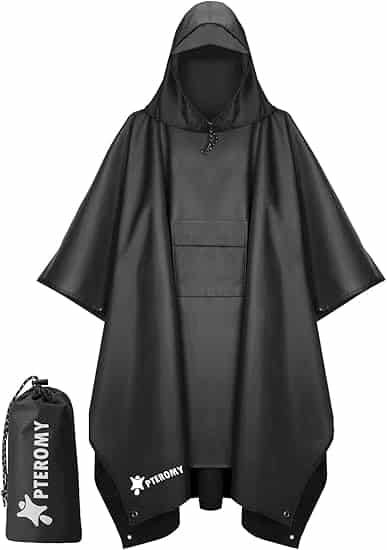
A waterproof, windproof, and breathable outer shell that provides critical protection against rain, snow, and high mountain winds. Must have taped seams, a storm hood, and be durable enough for harsh alpine conditions. Choose a model that fits over your insulating layers without restricting movement. This is a non-negotiable piece for summit day and wet weather.
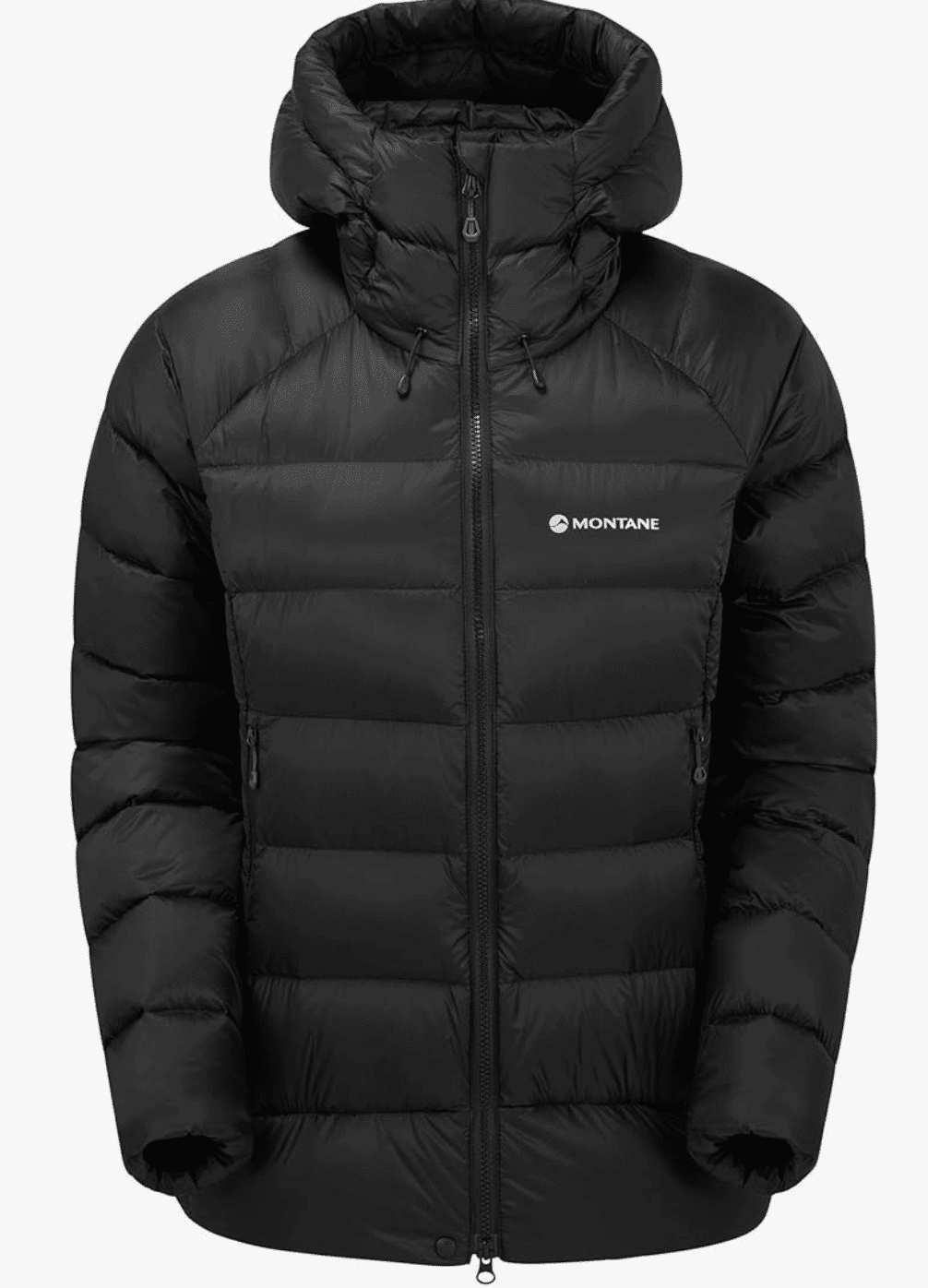
A heavyweight down or synthetic parka with a hood, designed for maximum warmth in freezing conditions. This layer is essential for summit night and cold evenings at camp. Wind resistance is not critical since a hard shell can be worn over the top. Look for compressibility, a longer cut for added coverage, and high-fill insulation (down or synthetic) to ensure high-altitude comfort and protection.
A fully waterproof, windproof, and breathable outer layer designed to shield you from rain, snow, and wet conditions. Look for features like taped seams, a storm hood, adjustable cuffs, and durable construction. It should fit comfortably over insulating layers without restricting movement—essential for staying dry on the trail and summit.
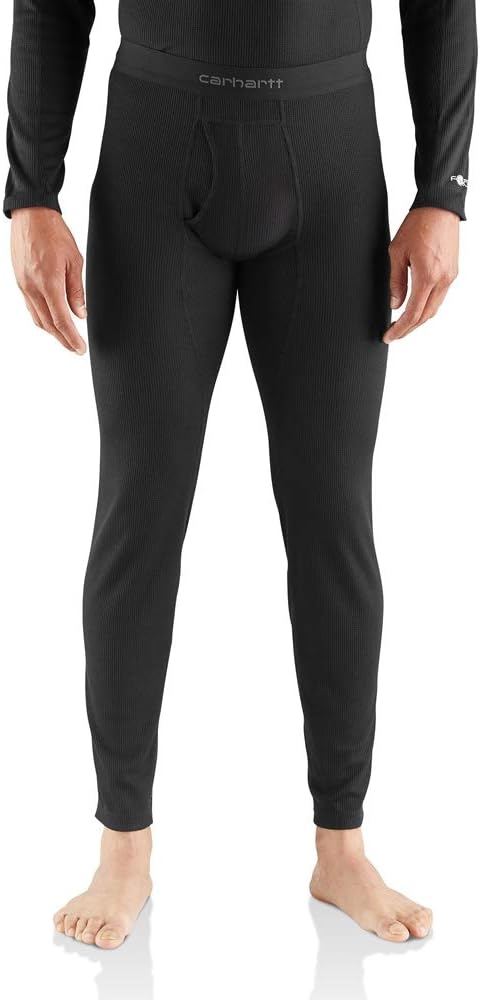
A moisture-wicking wool layer worn next to the skin, designed for summit night. Provides crucial warmth, regulates body temperature, and keeps you dry in freezing conditions. Avoid cotton, as it traps moisture and dries slowly.
Comfortable, quick-drying synthetic pants or hiking shorts designed for warm-weather trekking at lower elevations. Look for materials that offer breathability, flexibility, and sun protection. Convertible pants (zip-offs) are a great option for added versatility. Avoid cotton, as it retains moisture and dries slowly.
Fleece Pants:
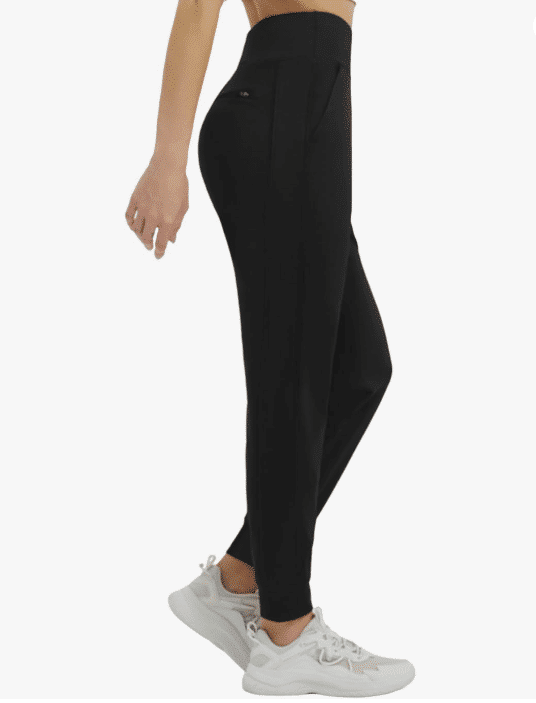
Warm, insulating pants worn over your base layer for added warmth on cold nights, especially during higher elevations and the summit push. Lightweight, breathable, and comfortable for layering under outer shell pants.
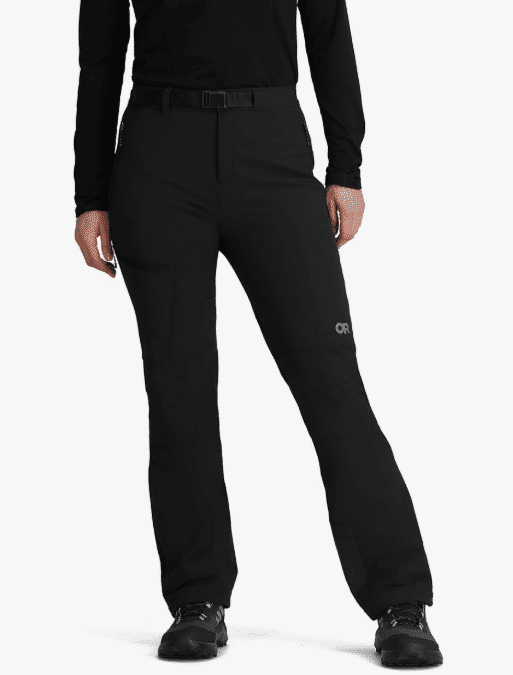
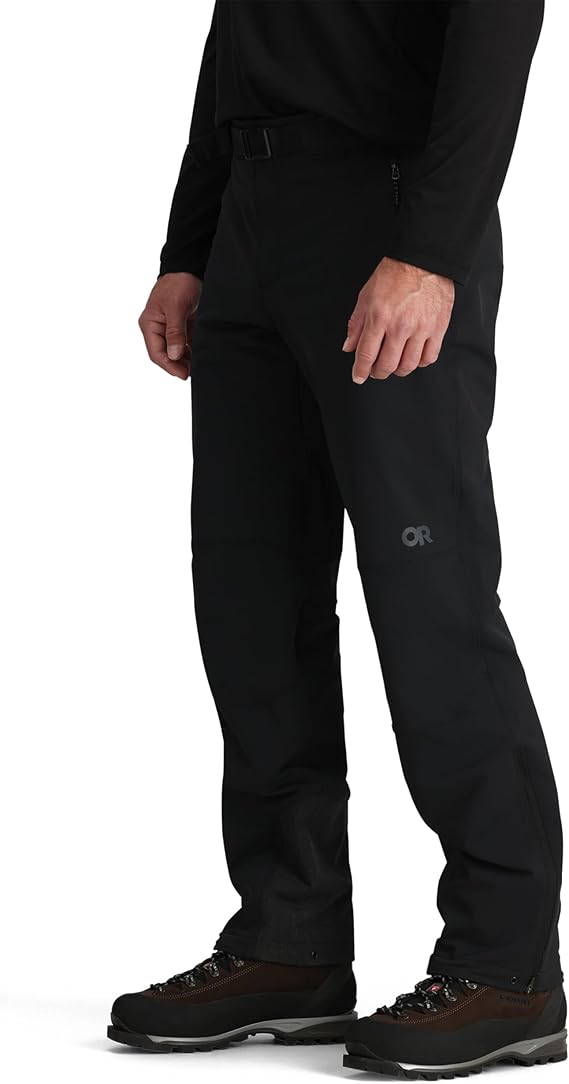
Durable, breathable, and weather-resistant pants designed for trekking in cool to cold conditions. Made from stretch-woven synthetic fabrics, these pants offer excellent mobility, wind resistance, and light water repellency—ideal for high-altitude hiking and summit day. They should layer comfortably over a base layer and under rain pants when needed.
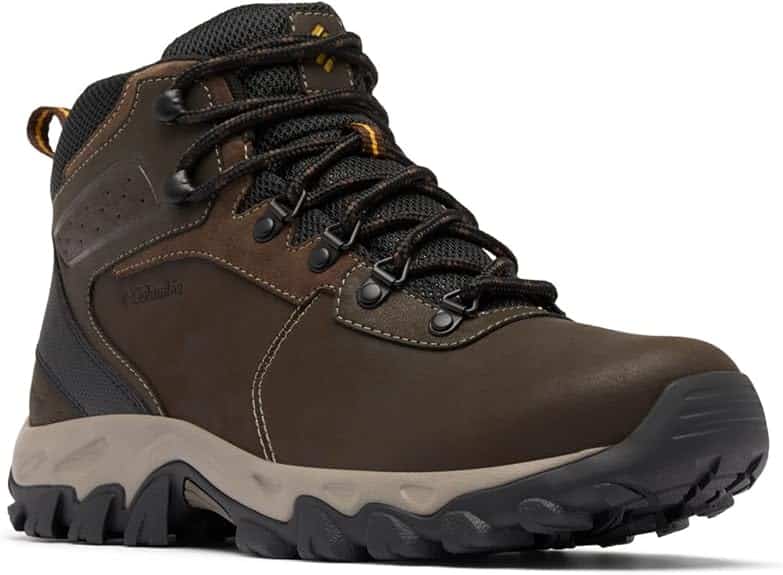
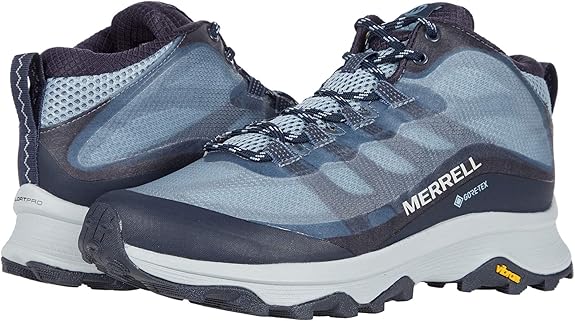
Sturdy, well-broken-in hiking boots with ankle support, durable soles, and waterproof or water-resistant construction. Designed for rough, uneven terrain and long days on your feet. Comfort and fit are critical—test your boots on varied terrain before the climb to avoid blisters.
Note: Pairing boots with gaiters is especially helpful on summit day to keep small rocks out of your shoes.
Comfortable, lightweight shoes or sandals for use around the hotel, in transit, or after the trek. These give your feet a break from boots and are ideal for relaxing or sightseeing. Choose something easy to slip on and off, with enough support for walking around town.
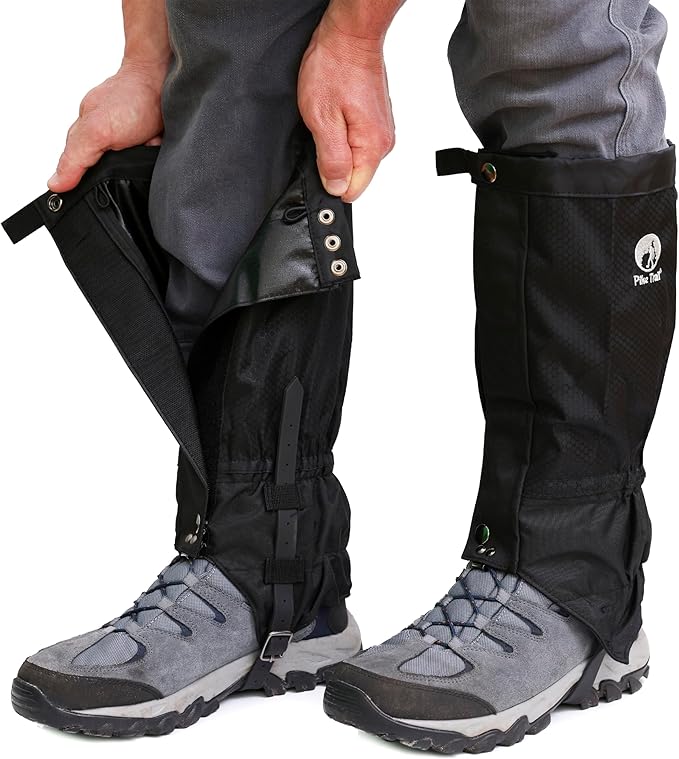
Gaiters help keep dirt, rocks, water, and snow out of your boots and protect your lower legs in rough or wet terrain. While not required, they can be especially useful in muddy or snowy conditions. Choose lightweight, breathable models that are compatible with your hiking boots.
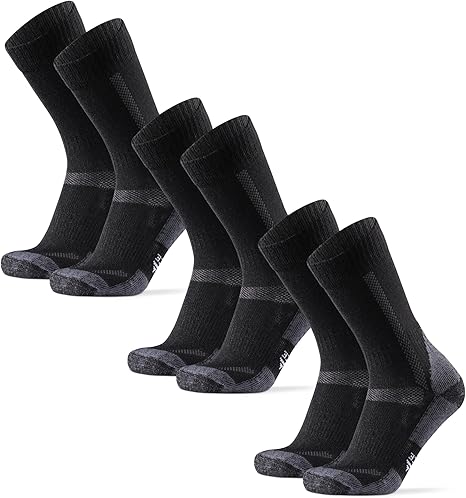
You’ll need two kinds of hiking socks for Kilimanjaro: thinner or medium-weight pairs for daily trekking, and a thicker, warmer pair for summit night. Bring around four pairs in total, and be sure to choose wool or synthetic materials—avoid cotton, as it holds moisture and can lead to blisters.
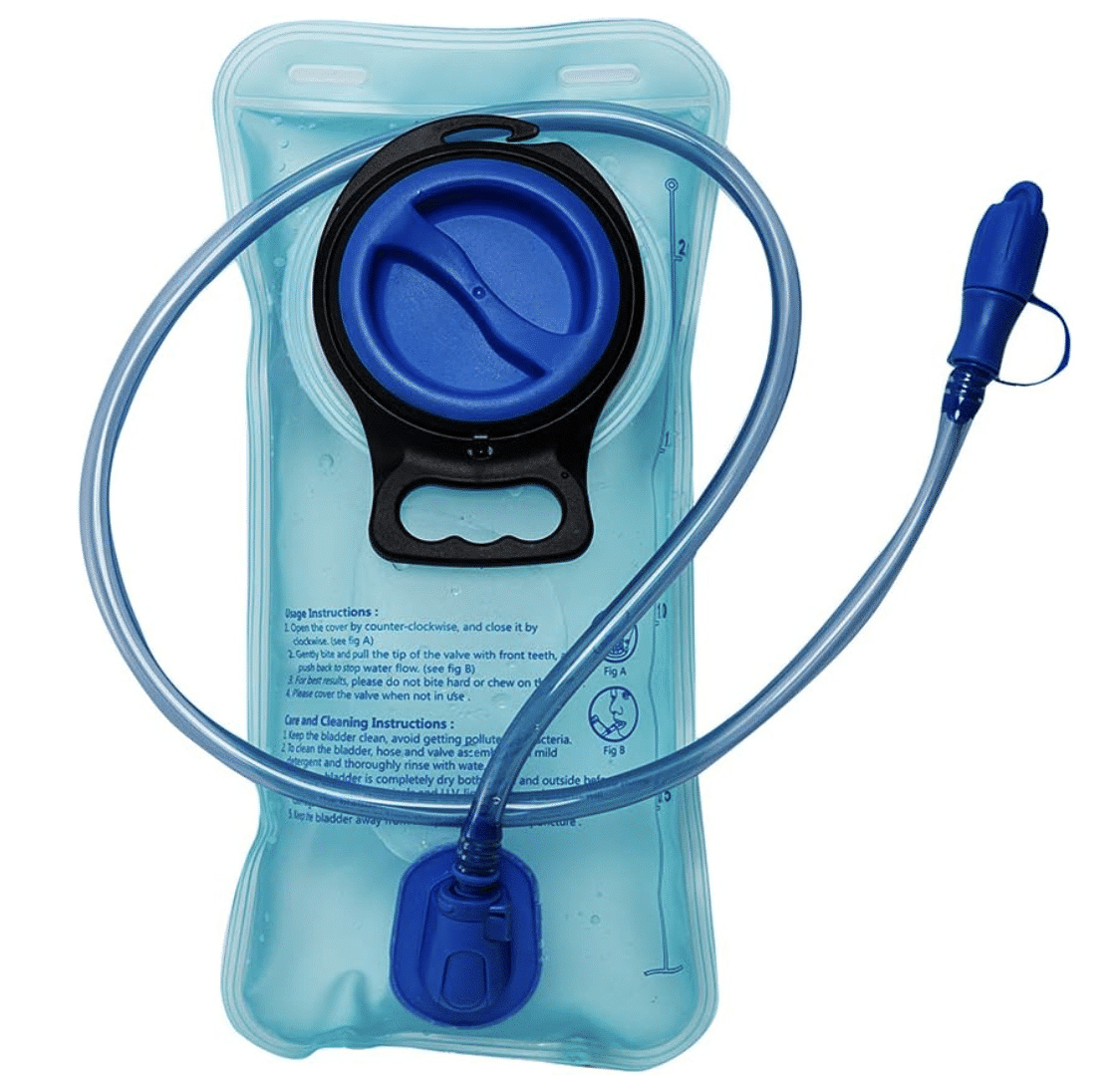
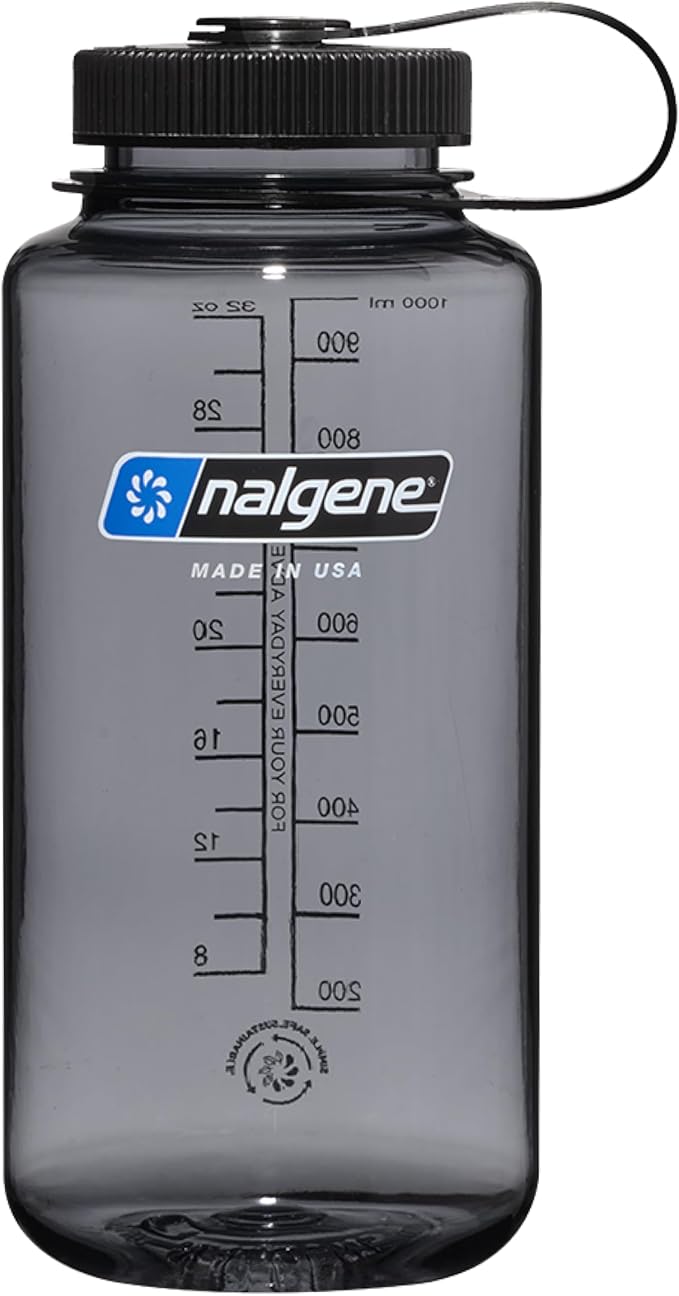
Bring two 1-liter wide-mouth water bottles (such as Nalgene-style bottles). These are essential for staying hydrated throughout the trek. Wide-mouth bottles are preferred as they are easier to fill, clean, and less likely to freeze at higher elevations. Avoid collapsible bottles or hydration bladders above camp due to freezing risk.
Biodegradable body or baby wipes are essential for personal hygiene on the mountain, especially where showers aren’t available. Use them to freshen up at camp and before bed. Choose unscented, travel-friendly packs and pack them out responsibly.
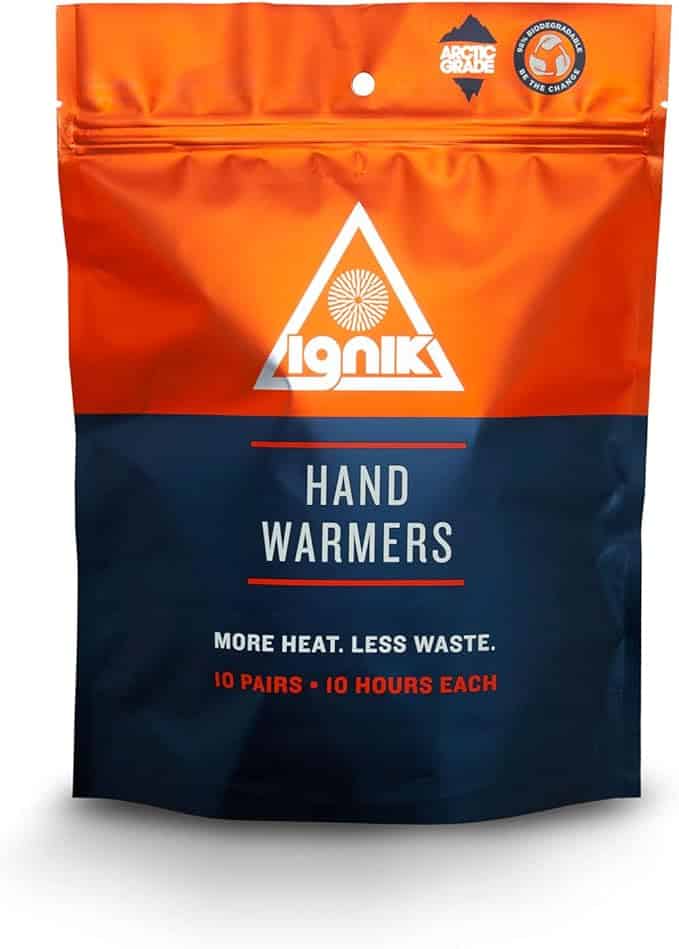
Single-use, air-activated heat packs that provide warmth for your hands and feet during cold mornings, rest breaks, or summit day. Lightweight and easy to use, they offer extra comfort in freezing conditions. Bring several pairs, especially if you tend to get cold easily.
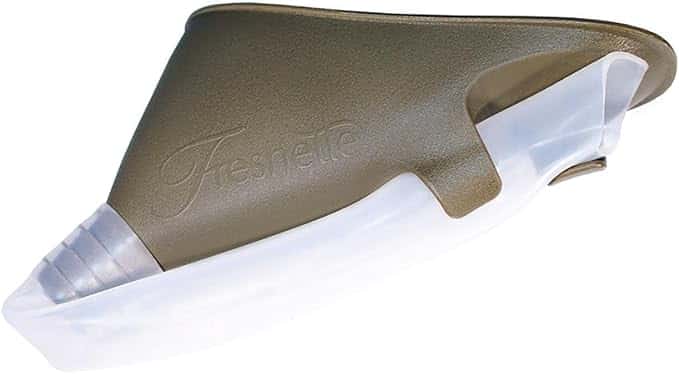
A compact, hygienic device—also known as a “female urination funnel”—that allows women to urinate standing up without removing clothing. Lightweight and easy to pack, it’s ideal for quick bathroom breaks at roadside stops, during long portages, or in cold weather when taking off layers feels daunting. Opt for a reusable silicone design, which is easy to clean and store in a hygienic bag once used.
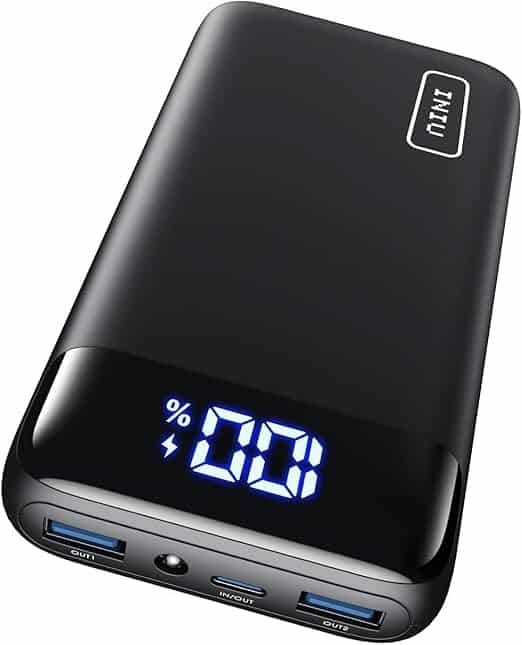
A compact portable charger to keep your devices powered during the trek, especially if you plan to use your phone for photos, GPS, or journaling. Look for a 10,000–20,000 mAh model for multiple charges and ensure it’s lightweight and reliable in cold conditions. Solar charging panels are not recommended due to limited sun exposure and unpredictable weather.
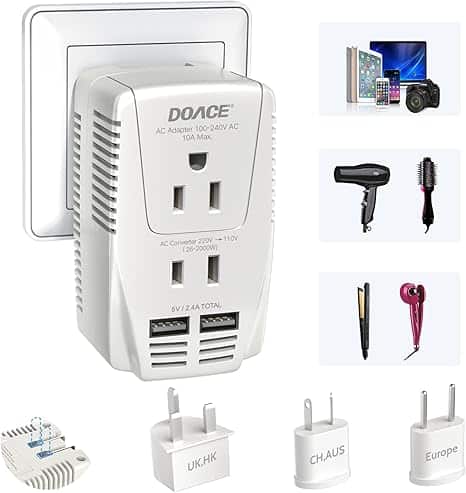
Bring a universal travel adapter suitable for Type G outlets, which are standard in Tanzania. This is essential for charging your devices at hotels before and after the trek. A model with multiple USB ports can be helpful for charging several items at once. Voltage in Tanzania is 230V, so ensure your electronics are compatible or bring a voltage converter if needed.
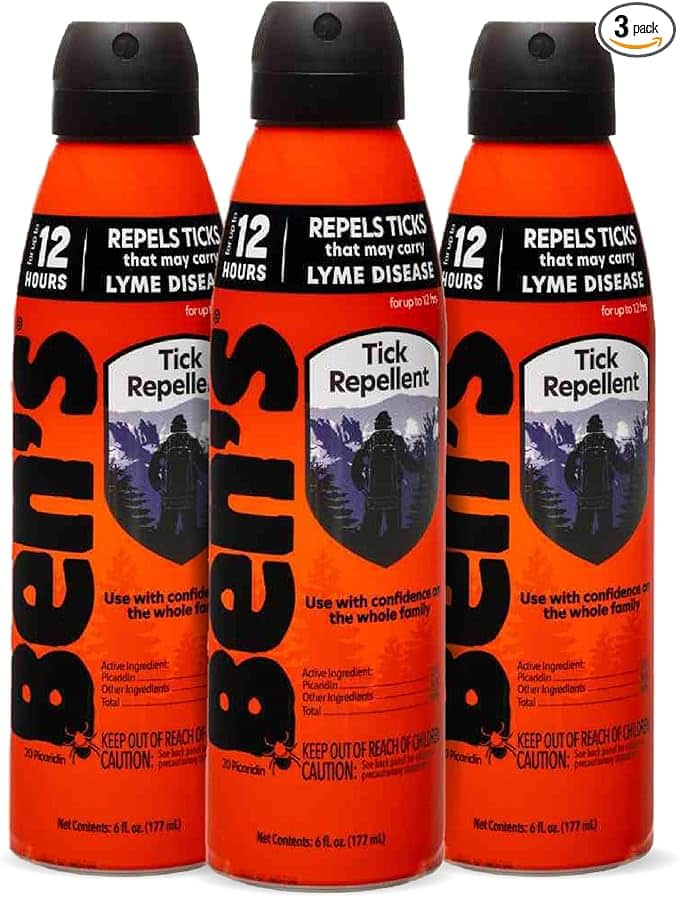
Tick Repellent: Use a DEET- or Picaridin-based insect repellent to protect against ticks and other insects, especially at lower elevations where bugs may be more active.
Sunscreen: A broad-spectrum SPF 30+ sunscreen is essential to protect against strong UV exposure at altitude. Choose a sweat-resistant, non-greasy formula.
Lip Balm: Bring SPF-rated lip balm to prevent sunburn and chapping. Cold, dry air and sun exposure on the mountain can severely dry out lips without proper protection.
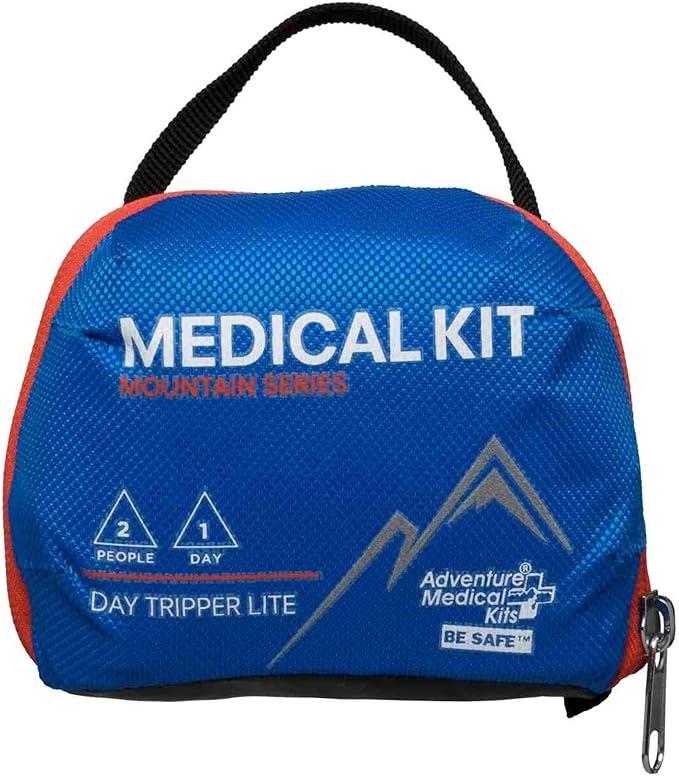
A small personal kit with prescription meds, blister care, pain relievers, basic first aid, and any altitude medication. Lightweight and waterproof recommended.
This gear list was created to help you prepare efficiently for your Kilimanjaro expedition with Climb Kili. It reflects decades of guiding experience and takes into account the specific challenges of altitude, weather, and terrain.
Inside, you’ll find exactly what you need — and nothing you don’t — for a safe, comfortable, and successful climb.
Download your printable PDF below and start packing with confidence.
At Climb Kili, we understand that a well-balanced diet is essential for maintaining energy during your trek. We provide nutritious, high-energy meals to keep you fueled throughout your adventure.
Typical Items:
Beverages:
Typical Items:
Beverages:
Typical Items:
Beverages:
Snacks may be available throughout the trek to help maintain your energy, but availability can vary depending on logistics and group size.
Possible snack options include:
We encourage you to bring your own favorite snacks to supplement the meals provided.
Not sure what to pack? Check out our guide:
👉 Best Snacks for Kilimanjaro Climb
We accommodate a wide range of dietary needs:
📩 Please email any dietary requirements (allergies, vegetarian, halal, etc.) to tiffany.watson@climbkili.com at least 2–3 weeks before your trek.
Our mountain chef can prepare almost anything you bring, so if you have dietary preferences or favorite items that are hard to find in Tanzania — feel free to bring them with you!
🥣 Examples:
Clients have brought quinoa, special protein powders, gluten-free pancake mix, and even instant miso soup packets. These ingredients aren’t typically available locally, but our crew is happy to cook them for you on the mountain.
Can I bring my own food?
Yes! You can bring your own snacks or dietary supplements, especially if you have strict preferences.
Can I request a custom meal plan?
Yes—please inform us at least 2–3 weeks before your climb so we can plan accordingly.
Will the meals keep me energized?
Absolutely. Our meals are high-calorie and nutritionally balanced for strenuous trekking.
How is food prepared?
Our professional mountain chefs cook meals on portable stoves using fresh ingredients and sanitary practices.
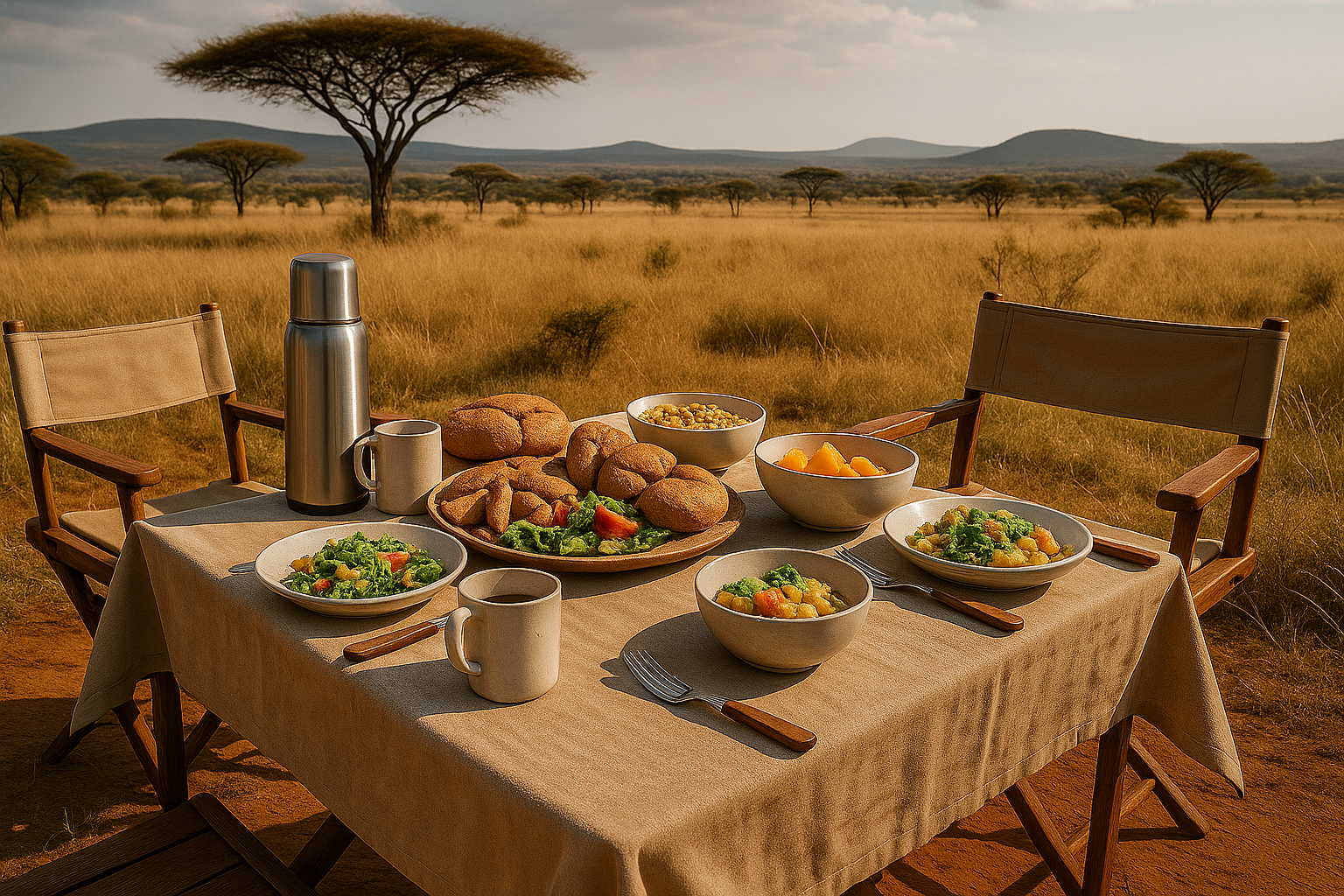
After your climb, you’ll transition to Tanzania’s wildlife parks where the food continues to impress. At the safari lodges and camps, you’ll enjoy a variety of delicious meals to enhance your adventure.
You will be provided with bottled water daily during your safari game drives and while at the lodges or tented camps. However, it’s always a good idea to:
Bring your own refillable water bottle for convenience
Stay hydrated, especially on hot days
Ask your guide if you need extra water at any time — they’ll be happy to assist
If you have specific preferences (e.g., sparkling, electrolyte mixes, or filtered water), feel free to bring your own supply from town before the safari begins.
Item | Description |
Sandwich | Typically chicken, cheese, or vegetarian |
Fruit | Fresh banana or apple, depending on availability |
Snacks | Biscuits, nuts, and small chocolate bars |
Beverage | Bottled water or soft drink |
Note: Box lunches are provided during game drives and will be customized based on your dietary needs.
Food isn’t just fuel—it’s part of the adventure. With Climb Kili, every meal is designed to support your energy, health, and enjoyment, from the first cup of tea in Arusha to your summit celebration and safari send-off.
📧 Have dietary questions? Let us know at tiffany.watson@climbkili.com.
We’re here to make sure every step—and every bite—of your journey is incredible.
Your Comfort Before the Climb 🏔️
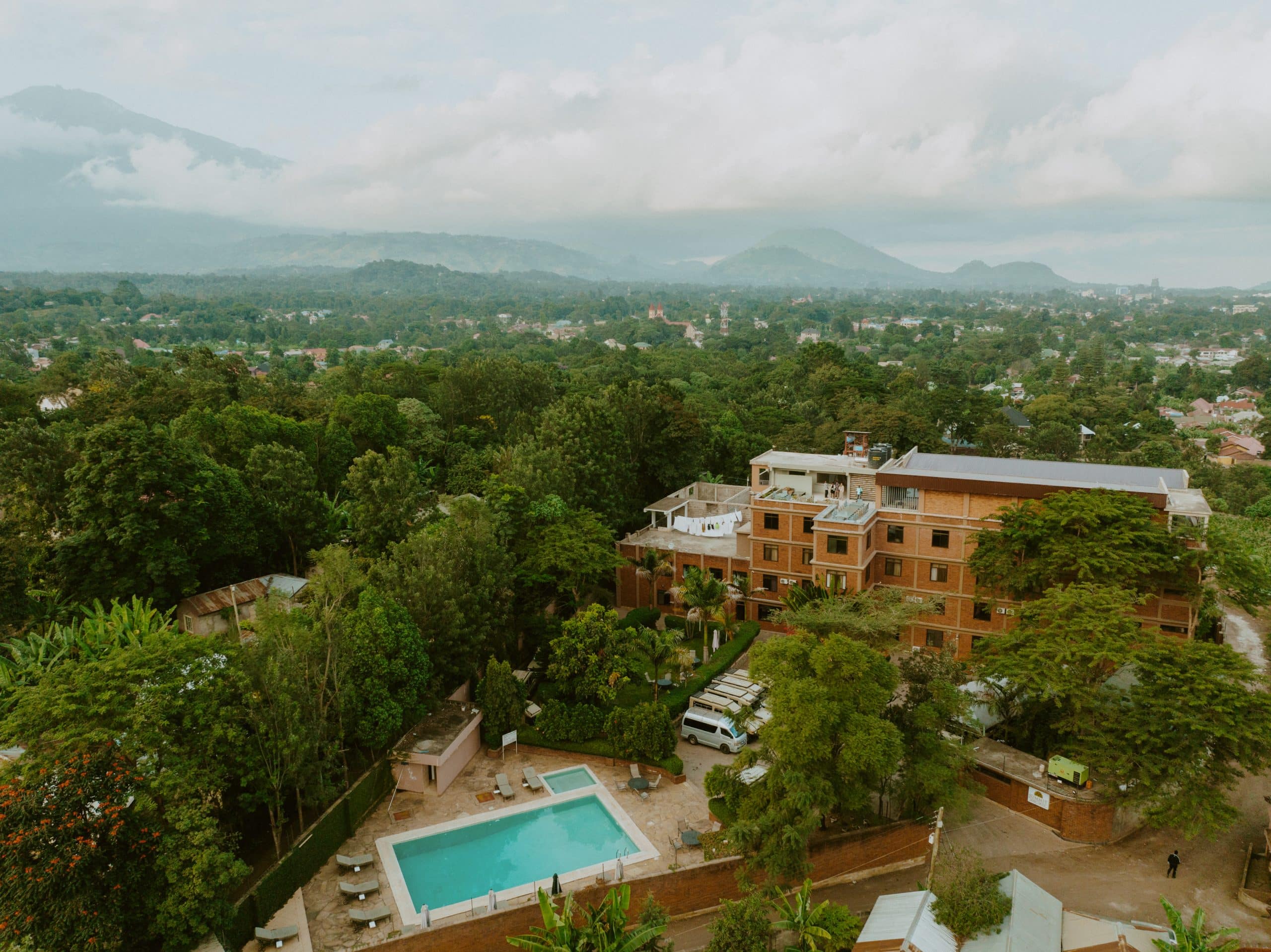
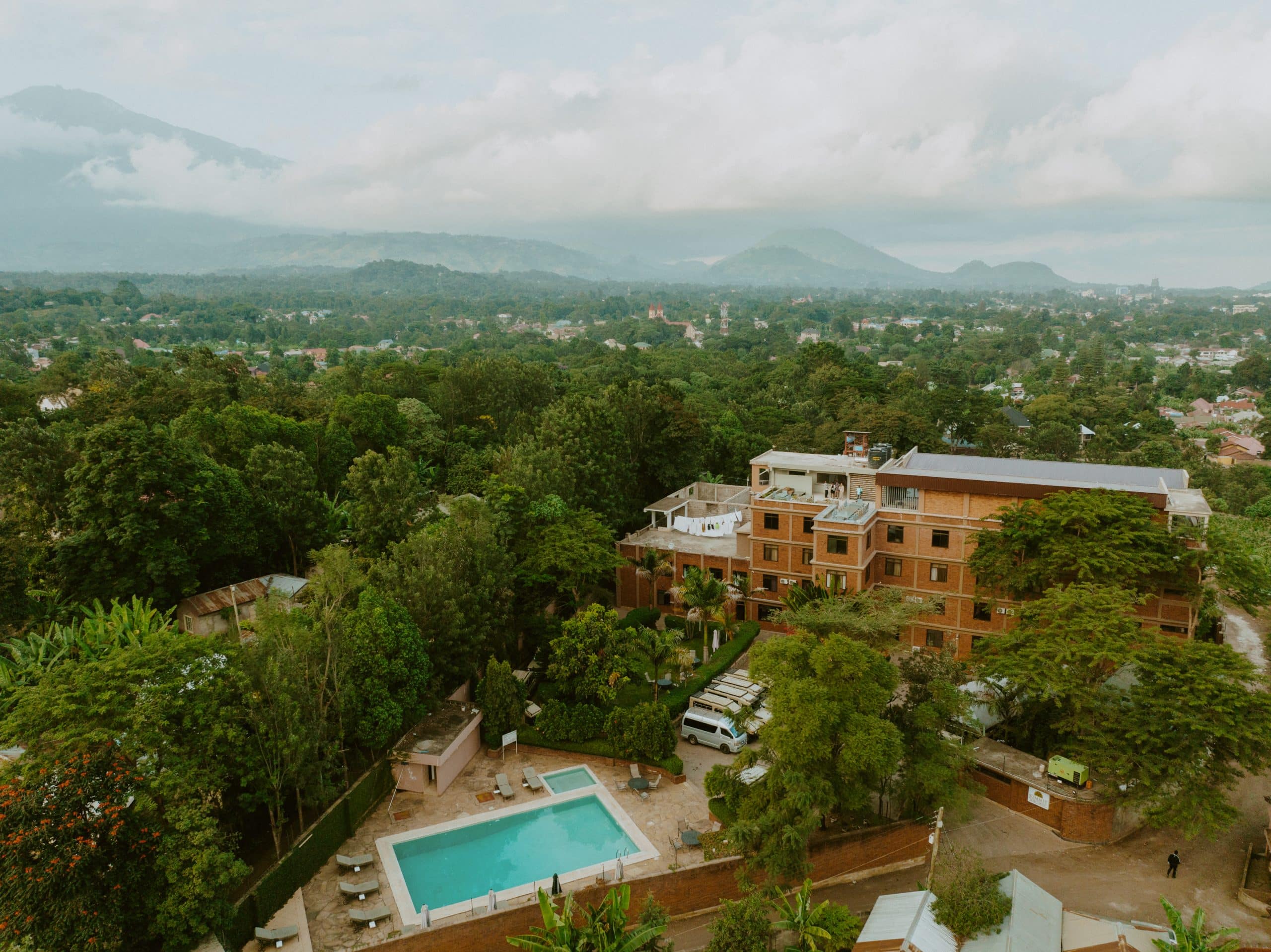
We are thrilled to welcome you to Summit Lodge, where your adventure begins before ascending the iconic Mount Kilimanjaro. Our lodge is designed to provide you with the perfect blend of comfort, convenience, and warmth as you prepare for your once-in-a-lifetime trek.
Airport Transfer:
Upon arrival at Kilimanjaro International Airport (JRO), our friendly Climb Kili driver will be waiting with a sign featuring your name. They will assist with your luggage and take you on a scenic 1-hour drive to Summit Lodge in Arusha, ensuring you start your journey stress-free.
Flexible Pick-Up Times:
We offer flexible pick-up times to accommodate your flight schedule, whether you arrive in the morning, afternoon, or evening, at no extra charge. Just let us know your arrival details, and we’ll take care of the rest.
Warm Welcome:
Upon arrival at Summit Lodge, you’ll be greeted by our team at the reception, where we’ll check you in and make sure you have everything you need for your stay.
Room: Your private room is equipped with comfortable bedding, air-conditioning, and Wi-Fi to help you relax after your journey.
Secure Storage: If you have any items you don’t need for the trek, secure storage lockers are available for safekeeping.
Dining:
Our restaurant offers a delightful mix of local Tanzanian and international cuisine, providing you with the fuel you need for your upcoming adventure. Meals include:
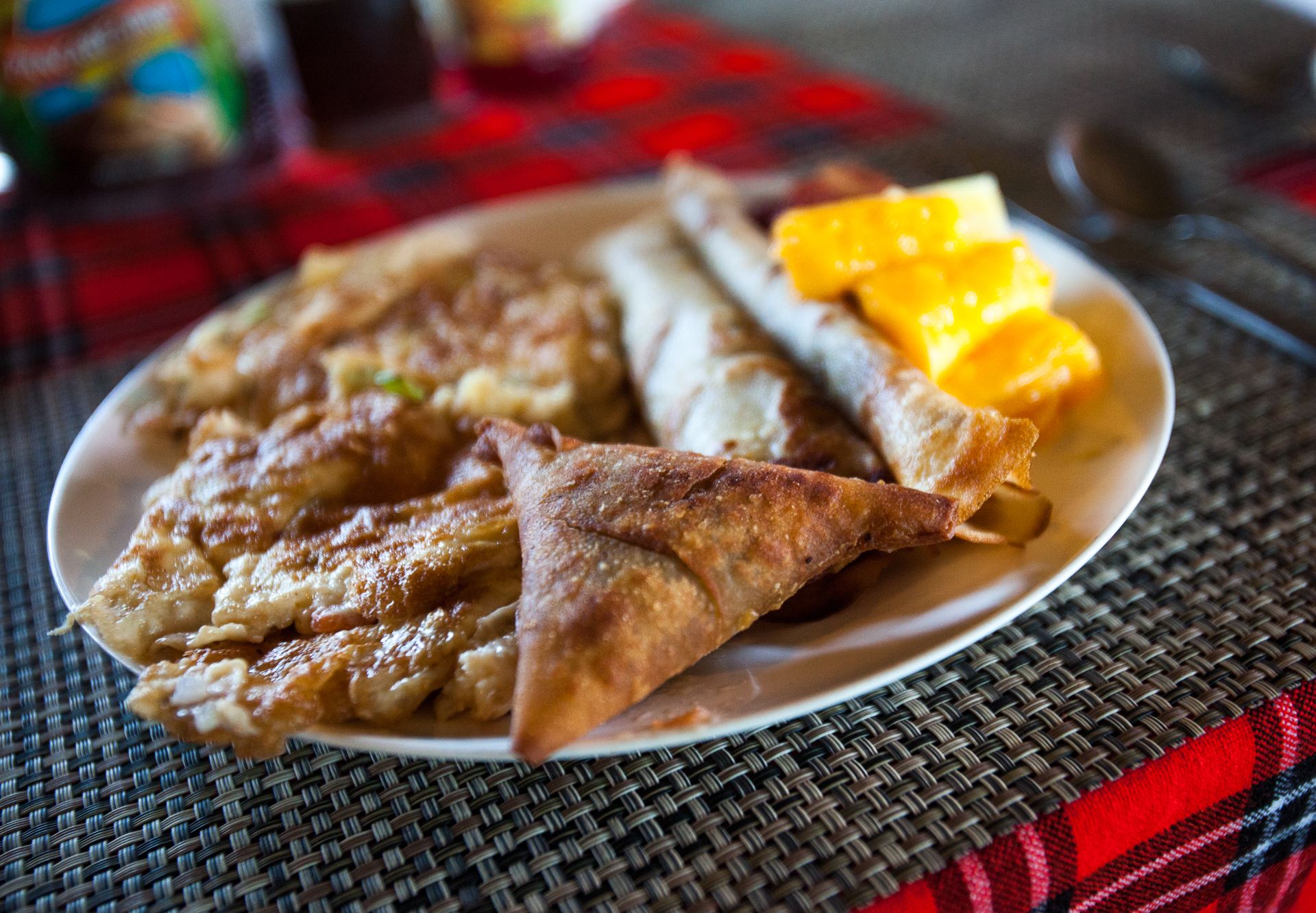
Buffet Breakfast: Enjoy a variety of fresh options like eggs, bread, fruit, and hot beverages to kick-start your day.
Hearty Dinners: After a day of travel or relaxation, treat yourself to a satisfying dinner in the rooftop dining area with views of Mount Meru.
Snack and Drinks: Feel free to relax with refreshing beverages and snacks available throughout the day.
Meeting Your Guide:
You should receive information about the time of your meeting upon arrival. If you haven’t received your briefing time, please reach out to Rickson at +255 622 680 305 for assistance or any questions regarding your meeting schedule.
On the day of your arrival or shortly before your climb, you’ll have a one-on-one meeting with your experienced lead guide. This is the perfect opportunity to ask any last-minute questions, receive your rental gear, and review the itinerary.
Rental Gear:
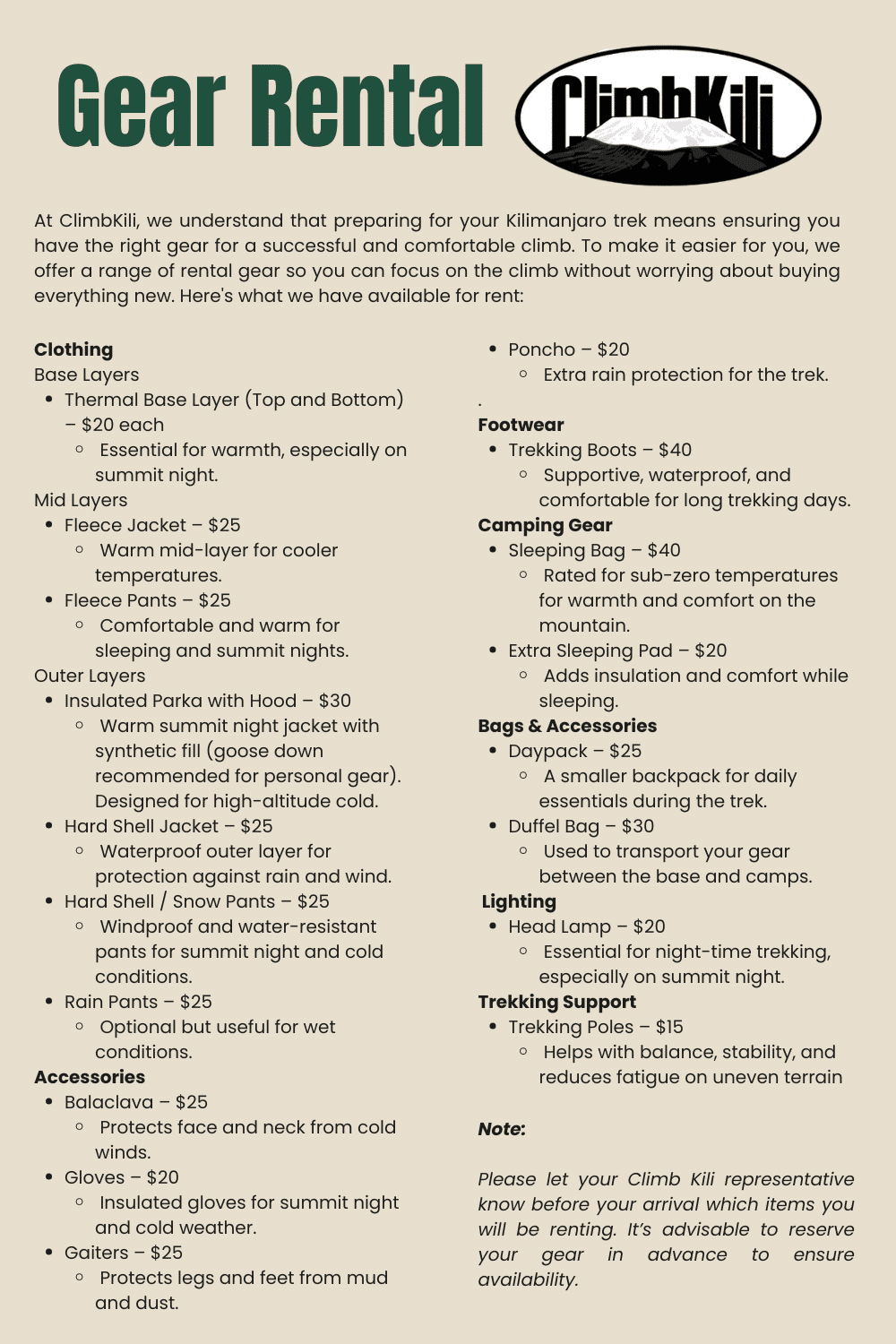
If you’ve rented gear (such as sleeping bags, trekking poles, etc.), you’ll receive it during this meeting. Be sure to check the fit and condition of each item, so you’re well-prepared for the climb.
Swimming Pool:
Unwind after your travel with a refreshing dip in our swimming pool. Whether you’re looking to cool off or just relax by the pool, it’s the perfect place to decompress before your climb.
Lounge Area:
Take time to relax in our spacious lounge, where you can enjoy a comfortable setting to read, chat with fellow climbers, or sip a warm drink.
Laundry Services: Laundry services are available for a nominal fee and typically take 24 hours to complete. Most climbers choose to use this service after their trek, especially if continuing on safari and not needing their trekking clothes immediately. Laundry before the climb is generally not recommended due to time constraints.
Spa & Wellness:
We offer spa services for those looking to unwind before their adventure. Whether it’s a massage or a facial, indulge in a soothing experience to relax your muscles and prepare for the climb.
Rooftop Bar:
Enjoy panoramic views of Arusha from our rooftop bar — a favorite gathering spot for climbers. It’s the perfect place to unwind, share stories, and toast to your upcoming or completed Kilimanjaro adventure.
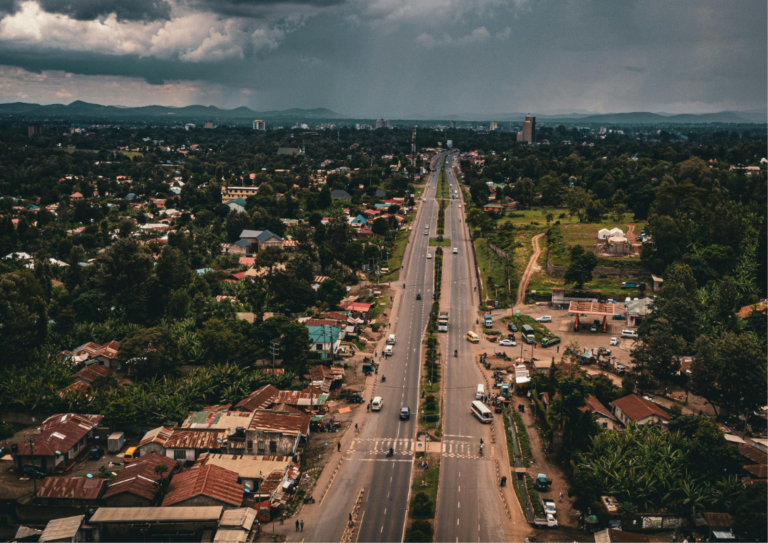
If you arrive with extra time, we encourage you to explore the vibrant town of Arusha. You can visit local markets, shops, or take in the stunning views of Mount Meru. The town is also home to a range of cultural and historical attractions that offer a glimpse into Tanzanian life.
Climb Kili also offers a variety of day trips and local excursions, from waterfalls and coffee tours to cultural experiences and wildlife adventures. Explore our Day Trips here →
Check-Out Time:
On the day of your trek, check-out is at 11:00 AM, giving you plenty of time to prepare for departure. If you need anything before check-out, please don’t hesitate to ask our friendly staff.
Departure to Kilimanjaro Gate:
After check-out, we’ll transfer you to the designated Machame Gate or Lemosho Gate. The journey typically takes 2.5 to 3 hours, depending on the route.
Summit Lodge Reception:
Phone: +255 27 254 1234
Email: info@summitlodgetz.com
Climb Kili Emergency Number:
Phone: +255 767 282 042
Kilimanjaro International Airport (JRO):
Phone: +255 27 250 1056
Weather in Arusha:
Arusha has a moderate climate, with warm days and cooler evenings. Be sure to bring a light jacket or sweater for the evenings.
Currency and Payments:
While most payments at Summit Lodge can be made via credit card, it’s advisable to have some local currency (Tanzanian Shillings) for any small purchases in Arusha.
We want your stay at Summit Lodge to be seamless and stress-free. If you have any questions or special requests before or during your stay, please don’t hesitate to reach out to our team. We’re here to ensure you have an unforgettable experience as you prepare for your Mount Kilimanjaro trek.Meeting Your Guide:
On the day of your arrival or shortly before your climb, you’ll have a one-on-one meeting with your experienced lead guide. This is the perfect opportunity to ask any last-minute questions, receive your rental gear, and review the itinerary.
You should receive information about the time of your meeting upon arrival. If you haven’t received your briefing time, please reach out to Rickson at +255 622 680 305 for assistance or any questions regarding your meeting schedule.
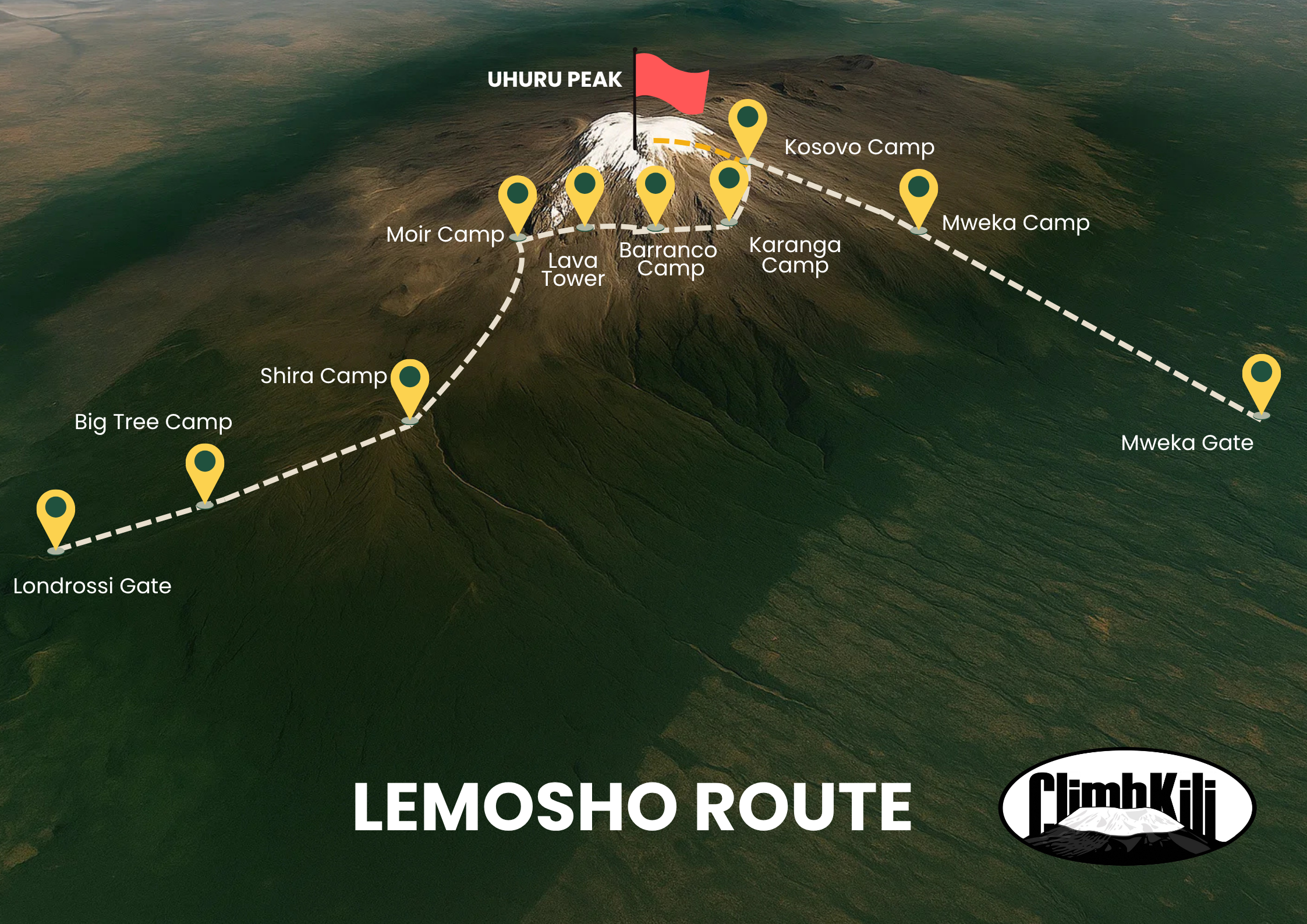
Regarded as one of Kilimanjaro’s most scenic routes, the Lemosho Route offers a perfect blend of quiet trails, gradual acclimatization, and diverse landscapes — from lush rainforest to the dramatic Shira Plateau and up to the summit at Uhuru Peak.
With Climb Kili’s small group sizes and expert guides, you’ll enjoy a personalized journey filled with unforgettable moments and unparalleled views of Africa’s highest mountain.
Before your climb, sit down for an in-depth meeting with your experienced lead guide. This is your opportunity to:
Ask any last-minute questions
Receive your rental gear from our on-site facility
Review your route and itinerary
📞 Meeting time details will be provided upon arrival.
If you haven’t received them, please contact Rickson for assistance:
Rickson’s Mobile: +255 622 680 305
Altitude: 8,694’ (2,650 m)
Distance: 4 mi (6.4 km)
Time: 3–4 hours
Your journey begins at Londorossi Gate (7,742’ / 2,360 m) on the western side of Kilimanjaro.
Hike through the dense rainforest, spotting colobus monkeys and vibrant birdlife along the way.
Arrive at Mti Mkubwa Camp (“Big Tree”), nestled in lush forest, where your tent and a warm meal await.
Altitude: 11,500’ (3,505 m)
Distance: 5 mi (8 km)
Time: 5–7 hours
Leave the rainforest behind as you enter the heath and moorland zone. The path climbs steadily to the Shira Ridge, opening to spectacular views of Kibo Peak.
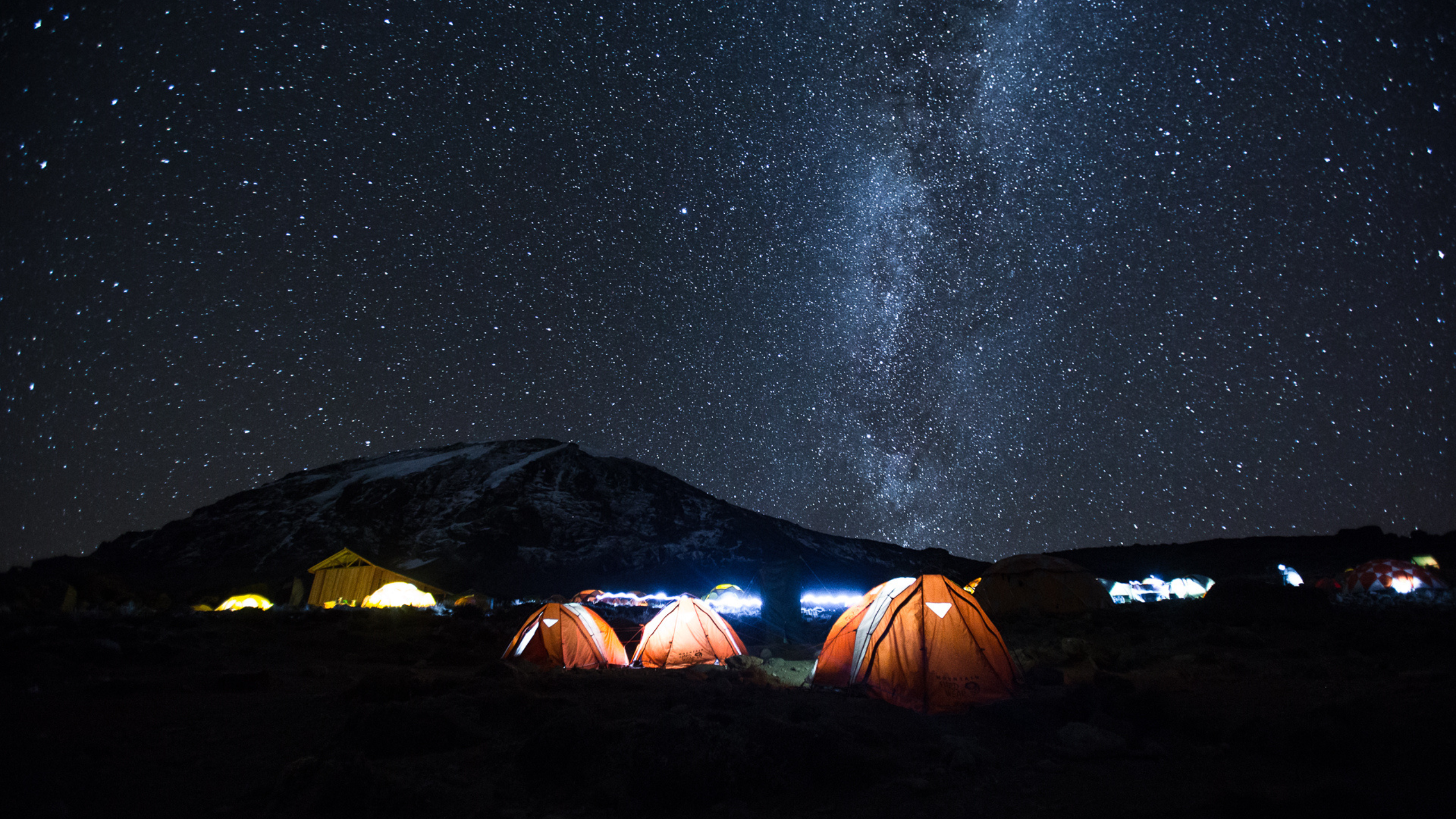
Arrive at Shira 1 Camp, located on the spacious Shira Plateau. Enjoy dinner and rest as the stars fill the night sky.
Altitude: 12,600’ (3,810 m)
Distance: 4 mi (6 km)
Time: 4–5 hours
Today is a short trek across the plateau, allowing for relaxation and acclimatization. You’ll cross a moonscape of lava flows and alpine meadows, with panoramic views of the mountain and valley below.
Camp at Shira 2 Camp, where you’ll rest and prepare for tomorrow’s climb toward the Lava Tower.
Altitude: 13,000’ (3,962 m)
Distance: 6.8 mi (11 km)
Time: 6–8 hours
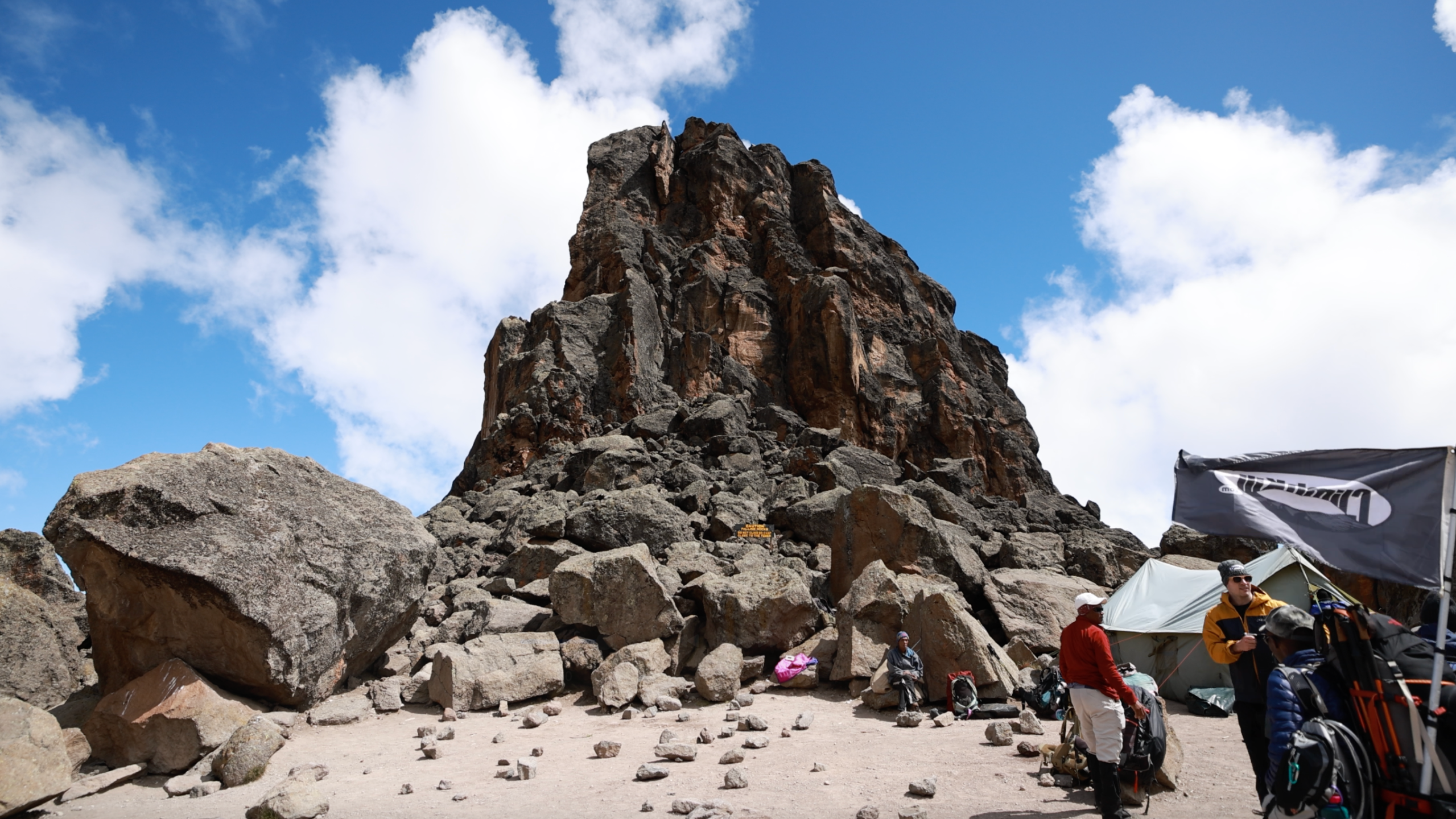
Ascend to the Lava Tower (15,190’ / 4,630 m) for a critical acclimatization point, then descend into the Barranco Valley.
The trail winds through the unique giant senecio forest before reaching Barranco Camp, where you’ll spend the night beneath the towering Barranco Wall.
Altitude: 13,100’ (3,993 m)
Distance: 3.1 mi (5 km)
Time: 4–5 hours
Conquer the Great Barranco Wall, a challenging yet rewarding ascent with stunning panoramic views.
Continue along the South Circuit Trail through the Karanga Valley and arrive at Karanga Camp for the night.
Altitude: 16,000’ (4,876 m)
Distance: 2.2 mi (3.5 km)
Time: 4–5 hours
A steady climb takes you past Barafu Camp to the higher, quieter Kosovo Camp for better acclimatization. Enjoy your final meal before the summit push and rest early for the long day ahead.
Climb Kili has special permits for Kosovo Camp, allowing an earlier, less-crowded start to summit night and a shorter path to Uhuru Peak.
Altitude: Summit 19,341’ (5,895 m); Descent 10,065’ (3,068 m)**
Distance: 13 mi (21 km total)
Time: 6–8 hours ascent / 4–6 hours descent
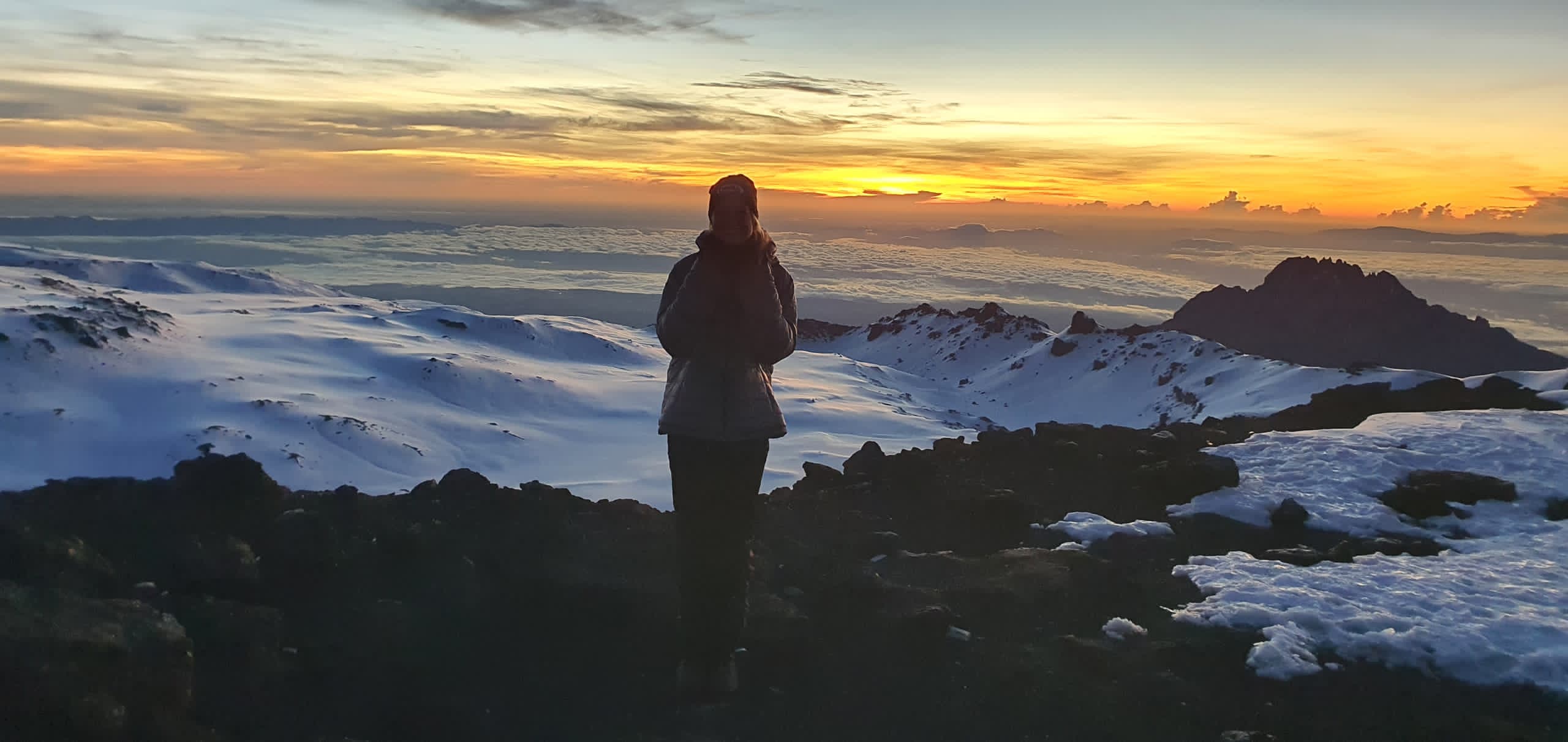
Begin your summit push around midnight under a blanket of stars. Reach Stella Point (18,885’ / 5,750 m) by sunrise, then make the final ascent to Uhuru Peak, the Roof of Africa.
After celebration and photos, descend to Kosovo Camp for lunch, then continue to Mweka Camp for a well-earned dinner and rest.
Altitude: 5,400’ (1,640 m)
Distance: 6 mi (9.7 km)
Time: 3–4 hours
Descend through the lush forest to Mweka Gate, where your Climb Kili vehicle awaits.
Return to Summit Lodge Arusha for a hot shower, delicious meal, and final celebration of your successful climb.
Your private Climb Kili driver will transfer you to Kilimanjaro International Airport, arriving two hours before your flight.
Take a moment to reflect on your journey — from the forests of Lemosho to the summit of Uhuru Peak — and the achievement of a lifetime.
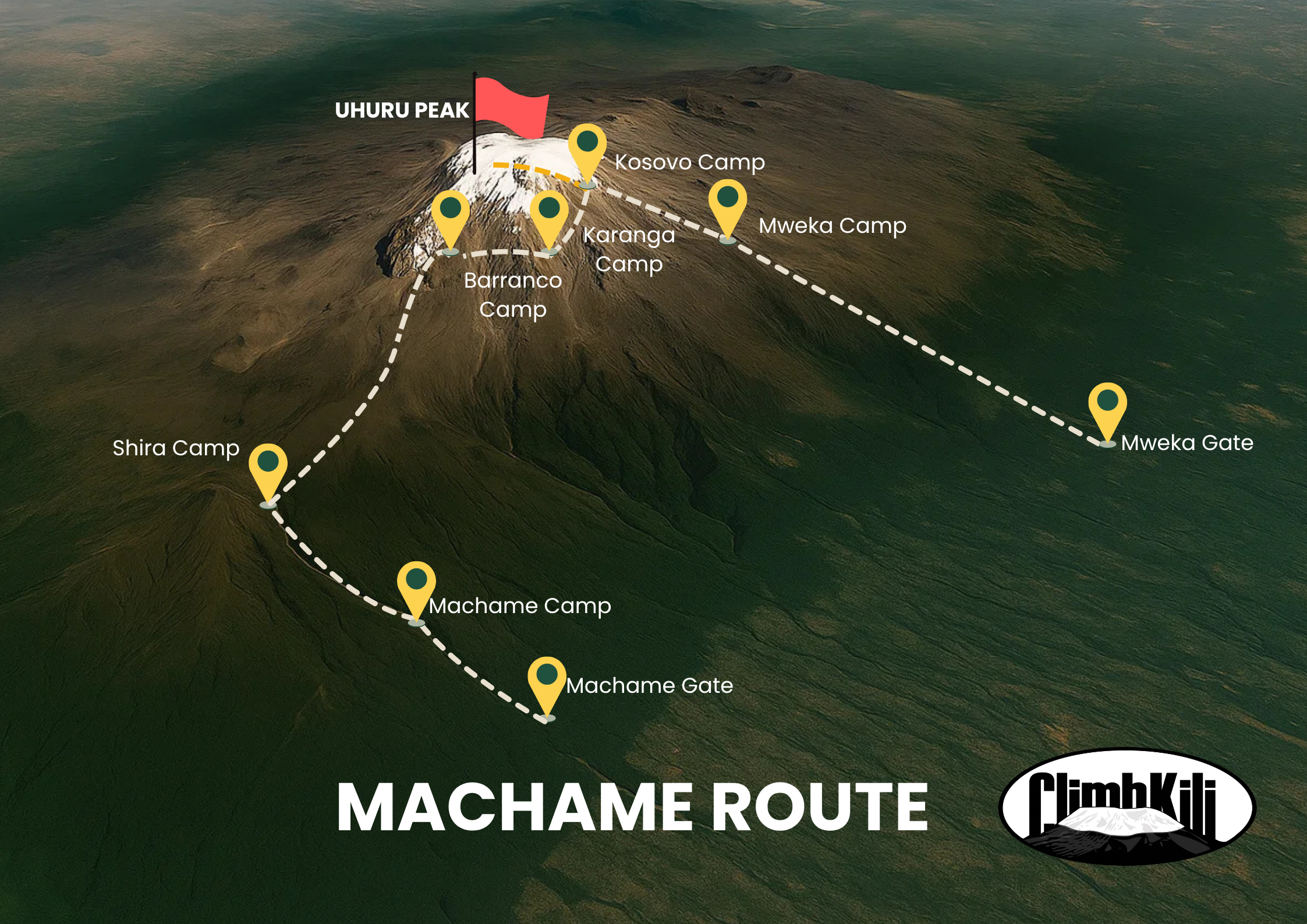
You’re about to experience one of Kilimanjaro’s most beautiful and diverse routes — the Machame Route, known as the “Whiskey Route.”
Famous for its breathtaking scenery and steady acclimatization profile, Machame offers everything from lush rainforest trails to alpine desert and glacier views near the summit.
With Climb Kili’s small group sizes, expert guides, and personalized approach, you’ll enjoy a true mountain adventure, surrounded by Tanzania’s natural beauty and the spirit of camaraderie that makes this journey unforgettable.
Before your climb, sit down for an in-depth meeting with your experienced lead guide. This is your opportunity to:
Ask any last-minute questions
Receive your rental gear from our on-site facility
Review your route and preparation checklist
📞 Meeting time details will be provided upon arrival.
If not, please contact Rickson for assistance:
Rickson’s Mobile: +255 622 680 305
Altitude: 9,300’ (2,835m)
Distance: 6.2 mi (10 km)
Time: 5–7 hours
After a restful night and a delicious breakfast at the hotel, your Climb Kili adventure begins!
Your guide and mountain crew will transfer you to the Machame Gate (5,380’ / 1,640m).
From here, hike through lush rainforest on a winding trail up the ridge.
The trail can be muddy and slippery, so gaiters and trekking poles are recommended.
At Machame Camp, your tent and personal belongings will be waiting, along with a warm dinner.
Relax and soak in the excitement of your first night on the mountain!
Altitude: 12,600’ (3,810m)
Distance: 4.3 mi (7 km)
Time: 5–7 hours
After breakfast, the trail leaves the rainforest and climbs steadily up a rocky ridge covered with heather.
As you ascend, the landscape opens into the moorland zone with vast views across the plains below.
Arrive at Shira Camp in the early afternoon, rest, and enjoy a hearty dinner while preparing for the next stage of the climb.
Altitude: 13,000’ (3,962m)
Distance: 5.6 mi (9 km)
Time: 6–8 hours
Today’s trek is designed for acclimatization.
Climb gradually eastward toward the Lava Tower (15,190’ / 4,630m), a striking rock formation also known as “Shark’s Tooth.”
After lunch near the tower, descend into the Barranco Valley, reaching Barranco Camp by late afternoon.
This “climb high, sleep low” approach helps your body adjust to the altitude—an essential step for summit success.
Altitude: 13,100’ (3,993m)
Distance: 3.1 mi (5 km)
Time: 4–5 hours
Today’s highlight is the Great Barranco Wall, a thrilling and rewarding climb that requires a bit of scrambling.
After reaching the top, continue along the South Circuit path through the scenic Karanga Valley.
Camp at Karanga Camp, where a hot meal and cozy tent await as you rest before heading higher tomorrow.
Altitude: 16,000’ (4,876m)
Distance: 2.2 mi (3.5 km)
Time: 4–5 hours
Continue your ascent past the crowded Barafu Camp to the higher and quieter Kosovo Camp.
This location offers better acclimatization, clearer summit views, and a peaceful environment before summit night.
Climb Kili holds special permits allowing climbers to camp at Kosovo, giving you a head start on summit night and avoiding the crowds.
This strategic advantage makes summit day shorter, smoother, and more successful.
Altitude: Summit at 19,341’ (5,895m); Descent to 10,065’ (3,068m)
Distance: 13 mi (21 km total – 5 km ascent / 12 km descent)
Time: 6–8 hours ascent / 4–6 hours descent
Tonight is the night!
Start your summit push around midnight, ascending toward Stella Point (18,885’ / 5,750m).
Arrive at dawn for a stunning sunrise above the clouds.
From Stella Point, continue to Uhuru Peak, the highest point in Africa.
After celebrating and taking in the views, descend to Kosovo Camp for rest and lunch, then continue down to Mweka Camp for the night.
Altitude: 5,400’ (1,640m)
Distance: 6.4 mi (10.3 km)
Time: 3–4 hours
Your final descent takes you back through the lush rainforest to Mweka Gate, where your Climb Kili vehicle awaits.
Return to Summit Lodge in Arusha for a hot shower, a delicious meal, and a well-deserved celebration of your incredible journey.
Your private Climb Kili driver will ensure a smooth departure by transferring you to Kilimanjaro International Airport.
We plan to arrive about 2 hours before your flight, allowing plenty of time for check-in and reflection on your unforgettable climb to the Roof of Africa.
CK Medals
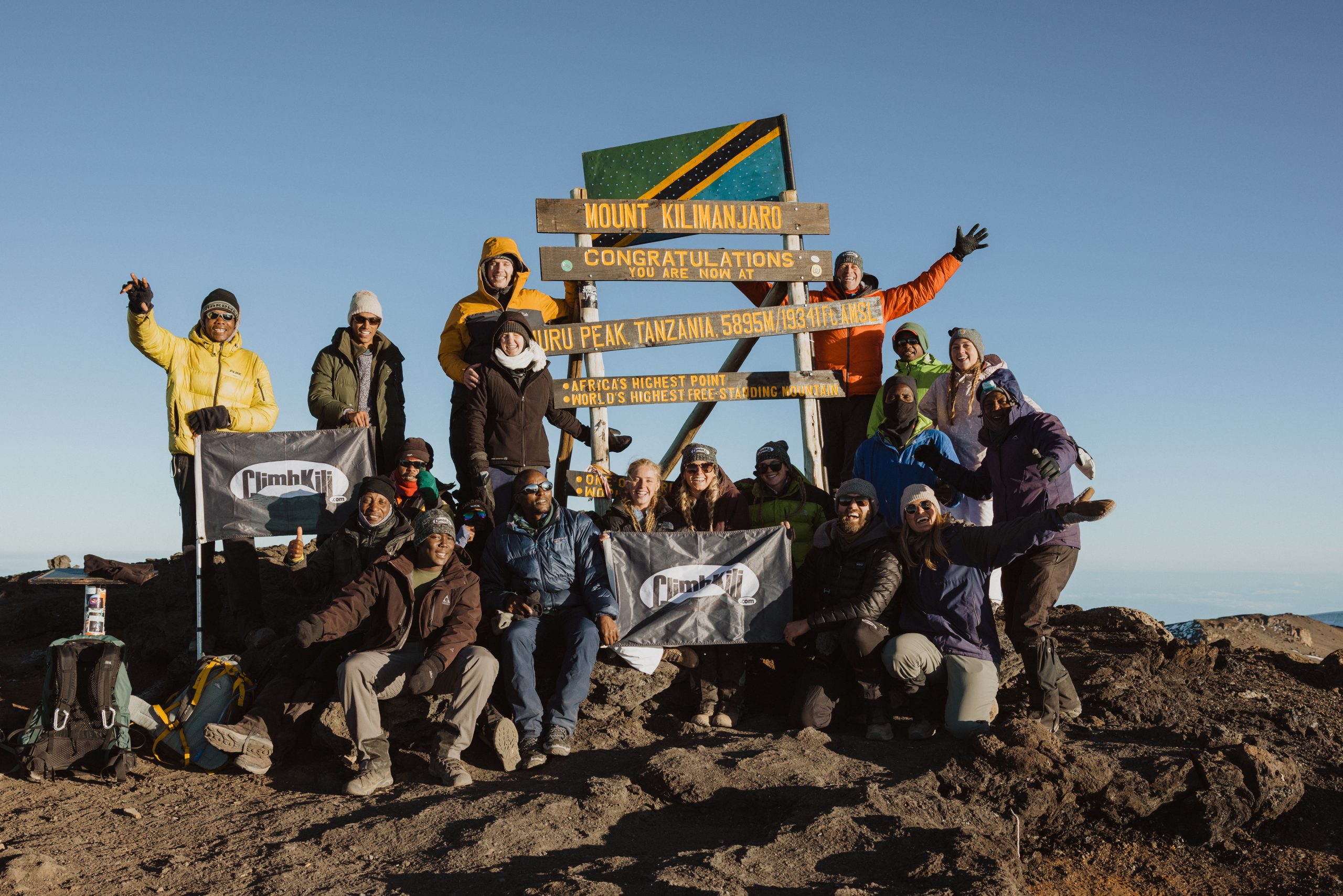
Yes, trekkers receive a CK (Climb Kilimanjaro) Medal as part of their accomplishment. These medals are awarded to all climbers — both those who successfully reach the summit and those who made a dedicated attempt. Each medal is a meaningful keepsake, honoring the courage, effort, and determination shown on the mountain.
Ceremony
The medal ceremony is held at your hotel in Arusha after returning from the mountain. During this special celebration:
You’ll receive your CK Medal, recognizing your climb — whether you summited Uhuru Peak or made a strong attempt.
The Climb Kili team will join you to celebrate your success and share in the excitement of your journey.
Photos are taken to commemorate this proud and joyful moment.
Highlight
This heartfelt ceremony marks the true spirit of Kilimanjaro — a celebration of perseverance, courage, and the incredible journey you’ve completed.
On the Trail:
There are no toilets on the trail, so you’ll need to use the wilderness when trekking between camps. Your guide will explain where and how to properly dispose of waste in an environmentally responsible way. Remember to bring your own toilet paper and hand sanitizer, as these are not provided on the trail.
At the Camps:
Climb Kili provides private chemical toilets at every camp — one of the key comforts that sets us apart. These toilets are clean, well-maintained, and far more comfortable than the basic pit latrines available at public campsites.
Toilet paper is provided at the camps, but not while trekking between them. Compared to the public facilities on the mountain, our private chemical toilets are considered quite luxurious — offering extra comfort and privacy throughout your climb.
Staying hydrated is essential on Kilimanjaro — you’ll need to drink at least 3 liters of water per day. All drinking water is purified by your Climb Kili team using a professional commercial filtration system, so no additional purification or tablets are needed.
Your guides will provide water daily, usually in large containers at camp for refilling your bottles or hydration bladders before each trek.
There is no electricity on the mountain, and Climb Kili does not provide charging stations. We recommend bringing your own portable power banks — ideally two — to keep your phone, camera, watch, or headphones charged throughout the climb.
Tip: Solar chargers are not reliable on Kilimanjaro due to frequent cloud cover and rain, so make sure your power banks are fully charged before the trek.
Tip: Avoid bringing too much food. The meals provided are hearty, and extra snacks may add unnecessary weight to your pack.
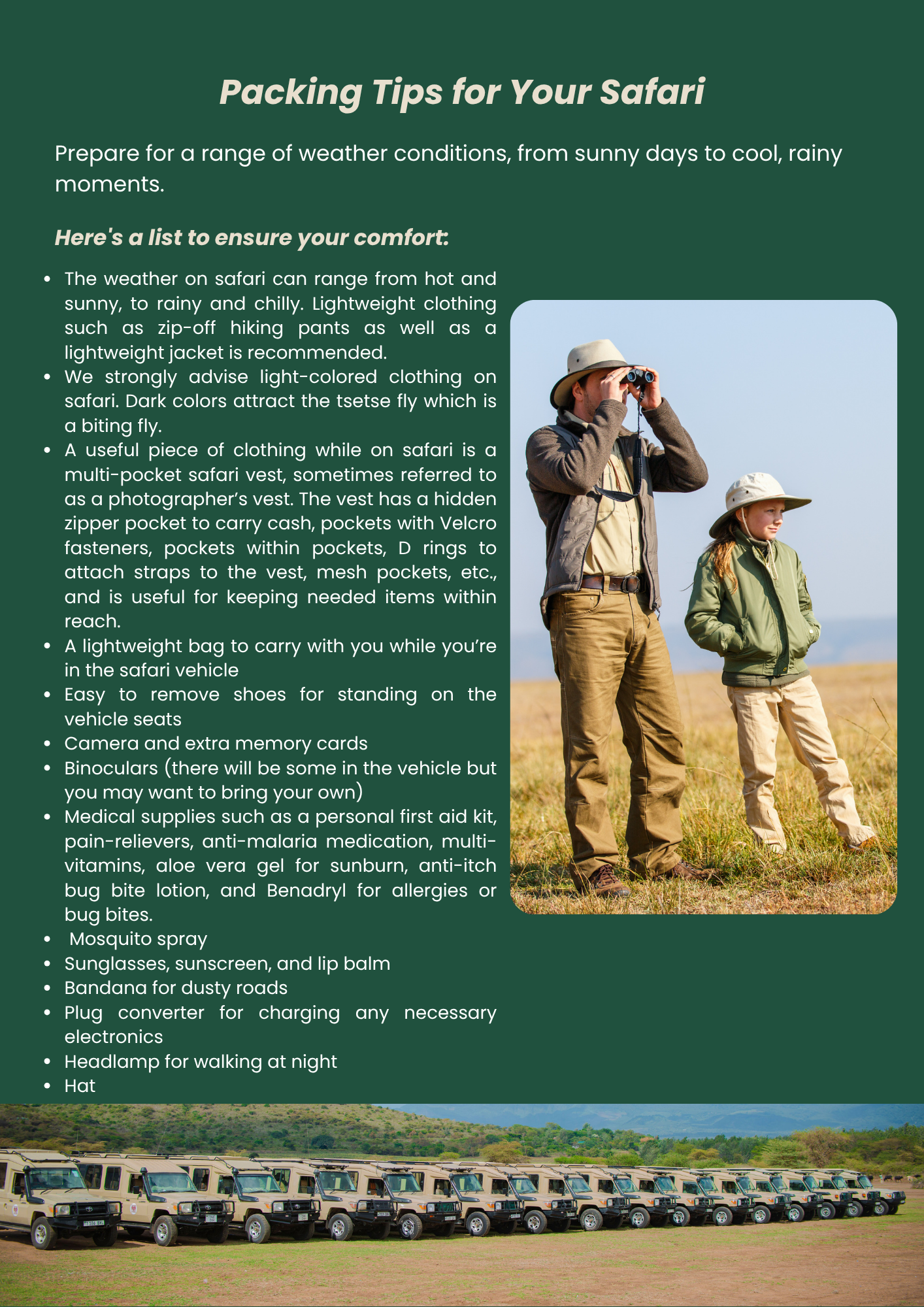
Enhance your Kilimanjaro experience with a breathtaking 2- to 7-day safari through Tanzania’s legendary national parks. Whether you choose to fly into the heart of the Serengeti or travel by road through the Great Rift Valley, each safari offers unmatched wildlife viewing, luxury lodge stays (subject to availability), and unforgettable landscapes.
Safaris range from $500–$600 USD per person per day, depending on lodge selection, route, and vehicle occupancy.
All itineraries are fully customizable and may be added before or after your Kilimanjaro climb.
Included in Your Safari Package:
✅ Expert Climb Kili safari driver/guide
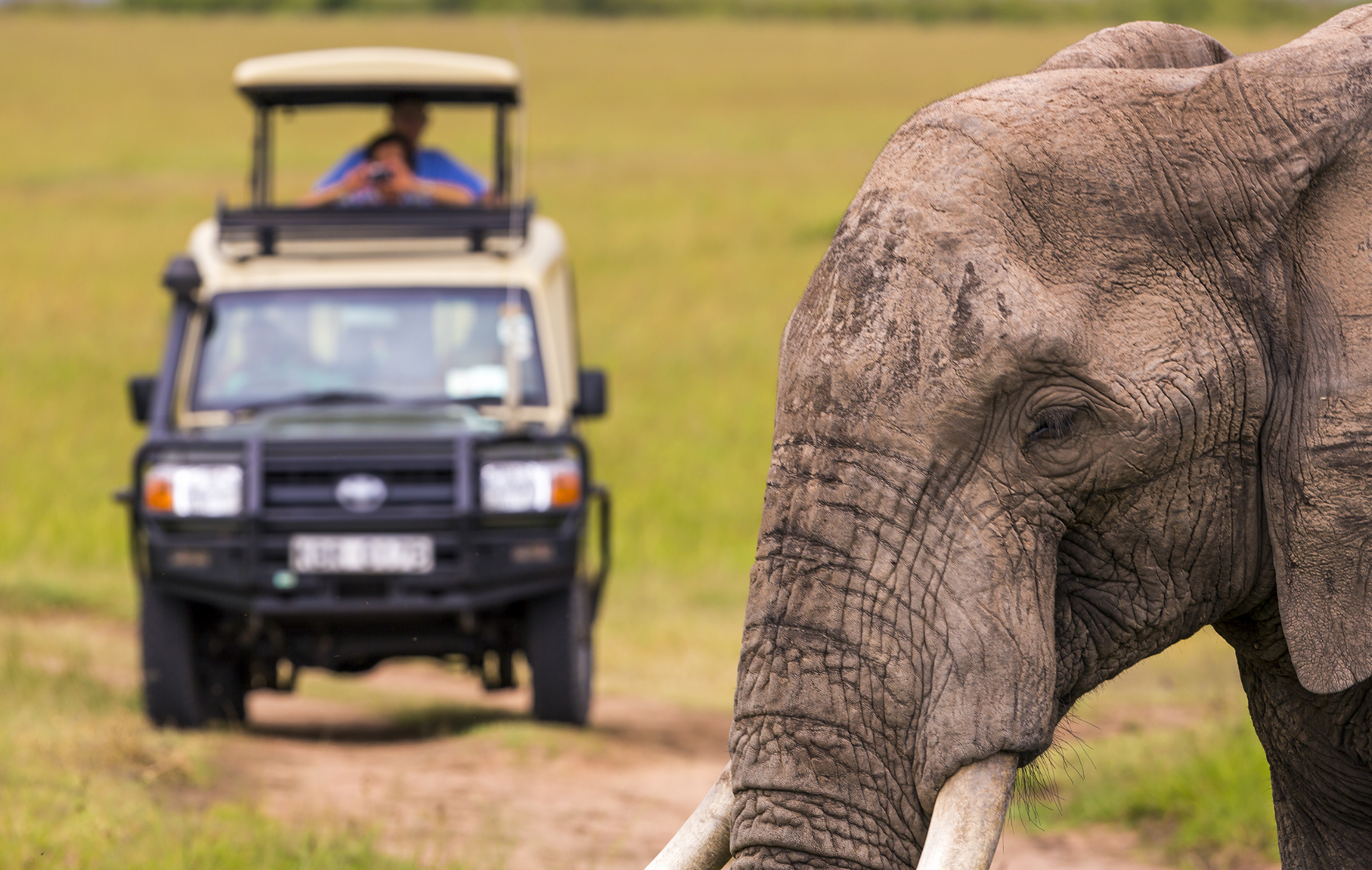
✅ Pop-up roof Land Cruiser with window seat for each guest
✅ In-vehicle charging ports and chilled bottled water
✅ All meals during safari
✅ Park entry fees and lodge accommodations
✅ Professional coordination by the Climb Kili team
Not Included:
❌ Tips for guides and lodge staff
❌ Alcohol, soft drinks, or personal expenses
❌ Airport transfers (if not combined with your climb)
A quick, high-impact journey into the wild heart of Tanzania.
Day 1: Arusha → Serengeti
Fly deep into Serengeti National Park for an afternoon game drive across vast plains teeming with wildlife.
Overnight: Kilima Valley Tented Lodge (subject to availability)
Day 2: Serengeti → Ngorongoro Highlands
Sunrise game drive in the Serengeti, then transfer south to the lush Ngorongoro Highlands.
Overnight: Farm of Dreams Lodge (subject to availability)
Day 3: Ngorongoro Crater → Arusha
Descend into the world’s largest unbroken volcanic caldera before returning to Arusha by evening.
A scenic drive through Tanzania’s most iconic parks.
Day 1: Tarangire National Park
Spot elephants and tree-climbing lions in this baobab-lined park.
Overnight: Farm of Dreams Lodge (subject to availability)
Day 2: Ngorongoro Crater
Spend the day exploring this UNESCO World Heritage site.
Overnight: Farm of Dreams Lodge (subject to availability)
Day 3: Lake Manyara → Arusha
Enjoy flamingos and forests along the lakeshore before returning to Arusha.
See it all—by land—at your own pace.
Day 1: Tarangire National Park
Elephants, giraffes, baobabs, and big cats await.
Overnight: Farm of Dreams Lodge (subject to availability)
Day 2: Tarangire → Serengeti
Drive through golden plains toward the Serengeti.
Overnight: Kilima Valley Tented Lodge (subject to availability)
Day 3: Serengeti → Ngorongoro Highlands
Morning game drive, then head to the highlands.
Overnight: Farm of Dreams Lodge (subject to availability)
Day 4: Ngorongoro Crater → Arusha
Crater tour and return to Arusha by evening.
A perfect balance of adventure and comfort.
Day 1: Fly Arusha → Serengeti. Afternoon game drive.
Overnight: Kilima Valley Tented Lodge (subject to availability)
Day 2: Full day in Serengeti.
Overnight: Kilima Valley Tented Lodge (subject to availability)
Day 3: Serengeti → Ngorongoro Highlands.
Overnight: Farm of Dreams Lodge (subject to availability)
Day 4: Crater exploration → Arusha return.
Day 1: Fly Arusha → Serengeti. Game drive.
Overnight: Kilima Valley Tented Lodge (subject to availability)
Day 2: Full day Serengeti.
Overnight: Kilima Valley Tented Lodge (subject to availability)
Day 3: Serengeti → Ngorongoro Crater.
Overnight: Farm of Dreams Lodge (subject to availability)
Day 4: Ngorongoro → Lake Manyara.
Overnight: Farm of Dreams Lodge (subject to availability)
Day 5: Tarangire → Arusha. Optional final overnight at Summit Lodge ($85).
Which safari is right for me?
We’ll help you choose based on your travel time, route, and interests.
When should I do my safari?
Most guests begin their safari the day after their Kilimanjaro climb.
Can I store my gear during safari?
Yes — your climbing gear is safely stored at the hotel.
What vehicles are used?
New or newer Land Cruisers with pop-up roofs and guaranteed window seats.
How much should I tip?
$15 per person per safari day for your guide, and $5–$25 per night for lodge staff.
Here’s the PDF for the Safari Gear List — download and review it before your trip to make sure you’ve got everything ready for the journey ahead!
Arusha Town Tour
Experience Arusha with a professional local guide, combining a walking and driving tour. Nestled in the shadow of Mount Meru, Arusha is the gateway to Tanzania’s Northern Safari Circuit. Discover the city’s hidden gems, starting from the famous Clock Tower—symbolizing the halfway point between Cairo and Johannesburg.
Highlights:
✔️ Walk through the bustling Maasai Market and Central Market
✔️ Visit Shanga House, where disabled artisans create stunning glasswork
✔️ Explore the Cultural Heritage Centre, a must-visit for unique souvenirs
Pricing:
Includes:
✅ Private transport
✅ Professional guide
Waterfalls & Coffee Plantation Tour
Embark on a refreshing day tour to the Tengeru region, where you’ll witness breathtaking waterfalls and explore a working coffee plantation. Enjoy a guided walk through coffee fields and learn the traditional process of coffee cultivation.
Highlights:
Pricing:
Includes:
✅ Private transport
✅ Lunch box or local lunch
✅ Water
✅ Entry fees
✅ Guide fees
A Cultural Encounter
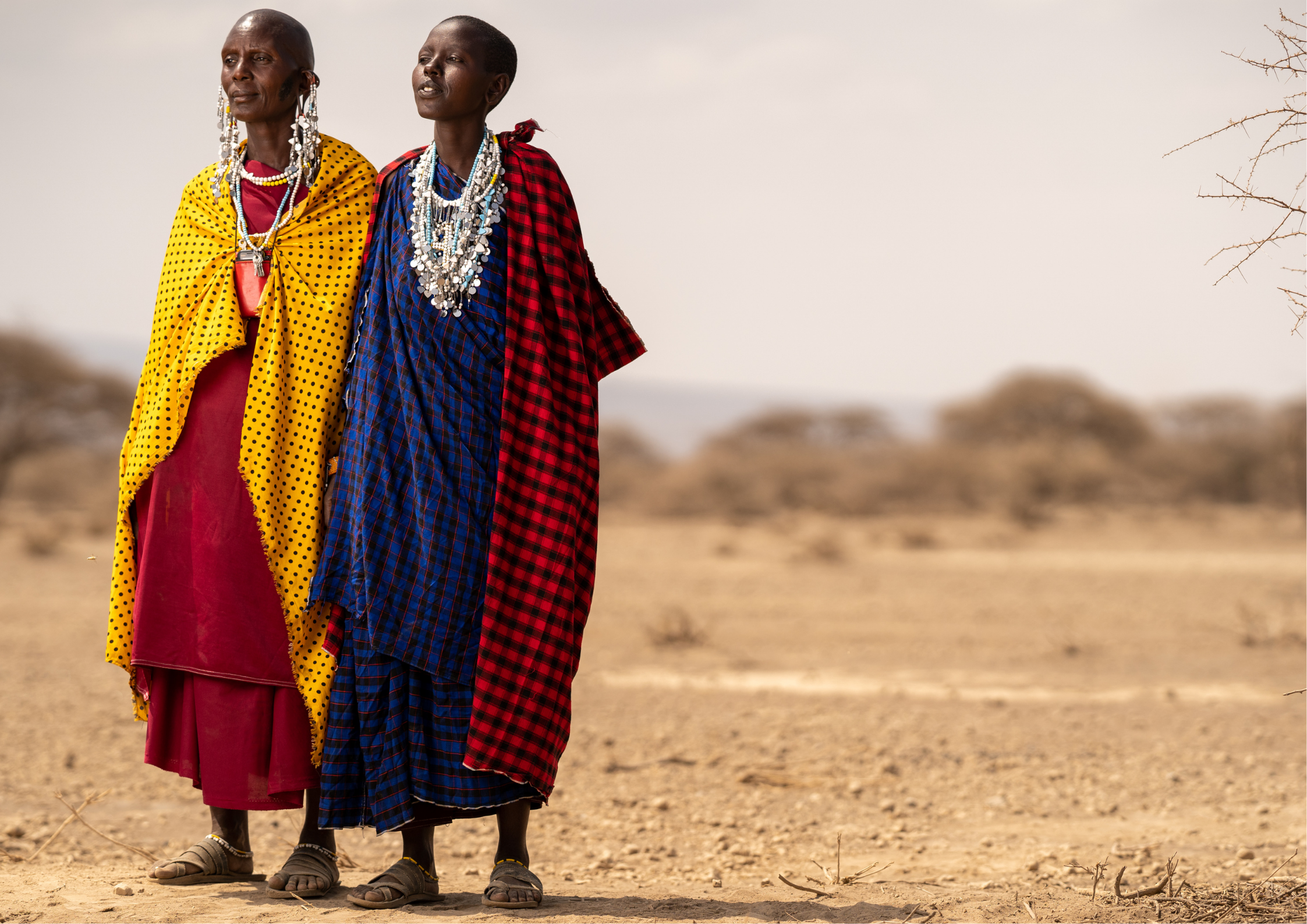
This adventure combines wildlife education and cultural immersion. Start your day at the Snake Park, where you’ll learn about Tanzania’s diverse reptiles. Then, visit a traditional Maasai village to experience their rich heritage, followed by an optional camel ride.
Highlights:
✔️ Guided tour of the Snake Park to learn about local reptiles
✔️ Immersive visit to a Maasai cultural village
✔️ Optional camel ride for a unique experience
Pricing:
Solo traveler: $160
Two people: $120 per person
Groups (3-7 people): $100 per person
Includes:
✅ Private transport
✅ Lunch box
✅ Water
✅ Entry fees
A Tropical Oasis
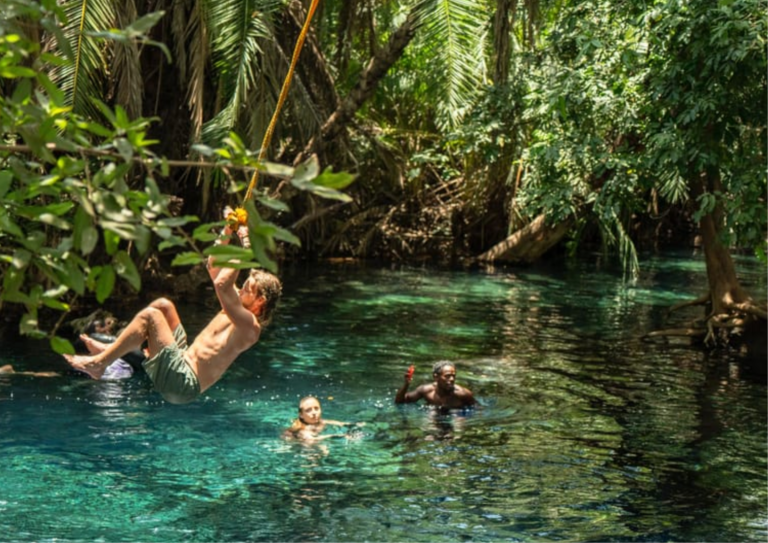
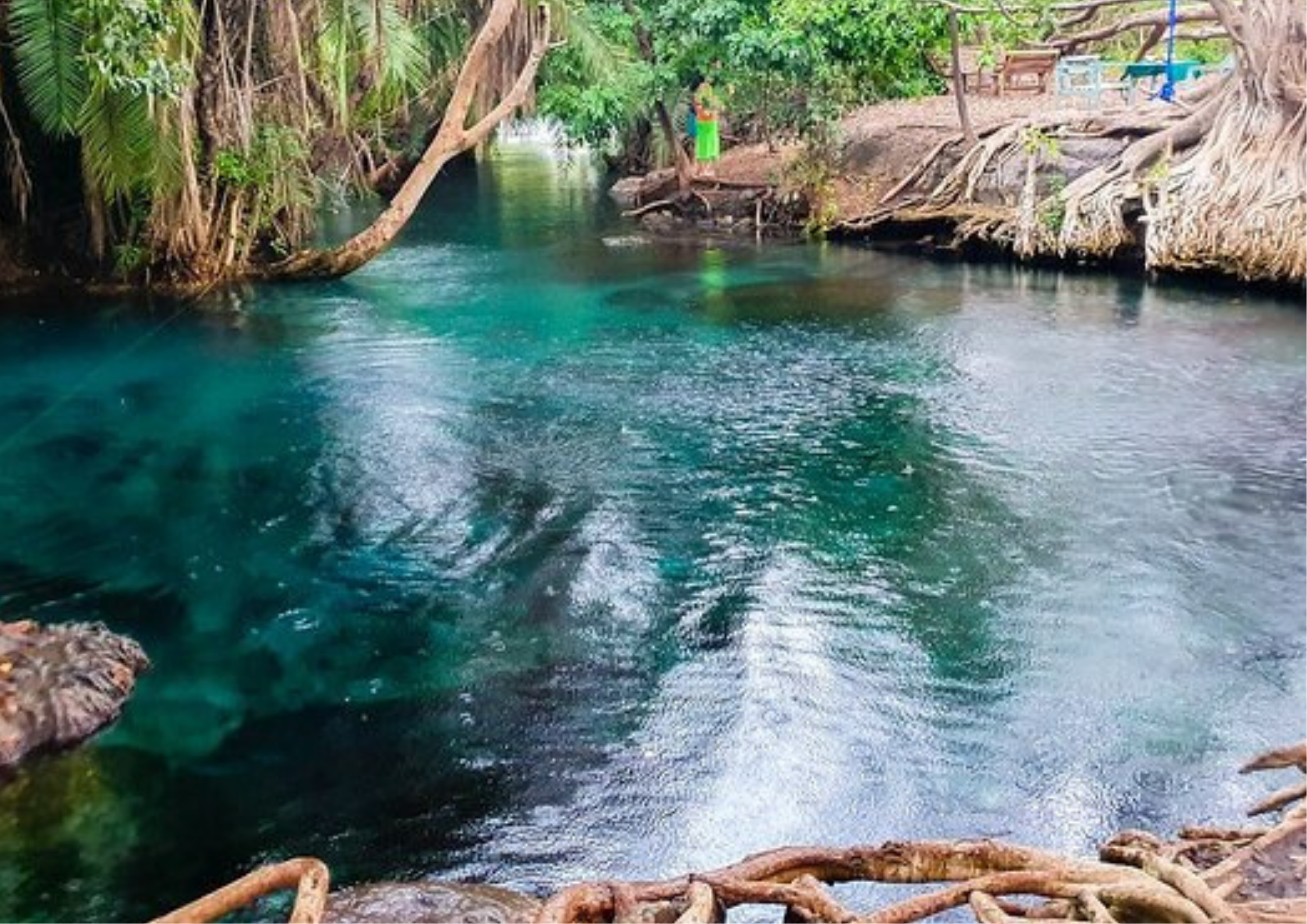
Escape to the stunning Kikuletwa Hot Springs, located between Arusha and Moshi. This hidden paradise offers crystal-clear waters perfect for swimming, surrounded by lush greenery. Enjoy a relaxing day with local food and a short nature walk around the spring.
Highlights:
Pricing:
Includes:
✅ Private transport
✅ Lunch box or local lunch
✅ Water
✅ Entry fees
Arusha National Park Day Trip & Momella Lakes
Experience the wonders of Arusha National Park on a full-day game drive. The park is home to stunning landscapes, the famous Momella Lakes, and diverse wildlife including giraffes, monkeys, and waterbucks. For adventure seekers, an optional guided walking safari takes you to the breathtaking Tululusia Waterfall.
Highlights:
Pricing:
Includes:
✅ Private transport
✅ Lunch box
✅ Water
✅ Entry fees
Safaris to Tarangire National Park or Ngorongoro Crater
For those wanting a taste of Tanzania’s world-renowned safari destinations, we offer day trips to two spectacular parks:
🔸 Tarangire National Park
Famous for its large elephant herds and iconic baobab trees, Tarangire offers a classic African safari experience. Spot lions, zebras, and a variety of birdlife in this vast wilderness.
🔸 Ngorongoro Crater
One of the world’s natural wonders, Ngorongoro Crater boasts stunning scenery and an incredible density of wildlife, including the Big Five. Witness breathtaking landscapes and abundant game in this UNESCO World Heritage Site.
Pricing:
💰 Custom pricing available upon request
Includes:
✅ Private transport
✅ Professional guide
✅ Entry fees
✅ Lunch box
✅ Water
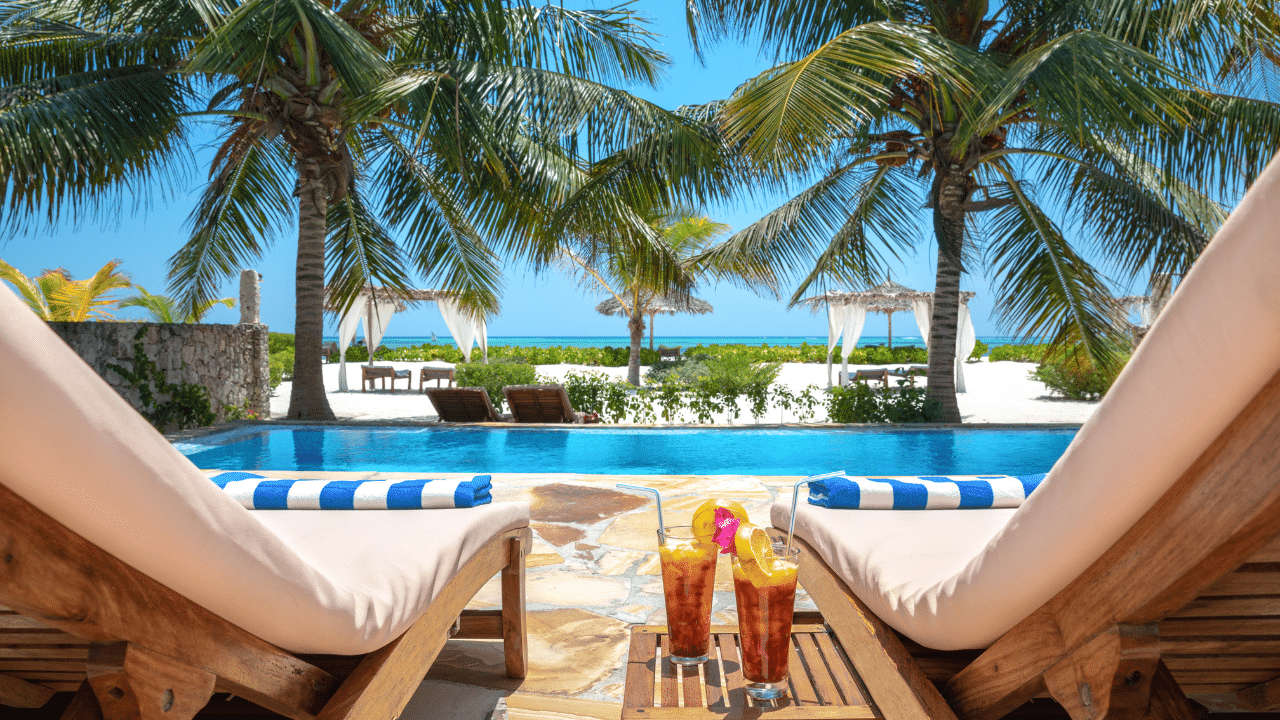
Zanzibar is a perfect way to unwind after your Kilimanjaro adventure.
Known for its white-sand beaches, coral reefs, and rich culture, Zanzibar offers a serene finish to your Tanzanian journey.
Please note: Climb Kili does not arrange or book Zanzibar tours.
We provide travel guidance and recommendations only.
✈️ Flights: We recommend flying into or out of Dar es Salaam (DAR) for smoother connections.
🏖️ Stay Options: 3–5 days recommended.
📍 Areas:
North East Coast — best for beach resorts
Stone Town — ideal for cultural sightseeing
We’ll send you flight and accommodation suggestions once your Kilimanjaro booking is confirmed.
You’ll fly into Kilimanjaro International Airport (JRO), which is the main airport serving climbs and safaris. It’s approximately 1 hour from both Moshi and Arusha.
Yes! A Climb Kili team member will meet you right at the airport—no matter what time you arrive. Look for a staff member holding a Climb Kili sign just outside the arrivals area.
Yes, you need to arrive the day before your first trekking day. For example, if your climb starts on January 3, your arrival should be on January 2. This allows time for rest, gear checks, and a detailed briefing.
Absolutely. We provide transfers to and from Kilimanjaro International Airport (JRO), and we can also accommodate requests to/from different hotels (like Arumeru River Lodge) or regional connections like flights to Zanzibar.
Yes. Our safari itineraries are built to return with ample time for evening departures. For example, if your flight leaves at 8:30 p.m., you’ll have enough time to return to the lodge, collect luggage, and get to the airport comfortably.
Most nationalities can get a visa on arrival at JRO. U.S. citizens pay $100 USD; most others pay $50 USD. You can also apply online via Tanzania’s eVisa portal to streamline the process.
You’ll be served nutritious, energizing meals daily:
Snacks: Light snacks such as energy bars, nuts, or chocolate are sometimes provided, but availability may vary. We highly recommend bringing your own favorite high-energy snacks to ensure you’re well-fueled throughout the day.
Need ideas? Check out our blog: Best Snacks for Your Kilimanjaro Climb
Special dietary needs can be accommodated with advance notice
Yes, we have an on-site Rental Shop with essential items such as sleeping bags, jackets, trekking poles, and gaiters. While rentals are available upon arrival, we strongly recommend reserving in advance to ensure availability. Just email us at tiffany.watson@climbkili.com to request your gear.
Download your Climb Kili Fitness Guide
We recommend having travel insurance for your Kilimanjaro trek or safari to protect against unforeseen events such as trip delays, baggage loss, medical emergencies, or evacuation.
You may choose from any provider that meets your needs. Some commonly used options include:
Be sure to select a policy that includes coverage for high-altitude trekking and emergency evacuation.
To ensure you have all the information you need for a successful climb, we’ve compiled some of the best resources from Climb Kili’s Blog. Whether you’re a beginner, looking for packing advice, or wondering about summit night, these articles will help you prepare for the adventure of a lifetime.
🧗♀️ Can Beginners Climb Kilimanjaro? A Complete Guide
This blog is perfect for those who are new to mountaineering or have concerns about climbing Mount Kilimanjaro without prior experience. It breaks down the physical and mental preparation needed for a successful trek, the best routes for beginners like Machame and Lemosho, and highlights the support and expertise Climb Kili provides throughout the climb. Whether you’re climbing for personal achievement or seeking adventure, this article is an excellent starting point.
Key Takeaways:
Importance of mental preparation and physical fitness.
Packing the right gear is essential to your success on Kilimanjaro. This detailed blog outlines everything you need for your trek, from layers of clothing to sleeping bags, trekking poles, and personal items. It also covers what to bring to ensure both comfort and safety at the various altitudes you’ll encounter.
Key Takeaways:
Packing list for personal health and hygiene.
Summit night is one of the most physically demanding parts of your Kilimanjaro adventure. This blog explains everything you need to know, including the timing, challenges, and mental preparation for reaching Uhuru Peak. You’ll learn what the summit push entails and how to stay focused during the final ascent to the highest point in Africa.
Key Takeaways:
This article discusses the importance of having a licensed guide when climbing Kilimanjaro. It covers Tanzanian regulations requiring guides, the safety benefits of having an expert guide, and how a guide can enhance your experience on the mountain. It also explains the essential roles of porters and assistants during the trek.
Key Takeaways:
Climbers from sea-level locations will benefit from this blog, which offers specific training tips to prepare your body for the high-altitude challenges of Mount Kilimanjaro. It includes aerobic exercises, strength training, and ways to simulate high-altitude conditions to help you build the fitness necessary for the trek.
Key Takeaways:
Focus on hydration, nutrition, and rest during training.
Before you embark on your incredible adventure, please make sure you’ve completed all the necessary steps. Here’s a list of essential things to check off:
We highly recommend that all climbers purchase comprehensive travel insurance before departure. Your policy should include:
Medical emergencies (including evacuation)
Trip cancellations or interruptions
Lost, stolen, or delayed baggage
Coverage for trekking up to 6,000 meters
➡️ Please read your insurance policy carefully to ensure it covers high-altitude trekking in Tanzania. Not all policies include mountaineering or trekking above 4,000 meters by default.
🧾 Important Note:
Some insurance providers require that you pay for any medical services or evacuation costs upfront, and then submit a claim for reimbursement. Be sure you understand how your provider handles emergency payments, and bring credit cards or backup funds just in case.
📄 Reminder: Bring a printed copy of your travel insurance — our Tanzania team will collect this upon arrival.
Note: The final itinerary also contains important travel logistics, including pickup times and location
Approximately 60 days before your arrival, we’ll process your remaining balance and send a detailed invoice. This gives you time to review everything, make any necessary adjustments, and finalize payment arrangements with ease. This will include any additional services such as safari add-ons or gear rentals.
Payment Methods Accepted
Climb Kili accepts multiple convenient payment methods:
Zelle (no fee): tiffany.watson@climbkili.com
Wire Transfer (no fee): Bank details provided upon request
Wise (no fee): Preferred for international transfers with low exchange fees
Credit Card (3.5% processing fee)
Credit Card Fees
Please note that all credit card transactions will incur a 3.5% processing fee.
Payment Confirmation
Once the payment is processed, you will receive a confirmation email with your payment receipt for your records.
Note: Make sure to specify your sizes and any specific requirements.
All travelers are required to obtain a Tanzanian travel visa for entry. This visa can be secured either online in advance or upon arrival at the airport.
We highly recommend applying for your visa online before travel. While visas can still be purchased upon arrival at Kilimanjaro International Airport (JRO), applying online helps ensure faster entry and avoids potential delays at immigration.
You can apply for a Single Entry or Multiple Entry Visa through the official Tanzania Immigration website:
👉 www.immigration.go.tz
Host Company: Climb Kili
Full Name: Climb Kili
Email: tiffany.watson@climbkili.com
Mobile No.: +255 622 680 305
Relationship: Tour Operator
Address: Summit Lodge, Nairobi Road at Sakina Raskazone, Arusha, Tanzania
$100 USD – U.S. passport holders
$50 USD – Most other nationalities
Most travelers can still purchase a visa upon arrival at JRO.
Check the specific visa requirements for your nationality before departure.
You may also apply in advance through the Tanzanian Embassy or the eVisa system.
📌 Pro Tip: Ensure your passport is valid for at least 6 months beyond your return date.
Make sure you’re set up for a smooth flight and arrival in Tanzania. Pack these comfort and convenience items in your carry-on:
Travel pillow
Ear plugs & eye mask
Hand sanitizer & wet wipes
Snacks for the flight
A good book, playlist, or downloaded entertainment
Chargers for all electronics
Portable power bank
We recommend you carry on anything you absolutely need for your Kilimanjaro trek, including:
Hiking boots (well broken-in)
Essential medications
Prescription items or critical gear
Personal documents (passport, Yellow Fever card, etc.)
One change of hiking clothes (just in case bags are delayed)
Luggage can be delayed — but you don’t want your boots or meds stuck. Anything you must have for your climb should be in your carry-on.
If possible, hike on elevated terrain or do stair climbing to build strength and stamina for summit day.
In the unlikely event that your luggage is delayed or lost during your journey:
Upon arrival at Kilimanjaro International Airport (JRO), report the issue to the airline’s lost luggage desk. Be sure to get a Property Irregularity Report (PIR) and reference number.
You can also follow up with the airport directly:
Kilimanjaro International Airport Luggage Office
📞 +255 27 250 1056
📧 info@kilimanjaroairport.com
Please notify our Climb Kili team immediately. Our local staff will work directly with the airport team to help retrieve your luggage and coordinate its delivery.
Typically, lost bags arrive on the next available flight, usually within 24–48 hours.
If you’re missing essential trekking gear, we can help provide emergency rentals to get you through the first days until your bags arrive.
You’ll receive a private tracking link approximately one week before your climb. This link allows your family and friends to follow your journey as you make your way to the summit of Kilimanjaro.
📨 We will send the link to your email — share it with your family and friends so they can track your progress and celebrate milestone with you.
🔔 Please note: This is not a daily communication tool. It provides general tracking based on your group’s movement, but it does not show real-time or individual updates.
🗣️ In case of an emergency: Your guide will immediately contact the national park ranger, who will notify our Tanzania operations team right away. From there, we’ll be in contact with your emergency contact and take all necessary action. Your safety is our top priority.
Passport: Valid for at least 6 months beyond your return date.
Travel Insurance: Bring a printed copy of your insurance policy.
Final Itinerary: Keep your itinerary and travel documents accessible.
Payment: Ensure your final trek and service payments are completed.
Rental Items: Email Tiffany Watson for confirmation of rental gear.
Visa: Confirm your visa is completed online or ready for purchase upon arrival.
Travel Kit: Pack your airplane kit for a comfortable journey.
Physical Shape: Continue your training to stay in top form for the trek.
Lost Luggage: Keep airport lost-luggage contact details handy.
Climb Kili Private Link for Updates: Share this link with family and friends to follow along on your trek. (This link will be sent approximately one week before your climb.)