Mountain facts
Is Kilimanjaro a Volcano? Will It Ever Erupt Again?
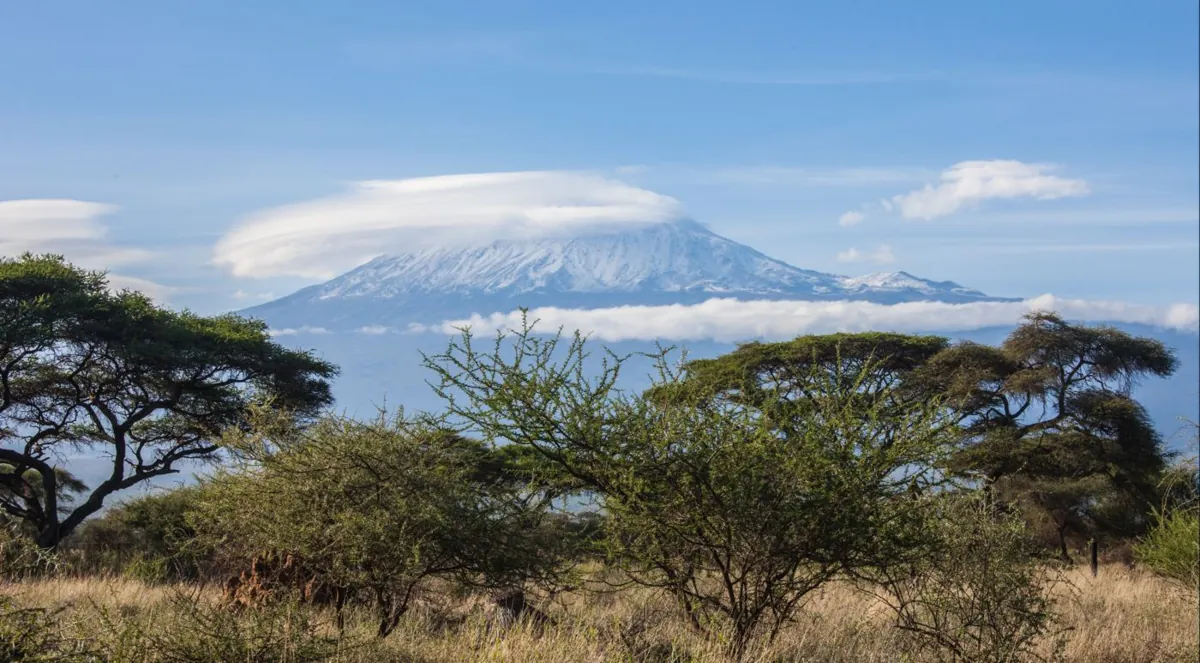
Yes. Kilimanjaro is a volcano, and its highest cone, Kibo, is dormant rather than extinct. It has never erupted in recorded history, and the Smithsonian Global Volcanism Program knows of no eruption in the last 12,000 years.
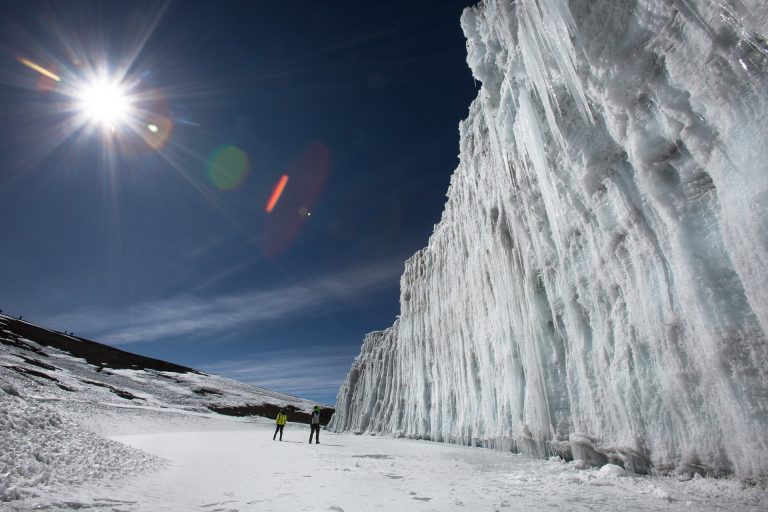
Kibo still has fumaroles, small vents that release volcanic gas, inside its summit crater. That is why it is called dormant. Here is how the mountain formed, when it last erupted, and what you see of the volcano on our climbs. For the human story see Kilimanjaro history. For the ice on Kibo see Does Kilimanjaro have snow?, and for the five belts you climb through see Kilimanjaro's climate zones.
- 6Small groups of 6 climbers, max
- ✓Locally owned and operated in Tanzania
- ▲Higher Kosovo summit camp for a better summit chance
- ★Authentic Africa, from summit to safari
Most Recommended Locally Owned Company on TripAdvisor · 1,600+ verified reviews · Summiting Kilimanjaro since 1984
The mountain
What are Kilimanjaro's three volcanic cones?
Kilimanjaro is not a single peak but a volcanic massif about 80 km (50 miles) long from west to east, built from three main cones (Britannica). It rises on its own above plains at about 1,000 m, which UNESCO calls the largest free-standing volcanic mass in the world.
| Cone | Height | Status | What it is like |
|---|---|---|---|
| Shira (west) | 3,962 m | Extinct | The oldest cone. It collapsed long ago and left the wide Shira Plateau. |
| Kibo (centre) | 5,895 m | Dormant | The youngest and highest cone, with a classic crater about 2 km across. Uhuru Peak sits on its rim. The only cone with a permanent ice cap. |
| Mawenzi (east) | 5,149 m | Long inactive | A jagged, heavily eroded peak. Its last eruptions were roughly 450,000 to 500,000 years ago. TANAPA describes it as dormant; Britannica calls it extinct. |
Status
Is Kilimanjaro active, dormant or extinct?
Kibo is dormant. A volcano is usually called dormant when it has not erupted for a very long time but still shows signs of heat below. On Kibo those signs are fumaroles: the Global Volcanism Program reports gas vents in the nested craters at the summit, and Britannica notes "residual volcanic activity" in Kibo's inner cone.
That activity is centred on the Reusch Crater and the Ash Pit, a deep vent inside Kibo's main crater. It is a fragile, high-altitude place, and we don't guide climbers into it. Read more in our guide to Reusch Crater and the Ash Pit.
Shira is extinct, and Mawenzi has been quiet for hundreds of thousands of years.
History
When did Kilimanjaro last erupt?
Different websites quote different dates, usually "360,000 years ago". That figure comes from Kibo's biggest lava flows, not its last activity. Dating of the rocks by Nonnotte and colleagues (2008) gives this timeline:
- About 2.5 million years agoVolcanic activity begins at Shira, the oldest cone.
- About 1 million years agoActivity shifts east, and Kibo and Mawenzi start to grow.
- About 500,000 to 450,000 years agoMawenzi's last eruptions.
- About 460,000 to 337,000 years agoKibo's largest lava flows (the Rhomb Porphyry and Lent groups), the source of the often-quoted "360,000 years".
- About 274,000 to 170,000 years agoKibo's present summit cone is built.
- About 200,000 to 150,000 years agoThe last volcanic activity: today's summit crater forms, along with more than 250 small cones on the mountain's flanks.
The Global Volcanism Program says claims of activity "200 years ago" have no support in the geological record.
The future
Will Kilimanjaro erupt again?
No one can rule out an eruption from a dormant volcano, but there is no sign of one coming. Kibo has had no eruption in human history, and none in the last 12,000 years that scientists know of.
For climbers, the volcano is not the risk to plan for. The real challenge on Kilimanjaro is altitude, which is why our routes include acclimatization days and our guides check your health every day. Read our altitude sickness guide and Kilimanjaro safety guide.
On the climb
Where do you see the volcano on our routes?
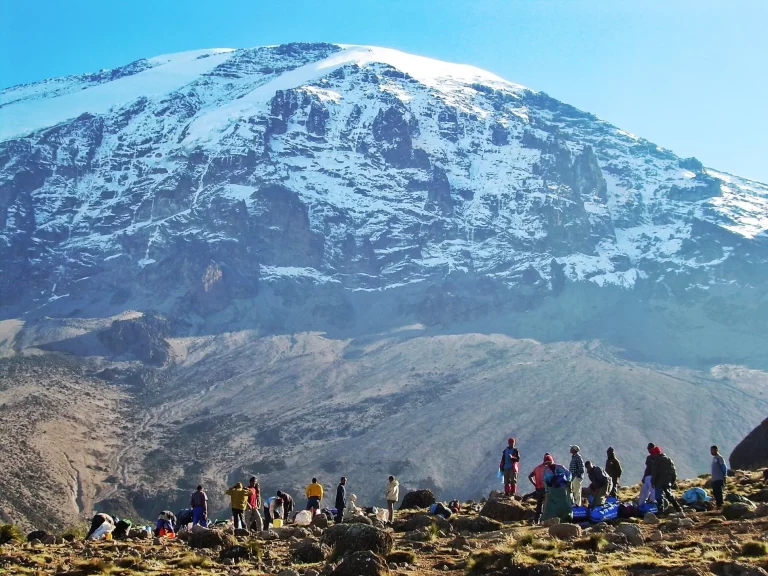
- The Shira Plateau: on the 8-Day Lemosho you cross the plateau left by the collapsed Shira cone, trekking east toward Kibo's glaciers.
- Lava Tower (4,630 m): both of our routes pass this tall rock formation, also known as the "Shark's Tooth".
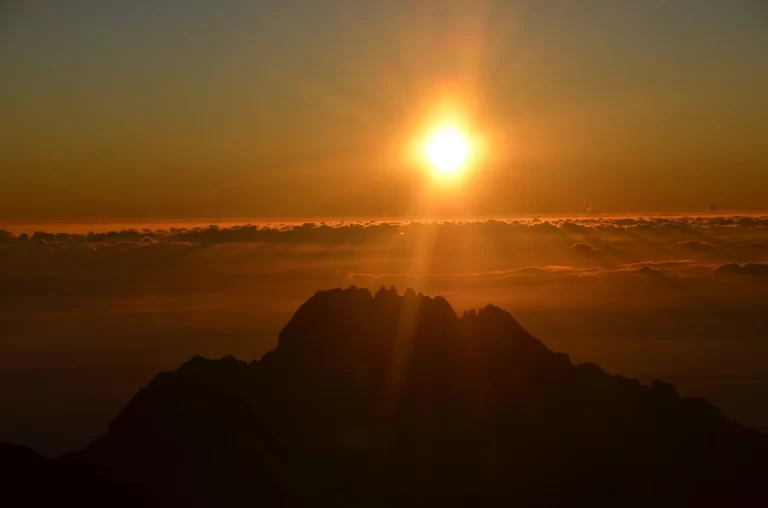
- Kibo and Mawenzi from Kosovo Camp: our high camp looks out on both peaks before summit night.
- Stella Point (5,750 m): where you step onto the rim of Kibo's crater, about an hour below Uhuru Peak.
Elevations are from our 7-Day Machame itinerary and 8-Day Lemosho itinerary.
Have a question this page doesn't answer? Our Kilimanjaro FAQs cover booking, gear, safety, visas and more, or ask us directly.

Tiffany Watson · Operations Director
Stand on the rim of a volcano
Our 7-Day Machame and 8-Day Lemosho climbs both finish on Kibo's crater rim at Uhuru Peak. Ask us which one suits you.
Or call 1-888-589-1884 · Email us
Where this comes from: Volcano status and dates: Smithsonian Global Volcanism Program; Nonnotte et al. (2008), Journal of Volcanology and Geothermal Research; Encyclopaedia Britannica; UNESCO World Heritage Centre; TANAPA Investment Prospectus (2020). Route landmarks and elevations: our 7-Day Machame itinerary and 8-Day Lemosho itinerary. Crater access: our guide to Reusch Crater and the Ash Pit.